
Living with Inherited Heart Conditions can be a challenging journey, but you don’t have to face it alone. This article explores the invaluable support and resources available to individuals dealing with these conditions. From online communities that provide a sense of belonging to specialized medical professionals who offer expert guidance, there is a wide array of assistance ready to empower you in navigating this medical landscape. Discover how connecting with others who share similar experiences and accessing the latest research can help you better understand your condition and make informed decisions about your health. Embrace the support and resources available to you, as they can make a significant difference in managing your inherited heart conditions.

Understanding Inherited Heart Conditions
Inherited heart conditions are a group of cardiovascular disorders that are passed down through families. These conditions occur due to genetic mutations or abnormalities that can affect the structure or function of the heart. They can impact people of all ages, from infants to adults, and may present various symptoms such as arrhythmias, cardiomyopathies, or congenital heart defects. It is crucial to gain a comprehensive understanding of these conditions, as early detection and treatment are key to managing them effectively and improving long-term outcomes.
Common Types of Inherited Heart Conditions
There are several common types of inherited heart conditions that individuals may face. These include conditions such as hypertrophic cardiomyopathy, arrhythmogenic right ventricular cardiomyopathy, familial hypercholesterolemia, Marfan syndrome, and long QT syndrome, among others. Each condition has its unique set of symptoms and implications on heart health. By familiarizing yourself with these conditions, you can better recognize their signs and seek appropriate medical attention as needed.

Causes of Inherited Heart Conditions
Inherited heart conditions are primarily caused by genetic mutations or abnormalities that are passed down from one generation to the next. These mutations can be inherited from either one or both parents. In some cases, a single mutated gene leads to the development of the condition, while in others, multiple genes may be involved. Understanding the underlying genetic causes of these conditions can help in identifying at-risk individuals within families and implementing appropriate diagnostic and screening measures.
Diagnosis and Screening
Genetic testing is a valuable tool in diagnosing inherited heart conditions. It involves analyzing an individual’s DNA to identify any genetic mutations or abnormalities associated with a specific condition. Genetic testing can help determine if an individual has an inherited heart condition or is at risk of developing one. Other diagnostic tests, such as echocardiograms, electrocardiograms (ECGs), and stress tests, may also be employed to assess heart function and identify any abnormalities.
Screening guidelines recommend that individuals with a family history of heart conditions should undergo regular screenings to detect any potential issues at an early stage. These screenings may involve a combination of medical history evaluations, physical examinations, and diagnostic tests. Following screening guidelines is crucial in order to detect inherited heart conditions early and provide prompt intervention when necessary.

Managing Inherited Heart Conditions
Once diagnosed, managing inherited heart conditions requires a comprehensive approach. Medication and treatment options vary depending on the specific condition and its severity. Some individuals may require medications to control abnormal heart rhythms or manage symptoms such as high blood pressure or cholesterol levels. In more severe cases, surgical interventions, such as pacemaker implantation or heart valve repair, may be necessary.
In addition to medical treatments, lifestyle modifications play a key role in managing inherited heart conditions. Adopting a heart-healthy diet, engaging in regular physical activity within the limits prescribed by the healthcare team, quitting smoking, and managing stress are all important components of maintaining heart health. It is essential to have open and honest communication with healthcare professionals to develop an individualized management plan that suits your specific needs.
Regular check-ups and monitoring are vital in managing inherited heart conditions. These appointments allow healthcare professionals to assess your condition, monitor the effectiveness of medications or treatments, and detect any changes or complications early on. Following the recommended monitoring schedule ensures that any necessary adjustments can be made promptly, leading to better outcomes.
Psychological and Emotional Support
Living with an inherited heart condition can have a significant impact on mental well-being. Coping with the physical limitations, potential complications, and the emotional burden can be challenging for individuals and their families. It is important to acknowledge these emotional aspects and seek appropriate support.
Coping strategies can help individuals and families navigate the emotional challenges associated with inherited heart conditions. These include seeking support from loved ones, engaging in stress-reducing activities such as meditation or hobbies, and staying informed about the condition and its management. Additionally, counseling and support groups provide a safe space to share experiences, obtain guidance, and form connections with others who understand what you are going through.
Support for Families
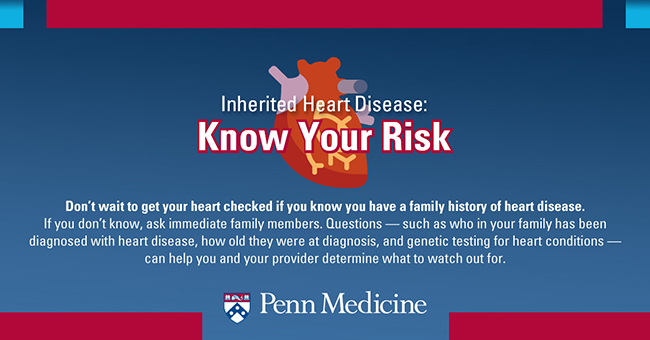
Inherited heart conditions not only affect individuals but can also impact their families. Genetic counseling offers valuable information and guidance for family members who may have concerns about their own risk or the risk of future generations. Genetic counselors can explain the inheritance patterns, discuss the likelihood of passing on the condition, and provide options for testing or preventive measures.
Parents and siblings of individuals with inherited heart conditions may have unique concerns and emotions. Addressing these concerns with healthcare professionals and seeking psychological support can help alleviate anxiety and provide reassurance. It is essential for families to come together, communicate openly, and support each other throughout the journey of managing these conditions.
Supporting children and teenagers with inherited heart conditions requires special attention. They may face unique challenges, such as limitations on physical activities or potential social stigma. It is crucial to create a nurturing environment that promotes their overall well-being, encourages open communication, and provides them with the tools to manage their condition effectively and confidently.
Financial and Insurance Resources
Navigating insurance coverage for inherited heart conditions can be complex and overwhelming. Understanding your insurance policy, including coverage limitations and exclusions, is essential. Communicating with insurance providers to clarify any uncertainties and advocating for coverage when necessary can help alleviate financial burdens associated with diagnostics, treatments, and ongoing care.
Financial assistance programs and resources are available to support individuals and families facing the financial challenges of managing inherited heart conditions. These programs can provide financial aid for medications, treatments, and other necessary expenses. Researching available resources, reaching out to patient advocacy organizations, and discussing financial concerns with healthcare providers are proactive steps toward accessing financial assistance and support.
Advocating for coverage and support is important not only for individuals but also for the wider community affected by inherited heart conditions. Participating in advocacy efforts and raising awareness about the financial burdens associated with these conditions can help bring about policy changes that improve access to necessary care and reduce financial stress on individuals and families.

Research and Clinical Trials
Research plays a critical role in advancing the understanding and treatment of inherited heart conditions. Various studies are focused on unraveling the underlying genetic mechanisms, developing new diagnostic tools, exploring novel treatment options, and improving long-term outcomes. Staying informed about the current research initiatives and breakthroughs can help individuals and healthcare providers make informed decisions about their care and treatment plans.
Participating in clinical trials is a way to contribute to ongoing research efforts and potentially access innovative treatments or interventions. Clinical trials follow strict protocols to evaluate the safety and efficacy of new therapies or diagnostic methods. By participating in these trials, individuals can play an active role in advancing medical knowledge and improving future treatment options for those affected by inherited heart conditions.
Pediatric Inherited Heart Conditions
Children with inherited heart conditions have unique considerations that need to be addressed. The impact on growth and development, social interactions, and psychological well-being should be carefully managed. Transitioning from pediatric to adult care is an important milestone that requires coordination between healthcare providers to ensure continuity of care and a smooth transition.
Long-term outlook and quality of life for children with inherited heart conditions vary depending on the specific condition and its management. With appropriate medical care, lifestyle modifications, and emotional support, many children can lead fulfilling lives and thrive as they grow up. Early diagnosis, timely interventions, and ongoing monitoring are crucial in ensuring the best possible outcomes for these young patients.
Heart-Healthy Lifestyle
Adopting a heart-healthy lifestyle is essential for individuals with inherited heart conditions. Regular exercise is encouraged, but it is important to consult with a healthcare provider to determine appropriate levels of physical activity and any restrictions. Engaging in activities such as walking, swimming, or cycling can help improve cardiovascular health and overall well-being.
Nutrition also plays a vital role in maintaining heart health. Following a balanced diet that is low in saturated fats, cholesterol, and sodium can help manage conditions such as high blood pressure and high cholesterol levels. Eating a variety of fruits, vegetables, whole grains, lean proteins, and healthy fats supports cardiovascular health and reduces the risk of complications.
Managing emotional well-being and reducing stress is essential for individuals with inherited heart conditions. Engaging in stress-reducing activities such as yoga, meditation, or creative outlets can help alleviate anxiety and improve overall quality of life. It is important to prioritize self-care and seek support from loved ones or professional therapists when needed.
Advocacy and Awareness
Promoting awareness and education about inherited heart conditions is crucial in increasing early detection and improving outcomes. By raising awareness among the general population, healthcare professionals, and policymakers, we can strive to reduce stigma, increase access to necessary care, and encourage research and funding for these conditions.
Advocating for policy changes and support is necessary to ensure that individuals with inherited heart conditions receive the care they need. This can involve contacting local representatives, sharing personal experiences, and urging policymakers to prioritize the needs of those affected by inherited heart conditions in healthcare policies and legislation.
Participating in community events and initiatives can help connect individuals and families affected by inherited heart conditions and provide valuable support networks. Joining support groups, attending awareness events, or volunteering with patient advocacy organizations are effective ways to contribute to the community, share experiences, and find comfort in the shared journey.
Living with inherited heart conditions can present unique challenges, but with proper understanding, management, and support, individuals and families can lead fulfilling lives and thrive. By fostering awareness, seeking appropriate medical care, embracing healthy lifestyles, and advocating for support, we can work together to improve the well-being of those affected by these conditions.