
In this article, you will discover the profound impact that inherited heart conditions can have on your overall health. We will explore the various ways in which these conditions can affect your heart’s functionality and discuss the potential implications for your daily life. Understanding the role that genetics play in heart health is crucial, and by delving into this topic, we aim to equip you with the knowledge to better navigate your own well-being. So, let’s embark on this journey together and shed light on the fascinating world of inherited heart conditions.
Types of Inherited Heart Conditions
Congenital Heart Defects
Congenital heart defects are heart abnormalities that are present at birth. These conditions can affect the structure and function of the heart and may include issues such as holes in the heart (atrial and ventricular septal defects), abnormal heart valves, and malformed blood vessels. These conditions occur due to genetic factors or environmental factors during fetal development.
Arrhythmias
Arrhythmias are abnormal heart rhythms that can range from minor palpitations to life-threatening conditions. Inherited arrhythmias occur due to genetic mutations that affect the electrical system of the heart. There are various types of arrhythmias, including atrial fibrillation, ventricular tachycardia, and long QT syndrome.
Cardiomyopathies
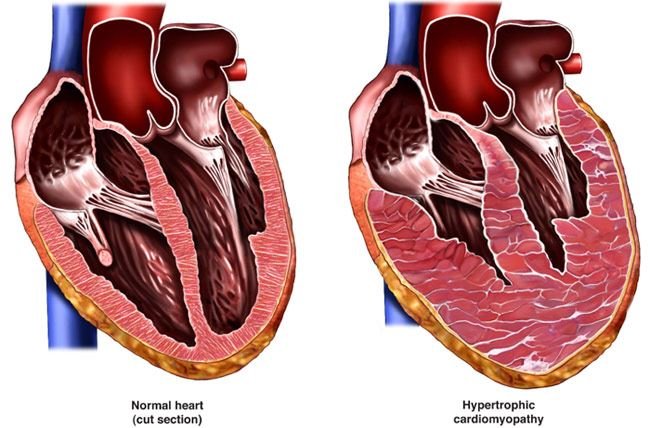
Cardiomyopathies are diseases that affect the heart muscle, making it harder for the heart to pump blood effectively. Inherited cardiomyopathies are caused by genetic mutations that disrupt the normal structure and function of the heart muscle. This can lead to conditions such as hypertrophic cardiomyopathy, dilated cardiomyopathy, and restrictive cardiomyopathy.
Familial Hypercholesterolemia
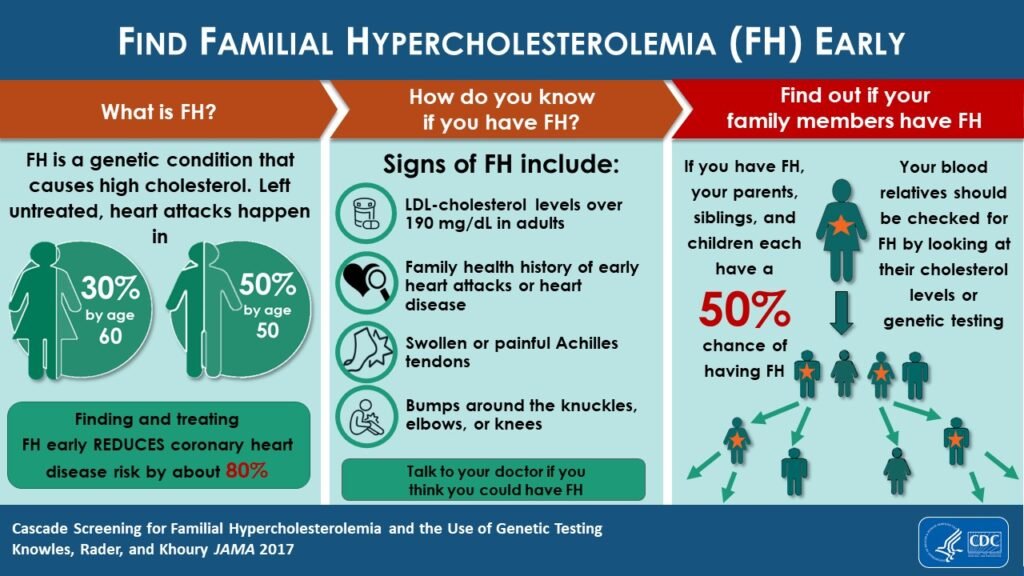
Familial hypercholesterolemia is an inherited condition characterized by high levels of cholesterol in the blood, specifically low-density lipoprotein (LDL) cholesterol. This condition is caused by mutations in genes that regulate cholesterol metabolism, resulting in an increased risk of cardiovascular diseases, such as heart attacks and strokes, at an early age.
Marfan Syndrome
Marfan syndrome is a genetic disorder that affects the connective tissues of the body, including the heart, blood vessels, bones, and eyes. Inherited primarily through autosomal dominant inheritance, Marfan syndrome often leads to abnormalities in the heart valves and aorta, increasing the risk of aortic dissection and other cardiovascular complications.
Understanding Inherited Heart Conditions
Genetic Factors
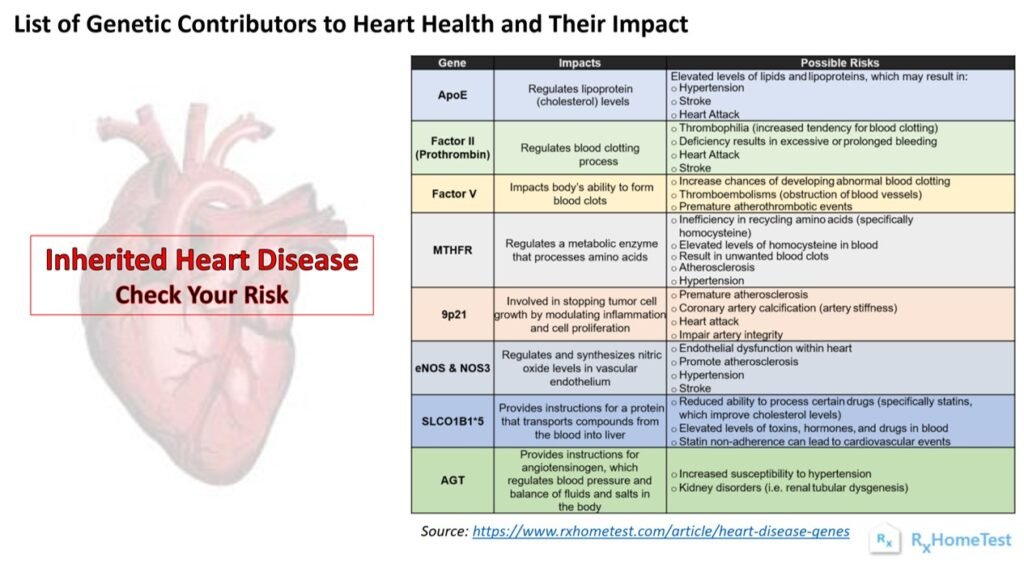
Inherited heart conditions are caused by genetic factors, meaning they are passed down from parents to their children. Specific gene mutations or variations can contribute to the development of these conditions. Understanding the genetic factors involved is crucial in diagnosing, treating, and managing inherited heart conditions.
Risk Factors
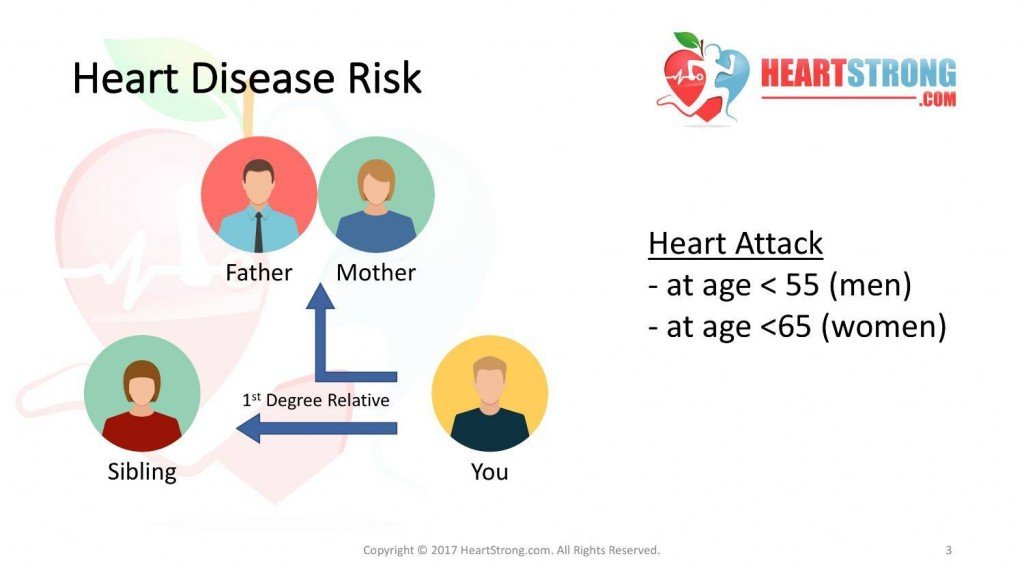
In addition to genetic factors, there are other risk factors that can increase the likelihood of developing inherited heart conditions. These risk factors include a family history of heart disease, advanced age, high blood pressure, high cholesterol levels, smoking, obesity, and a sedentary lifestyle. It is important to be aware of these risk factors and take proactive measures to reduce their impact.
Symptoms
The symptoms of inherited heart conditions can vary depending on the specific condition and its severity. Some common symptoms may include chest pain or discomfort, shortness of breath, fatigue, palpitations, dizziness, fainting, and swelling in the legs, ankles, or abdomen. It is important to recognize these symptoms and seek medical attention promptly for an accurate diagnosis and appropriate treatment.
Diagnosis of Inherited Heart Conditions
Medical History
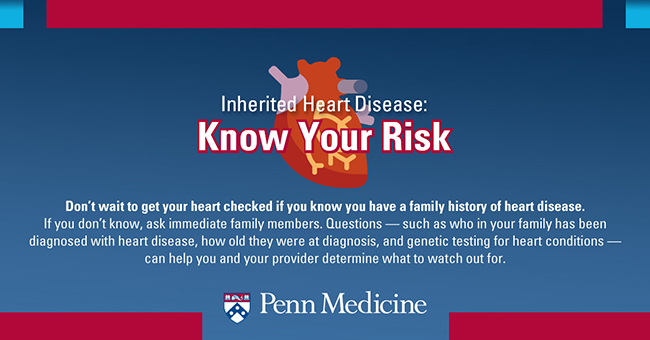
Obtaining a detailed medical history is an essential step in diagnosing inherited heart conditions. This includes information about family history, personal medical history, and any symptoms or concerns the individual may have experienced. Sharing this information with a healthcare professional can help in identifying potential risk factors and guiding further diagnostic tests.
Physical Examination
During a physical examination, a healthcare provider will listen to the heart using a stethoscope and check for any abnormal heart sounds or murmurs. They may also evaluate other physical signs such as cyanosis (bluish discoloration of the skin), clubbing of the fingers, and signs of fluid retention. These examinations help in assessing the overall cardiovascular health and identifying any clues to inherited heart conditions.
Genetic Testing
Genetic testing plays a crucial role in the diagnosis of inherited heart conditions. It involves analyzing a person’s DNA to identify specific genetic mutations or variations associated with these conditions. Genetic testing can help confirm a diagnosis, assess the risk of developing a certain condition, and guide personalized treatment strategies. It is typically performed by a genetic counselor or geneticist.
Electrocardiogram (ECG)
An electrocardiogram, commonly known as an ECG or EKG, is a non-invasive test that measures the electrical activity of the heart. This test involves placing electrodes on the chest, arms, and legs to record the heart’s electrical signals. An ECG can detect arrhythmias, abnormal heart rhythms, and other electrical abnormalities that may indicate an inherited heart condition.
Echocardiogram
An echocardiogram is a type of ultrasound test that uses sound waves to create a detailed image of the heart’s structure and function. This test provides valuable information about the size, shape, and movement of the heart, as well as the functioning of the heart valves. It can help diagnose conditions such as congenital heart defects, cardiomyopathies, and abnormalities of the heart chambers or blood vessels.
Treatment Options for Inherited Heart Conditions
Medications
Medications are commonly used to manage inherited heart conditions. Depending on the specific condition, medications may be prescribed to control blood pressure, reduce cholesterol levels, manage arrhythmias, improve heart function, or prevent blood clots. It is important to follow the prescribed medication regimen and regularly monitor their effectiveness and any potential side effects.
Surgical Procedures
In some cases, surgical procedures may be necessary to treat inherited heart conditions. These procedures aim to correct structural abnormalities, repair or replace damaged heart valves, restore blood flow, or implant devices to regulate heart rhythm. Surgical interventions may include open-heart surgery, catheter-based procedures, bypass surgery, or heart transplantation.
Implantable Devices
Implantable devices, such as pacemakers and implantable cardioverter-defibrillators (ICDs), are used to manage certain inherited heart conditions. Pacemakers help regulate abnormal heart rhythms by sending electrical signals to the heart, ensuring a consistent heartbeat. ICDs are designed to detect and treat life-threatening arrhythmias by delivering electrical shocks or pacing the heart when needed.
Lifestyle Modifications for Inherited Heart Conditions
Healthy Diet
Maintaining a healthy diet is crucial for individuals with inherited heart conditions. A heart-healthy diet includes consuming plenty of fruits, vegetables, whole grains, lean proteins, and healthy fats while limiting the intake of sodium, saturated fats, trans fats, and cholesterol. A dietitian or healthcare professional can provide personalized guidance and recommendations to meet specific dietary needs.
Regular Exercise
Regular physical exercise is beneficial for individuals with inherited heart conditions, but it is crucial to consult with a healthcare professional before starting an exercise regimen. Exercise can help improve cardiovascular health, strengthen the heart muscle, reduce blood pressure, and manage weight. However, the type and intensity of exercise should be tailored to each individual’s condition and capabilities.
Stress Management
Stress can have a negative impact on heart health, so it is important to develop effective stress management techniques. These may include relaxation exercises, mindfulness practices, engaging in hobbies or activities that bring joy, getting enough sleep, and seeking support from loved ones. Managing stress can contribute to overall well-being and help prevent or manage symptoms of inherited heart conditions.
Managing Inherited Heart Conditions in Children
Early Detection and Diagnosis
Early detection and diagnosis of inherited heart conditions in children are crucial for effective management and treatment. Regular pediatric well-visits and screenings help identify any signs or symptoms that may indicate an underlying heart condition. It is important for parents to communicate any family history of heart conditions with the child’s healthcare provider to ensure appropriate monitoring and evaluation.
Pediatric Cardiology
Pediatric cardiologists specialize in diagnosing and treating heart conditions in children. They have expertise in evaluating heart structure and function, performing diagnostic tests, and guiding treatment plans tailored to the specific needs of children with inherited heart conditions. Collaborating with a pediatric cardiologist ensures comprehensive care and the best possible outcomes for children with these conditions.
Long-term Care
Inherited heart conditions require ongoing long-term care and monitoring in children. Regular follow-up appointments with a pediatric cardiologist are essential to assess the heart’s function, monitor growth and development, adjust treatment plans if needed, and address any concerns or questions. A multidisciplinary healthcare team may be involved, including genetic specialists, therapists, and other healthcare professionals, to provide comprehensive care and support.
Pregnancy and Inherited Heart Conditions
Risks and Considerations
Pregnancy can pose certain risks for individuals with inherited heart conditions. The increased demands on the heart during pregnancy can exacerbate symptoms or complications associated with these conditions. It is important to discuss pregnancy plans with a healthcare provider who specializes in managing high-risk pregnancies to assess the risks, review the individual’s specific condition, and establish a suitable plan for prenatal care.
Preconception Counseling
Preconception counseling is essential for individuals with inherited heart conditions who are considering pregnancy. During these counseling sessions, a healthcare professional can provide information about the risks associated with pregnancy, review the individual’s medical history, assess the impact of the condition on pregnancy, and offer guidance on managing the condition during pregnancy. This helps in making informed decisions and ensures the best possible outcomes for both the parent and the baby.
Monitoring and Management during Pregnancy
Individuals with inherited heart conditions require specialized monitoring and management throughout pregnancy. This may include frequent prenatal check-ups, fetal echocardiograms to assess the baby’s heart development, blood pressure monitoring, and adjustments to medications or treatment plans. Open and regular communication with the healthcare team is crucial to address any concerns, manage symptoms, and ensure a healthy pregnancy.
Emotional and Psychological Impact of Inherited Heart Conditions
Coping Strategies
Living with an inherited heart condition can have emotional and psychological impacts on individuals and their families. Developing coping strategies can help manage the challenges and uncertainties associated with these conditions. Engaging in stress-reducing activities, maintaining a positive outlook, seeking support from loved ones or support groups, and staying informed about the condition can contribute to overall emotional well-being.
Support Networks
Building a strong support network is essential for individuals with inherited heart conditions. Connecting with others who have similar experiences can provide a sense of empathy, understanding, and encouragement. Support groups, both in-person and online, can offer opportunities to share experiences, ask questions, and learn from others who have navigated similar journeys. Additionally, friends, family, and healthcare providers can serve as valuable sources of support and reassurance.
Mental Health Support
It is important to address any mental health concerns that may arise due to living with an inherited heart condition. Seeking support from mental health professionals, such as psychologists or counselors, can help individuals manage stress, anxiety, depression, or any other psychological challenges associated with their condition. Mental health support is an integral part of holistic care for individuals with inherited heart conditions.
Prevention and Risk Reduction of Inherited Heart Conditions
Genetic Counseling
Genetic counseling is a valuable resource for individuals and families at risk of inherited heart conditions. Genetic counselors provide information about the genetic basis of these conditions, assess the risk of inheriting or passing on a specific condition, discuss available testing options, and offer guidance about family planning and preventive measures. Genetic counseling helps individuals make informed decisions and understand their genetic risks thoroughly.
Family Screening
Family screening plays a crucial role in identifying individuals who may be at risk of inheriting a heart condition. Genetic tests or other diagnostic tests may be recommended for close relatives of individuals with known heart conditions. Early detection through family screening allows for timely interventions, proactive monitoring, and appropriate management strategies to be implemented.
Cardiovascular Health Promotion
Promoting cardiovascular health is important for individuals with or at risk of inherited heart conditions. This includes adopting heart-healthy behaviors such as maintaining a balanced diet, engaging in regular physical activity, avoiding smoking or exposure to secondhand smoke, managing stress, and controlling other risk factors like hypertension and high cholesterol. These lifestyle modifications contribute to overall cardiovascular well-being and help reduce the risk of complications associated with inherited heart conditions.
Research and Advancements in Inherited Heart Conditions
Gene Therapy
Gene therapy is an exciting field of research that holds promise for the treatment of inherited heart conditions. It involves delivering healthy genes or gene-altering medications to correct or modify the genetic mutations responsible for these conditions. While still in the early stages, ongoing research in gene therapy offers hope for potential breakthroughs in the management and treatment of inherited heart conditions.
Stem Cell Therapy
Stem cell therapy is another area of research that shows potential for the treatment of inherited heart conditions. Stem cells can be used to regenerate damaged heart tissue and promote the growth of healthy cells. This novel approach may help restore normal heart function in individuals with cardiomyopathies or other inherited heart conditions. However, further research is needed to establish the safety and effectiveness of stem cell therapy for these conditions.
Precision Medicine
Precision medicine, also known as personalized medicine, involves tailoring medical treatments and interventions based on an individual’s specific genetic makeup, environment, and lifestyle. This approach holds promise for the management of inherited heart conditions by providing targeted therapies and interventions based on an individual’s unique genetic profile. With ongoing advancements in genetic testing and understanding of genetic factors, precision medicine offers the potential for more precise and effective treatments.
In conclusion, understanding and managing inherited heart conditions require comprehensive knowledge of the different types of conditions, their genetic and environmental factors, and appropriate diagnosis and treatment options. Genetic factors play a significant role in the development of inherited heart conditions, and it is important to identify and address any risk factors. Diagnosis involves medical history, physical examination, genetic testing, electrocardiograms, and echocardiograms. Treatment options include medications, surgical procedures, and implantable devices. Lifestyle modifications such as maintaining a healthy diet, regular exercise, and stress management are crucial for managing these conditions. In children, early detection, pediatric cardiology, and long-term care are essential. Pregnancy and inherited heart conditions require careful monitoring and considerations. The emotional and psychological impact of these conditions should not be overlooked, and support networks and mental health support are invaluable. Prevention and risk reduction involve genetic counseling, family screening, and promoting cardiovascular health. Ongoing research advancements in gene therapy, stem cell therapy, and precision medicine provide hope for future treatments and management strategies. With comprehensive understanding and multidisciplinary care, individuals with inherited heart conditions can lead fulfilling lives while managing their heart health effectively.