
Is sleeping becoming a nightly struggle for you? If so, you’re not alone. Insomnia, a common sleep disorder characterized by difficulty falling asleep or staying asleep, affects millions of people worldwide. This article aims to help you gain a better understanding of insomnia, exploring its causes, symptoms, and potential treatment options. So, if you’re tired of tossing and turning at night, read on to uncover some valuable insights that could finally lead you to a peaceful and restful slumber.
Understanding Insomnia
If you’re having trouble sleeping, you’re not alone. Insomnia, a common sleep disorder, affects millions of people worldwide. By understanding what insomnia is, its causes, symptoms, effects, and treatment options, you can take steps towards improving your sleep and overall well-being.
Definition of Insomnia
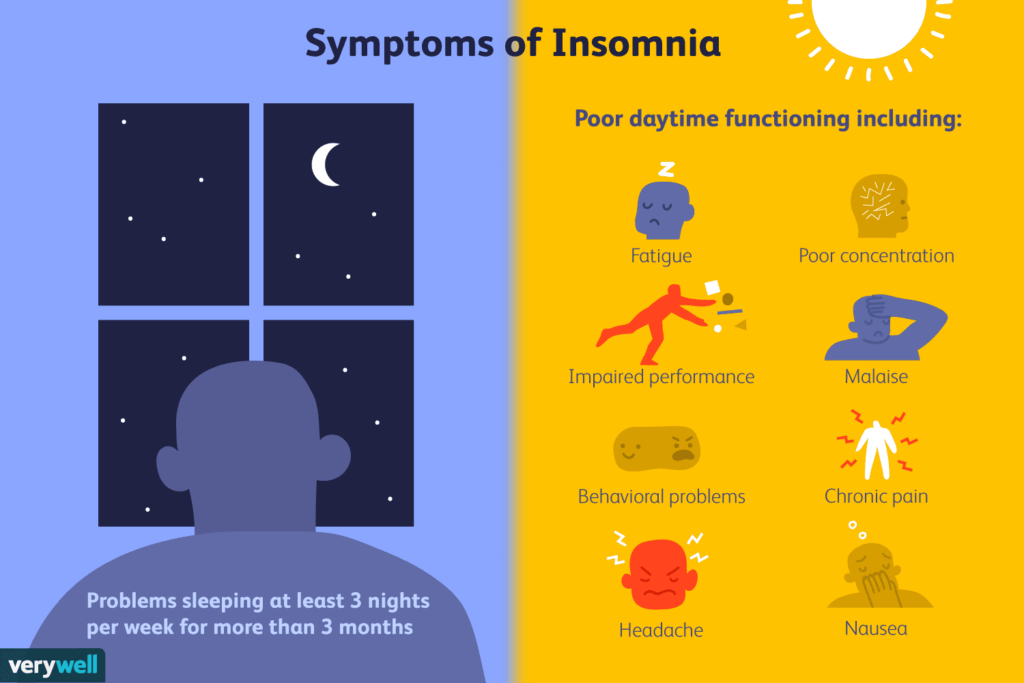
Insomnia is characterized by difficulty falling asleep, staying asleep, or both. This condition can lead to inadequate sleep, leaving you feeling tired, irritable, and unfocused during the day. Insomnia can be acute, lasting for a short period, or chronic, persisting for a month or longer.
Types of Insomnia
There are two primary types of insomnia: primary and secondary. Primary insomnia is not linked to any other health conditions or factors, whereas secondary insomnia is caused by underlying issues such as medical conditions, medications, substance abuse, or mental health disorders.

Causes of Insomnia
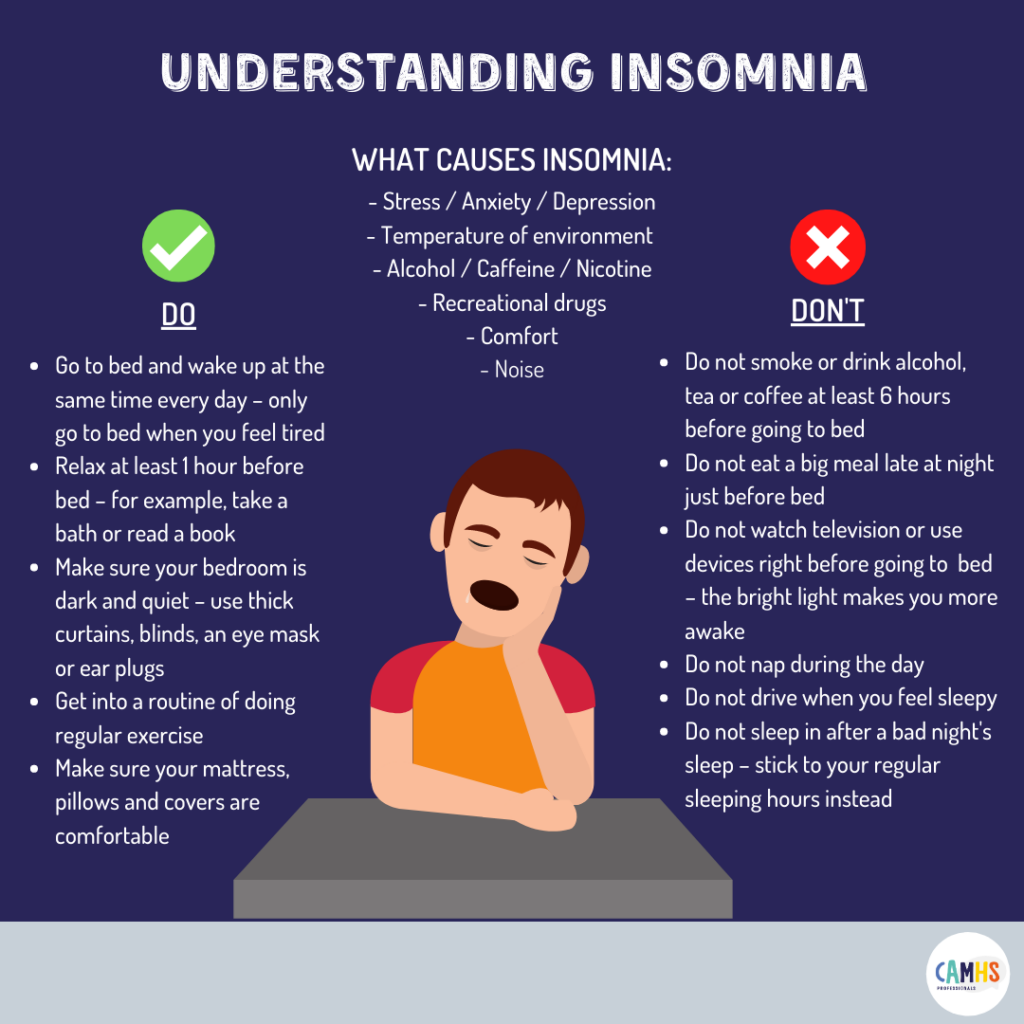
Insomnia can have numerous causes. Stress and anxiety are common culprits, as they often disrupt sleep patterns and make it difficult to unwind. Certain medical conditions, such as chronic pain, asthma, or gastrointestinal issues, can also contribute to insomnia. Additionally, lifestyle choices like caffeine consumption, irregular sleep schedules, and excessive screen time can disrupt your body’s natural sleep-wake cycle.
Symptoms of Insomnia
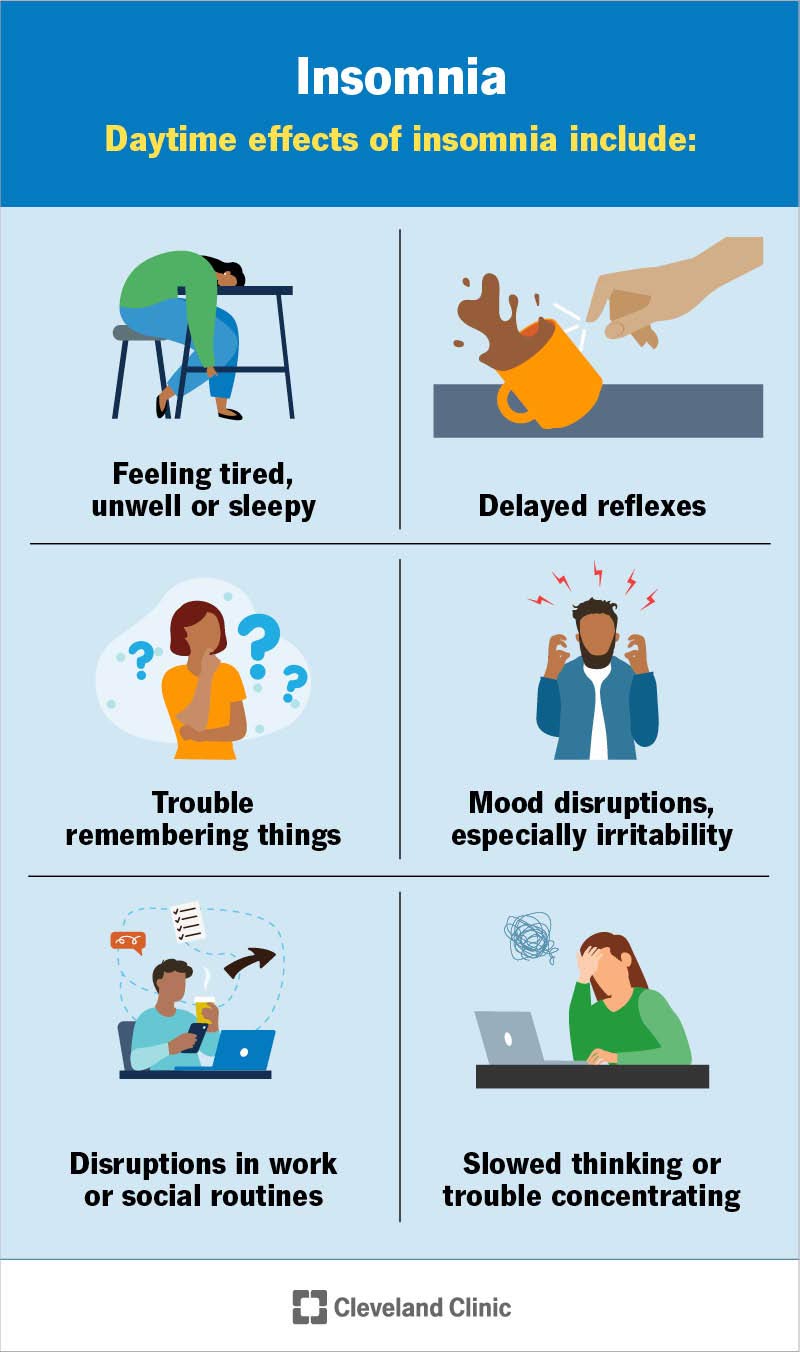
Recognizing the symptoms of insomnia is essential in managing and seeking appropriate treatment. Common signs include difficulty falling asleep, waking up frequently during the night, waking up too early and not being able to fall back asleep, feeling tired upon waking, daytime fatigue, reduced concentration, irritability, and mood disturbances.
Effects of Insomnia
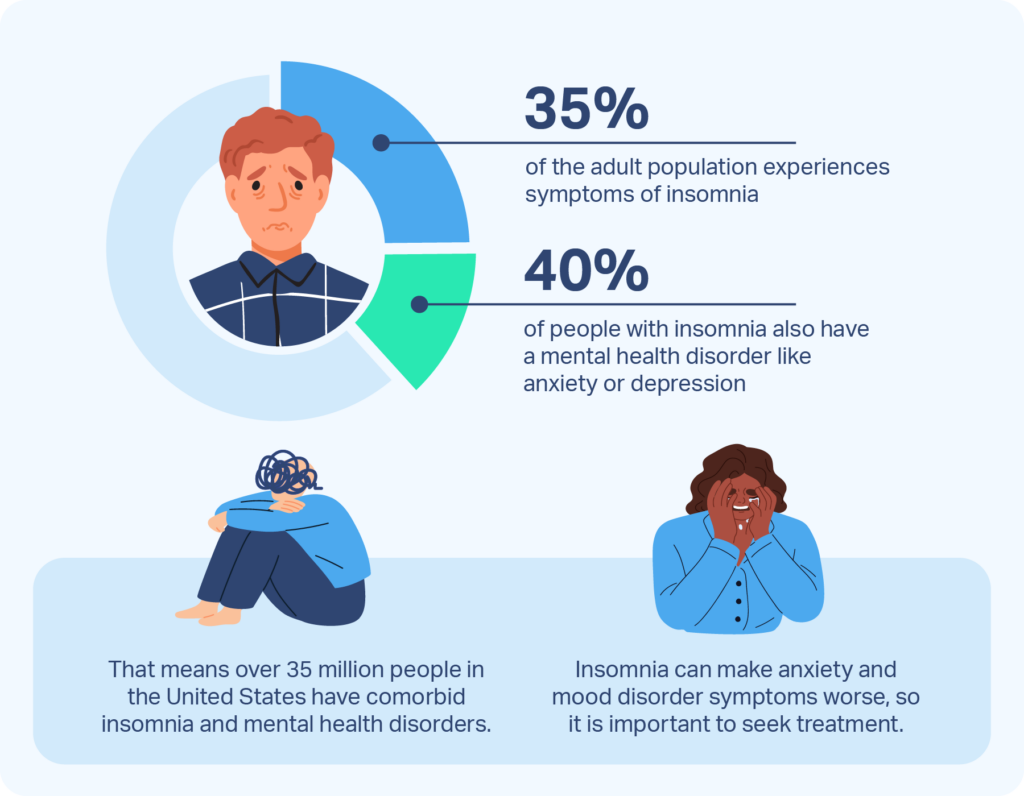
The effects of insomnia extend beyond mere tiredness. Chronic sleep deprivation can have a significant impact on your physical and mental health. It can weaken your immune system, increase the risk of developing chronic conditions such as diabetes or heart disease, and impair cognitive function, memory, and decision-making abilities. Insomnia can also negatively affect your mood, leading to increased levels of stress, anxiety, and depression.
Diagnosing Insomnia
Diagnosing insomnia involves a thorough evaluation of your sleep patterns and medical history. Your healthcare provider may ask you to keep a sleep diary, which entails recording your sleep habits, patterns, and any related symptoms. They may also conduct a physical examination or recommend specialized sleep tests, such as a polysomnography or a multiple sleep latency test, to observe your sleep patterns and rule out any underlying sleep disorders.
Treating Insomnia
Treating insomnia often involves a multimodal approach tailored to each individual’s needs. Lifestyle changes and behavioral therapies are typically the first line of treatment. Adopting good sleep hygiene practices, such as maintaining a consistent sleep schedule, creating a relaxing bedtime routine, and ensuring a comfortable sleep environment, can significantly improve your sleep quality. Cognitive-behavioral therapy for insomnia (CBT-I) is also an effective non-pharmacological treatment option that addresses the underlying thoughts and behaviors affecting sleep.
In some cases, medications may be prescribed to help manage insomnia. These can include over-the-counter sleep aids, herbal supplements, or prescription medications such as sedatives or hypnotics. However, it’s important to use medication under the guidance of a healthcare professional and only as a short-term solution, as they can have side effects and may not address the underlying causes of insomnia.
Coping Strategies for Insomnia
In addition to medical interventions, there are several coping strategies you can employ to improve your sleep and manage insomnia. Relaxation techniques, such as deep breathing exercises, meditation, or progressive muscle relaxation, can help calm your mind and promote better sleep. Avoiding stimulating activities or substances close to bedtime, such as vigorous exercise, caffeine, or nicotine, can also facilitate falling asleep more easily. Creating a sleep-conducive environment by keeping your bedroom quiet, dark, and at a comfortable temperature can further enhance the quality of your sleep.
Prevention of Insomnia
While it may not always be possible to prevent every case of insomnia, adopting healthy sleep habits can reduce the risk and help maintain a consistent sleep routine. Establishing a regular sleep schedule, limiting daytime napping, and avoiding stimulating substances or activities close to bedtime can promote better sleep hygiene. It’s also important to manage stress effectively through relaxation techniques, exercise, or seeking support from loved ones or a mental health professional.
Seeking Professional Help for Insomnia
If you continue to experience persistent insomnia despite implementing lifestyle changes and coping strategies, it’s essential to seek professional help. Consult with your healthcare provider or a sleep specialist who can accurately diagnose and provide appropriate treatment options. They can assess any underlying medical or psychological conditions, prescribe medications if necessary, or recommend therapies such as CBT-I to address the root causes of your insomnia.
Remember, you don’t have to live with the effects of insomnia. With the right understanding, treatment, and support, you can improve your sleep, enhance your overall well-being, and regain control over your nights. Sweet dreams await!