
Insects are amazing creatures, but their bites can sometimes have unwanted consequences. In this article, we will explore the importance of identifying and avoiding allergic reactions when it comes to insect bites. By understanding the signs of an allergic reaction and taking necessary precautions, you can enjoy the great outdoors without the worry of a pesky bug bite turning into a health concern. So grab your bug spray and let’s dive into the world of insect bites and allergies!

Identifying Allergic Reactions to Insect Bites
Insect bites can sometimes lead to allergic reactions, causing discomfort and potential health risks. It is essential to be able to identify these reactions to take appropriate measures. Allergic reactions to insect bites can manifest in various symptoms, including itching, redness, swelling, and even difficulty breathing. Identifying these symptoms is crucial to determine if you are experiencing an allergic reaction or a normal insect bite.
Symptoms of an Allergic Reaction
When it comes to identifying an allergic reaction to an insect bite, there are specific symptoms to watch out for. These symptoms can include:
-
Itching: Mild itching is common with insect bites. However, if the itching becomes intense or spreads to other parts of your body, it could indicate an allergic reaction.
-
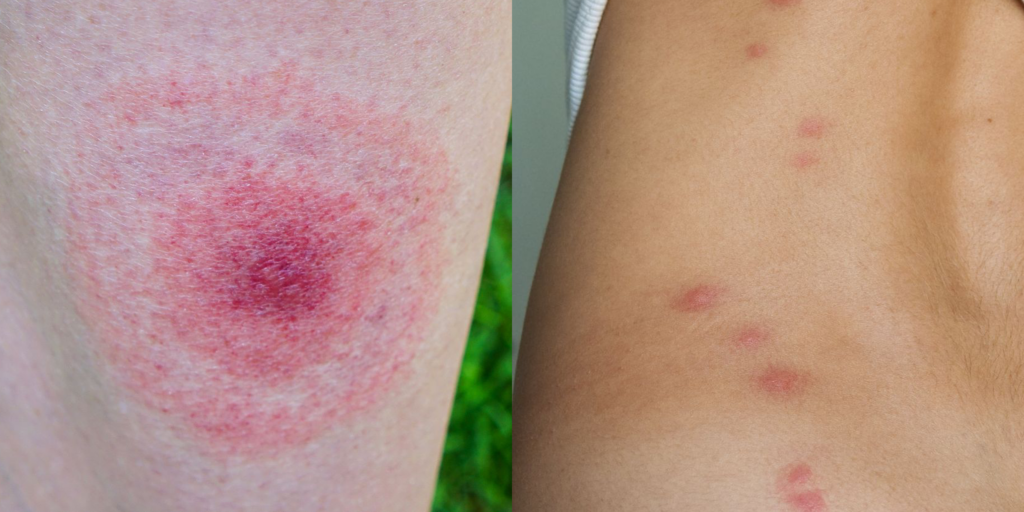
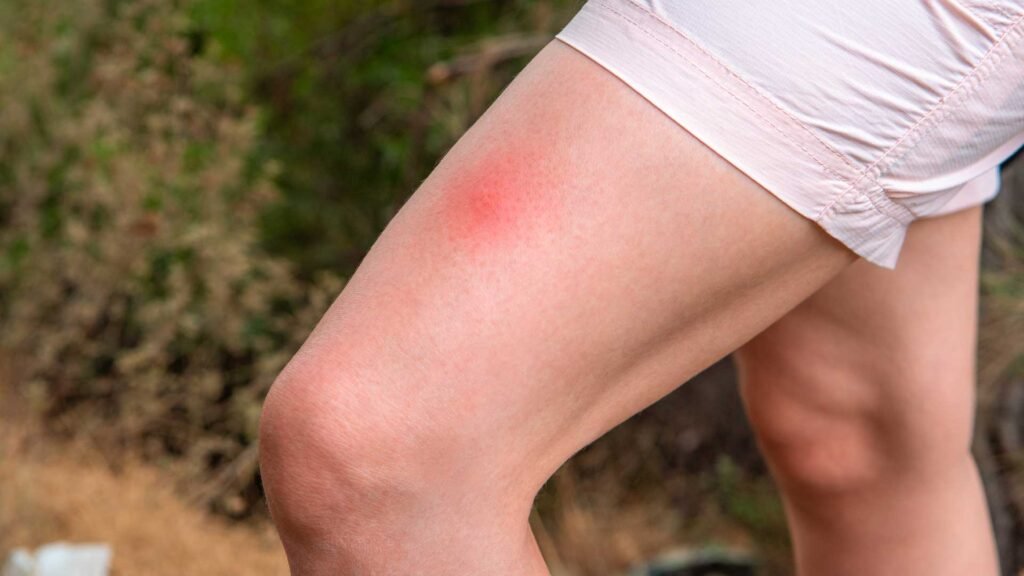
Redness and Swelling: Allergic reactions often cause redness and swelling at the site of the insect bite. If the swelling extends beyond the immediate area of the bite or if it worsens over time, it may be an allergic reaction.
-
Hives: Raised, itchy bumps (hives) that develop on your skin after an insect bite may indicate an allergic reaction.
-
Difficulty Breathing: In severe cases, an allergic reaction to an insect bite can cause difficulty breathing, wheezing, or shortness of breath. This is a medical emergency and requires immediate attention.
Types of Insects That Cause Allergic Reactions
Various insects can trigger allergic reactions in susceptible individuals. Some common insects known to cause allergic reactions include:
-
Mosquitoes: Mosquito bites are not only irritating but can also trigger allergic reactions in some people.
-
Bees and Wasps: Bee and wasp stings commonly cause allergic reactions. These reactions can range from mild to severe and, in rare cases, may be life-threatening.
-
Ticks: In addition to the risk of transmitting diseases, tick bites can also cause allergic reactions in some individuals.
-
Spiders: Certain spider bites, such as those from brown recluse spiders or black widow spiders, can lead to allergic reactions.
Distinguishing Allergic Reactions from Normal Insect Bites
Differentiating between allergic reactions and normal insect bites can be challenging, especially for those who are experiencing allergic reactions for the first time. However, there are a few factors to consider when trying to determine the nature of your reaction:
-
Intensity of Symptoms: Allergic reactions tend to cause more intense symptoms compared to normal insect bites. If your symptoms are severe or worsen rapidly, it may indicate an allergic reaction.
-
Systemic Symptoms: Allergic reactions often involve systemic symptoms, such as hives, difficulty breathing, or dizziness. These symptoms are less likely to occur with a normal insect bite.
-
Timing: Allergic reactions typically occur shortly after the insect bite, within minutes or a few hours. On the other hand, normal insect bites may take longer to show noticeable symptoms.
-
Previous Allergic Reactions: If you have previously experienced allergic reactions to insect bites or stings, there is a higher likelihood that your current symptoms are an allergic reaction.
Avoiding Allergic Reactions to Insect Bites
Prevention is key when it comes to avoiding allergic reactions to insect bites. By taking certain precautions and implementing preventive measures, you can significantly reduce the chances of experiencing an allergic reaction.
Prevention Tips
Here are some general prevention tips to help minimize the risk of insect bites:
-
Avoid Perfumes and Bright Colors: Some insects are attracted to perfumes and bright-colored clothing. By avoiding strong fragrances and opting for light-colored clothes, you can reduce the chances of insect attraction.
-
Avoid Stagnant Water: Mosquitoes tend to breed in stagnant water. By eliminating or minimizing sources of standing water around your home, you can lower the mosquito population in your vicinity.
-
Avoid Exposure During Peak Activity: Different insects are active at different times of the day. For example, mosquitoes are most active during dawn and dusk, while bees and wasps are more active during daylight hours. By avoiding outdoor activities during peak insect activity times, you can decrease your exposure to insect bites.
Protective Clothing and Insect Repellents
Wearing appropriate clothing and using insect repellents can offer an extra layer of protection against insect bites. Consider the following tips:
-
Cover Exposed Skin: When venturing into insect-prone areas, wear long sleeves, long pants, socks, and closed-toe shoes to limit the amount of exposed skin.
-
Apply Insect Repellent: Use insect repellents containing DEET, picaridin, or natural alternatives like lemon eucalyptus oil. Apply them according to the instructions provided to repel insects effectively.
Avoiding High-Risk Areas
Identifying and avoiding high-risk areas for insect bites can significantly reduce your chances of encountering allergenic insects.
-
Stay Away from Brush and Tall Grass: Insects like ticks and spiders often reside in tall grass or brushy areas. Avoid walking through these areas whenever possible.
-
Be Cautious Near Hives and Nests: Bees and wasps are protective of their hives and nests. Keep a safe distance and avoid provoking these insects.
Taking Precautions at Home
While most insect bites occur outdoors, it’s essential to take precautions to minimize the risk of insects entering your home. Consider the following measures:
-
Seal Entry Points: Inspect your windows, doors, and other entry points for potential gaps. Seal them properly to prevent insects from entering your home.
-
Install Screens and Nets: Use window screens and netting over doors or windows to prevent insects from coming indoors while still allowing for ventilation.
Treatment for Allergic Reactions to Insect Bites
If you do experience an allergic reaction to an insect bite, it is crucial to take the appropriate measures to treat the symptoms promptly.
First Aid Measures
Immediate first aid can help alleviate allergic reaction symptoms. Follow these steps:
-
Remove the Stinger: In the case of bee or wasp stings, gently scrape the stinger away from your skin using a blunt object like a credit card. Avoid squeezing the stinger, as it may release more venom.
-
Clean the Area: Clean the affected area with mild soap and water to reduce the risk of infection.
Over-the-Counter Medications
Over-the-counter medications can help alleviate mild to moderate allergic reaction symptoms. Some options include:
-
Antihistamines: Oral antihistamines like diphenhydramine (Benadryl) can help reduce itching, swelling, and redness caused by an allergic reaction.
-
Topical Creams and Ointments: Hydrocortisone creams or calamine lotions can provide relief from itching and help reduce inflammation.
Prescription Medications
In severe cases, your doctor may prescribe stronger medications to manage allergic reaction symptoms. These may include:
-
Oral Corticosteroids: These medications can help reduce inflammation and severe allergic reactions. They are typically prescribed for short-term use.
-
Epinephrine Auto-Injectors: If you have a severe allergy to insect bites, your doctor may prescribe an epinephrine auto-injector. This allows you to self-administer the medication in case of a severe allergic reaction, known as anaphylaxis.
Emergency Medical Assistance
If you are experiencing a severe allergic reaction or anaphylaxis, it is crucial to seek emergency medical assistance immediately. Call emergency services or go to the nearest emergency room without delay.
Natural Remedies for Allergic Reactions to Insect Bites
While medical treatments are often necessary for allergic reactions, some natural remedies may offer temporary relief from symptoms:
Aloe Vera
Aloe vera gel has soothing properties and can help reduce itching and inflammation caused by insect bites. Apply a thin layer of aloe vera gel directly to the affected area for relief.
Calamine Lotion
Calamine lotion has been used for decades to relieve itching caused by insect bites. Apply a small amount of calamine lotion to the affected area and let it dry. Reapply as needed.
Tea Tree Oil
Tea tree oil has anti-inflammatory and antiseptic properties, making it useful for relieving allergic reactions. Dilute tea tree oil with a carrier oil, such as coconut oil, and apply it to the affected area.
Honey
Honey has natural antibacterial properties and can help reduce itching and inflammation. Apply a small amount of honey directly to the insect bite and cover it with a clean bandage.
Ice Packs
Cold compresses or ice packs can help reduce swelling and numb the area. Wrap an ice pack in a thin cloth and apply it to the insect bite for around 10 to 15 minutes at a time.
Identifying Specific Insect Bites
Different insect bites can have distinct characteristics. Recognizing these characteristics can assist in identifying the culprit and seeking appropriate treatment.
Mosquito Bites
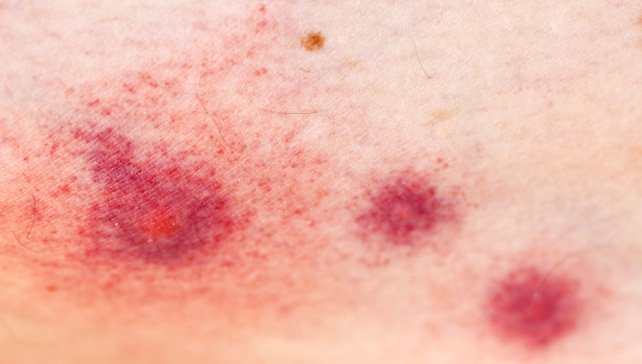
Mosquito bites typically appear as small, itchy bumps that are surrounded by a reddened area. Mosquito bites tend to be more common during warmer months and are often found in exposed areas of the skin.
Bee and Wasp Stings
Bee and wasp stings usually cause immediate pain, redness, and swelling at the site of the sting. In some cases, a small white spot may develop where the stinger entered the skin.
Tick Bites
Tick bites are often painless and can go unnoticed. If you notice a small, red bump accompanied by flu-like symptoms after spending time outdoors, it may be a tick bite.
Spider Bites
Spider bites can produce various reactions depending on the species of spider. Brown recluse spider bites, for example, may result in a bullseye-like appearance with a central blister, while black widow spider bites can cause severe pain, muscle cramps, and nausea.
Precautions for Individuals with Known Allergies
If you have a known allergy to insect bites, taking specific precautions can help ensure your safety.
Carrying Medications and Allergy Identification
Always carry your prescribed medications, such as epinephrine auto-injectors, when venturing into areas with a higher risk of insect bites. Additionally, wearing a medical identification bracelet or necklace can alert others to your allergy in case of an emergency.
Informing Others About Your Allergy
Make sure that close friends, family members, coworkers, or school personnel are aware of your insect bite allergy. This way, they can take appropriate action if you experience an allergic reaction when they are present.
Emergency Action Plan
Work with your healthcare provider to create an emergency action plan. This plan should outline the steps to take in case of an allergic reaction, including when and how to administer medications, and when to seek emergency medical assistance.
Tips for Identifying and Avoiding Insect Bites
Being proactive in identifying and avoiding insect bites can significantly reduce your risk of a reaction.
Recognizing Insect Habitats
Learn about the habitats of common insects in your area. This knowledge can help you identify potential risk areas and avoid them when possible.
Using Insect Repellent
Apply insect repellent containing DEET, picaridin, or other recommended active ingredients before going outdoors, especially in insect-prone areas.
Wearing Protective Clothing
Cover exposed skin by wearing clothing that minimizes skin exposure. Opt for long sleeves, long pants, socks, and closed-toe shoes.
Covering Food and Drinks
When outdoors, cover open food and drinks to prevent insects from coming into contact with them. This reduces the risk of ingesting or being bitten by insects.
Preventing Insect Bites at Home
While you may not have complete control over insects in your environment, there are steps you can take to minimize their presence around your home.
Maintaining Cleanliness
Regularly clean your home, removing any food debris or residues that may attract insects. Keep trash cans tightly sealed and dispose of garbage promptly.
Sealing Entry Points
Inspect your home for potential entry points for insects. Seal gaps and cracks in windows, doors, and other openings to prevent insects from getting inside.
Using Screens and Nets
Install screens on windows and doors to keep insects from entering your home while still allowing fresh air to circulate. Use bed nets to protect yourself from mosquito bites while sleeping.
Keeping Outdoor Spaces Clear
Clear any piles of leaves, grass clippings, and debris around your home, as these can serve as breeding grounds for insects. Trim bushes and trees away from the structure to minimize insect habitats.
Common Myths about Insect Bites and Allergic Reactions
There are several misconceptions surrounding insect bites and allergic reactions. It’s essential to debunk these myths for a better understanding of the topic.
Insect Bite Allergies Are Rare
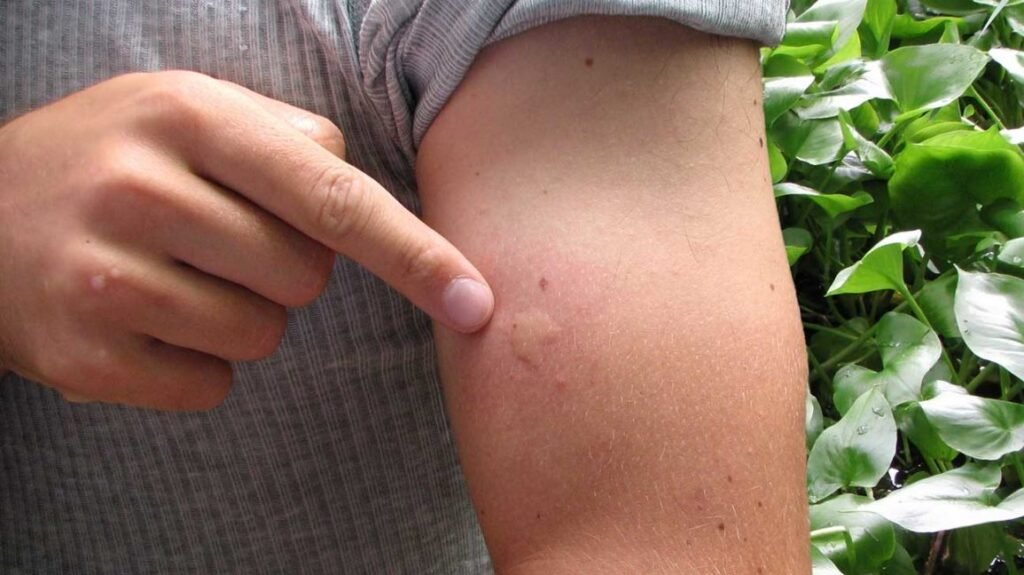
Contrary to popular belief, insect bite allergies are not as rare as they might seem. Many people experience allergic reactions to insect bites, including mosquitos, bees, wasps, ticks, and spiders.
Only Certain Insects Can Cause Allergic Reactions
While some insects are more commonly associated with allergic reactions, allergies can develop to a wide range of insect bites. It is essential to be vigilant and take precautions regardless of the insect species.
Scratching an Insect Bite Relieves Itching
Though scratching might provide temporary relief, it can actually make the itching worse and increase the risk of infection. It’s best to avoid scratching and instead use appropriate treatments to alleviate itching.
Conclusion
Identifying and avoiding allergic reactions to insect bites is crucial for your well-being. By recognizing the symptoms, understanding preventive measures, and being prepared with necessary medications and knowledge, you can protect yourself from the discomfort and potential dangers associated with these reactions. Remember to seek medical attention for severe allergic reactions and follow professional advice for proper treatment and preventive strategies. With proper care and precautions, you can enjoy the outdoors while minimizing the risk of allergic reactions to insect bites.