
Jaundice can be a concerning condition, causing yellowing of the skin and eyes. However, there are simple lifestyle changes you can make to prevent it. By prioritizing regular exercise, maintaining a healthy diet, and staying hydrated, you can greatly reduce your risk of developing jaundice. Additionally, avoiding excessive alcohol consumption and practicing safe sex are also important factors in preventing this condition. With these easy lifestyle changes, you can take proactive steps towards maintaining your health and well-being.
Understanding Jaundice
What is jaundice?
Jaundice is a condition characterized by the yellowing of the skin and eyes, caused by an excess buildup of bilirubin in the body. Bilirubin is a yellow pigment produced when red blood cells break down. Typically, the liver removes bilirubin from the bloodstream and it passes through the digestive system. However, in cases of jaundice, the liver is unable to efficiently process bilirubin, leading to its accumulation in the body.
Causes of jaundice
There are several potential causes of jaundice, ranging from liver diseases and disorders to certain medical conditions and lifestyle choices. Hepatitis, alcohol-related liver disease, liver cirrhosis, gallstones, and certain medications can all contribute to the development of jaundice. Additionally, conditions like Gilbert’s syndrome and hemolytic anemia can also cause elevated levels of bilirubin and jaundice.
Symptoms of jaundice
Common symptoms of jaundice include yellowing of the skin and eyes, pale-colored stools, dark urine, fatigue, abdominal pain, nausea, and vomiting. Some individuals may also experience itching, fever, and weight loss. It’s important to note that the severity and combination of symptoms can vary depending on the underlying cause of jaundice.
Importance of Preventing Jaundice
Overview of the consequences
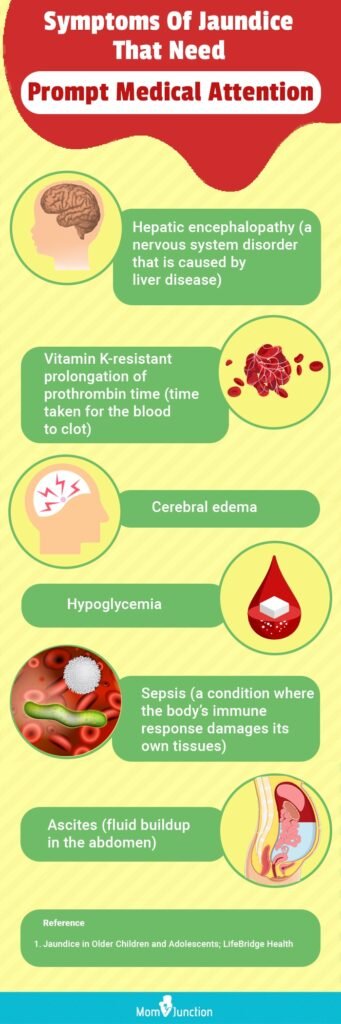
Preventing jaundice is crucial as it can lead to serious complications if left untreated. Prolonged and untreated jaundice can result in liver damage, liver failure, and even death in severe cases. It is also important to address the underlying cause of jaundice to prevent any further complications associated with the specific condition or disease causing it.
Benefits of prevention
By taking preventive measures, you can reduce the risk of developing jaundice and the associated health complications. Prevention helps maintain the overall health and functioning of the liver, which plays a vital role in filtering toxins from the body, aiding digestion, and producing essential proteins. By taking steps to prevent jaundice, you can ensure the optimal functioning of your liver and maintain good overall health.
Reducing healthcare burden
Preventive measures not only have individual health benefits but also contribute to reducing the burden on healthcare systems. By focusing on prevention and adopting healthy lifestyle choices, individuals can potentially reduce the need for medical interventions, hospitalizations, and long-term treatments related to jaundice and its underlying causes. This, in turn, helps alleviate the strain on healthcare resources and promotes a more sustainable healthcare system.

Maintaining a Healthy Diet
Reducing alcohol consumption
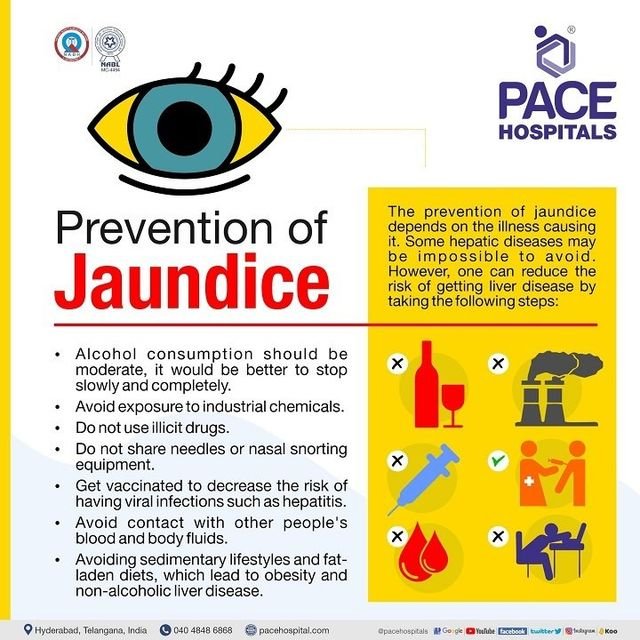
Excessive alcohol consumption can have detrimental effects on liver health and contribute to the development of jaundice. By limiting alcohol intake or abstaining completely, you can significantly reduce the risk of alcohol-related liver diseases and disorders. It is recommended to follow national guidelines for moderate alcohol consumption or seek professional advice if you are struggling with alcohol dependency.
Avoiding fatty and processed foods
A diet rich in unhealthy fats and processed foods can increase the risk of developing liver diseases, including jaundice. It is important to limit the consumption of fried foods, sugary snacks, processed meats, and high-calorie beverages. Instead, focus on consuming a balanced diet that includes lean proteins, whole grains, and plenty of fruits and vegetables.
Emphasizing on fruits and vegetables
Including a variety of fruits and vegetables in your daily diet not only provides essential vitamins and nutrients but also supports liver health. Fruits and vegetables are rich in antioxidants, fiber, and other beneficial compounds that help protect the liver from oxidative stress and promote its overall function. Aim to incorporate a colorful assortment of fruits and vegetables in your meals for optimal liver health.
Eating high-fiber foods
A diet high in fiber is beneficial for maintaining a healthy digestive system and reducing the risk of various liver diseases, including jaundice. Whole grains, legumes, fruits, vegetables, and nuts are excellent sources of fiber. Consuming fiber-rich foods helps regulate digestion, promote gut health, and prevent the buildup of toxins in the body. Aim for the recommended daily intake of fiber to support your liver and overall well-being.
Staying Hydrated
Benefits of hydration
Proper hydration is essential for maintaining optimal liver function and overall health. Drinking an adequate amount of water helps flush out toxins from the body, including bilirubin. It also supports digestion, promotes healthy blood circulation, and aids in maintaining a balanced body temperature. Staying hydrated is crucial in preventing dehydration-related complications and ensuring the efficient functioning of various bodily systems.
Recommended daily fluid intake
The recommended daily fluid intake varies depending on various factors such as age, gender, activity level, and climate. However, a general guideline is to consume at least 8-10 glasses of water per day. It is important to listen to your body’s thirst cues and drink water accordingly. Additionally, consider increasing fluid intake during physical activity or in hot weather to compensate for the loss of fluids through sweat.
Drinking water regularly
To maintain hydration throughout the day, it is important to establish regular water-drinking habits. Start your day with a glass of water and keep a water bottle handy to sip on throughout the day. Setting reminders or incorporating water breaks into your daily routine can help ensure you are staying properly hydrated. Remember, even mild dehydration can have negative effects on overall health, including liver function.
Limiting sugary and caffeinated beverages
While it’s important to drink an adequate amount of fluids, it is crucial to avoid excessive consumption of sugary and caffeinated beverages. These beverages can dehydrate the body and add unnecessary calories. Instead, opt for water, herbal teas, and naturally flavored drinks to quench your thirst and support optimal liver function.
Regular Exercise Routine
Importance of physical activity
Regular physical activity is essential for maintaining good overall health, including liver health. Exercise helps improve blood flow, strengthens the immune system, and promotes the efficient functioning of various organs, including the liver. Engaging in regular exercise routines can reduce the risk of developing liver diseases, including jaundice, by promoting weight management and reducing inflammation.
Cardiovascular exercises
Cardiovascular exercises, such as brisk walking, jogging, swimming, and cycling, play a crucial role in improving heart health and promoting overall fitness. These exercises increase the heart rate, improve blood circulation, and help burn calories. By incorporating at least 150 minutes of moderate-intensity cardio exercises into your weekly routine, you can support liver health and reduce the risk of jaundice.
Strength training
Strength training exercises, such as weightlifting, resistance band workouts, and bodyweight exercises, help build muscle mass and improve overall strength. These exercises contribute to weight management, enhance metabolism, and support the overall functioning of the body, including the liver. Consider including two to three strength training sessions per week to maintain a well-rounded exercise routine.
Incorporating regular movement in daily life
In addition to scheduled exercise sessions, it is important to incorporate regular movement throughout your daily life. This can include activities such as taking the stairs instead of the elevator, going for short walks during your breaks, and performing light stretching or desk exercises while working. These small lifestyle changes can make a significant difference in promoting liver health and overall well-being.
Maintaining a Healthy Weight
Link between obesity and jaundice
Obesity is a significant risk factor for several liver diseases, including jaundice. Excess weight can contribute to fat accumulation in the liver, leading to a condition known as non-alcoholic fatty liver disease (NAFLD). NAFLD can progress to more severe forms, such as non-alcoholic steatohepatitis (NASH), which can cause liver inflammation and impair liver function. Maintaining a healthy weight is essential in reducing the risk of obesity-related liver diseases and preventing jaundice.
Setting realistic weight loss goals
If you are overweight or obese, it is important to set realistic weight loss goals to promote overall health and prevent the risk of jaundice. Gradual and sustainable weight loss is recommended, aiming for a loss of 1-2 pounds per week. Consult with a healthcare professional or a registered dietitian to create a personalized weight loss plan that includes a balanced diet and regular physical activity.
Healthy weight management strategies
In addition to setting weight loss goals, adopting healthy weight management strategies is crucial in preventing jaundice. These include portion control, mindful eating, regular physical activity, and incorporating healthy food choices into your diet. It’s important to focus on long-term lifestyle changes rather than quick-fix diets, as sustainable habits are key to maintaining a healthy weight and reducing the risk of jaundice.
Seeking professional guidance
If you are struggling with weight management or have concerns about your health, it is advisable to seek guidance from a healthcare professional or a registered dietitian. They can provide personalized advice, create a tailored plan, and offer valuable support in your journey towards achieving and maintaining a healthy weight. Professional guidance can help ensure you make informed decisions and take the necessary steps to prevent jaundice.
Avoiding Harmful Substances
Effects of smoking on liver health
Smoking has been linked to various health conditions, including liver damage and an increased risk of developing jaundice. The harmful chemicals present in cigarettes can directly affect the liver’s ability to filter toxins and regulate metabolism. By quitting smoking or avoiding exposure to secondhand smoke, you can significantly reduce the risk of liver diseases and jaundice.
Avoiding exposure to toxins
Exposure to toxins, such as chemicals, heavy metals, and pollutants, can have a detrimental effect on liver health and contribute to the development of jaundice. Taking precautions to minimize exposure to harmful substances, both at home and at work, is crucial. Wearing protective clothing, following safety guidelines, and ensuring proper ventilation in work environments are important steps in preventing liver damage and reducing the risk of jaundice.
Limiting medication use
Certain medications, when used improperly or without proper medical supervision, can cause liver damage and lead to jaundice. It is important to follow the prescribed dosage, avoid self-medication, and consult with healthcare professionals before starting any new medications. They can assess the potential risks and provide guidance on the safe use of medications to protect liver health.
Discussing alternatives with healthcare provider
If you are taking medications that have the potential to affect liver function, it may be beneficial to discuss alternative options with your healthcare provider. They can explore alternative medications or therapies that may have a lower risk of liver-related side effects. Open communication with your healthcare provider is important in making informed decisions about your treatment plan and minimizing the potential impact on liver health.
Vaccination for Hepatitis
Importance of hepatitis vaccines
Hepatitis is a viral infection that can lead to liver inflammation, liver damage, and, in some cases, jaundice. Vaccination against hepatitis A and B is highly recommended to prevent these infections and reduce the risk of jaundice. Hepatitis A is primarily transmitted through contaminated food and water, while hepatitis B is spread through bodily fluids. Vaccinations provide long-term protection against these viral infections and play a significant role in preventing jaundice caused by hepatitis.
Recommended vaccination schedules
The recommended vaccination schedules for hepatitis A and B vary depending on factors such as age, medical history, and existing immunity. Infants, children, and individuals at higher risk of exposure may receive the vaccine at different intervals and doses. It is important to consult with a healthcare provider or visit a vaccination center to determine the appropriate vaccination schedule for your specific needs.
Ensuring proper immunization
To ensure proper immunization against hepatitis, it is essential to complete the recommended vaccine dosage. For hepatitis B, a series of three or four doses is usually required for full protection. For hepatitis A, two doses are typically administered six to twelve months apart. It is important to adhere to the recommended vaccination schedules and consult with healthcare professionals to ensure optimal immunization and protection against hepatitis-related jaundice.
Seeking medical advice for vaccine administration
If you have any concerns or questions regarding hepatitis vaccines, it is advisable to seek medical advice from healthcare professionals. They can provide accurate information, address any doubts or misconceptions, and guide you through the vaccine administration process. Keeping up to date with vaccinations not only helps protect yourself from jaundice but also contributes to public health by reducing the transmission of hepatitis infections.

Stress Management
Impact of stress on liver function
Chronic stress can have a negative impact on liver health and increase the risk of developing liver diseases, including jaundice. Prolonged stress can disrupt the normal functioning of the liver, impair its ability to filter toxins, and contribute to inflammation. By actively managing stress levels, you can support liver health and reduce the risk of jaundice.
Healthy coping mechanisms
Implementing healthy coping mechanisms can help effectively manage stress and protect liver health. These can include practicing relaxation techniques, engaging in hobbies, spending time with loved ones, and seeking professional support. Identifying and addressing the factors contributing to stress in your life and adopting positive coping strategies can have a significant impact on liver health and overall well-being.
Meditation and relaxation techniques
Meditation, deep breathing exercises, and relaxation techniques have shown to be effective in reducing stress levels and promoting mental well-being. By incorporating these practices into your daily routine, you can manage stress more effectively and support healthy liver function. Take a few minutes each day to engage in mindfulness or relaxation exercises and reap the benefits for your liver and overall health.
Prioritizing self-care
Taking care of your mental and emotional well-being is crucial in managing stress and preventing its negative impact on liver health. Prioritizing self-care activities, such as getting enough sleep, practicing good hygiene, engaging in physical activity, and maintaining social connections, can contribute to a healthier and more resilient mind and body. By making self-care a priority, you can protect your liver and reduce the risk of jaundice.
Conclusion
Recap of lifestyle changes
Preventing jaundice requires adopting healthy lifestyle changes and making informed choices. Understanding jaundice, its causes, and symptoms is crucial in recognizing the importance of prevention. Maintaining a healthy diet by reducing alcohol consumption, avoiding fatty and processed foods, emphasizing fruits and vegetables, and eating high-fiber foods is essential. Staying hydrated, incorporating regular exercise routines, maintaining a healthy weight, avoiding harmful substances, getting vaccinated for hepatitis, managing stress, and prioritizing self-care are all important steps in preventing jaundice.
Empowerment through prevention
By taking preventive measures and making positive lifestyle changes, you empower yourself to take control of your health and reduce the risk of jaundice. Prevention is key in maintaining optimal liver function and overall well-being. Small but consistent changes in diet, physical activity, and stress management contribute to a healthier life and a reduced risk of jaundice.
Encouraging others to take preventive actions
It is important to spread awareness about the prevention of jaundice and encourage others to take proactive steps towards preserving liver health. By sharing information, engaging in conversations, and leading by example, you can inspire others to adopt healthy habits and prioritize preventive measures. Together, we can build a healthier future and reduce the burden of liver diseases on individuals and healthcare systems alike.