
Jaundice and Liver Health: What You Need to Know explores a crucial topic – jaundice, and its connection to liver health. Whether you have personally experienced jaundice or are simply curious about it, this article will provide you with key information on the subject. Discover the causes, symptoms, and potential complications related to jaundice, and gain insight into the significance of liver health in maintaining overall well-being. Understanding jaundice and its impact on the liver is vital for everyone, so read on to broaden your knowledge and take charge of your health. Jaundice and liver health are closely interlinked, and understanding the causes, symptoms, diagnosis, prevention, and treatment of jaundice is crucial for maintaining optimal liver function. In this comprehensive article, we will explore the various aspects of jaundice, its effects on liver health, steps to prevent it, and the importance of maintaining a healthy liver.
Causes of Jaundice
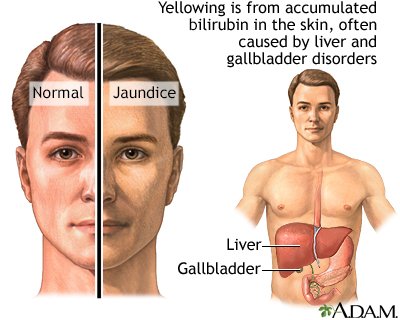
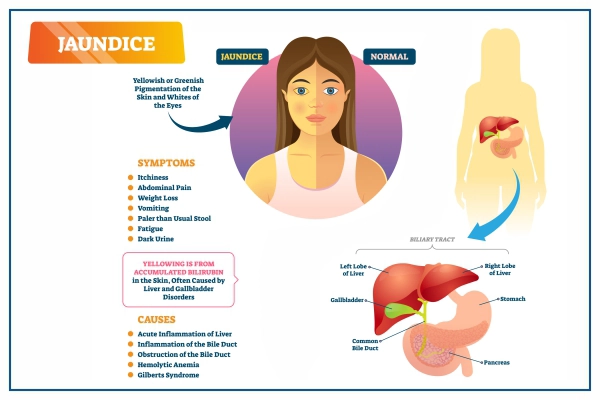
Jaundice can be caused by different factors that disrupt the normal metabolism and elimination of bilirubin, a yellow pigment produced during the breakdown of red blood cells.
Hemolytic Jaundice
Hemolytic jaundice occurs when there is an increased breakdown of red blood cells. Conditions such as hemolytic anemia, sickle cell disease, and certain medications can cause this type of jaundice.
Hepatocellular Jaundice
Hepatocellular jaundice is caused by liver damage or dysfunction. Liver diseases like hepatitis, liver cirrhosis, and liver cancer can lead to hepatocellular jaundice.
Obstructive Jaundice
Obstructive jaundice arises when there is a blockage in the bile ducts, preventing bile from flowing properly. Causes of obstruction can include gallstones, tumors, or inflammation of the bile ducts.
Symptoms of Jaundice
Recognizing the symptoms of jaundice is essential for early detection and prompt medical intervention. Common signs and symptoms include:
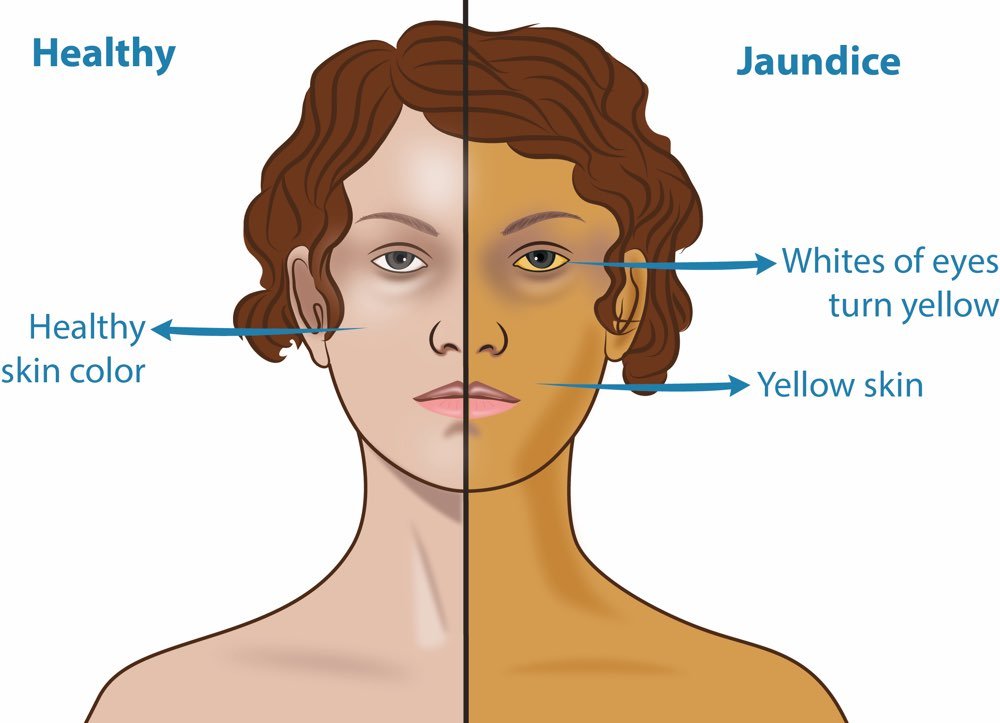
Yellowing of the skin and eyes
One of the most recognizable signs of jaundice is the yellowing of the skin and whites of the eyes. This occurs due to the buildup of bilirubin in the body.
Dark urine
Jaundice can cause the urine to become dark or tea-colored. This is a result of the elevated levels of bilirubin being excreted through the kidneys.
Pale stools
In contrast to dark urine, jaundice can also cause stools to become pale or clay-colored. This change in color indicates a reduced production and excretion of bile.
Fatigue
Experiencing unexplained fatigue and weakness can be a symptom of jaundice. The impaired liver function affects energy levels, leading to a general sense of exhaustion.
Abdominal pain
Some individuals with jaundice may experience abdominal pain or discomfort. This can be related to the underlying cause of jaundice, such as liver inflammation or gallstones.
Diagnosing Jaundice
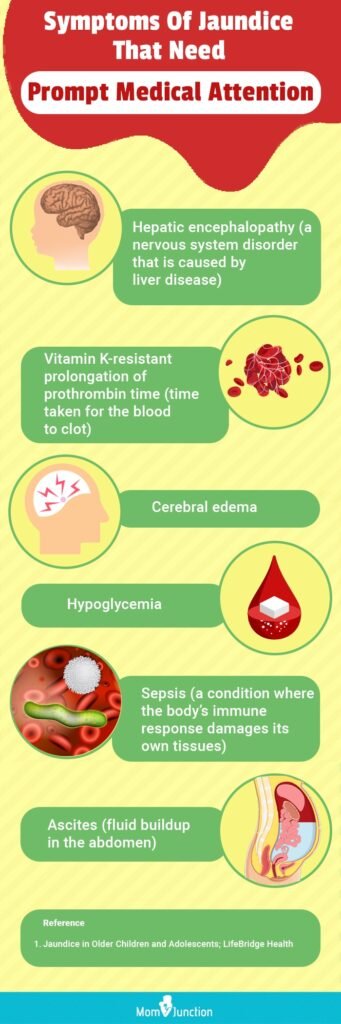
The diagnosis of jaundice begins with a thorough medical history and physical examination. Healthcare professionals will inquire about the patient’s symptoms, overall health, and potential risk factors. They will also examine the abdomen, skin, and eyes for signs of jaundice.
To confirm the diagnosis and determine the underlying cause, several diagnostic tests may be conducted. These tests include:
Blood tests
Blood tests, particularly liver function tests, are essential for evaluating liver health and identifying any abnormalities in liver enzymes and bilirubin levels.
Ultrasound
An ultrasound uses sound waves to create images of the liver, gallbladder, and bile ducts. This non-invasive procedure helps identify any structural abnormalities or blockages in the biliary system.
Biopsy
In some cases, a liver biopsy may be recommended. A small sample of liver tissue is extracted and examined under a microscope to assess the extent of liver damage and identify any underlying conditions.
Effects of Jaundice on Liver Health
Jaundice can have various effects on liver health, potentially leading to complications if left untreated. Some common effects include:
Liver inflammation
Jaundice often occurs as a result of liver inflammation. Inflammation can be caused by infections, alcohol abuse, or autoimmune conditions, and it can further complicate liver function.
Liver cell damage
Persistent and untreated jaundice can lead to damage to liver cells. This can impair the liver’s ability to perform essential functions and may eventually progress to more severe liver diseases.
Impaired liver function
Jaundice can significantly affect liver function, impacting the organ’s ability to detoxify the blood, produce essential proteins, and metabolize nutrients. This can result in a wide range of health issues.
Preventing Jaundice
Prevention plays a crucial role in maintaining liver health and preventing jaundice. Here are some preventive measures:
Vaccinations
Getting vaccinated for hepatitis A and B can significantly reduce the risk of contracting these viral infections, which are common causes of hepatitis and jaundice.
Safe food and water practices
Practicing good food hygiene habits, such as washing hands before handling food and consuming safe and properly cooked meals, can help prevent infections that may affect the liver.
Safe sexual practices
Practicing safe sex, including the use of barrier methods like condoms, can reduce the risk of contracting sexually transmitted infections that can affect the liver, such as hepatitis B and C.
Avoiding alcohol and drug abuse
Alcohol and drug abuse can lead to liver damage and increase the risk of developing jaundice. Limiting alcohol intake and avoiding illicit drugs are crucial steps in preventing liver-related conditions.
Treating Jaundice
The treatment for jaundice depends on its underlying cause. The following approaches may be employed:
Treating the underlying cause
Addressing the primary cause of jaundice is essential for effective treatment. This may involve managing infections, alleviating inflammation, or removing blockages in the bile ducts.
Liver support and protection
Supporting liver health is crucial during jaundice treatment. This may involve adopting lifestyle changes, such as a healthy diet, regular exercise, and avoiding substances that may further damage the liver.
Medication
In some cases, medications may be prescribed to treat the underlying cause or alleviate symptoms associated with jaundice. This can include antiviral medications, anti-inflammatory drugs, or medications to promote bile flow.
Surgery
Surgical interventions may be required for certain cases of obstructive jaundice or liver conditions that cannot be managed with other treatment methods. These procedures aim to remove blockages or repair damaged bile ducts.
Effects of Alcohol on Liver Health
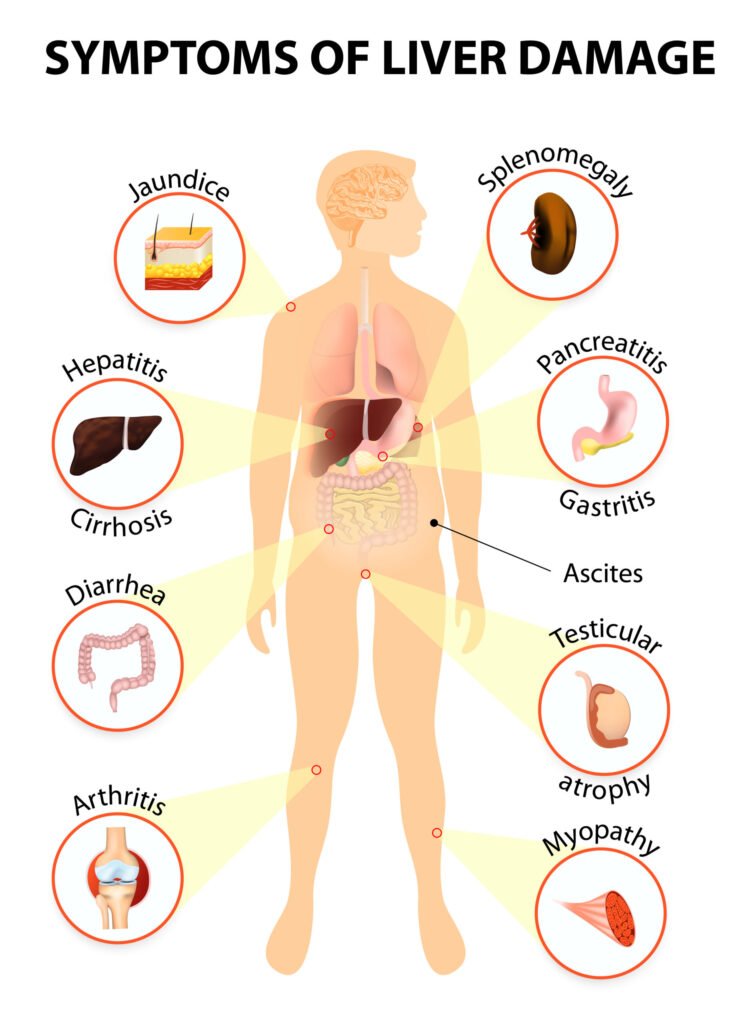
Alcohol consumption can have severe consequences on liver health, leading to various conditions such as:
Alcoholic cirrhosis
Long-term excessive alcohol intake can result in alcoholic cirrhosis, a progressive and irreversible liver disease characterized by the replacement of healthy liver tissue with scar tissue.
Fatty liver disease
Alcohol abuse can lead to the accumulation of fat in the liver cells, resulting in fatty liver disease. This condition can range from mild to severe and can progress to more serious liver damage.
Liver cancer
Chronic alcohol consumption is a significant risk factor for developing liver cancer. It damages liver cells and disrupts their normal functioning, increasing the likelihood of cancerous cell growth.
Preventing Alcohol-Related Liver Damage
Preventing alcohol-related liver damage involves making responsible choices regarding alcohol consumption and seeking help if needed. Here are some preventive measures:
Moderate alcohol consumption
Limiting alcohol intake to moderate levels is crucial for maintaining liver health. For men, moderate drinking means consuming up to two standard drinks per day, while for women, it is up to one standard drink per day.
Alcohol rehabilitation programs
If alcohol dependence or addiction is a concern, seeking professional help through rehabilitation programs can provide the necessary resources and support to achieve sobriety and maintain liver health.
Importance of a Healthy Liver
The liver is a vital organ with numerous essential functions that impact overall health. Some of these functions include:
Filtering blood
The liver acts as a filter, removing toxins, waste products, and harmful substances from the bloodstream, ensuring purified blood circulates throughout the body.
Metabolizing nutrients
The liver plays a key role in metabolizing and storing nutrients, such as carbohydrates, fats, and proteins, and converting them into energy or essential molecules needed for bodily functions.
Detoxification
One of the liver’s primary functions is detoxification, breaking down and eliminating toxins, medications, and harmful substances from the body to maintain overall health.
Production of bile
The liver produces bile, a substance essential for the digestion and absorption of fats. Bile is stored in the gallbladder and released into the small intestine when needed.
Maintaining Liver Health
To ensure the overall health of the liver, adopting healthy habits and avoiding factors that may harm this vital organ is crucial. Here are some ways to maintain liver health:
Healthy diet
Consuming a balanced diet rich in fruits, vegetables, whole grains, and lean proteins supports liver health. Avoiding excessive sugar, processed foods, and unhealthy fats is also important.
Regular exercise
Engaging in regular physical activity helps improve blood circulation, reduce liver fat, and support overall liver function. Aim for at least 150 minutes of moderate-intensity exercise per week.
Adequate hydration
Staying well-hydrated is vital for optimal liver function. Drinking sufficient water helps the liver flush out toxins and waste products efficiently.
Avoiding toxic substances
Minimizing exposure to toxic substances, such as chemicals, pollutants, and environmental toxins, reduces the burden on the liver and helps maintain its health.
In conclusion, understanding jaundice and its impact on liver health is essential for maintaining overall well-being. By recognizing the causes, symptoms, prevention methods, and treatment options for jaundice, individuals can take proactive steps to protect their liver and promote a healthy lifestyle. Remember to consult with a healthcare professional for personalized guidance and care.