
In this fascinating article, you will discover the latest breakthroughs and advancements in the field of kidney disease. From cutting-edge treatments to innovative research studies, this article explores the current state of kidney disease research. Whether you or a loved one are affected by this condition or you simply have an interest in medical advancements, join us as we delve into the exciting world of the latest research on kidney disease.

Overview of Kidney Disease
Definition of Kidney Disease
Kidney disease, also known as renal disease, refers to a condition in which the kidneys are damaged and cannot function properly. The kidneys play a crucial role in filtering waste and excess fluid from the blood, producing urine, maintaining electrolyte balance, and regulating blood pressure. When kidney disease occurs, the kidneys lose their ability to perform these functions effectively, leading to a buildup of toxins and waste in the body.
Types of Kidney Disease
There are several types of kidney disease, each with its own causes and effects. The most common types include:
-
Chronic Kidney Disease (CKD): This is a progressive condition in which the kidneys gradually lose their function over time. CKD can be caused by various factors such as diabetes, high blood pressure, and kidney infections.
-
Acute Kidney Injury (AKI): AKI is a sudden and temporary loss of kidney function, often caused by a sudden drop in blood flow to the kidneys or a direct injury to the kidneys. It can be reversible with prompt medical treatment.
-
Polycystic Kidney Disease (PKD): PKD is an inherited disorder characterized by the growth of numerous cysts in the kidneys. These cysts can interfere with kidney function and lead to complications such as high blood pressure and kidney failure.
-
Glomerulonephritis: This is a group of diseases that cause inflammation of the kidney’s filtering units, called glomeruli. It can be caused by infections, autoimmune disorders, or certain medications.
-
Kidney Stones: Kidney stones are hard deposits that form in the kidneys and can cause severe pain and discomfort. They can be caused by a high concentration of certain substances in the urine, dehydration, or underlying medical conditions.
Causes of Kidney Disease
Kidney disease can have various causes, including:
-
Diabetes: Uncontrolled diabetes can damage the blood vessels in the kidneys, impairing their ability to function properly.
-
High Blood Pressure: High blood pressure can damage the blood vessels in the kidneys and disrupt their ability to filter waste and excess fluid.
-
Infections: Infections such as urinary tract infections and kidney infections can cause kidney damage if left untreated.
-
Autoimmune Disorders: Some autoimmune disorders, such as lupus and IgA nephropathy, can cause kidney inflammation and damage.
-
Genetic Factors: Certain genetic disorders, such as polycystic kidney disease, can lead to the development of kidney disease.
Prevalence of Kidney Disease
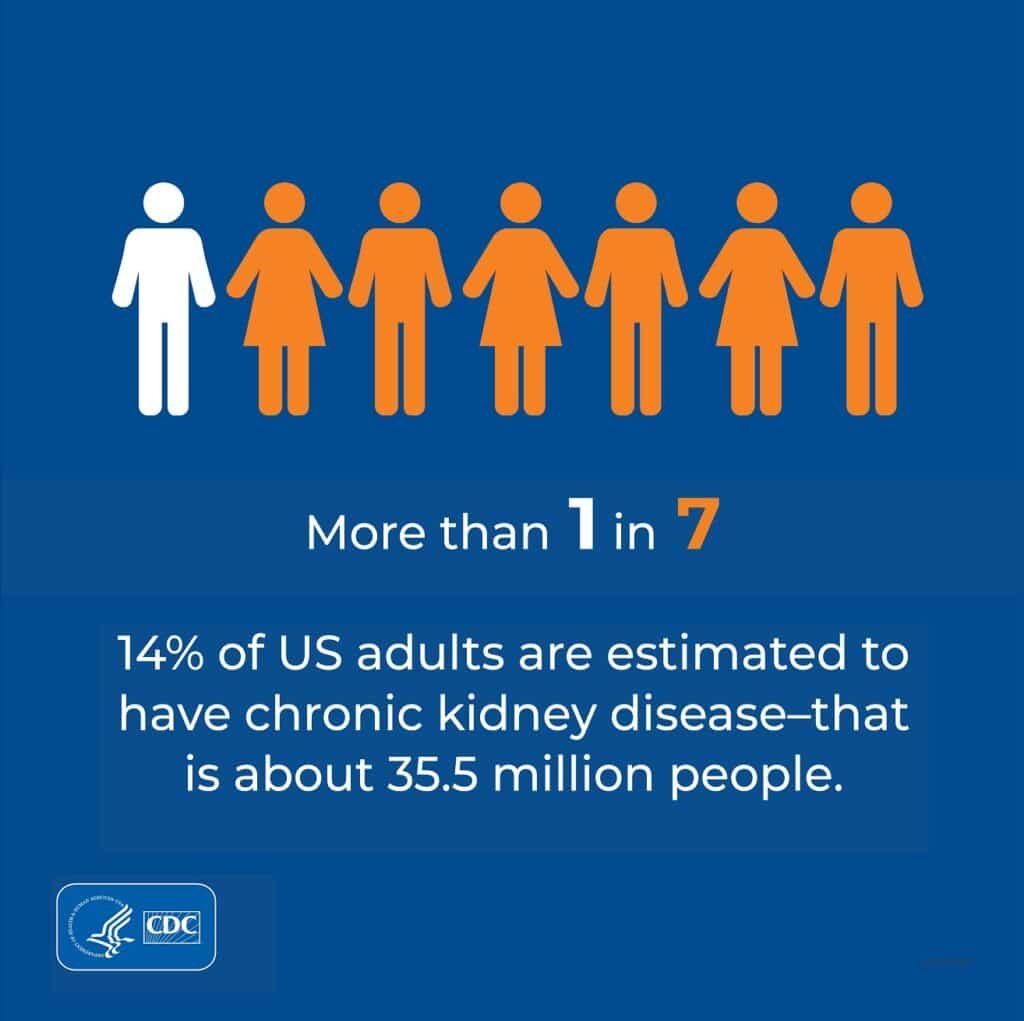
Kidney disease is a significant health concern worldwide. According to the World Kidney Day organization, approximately 10% of the global population has some form of kidney damage. Chronic kidney disease affects an estimated 9.1% of the global population, with varying prevalence rates among different countries. The incidence of kidney disease is increasing, partly due to the rising prevalence of risk factors such as diabetes and hypertension.
Diagnostic Methods for Kidney Disease
Physical Examination
During a physical examination, a healthcare professional may check for signs of kidney disease, such as high blood pressure, fluid retention, or abnormal heart sounds.
Blood Tests
Blood tests, including creatinine and blood urea nitrogen (BUN), can assess kidney function by measuring waste products and electrolyte levels in the blood. Elevated levels of these substances may indicate kidney dysfunction.
Urine Tests
Urine tests can provide valuable information about kidney function. A urine sample may be examined for the presence of blood, protein, or other abnormalities that can indicate kidney damage or disease.
Imaging Tests
Imaging tests, such as ultrasound, CT scan, or MRI, can help visualize the kidneys and detect any structural abnormalities or signs of kidney damage.
Biopsy
In some cases, a kidney biopsy may be performed to obtain a sample of kidney tissue for further examination. This procedure can help determine the underlying cause of kidney disease and guide treatment decisions.
Risk Factors for Kidney Disease
Age
Advancing age is a risk factor for kidney disease, as the kidneys’ function naturally declines with age. Older adults are more likely to develop chronic kidney disease.
Family History
A family history of kidney disease can increase an individual’s risk of developing the condition. Certain genetic disorders, such as polycystic kidney disease, can be inherited and predispose individuals to kidney problems.
High Blood Pressure
High blood pressure, or hypertension, is a significant risk factor for kidney disease. Over time, uncontrolled high blood pressure can damage the blood vessels in the kidneys and lead to kidney dysfunction.
Diabetes
Diabetes is another leading cause of kidney disease. High blood sugar levels can damage the blood vessels in the kidneys, impairing their ability to filter waste and fluid effectively.
Obesity
Obesity is associated with an increased risk of kidney disease. Excess weight can put additional strain on the kidneys and contribute to the development of conditions such as diabetes and high blood pressure, which further increase the risk of kidney disease.
Smoking
Smoking has been linked to an increased risk of kidney disease. The toxins in cigarette smoke can damage blood vessels, including those in the kidneys, and contribute to kidney dysfunction.
Effects of Kidney Disease on the Body
Fluid and Electrolyte Imbalance
When the kidneys are not functioning properly, they may fail to remove excess fluid and electrolytes from the body, leading to fluid retention and electrolyte imbalances. This can result in swelling, high blood pressure, and disturbances in the body’s acid-base balance.
High Blood Pressure
Kidney disease can contribute to the development or worsening of high blood pressure. The kidneys play a vital role in regulating blood pressure by controlling the amount of fluid and salt in the body. When the kidneys are damaged, blood pressure can increase, leading to further kidney damage and an increased risk of cardiovascular complications.
Anemia
Kidney disease can cause a decrease in the production of red blood cells, leading to anemia. Anemia can result in fatigue, weakness, and shortness of breath.
Bone Disease
The kidneys play a critical role in maintaining the balance of calcium and phosphorus in the body. When kidney disease occurs, there can be an imbalance in these minerals, leading to bone disease, such as osteoporosis or osteomalacia.
Cardiovascular Complications
Kidney disease is associated with an increased risk of cardiovascular complications, such as heart disease, heart attacks, and strokes. The exact mechanisms behind this association are not fully understood but likely involve a combination of factors, including high blood pressure, fluid retention, and inflammation.
Treatment Options for Kidney Disease
Medications
Various medications may be prescribed to manage kidney disease and its complications. These can include blood pressure medications, medications to control blood sugar levels in diabetes, medications to treat anemia, and medications to reduce protein loss in the urine.
Dietary Changes
A healthy diet plays a crucial role in managing kidney disease. Individuals with kidney disease may be advised to limit their intake of sodium, phosphorus, and potassium, and to consume adequate amounts of high-quality protein. This can help reduce the burden on the kidneys and manage complications associated with kidney disease.
Fluid Restriction
In some cases, individuals with advanced kidney disease may need to restrict their fluid intake. This is done to avoid overloading the kidneys and prevent further fluid retention.
Dialysis
Dialysis is a treatment that helps to filter waste and excess fluid from the blood when the kidneys are no longer able to do so effectively. There are two main types of dialysis: hemodialysis, which uses a machine to filter the blood, and peritoneal dialysis, which uses the lining of the abdomen to perform the filtration.
Kidney Transplantation
In certain cases of end-stage kidney disease, kidney transplantation may be an option. A healthy kidney from a compatible donor is surgically implanted into the recipient’s body, replacing the non-functioning kidneys. Kidney transplantation can significantly improve the quality of life and long-term prognosis for individuals with end-stage kidney disease.
Advancements in Kidney Disease Research
Genetics and Kidney Disease
Advancements in genetic research have provided valuable insights into the genetic factors that contribute to kidney disease development. Understanding the genetic basis of kidney diseases can help in the identification of individuals at risk, early diagnosis, and the development of targeted treatments.
Stem Cell Therapy
Stem cell therapy holds promise for the treatment of kidney disease. Stem cells have the potential to differentiate into kidney cells and promote the regeneration of damaged kidney tissue. Clinical trials are underway to explore the safety and efficacy of stem cell therapies for the treatment of different types of kidney disease.
Artificial Kidney
The development of an artificial kidney is a significant area of research in the field of nephrology. An artificial kidney would serve as a permanent replacement for damaged or non-functioning kidneys, eliminating the need for dialysis or transplantation.
Immunosuppressive Drugs
Immunosuppressive drugs play a crucial role in preventing the rejection of transplanted kidneys. Ongoing research aims to develop more targeted and effective immunosuppressive drugs with fewer side effects.
Precision Medicine
Precision medicine, also known as personalized medicine, involves tailoring treatment plans and medications to individual patients based on their unique characteristics. In the context of kidney disease, precision medicine can help optimize treatment approaches, improve outcomes, and minimize side effects.
Prevention and Management of Kidney Disease
Healthy Lifestyle Choices
Adopting a healthy lifestyle can significantly reduce the risk of developing kidney disease. This includes maintaining a balanced diet, engaging in regular physical activity, maintaining a healthy weight, and avoiding smoking and excessive alcohol consumption.
Control of High Blood Pressure and Diabetes
Managing high blood pressure and diabetes is crucial for preventing and slowing the progression of kidney disease. Regular monitoring of blood pressure and blood glucose levels, taking prescribed medications as directed, and making necessary lifestyle changes are essential components of disease management.
Regular Exercise
Regular exercise has numerous benefits for kidney health. It can help maintain a healthy weight, improve blood pressure control, and enhance overall cardiovascular health. Engaging in at least 150 minutes of moderate-intensity exercise per week is recommended.
Proper Medication Management
Proper medication management is essential for individuals with kidney disease. It is important to take prescribed medications as directed, avoid over-the-counter medications that may be harmful to the kidneys, and communicate regularly with healthcare providers to ensure optimal medication management.
Regular Check-ups
Regular check-ups with a healthcare provider are important for individuals with kidney disease. These check-ups can help monitor kidney function, identify and address any complications or changes in the condition, and adjust treatment plans as necessary.
Complications of Kidney Disease
End-Stage Renal Disease
End-stage renal disease (ESRD) refers to the final stage of kidney disease, where the kidneys have lost their ability to function effectively. At this stage, kidney transplantation or long-term dialysis is necessary to sustain life.
Cardiovascular Disease
Kidney disease is closely linked to an increased risk of cardiovascular disease, including heart attacks, heart failure, and strokes. Individuals with kidney disease should be closely monitored and managed for cardiovascular risk factors.
Anemia
Anemia is a common complication of kidney disease, as the kidneys play a role in the production of red blood cells. Anemia can further impact overall health and quality of life and may require specific treatment, such as iron supplementation or medications that stimulate the production of red blood cells.
Bone Disease
Kidney disease can lead to bone disease, as the kidneys are involved in maintaining mineral balance in the body. Disorders such as osteoporosis and osteomalacia may develop, increasing the risk of fractures and impairing mobility.
Increased Infection Risk
Kidney disease can weaken the immune system, making individuals more susceptible to infections. Urinary tract infections and kidney infections are common in individuals with compromised kidney function and require prompt treatment to prevent complications.

Emerging Therapies for Kidney Disease
Targeted Therapy
Advancements in understanding the underlying causes of specific kidney diseases have opened doors for targeted therapies. Targeted therapies aim to specifically address the mechanisms and pathways involved in the development and progression of kidney disease, potentially leading to more effective and tailored treatments.
Gene Editing
Gene editing techniques, such as CRISPR-Cas9, hold promise for the treatment of genetic kidney diseases. These techniques allow for precise modification of genes, potentially correcting genetic mutations responsible for kidney disease development.
Nanotechnology
Nanotechnology involves the manipulation of materials at the nanoscale level. In the context of kidney disease, nanotechnology holds potential for targeted drug delivery, imaging techniques, and the development of innovative diagnostic tools.
Organ Regeneration
The field of regenerative medicine aims to regenerate or repair damaged organs and tissues. Scientists are exploring various approaches, such as using stem cells, bioactive molecules, or tissue engineering techniques, to promote the regeneration and repair of damaged kidney tissue.
Bioengineering
Bioengineering involves the design and development of artificial organs or tissues. Researchers are working on creating bioengineered kidneys that mimic the structure and function of natural kidneys, providing a potential solution for individuals with end-stage kidney disease.
Future Outlook for Kidney Disease Research
Early Detection Methods
Early detection of kidney disease is crucial for timely intervention and disease management. Ongoing research aims to identify better biomarkers, imaging techniques, and diagnostic tools that can provide early and accurate detection of kidney disease.
Novel Treatment Approaches
The search for novel treatment approaches for kidney disease continues. Researchers are exploring innovative therapies, such as cell therapies, gene therapies, and targeted drug therapies, to improve patient outcomes and slow disease progression.
Personalized Medicine
Advancements in genetics, molecular biology, and technology are paving the way for personalized medicine approaches in kidney disease. Personalized medicine aims to create tailored treatment plans based on an individual’s unique genetic makeup, lifestyle factors, and disease characteristics.
Improved Accessibility to Care
Efforts are being made to improve access to kidney disease care, especially in underserved populations. This includes initiatives to increase awareness, improve healthcare infrastructure, and provide resources for early detection and management of kidney disease.
International Collaborations
International collaborations and research networks are instrumental in advancing kidney disease research. Collaborative efforts allow researchers to pool resources, share expertise, and accelerate progress in understanding the underlying mechanisms of kidney disease and developing effective treatment strategies.
In conclusion, kidney disease is a complex and widespread health concern with various causes, effects, and treatment options. Ongoing research and advancements in the field continue to shed light on the underlying mechanisms of kidney disease and pave the way for innovative treatments, early detection methods, and personalized medicine approaches. By understanding the risk factors, adopting a healthy lifestyle, and seeking regular medical care, individuals can take steps to prevent and manage kidney disease, leading to improved outcomes and a better quality of life.