
Did you know that kidney stones affect around 1 in 10 people worldwide? These small, hard mineral deposits can cause excruciating pain, and understanding how they form and how to prevent them is vital. In this article, we will explore the causes, symptoms, and treatment options for kidney stones, helping you gain a better understanding of this common yet debilitating condition. So, sit back, relax, and prepare to unravel the mysteries behind kidney stones.
What are Kidney Stones?
Definition
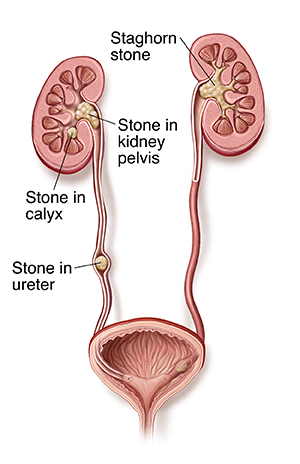
Kidney stones, also known as renal calculi, are hard mineral and salt deposits that form in the kidneys. These stones can vary in size and shape, ranging from as small as a grain of sand to as large as a golf ball. They can develop in one or both kidneys and can cause severe pain and discomfort when they move through the urinary tract.
Types of Kidney Stones
There are several types of kidney stones, each with its own composition and characteristics. The most common types include:
-
Calcium Stones: These are the most prevalent type of kidney stones and are usually made of calcium oxalate or calcium phosphate. Consuming excessive amounts of calcium-rich foods or having high levels of calcium in the urine can increase the risk of developing calcium stones.
-
Struvite Stones: These stones form as a result of urinary tract infections (UTIs). They can grow rapidly and become quite large, causing blockages and complications in the urinary tract.
-
Uric Acid Stones: Uric acid stones form when there is an excess of uric acid in the urine. People who consume a diet rich in purines, such as organ meats and shellfish, or those who have conditions like gout, are more prone to develop uric acid stones.
-
Cystine Stones: These stones are rare and are caused by a hereditary condition called cystinuria. People with cystinuria have high levels of the amino acid cystine in their urine, which can crystallize and form stones.
Causes of Kidney Stones
Dietary Factors
Diet plays a significant role in the development of kidney stones. Consuming a diet high in sodium, sugar, and animal protein while having low dietary fiber intake increases the risk of stone formation. Certain foods, such as spinach, beets, and rhubarb, which contain high levels of oxalate, can also contribute to the formation of oxalate stones.
Dehydration
Insufficient fluid intake is one of the major risk factors for kidney stone formation. When you drink an inadequate amount of water, the urine becomes concentrated, allowing minerals and salts to crystallize and form stones. Staying well-hydrated dilutes the urine, preventing the formation of kidney stones.
Medical Conditions
Certain medical conditions can increase the likelihood of kidney stone formation. Conditions like urinary tract infections, hyperparathyroidism, and cystinuria can alter the urine composition, leading to the formation of stones.

Family History
A family history of kidney stones can elevate your risk of developing them. Genetic factors can influence the way your body absorbs and excretes certain substances, making you more prone to stone formation.
Symptoms of Kidney Stones
Pain in the Back or Side
One of the most common symptoms of kidney stones is severe pain in the back or side. This pain, also known as renal colic, occurs when the stone moves through the urinary tract and causes obstruction. The pain can be intermittent or constant and may radiate to the lower abdomen and groin.
Blood in Urine
Kidney stones can cause microscopic or visible blood in the urine, a condition known as hematuria. The presence of blood can give the urine a pink, red, or brownish color. It is essential to seek medical attention if you notice blood in your urine, as it can indicate other underlying conditions as well.
Frequent Urination
The presence of kidney stones can irritate the lining of the urinary tract, leading to increased frequency of urination. You may feel the urge to urinate more frequently, even when the bladder is not full.
Painful Urination
Kidney stones can cause discomfort and burning sensation during urination. This is often caused by irritation or inflammation of the urinary tract as the stone passes through.
Diagnosis of Kidney Stones

Medical History
Your doctor will begin the diagnostic process by taking a detailed medical history. They will ask about your symptoms, any previous history of kidney stones, and any relevant medical conditions that could contribute to stone formation.
Physical Examination
A physical examination helps the doctor assess your overall health and look for any signs of kidney stones. They may gently press on certain areas of your abdomen and back to check for tenderness or pain.
Imaging Tests
To confirm the presence of kidney stones and evaluate their size and location, imaging tests may be conducted. These can include:
- X-ray: X-ray images can help detect most types of kidney stones, except for uric acid stones.
- Ultrasound: This non-invasive imaging technique uses sound waves to create images of the kidneys and urinary tract, providing valuable information about stone size and location.
- CT scan: A computed tomography (CT) scan provides detailed images of the kidneys and can accurately locate and identify all types of kidney stones.
Urinalysis
A urinalysis involves analyzing a sample of urine to detect the presence of blood, minerals, or infectious agents associated with kidney stone formation. The results can help evaluate the composition of the stone and guide treatment decisions.
Treatment Options for Kidney Stones
Small Stones
Small kidney stones may pass through the urinary tract without medical intervention. Drinking plenty of fluids can help flush out the stone and alleviate symptoms. Your doctor may recommend over-the-counter pain relievers to manage pain and discomfort during the process.

Large Stones
Large kidney stones that do not pass spontaneously often require medical intervention. Depending on the size and location of the stone, treatment options may include:
- Extracorporeal Shock Wave Lithotripsy (ESWL): This non-invasive procedure uses sound waves to break the stone into smaller fragments, making it easier for them to be passed through urine.
- Ureteroscopy: Ureteroscopy involves the use of a thin, flexible tube (ureteroscope) to access and remove the stone or break it into smaller pieces for removal.
- Percutaneous Nephrolithotomy (PCNL): PCNL is a surgical procedure in which a small incision is made in the back to access the kidney and remove or break up the stone.
Medication
Certain medications can aid in the dissolution or prevention of specific types of kidney stones. Your doctor may prescribe medications to reduce the concentration of certain substances in your urine, control infection, or prevent the formation of stones.
Surgery
In rare cases, where other treatment options are not feasible or effective, surgical intervention may be required. Surgical procedures, such as open surgery or laparoscopic surgery, are typically reserved for complex stones or when other methods have failed.
Prevention of Kidney Stones
Hydration
Drinking an adequate amount of fluids is crucial for preventing kidney stone formation. Aim to drink at least 8-10 glasses of water per day to maintain proper hydration and dilute the urine. This helps prevent the minerals and salts from crystallizing and forming stones.
Dietary Changes
Making certain dietary changes can help reduce the risk of kidney stone formation. It’s important to limit the intake of high-sodium foods, sugary beverages, and animal protein. Increasing your intake of fruits, vegetables, and whole grains can provide the necessary vitamins and minerals to prevent stone formation.

Medications
If you have a history of recurrent kidney stones or are at high risk for stone formation, your doctor may prescribe medications to prevent their recurrence. These medications can help regulate urine composition or reduce the levels of certain substances that can contribute to stone formation.
Lifestyle Modifications
Incorporating certain lifestyle modifications can have a positive impact on preventing kidney stones. Regular exercise helps maintain a healthy weight and reduces the risk of stone formation. It is also important to avoid smoking and excessive consumption of alcohol, as they can contribute to stone formation.
Complications of Kidney Stones
Urinary Tract Infections
Kidney stones can increase the risk of developing urinary tract infections (UTIs). The presence of a stone can create an environment favorable for bacterial growth, leading to infections. UTIs can cause additional pain and discomfort, and prompt treatment with antibiotics is necessary.
Blockage of Urine Flow
Large stones or stones that become lodged in the urinary tract can obstruct the normal flow of urine. This can lead to severe pain, kidney damage, and increased risk of infection. Prompt medical intervention is essential to remove the blockage and alleviate symptoms.
Kidney Damage
In some cases, kidney stones can cause damage to the kidneys. Prolonged obstruction or recurrent stone formation can impair kidney function, leading to chronic kidney disease or even kidney failure. Timely diagnosis and appropriate management of kidney stones are essential to prevent long-term complications.
Risk Factors for Kidney Stones
Age and Gender
The risk of kidney stones increases with age, with most cases occurring between the ages of 30 and 60. Men are more likely to develop kidney stones compared to women, although the gap is narrowing.
Geographical Location
Geographical location can play a role in kidney stone prevalence. People living in hot and arid regions are more susceptible to dehydration, which can contribute to stone formation. Additionally, certain regions have higher levels of minerals in the water supply, increasing the risk of specific types of kidney stones.
Obesity
Obesity is a risk factor for kidney stone formation. Higher body weight can lead to increased urinary excretion of calcium and oxalate, both of which can contribute to stone formation.
Certain Medical Conditions
Certain medical conditions, such as gout, hyperparathyroidism, and Crohn’s disease, can increase the likelihood of developing kidney stones. Understanding and managing these underlying conditions can help reduce the risk of stone formation.
Managing Kidney Stones during Pregnancy
Challenges in Diagnosis
Diagnosing kidney stones during pregnancy can be challenging due to overlapping symptoms with common pregnancy discomforts. Women may experience back pain, frequent urination, and other urinary symptoms, which may be attributed to pregnancy rather than kidney stones. Therefore, a thorough evaluation is necessary to differentiate between the two.
Treatment Options
The treatment of kidney stones in pregnant women requires careful consideration to ensure the safety of both the mother and the developing fetus. Conservative management, including increased hydration, pain management, and monitoring, is often the first line of treatment. If intervention is necessary, procedures that minimize radiation exposure, such as ultrasound or smaller doses of CT scans, are preferred.
Risks and Complications
Pregnant women with kidney stones face unique risks and complications. The presence of a stone can increase the risk of urinary tract infections and can potentially cause preterm labor or impact kidney function. Close monitoring and collaboration between obstetricians and urologists are essential to manage kidney stones safely during pregnancy.
Kidney Stone Prevention for Children
Common Causes
Kidney stones in children can have various causes. Dehydration, dietary factors (such as high sodium, low calcium, or excessive oxalate intake), and certain medical conditions can all contribute to stone formation. Understanding the underlying cause is crucial in preventing the recurrence of kidney stones in children.
Dietary Recommendations
Implementing dietary changes is an important aspect of preventing kidney stones in children. Encouraging a diet rich in fruits and vegetables, while limiting processed and fast foods, can help maintain proper hydration and provide important nutrients. Reducing sodium intake and monitoring oxalate-rich foods can also play a role in preventing stone formation.
Fluid Intake Guidelines
Adequate fluid intake is crucial for preventing kidney stones in children. Encouraging children to drink enough water throughout the day helps dilute the urine and prevent the minerals and salts from crystallizing. Age-appropriate fluid intake guidelines should be followed to ensure proper hydration.
In conclusion, kidney stones are mineral and salt deposits that form in the kidneys and can cause significant pain and discomfort. They can be caused by various factors, including dietary choices, dehydration, medical conditions, and family history. Treatment options range from conservative measures to surgical interventions, depending on the size and location of the stones. Preventive measures, such as staying hydrated, making dietary changes, and adopting a healthy lifestyle, are essential in reducing the risk of kidney stone formation. It is important to seek medical attention if you experience symptoms or have a history of kidney stones, as timely diagnosis and management can help prevent complications and improve overall kidney health.