
Have you ever wondered about the signs and treatment options for laryngeal cancer? In this article, we will explore the various symptoms of this type of cancer, as well as the available treatments and prevention strategies. Whether you are looking to educate yourself or support a loved one, this comprehensive guide will provide you with the necessary information to better understand laryngeal cancer and its impact on individuals. With the goal of promoting awareness and early detection, let’s dive into the world of laryngeal cancer together.

Overview of Laryngeal Cancer
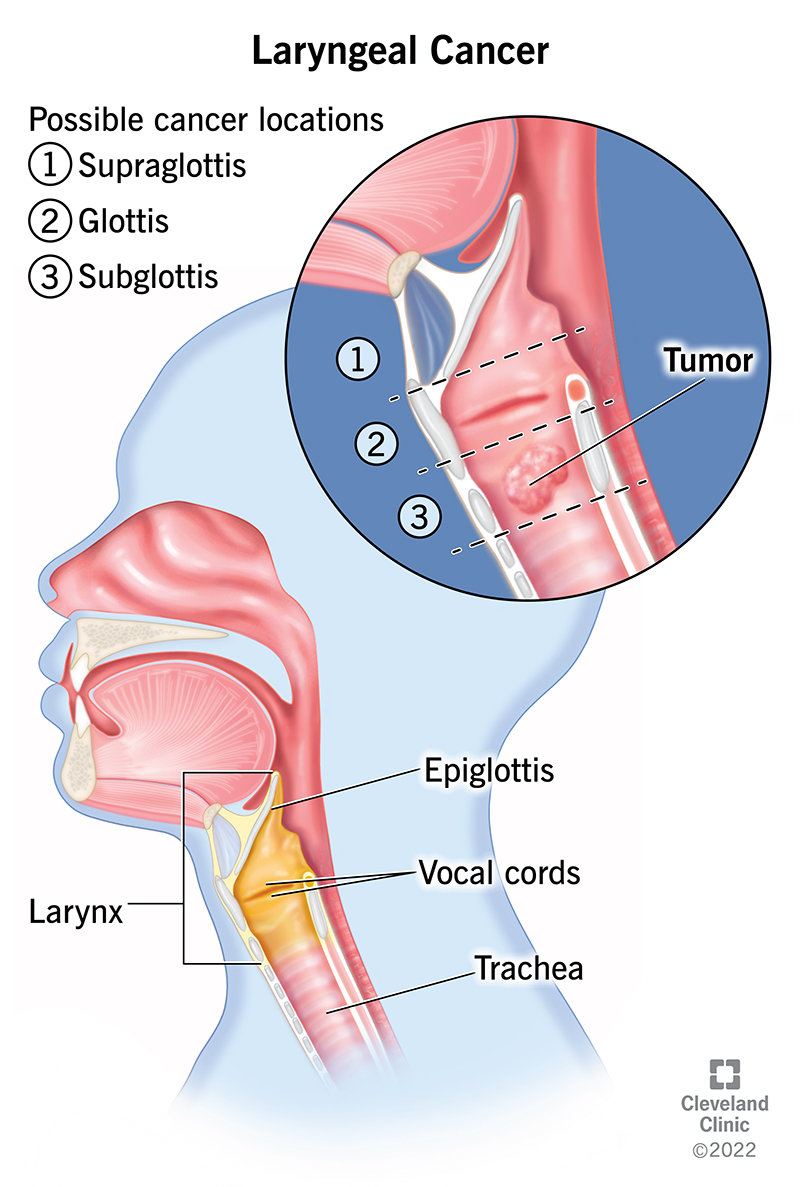
Laryngeal cancer is a type of cancer that affects the larynx, which is also known as the voice box. The larynx is a crucial organ involved in breathing, swallowing, and producing sound. Laryngeal cancer occurs when abnormal cells grow uncontrollably in this area, forming a tumor.
Definition
Laryngeal cancer refers to the development of malignant cells in the tissues of the larynx. It is a type of head and neck cancer and can impact various structures within the larynx, including the vocal cords, epiglottis, and other surrounding tissues.
Statistics
Laryngeal cancer is more common in men than in women, and it predominantly affects individuals above the age of 55. According to the American Cancer Society, an estimated 13,000 new cases of laryngeal cancer were diagnosed in 2020 alone. While the incidence of laryngeal cancer has been declining over the years, it is still essential to understand the potential risk factors and symptoms associated with this condition.
Types of Laryngeal Cancer
Laryngeal cancer can manifest in different forms, depending on the specific location within the larynx. The primary types of laryngeal cancer include:
- Squamous cell carcinoma: This is the most common type of laryngeal cancer and originates in the flat cells lining the larynx. It accounts for around 90% of all cases.
- Adenocarcinoma: This type of laryngeal cancer arises from glandular cells within the larynx.
- Sarcoma: While rare, sarcoma can develop in the connective tissues of the larynx.
Understanding the types of laryngeal cancer is crucial for diagnosis and determining the appropriate course of treatment.
Causes and Risk Factors
Several factors can contribute to the development of laryngeal cancer. Understanding these causes and risk factors can help individuals reduce their chances of developing this condition.
Tobacco and Alcohol Use
Tobacco use, including smoking cigarettes, cigars, or pipes, is a significant risk factor for laryngeal cancer. The harmful chemicals present in tobacco smoke can damage the DNA in the cells of the larynx, leading to cancerous growth. Additionally, excessive alcohol consumption, especially when combined with tobacco use, increases the risk even further.
Human Papillomavirus (HPV) Infection
Infection with certain strains of the human papillomavirus (HPV), a sexually transmitted infection, has been linked to laryngeal cancer. HPV-related laryngeal cancer is more common in younger individuals and carries a different prognosis compared to non-HPV-related cases.
Exposure to Chemicals and Asbestos
Exposure to certain chemicals, such as those found in the workplace, can increase the risk of laryngeal cancer. Additionally, prolonged exposure to asbestos, commonly found in older buildings, has been associated with an elevated risk.
Age and Gender
As mentioned earlier, laryngeal cancer is more prevalent in older individuals, particularly those above the age of 55. Moreover, men are more likely to develop laryngeal cancer compared to women.
Signs and Symptoms
Recognizing the signs and symptoms of laryngeal cancer is crucial for prompt diagnosis and treatment. Some common indicators of laryngeal cancer include:
Hoarseness or Voice Changes
Persistent hoarseness or changes in the voice can be an early symptom of laryngeal cancer. If you notice that your voice has become raspy or that you are experiencing difficulties speaking, it is important to consult a healthcare professional.
Persistent Coughing or Wheezing
Frequent or persistent coughing that does not subside, along with wheezing or noisy breathing, may indicate a problem within the larynx. These symptoms should not be ignored and require further evaluation.
Difficulty Swallowing
Laryngeal cancer can cause difficulty swallowing, which is known as dysphagia. If you experience pain or discomfort while swallowing or notice a persistent feeling of something being stuck in your throat, it is important to seek medical attention.
Ear Pain
Some individuals with laryngeal cancer may experience ear pain, which can be persistent and not relieved by typical ear pain remedies. This pain can radiate from the larynx to the ears due to the close proximity of these structures.
Unexplained Weight Loss
Significant and unexplained weight loss without any changes in diet or exercise can sometimes be a symptom of advanced laryngeal cancer. Rapid weight loss should always be investigated by a healthcare professional.
Breathing Problems
Laryngeal cancer, especially when it reaches advanced stages, can lead to breathing difficulties. If you experience persistent shortness of breath, noisy breathing, or stridor (high-pitched breathing sounds), it is crucial to seek immediate medical attention.
Diagnosis
Proper diagnosis of laryngeal cancer involves a series of examinations and tests to accurately identify the presence and extent of the disease.
Physical Examination
A healthcare professional will start by conducting a physical examination, which may include palpating the neck to check for the presence of lumps or enlarged lymph nodes. They will also evaluate your overall health and medical history to determine the need for further testing.
Laryngoscopy
A laryngoscopy is a procedure that allows a healthcare provider to visualize the larynx using a flexible or rigid tube with a light and camera. This procedure helps identify any abnormalities or tumors in the larynx.
Biopsy
During a laryngoscopy, a biopsy may be performed to obtain a tissue sample for further examination. This involves removing a small piece of tissue from the suspicious area of the larynx to determine whether it is cancerous or not.
Imaging Tests
Imaging tests such as computed tomography (CT) scans, magnetic resonance imaging (MRI), and positron emission tomography (PET) scans may be recommended to assess the extent of the cancer and determine if it has spread to nearby lymph nodes or other organs.
Staging
Once the diagnosis is confirmed, the cancer will be staged to determine the extent of its spread. Staging helps guide treatment decisions and prognosis. The staging process involves assessing the tumor size, lymph node involvement, and whether the cancer has metastasized to other parts of the body.
Treatment Options
Treatment for laryngeal cancer depends on various factors, including the stage and location of the cancer, as well as the individual’s overall health. The primary treatment options for laryngeal cancer include:
Surgery
Surgery may involve the removal of the cancerous cells or the entire larynx in more advanced cases. Different surgical procedures like cordectomy, partial laryngectomy, or total laryngectomy may be performed, depending on the extent and location of the cancer.
Radiation Therapy
Radiation therapy uses high-energy beams, such as X-rays or protons, to target and destroy cancer cells. It may be used as the primary treatment or in conjunction with surgery or chemotherapy.
Chemotherapy
Chemotherapy involves the use of drugs to kill cancer cells or inhibit their growth. It may be administered before surgery or radiation therapy to shrink the tumor or after treatment to prevent recurrence.
Targeted Therapy
Targeted therapy utilizes drugs that specifically target and inhibit the growth of cancer cells. These medications work by interfering with the specific molecules or pathways involved in cancer development and progression.
Immunotherapy
Immunotherapy boosts the body’s immune system to fight against cancer cells. It involves the use of drugs that enhance the immune response, allowing the body to recognize and eliminate cancer cells more effectively.
Alternative and Complementary Medicine
Some individuals may seek alternative or complementary therapies alongside traditional treatments for laryngeal cancer. These approaches can include herbal supplements, acupuncture, or relaxation techniques. It is important to consult with a healthcare professional before incorporating these therapies into your treatment plan.
Surgical Procedures
Various surgical procedures may be performed depending on the specific location of the cancer within the larynx:
Cordectomy
In a cordectomy, only the affected vocal cords are removed. This procedure is typically performed for early-stage laryngeal cancer that is confined to the vocal cords.
Partial Laryngectomy
Partial laryngectomy involves the removal of a portion of the larynx, preserving as much normal function as possible. The extent of the surgery depends on the size and location of the tumor.
Total Laryngectomy
Total laryngectomy involves the complete removal of the larynx. After the procedure, the individual breathes through an opening in the neck called a stoma. This surgery is typically performed when the tumor has significantly progressed or when preserving the voice is not a priority.

Radiation Therapy
Radiation therapy is an essential treatment option for laryngeal cancer. It can be administered through various approaches:
External Beam Radiation Therapy
External beam radiation therapy uses a machine to deliver radiation beams to the affected area from outside the body. The treatment is performed over multiple sessions to target the tumor while minimizing damage to surrounding healthy tissues.
Brachytherapy
Brachytherapy involves placing radioactive sources directly within or near the tumor. This approach allows for high radiation doses in a localized area while sparing healthy tissues.
Side Effects
Radiation therapy can cause side effects, which vary depending on the location and dose of radiation. Common side effects include temporary difficulty swallowing, sore throat, fatigue, and skin irritation in the treated area. These side effects are usually temporary and can be managed with supportive care.
Chemotherapy
Chemotherapy may be used as a standalone treatment or in combination with surgery or radiation therapy for laryngeal cancer.
Types of Chemotherapy Drugs
The specific chemotherapy drugs prescribed for laryngeal cancer may vary depending on the individual’s condition and treatment goals. Commonly used drugs include cisplatin, carboplatin, 5-fluorouracil (5-FU), and docetaxel.
Combination Therapy
Combination therapy involves the use of two or more chemotherapy drugs to enhance their effectiveness and improve treatment outcomes. It may be administered concurrently with radiation therapy or after surgery.
Side Effects
Chemotherapy can cause various side effects, including nausea, vomiting, hair loss, fatigue, and increased susceptibility to infections. These side effects are usually temporary and can be managed with medications and supportive care.

Prevention
While it may not be possible to prevent laryngeal cancer entirely, certain lifestyle choices can reduce the risk of developing this condition.
Tobacco and Alcohol Cessation
The most effective way to lower the risk of laryngeal cancer is to quit smoking and avoid all forms of tobacco use. Additionally, limiting alcohol consumption can also significantly decrease the risk.
HPV Vaccination
Getting vaccinated against the human papillomavirus (HPV) can help protect against certain strains of the virus that are linked to laryngeal cancer. Vaccination is recommended for both males and females in their early teenage years.
Avoiding Chemical Exposure
Minimizing exposure to workplace chemicals and toxins, such as asbestos, can lower the risk of developing laryngeal cancer. It is important to adhere to safety guidelines and wear appropriate protective equipment when working in environments with potential carcinogens.
Eating a Healthy Diet
Consuming a balanced diet rich in fruits, vegetables, whole grains, and lean proteins can promote overall health and reduce the risk of various types of cancer, including laryngeal cancer.
Regular Exercise
Engaging in regular physical activity not only helps maintain a healthy weight but also boosts the immune system and reduces the risk of developing cancer. Aim for at least 150 minutes of moderate-intensity exercise per week.
Screening and Early Detection
Early detection of laryngeal cancer can improve treatment outcomes and increase the chances of a full recovery. Regular screening and awareness of the potential symptoms are essential.
Importance of Early Detection
Early detection allows for timely treatment initiation, potentially reducing the need for more aggressive interventions. Regular screenings and prompt medical attention for any concerning symptoms can play a vital role in early detection.
Screening Guidelines
There are currently no widely recommended screening tests specifically for laryngeal cancer in individuals without symptoms or risk factors. However, individuals with a higher risk, such as long-term smokers or those with a family history of laryngeal cancer, should discuss screening options with their healthcare provider.
By understanding the causes, risk factors, symptoms, diagnosis, treatment options, and prevention strategies associated with laryngeal cancer, you can take proactive steps towards maintaining your health and wellbeing. If you experience any concerning symptoms or have a higher risk for laryngeal cancer, do not hesitate to reach out to a healthcare professional for evaluation and guidance. Remember, early detection and appropriate treatment are key in the fight against laryngeal cancer.