
You’ve heard the term “Leaky Gut Syndrome” being thrown around, but do you truly understand what it entails? In this article, we’ll delve into the basics of this condition, explaining how it affects your digestive system and overall health. Whether you’re experiencing digestive issues or simply curious about the topic, this article will provide you with a comprehensive understanding of Leaky Gut Syndrome and its potential impact on your well-being. So sit back, relax, and let’s explore the world of Leaky Gut Syndrome together!
What is Leaky Gut Syndrome?
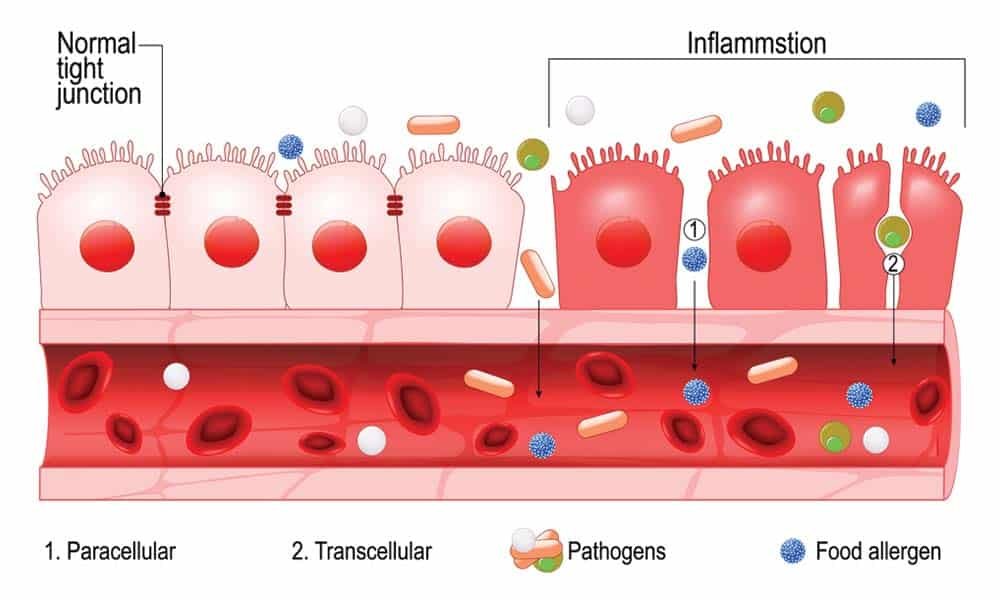
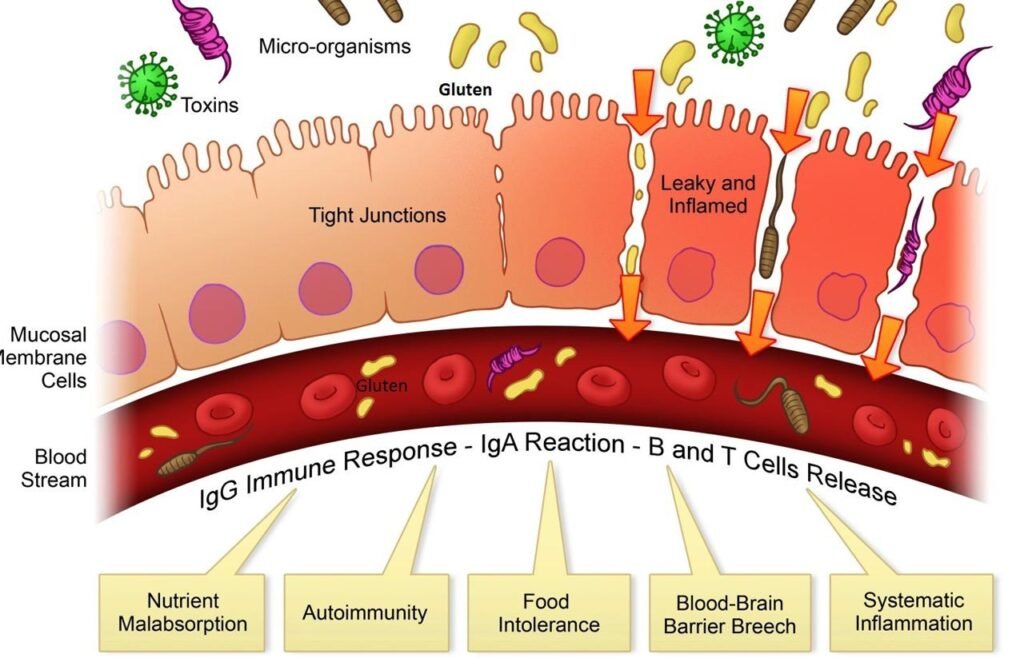
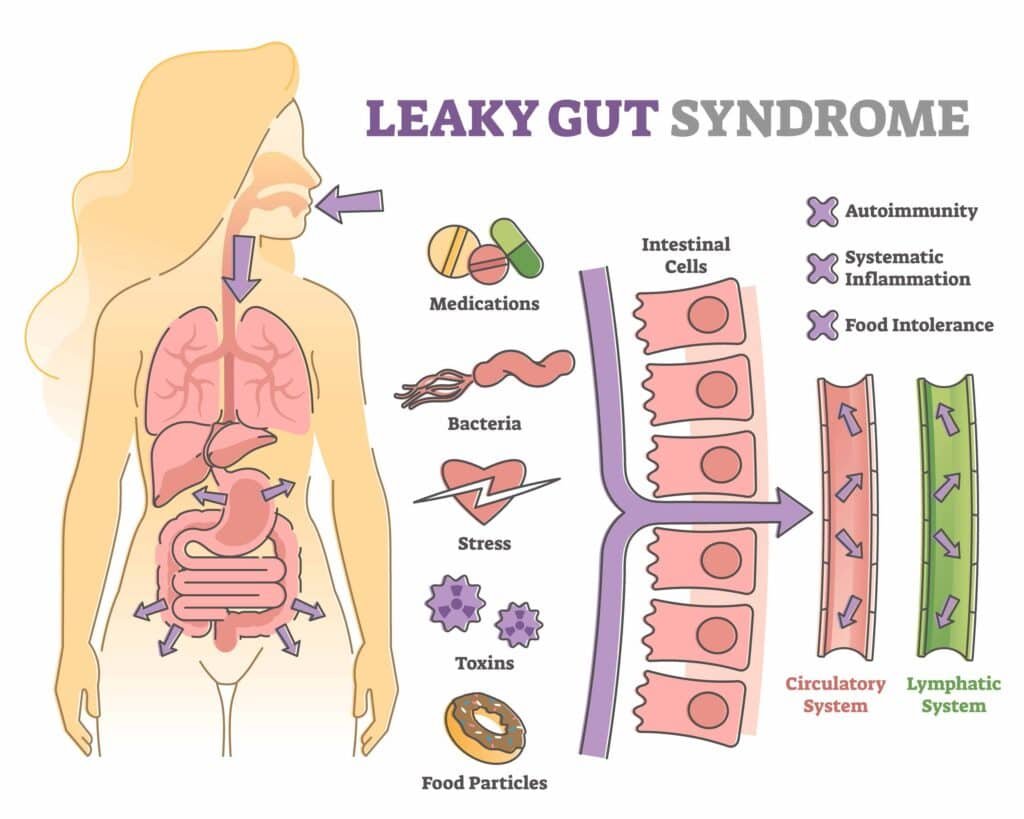
Leaky Gut Syndrome, also known as intestinal permeability, is a condition that occurs when the lining of the digestive tract becomes damaged or much less effective than it should be. This damage allows harmful substances, such as bacteria, toxins, and undigested food particles, to leak into the bloodstream and trigger an immune response. In a healthy gut, the lining is tight and acts as a barrier, controlling what is absorbed into the bloodstream. However, with Leaky Gut Syndrome, this barrier becomes compromised, leading to various health issues.
Causes of Leaky Gut Syndrome
Diet
Your diet plays a significant role in the health of your gut. Consuming a diet high in processed foods, artificial additives, and sugars can contribute to inflammation and damage to the intestinal lining. Additionally, a diet lacking in fiber and nutrients can compromise the gut’s ability to repair itself and maintain a robust immune system.
Stress
Chronic stress is another factor that can contribute to Leaky Gut Syndrome. When you are under stress, your body releases stress hormones that can disrupt the delicate balance of your gut. This disruption can lead to increased inflammation and a weakened gut lining.
Medications
Certain medications, such as non-steroidal anti-inflammatory drugs (NSAIDs) and antibiotics, can have adverse effects on the gut lining. NSAIDs can cause irritation and damage to the gut, while antibiotics may disrupt the balance of beneficial bacteria in the gut, known as the gut microbiome.
Infections
Infections caused by pathogenic bacteria, parasites, or yeast overgrowth can contribute to Leaky Gut Syndrome. These infections can cause inflammation and damage to the gut lining, compromising its ability to function effectively.
Symptoms of Leaky Gut Syndrome
Digestive issues
One of the most common symptoms of Leaky Gut Syndrome is digestive problems. This may include bloating, gas, abdominal pain, constipation, or diarrhea. The gut’s compromised lining can lead to poor absorption of nutrients, as well as an imbalance in gut bacteria, leading to these digestive disturbances.
Food sensitivities
Leaky Gut Syndrome can often contribute to the development of food sensitivities. When the gut lining is compromised, larger food particles can enter the bloodstream, triggering an immune response. This immune response can lead to the development of sensitivities or allergies to certain foods, causing symptoms such as stomach cramps, diarrhea, or skin rashes.
Skin problems
The health of your gut can significantly impact the health of your skin. Leaky Gut Syndrome has been associated with various skin conditions, including acne, eczema, and psoriasis. The elevated levels of inflammation caused by the immune response triggered by a leaky gut can manifest in skin problems.
Autoimmune disorders
There is growing evidence to suggest a connection between Leaky Gut Syndrome and autoimmune disorders. When larger molecules enter the bloodstream through a compromised gut lining, the immune system can become overactive and start attacking healthy cells. This immune response can contribute to the development or worsening of autoimmune conditions such as rheumatoid arthritis, lupus, or celiac disease.
Diagnosing Leaky Gut Syndrome
Leaky gut test
Currently, there is no definitive medical test to diagnose Leaky Gut Syndrome. However, some practitioners may offer tests that measure the permeability of the gut lining using a substance called lactulose and mannitol. These tests involve ingesting the substances and measuring their levels in the urine to assess the gut’s permeability.
Elimination diet
An elimination diet is often used as a diagnostic tool to identify potential food sensitivities or triggers for Leaky Gut Syndrome. This involves removing certain common allergenic foods, such as gluten, dairy, and soy, from your diet and gradually reintroducing them to observe any adverse reactions.
Blood tests
While there is no specific blood test for Leaky Gut Syndrome, certain markers may indicate gut health and potential inflammation. A comprehensive stool analysis may also be used to assess the health of your gut microbiome and identify any imbalances that could contribute to Leaky Gut Syndrome.

Treatment and Management of Leaky Gut Syndrome
Dietary changes
One of the primary treatment strategies for Leaky Gut Syndrome involves making dietary changes. A healing diet typically involves eliminating trigger foods, such as gluten, dairy, and processed foods, and focusing on whole, nutrient-dense foods. Including fiber-rich foods, such as fruits, vegetables, and whole grains, can support a healthy gut microbiome and aid in the repair of the gut lining.
Supplements
Certain supplements may be beneficial for individuals with Leaky Gut Syndrome. These can include probiotics to restore healthy gut bacteria, digestive enzymes to support proper digestion, and nutrients such as zinc, L-glutamine, and collagen to aid in gut repair.
Stress reduction
Managing stress is crucial in the management of Leaky Gut Syndrome. Engaging in stress-reducing activities such as yoga, meditation, or regular exercise can help regulate the stress response and support a healthy gut.
Probiotics
Probiotics are beneficial bacteria that can help restore the balance of the gut microbiome and promote a healthy gut lining. Consuming probiotic-rich foods, such as yogurt, sauerkraut, or kefir, or taking a high-quality probiotic supplement, may be beneficial for individuals with Leaky Gut Syndrome.
Potential Complications of Leaky Gut Syndrome
Chronic inflammation
Leaky Gut Syndrome can contribute to chronic inflammation throughout the body. The immune system’s constant activation in response to the permeability of the gut lining can lead to widespread inflammation, which is associated with various chronic diseases such as heart disease, diabetes, and autoimmune conditions.
Malabsorption
When the gut lining is compromised, the absorption of nutrients can be impaired. This can lead to deficiencies in essential vitamins and minerals, resulting in a range of symptoms such as fatigue, weakness, and poor immune function.
Weakened immune system
The gut plays a significant role in immune function, and a compromised gut lining can weaken the immune system’s ability to defend against pathogens and maintain optimal health. This can make individuals more susceptible to infections and lead to frequent illness or prolonged recovery times.
Prevention of Leaky Gut Syndrome
Healthy diet
Maintaining a healthy diet is essential for preventing and managing Leaky Gut Syndrome. Consuming a balanced diet rich in whole, unprocessed foods, fiber, and antioxidants can support the health of your gut lining and promote a diverse and robust gut microbiome.
Reducing stress
Incorporating stress management techniques into your daily routine is crucial for preventing Leaky Gut Syndrome. Engaging in activities such as meditation, deep breathing exercises, or regular physical activity can help keep stress levels in check and support gut health.
Limiting medication use
When possible, limit the use of medications that can negatively impact gut health, such as NSAIDs and antibiotics. If you need to take these medications, speak with your healthcare provider about strategies to mitigate their effects on the gut lining, such as taking probiotics or using other supportive supplements.
Foods to Include in a Leaky Gut Diet
Bone broth
Bone broth is rich in collagen and amino acids that can help repair the gut lining and promote overall gut health. It also contains gelatin, which can support digestion and reduce inflammation in the gut.
Fermented foods
Fermented foods, such as sauerkraut, kimchi, and kefir, contain probiotics that can help restore a healthy balance of gut bacteria and improve gut function. Including these foods in your diet can support the healing process of the gut lining.
Omega-3 fatty acids
Omega-3 fatty acids, found in fatty fish like salmon and in flaxseeds and chia seeds, have anti-inflammatory properties that can help reduce inflammation in the gut. Adding these foods to your diet can support gut health and overall well-being.

Foods to Avoid with Leaky Gut Syndrome
Processed foods
Processed foods often contain additives, preservatives, and artificial ingredients that can irritate and inflame the gut lining. Avoiding these foods can help reduce inflammation and support gut health.
Gluten
Gluten, a protein found in wheat and other grains, can trigger an immune response in individuals with Leaky Gut Syndrome. Avoiding gluten-containing foods, such as bread, pasta, and baked goods, can reduce inflammation and promote gut healing.
Dairy products
Dairy products, especially those containing lactose, can be challenging to digest for individuals with Leaky Gut Syndrome. Avoiding dairy products or opting for lactose-free alternatives can help alleviate digestive symptoms and support gut health.
Alternative Therapies for Leaky Gut Syndrome
Acupuncture
Acupuncture is a traditional Chinese medicine practice that involves inserting thin needles into specific points on the body. It is believed to help balance the body’s energy and promote overall health, including gut health. Some individuals find acupuncture helpful in managing the symptoms of Leaky Gut Syndrome.
Herbal medicine
Herbal remedies, such as chamomile, marshmallow root, and slippery elm, have traditionally been used to soothe and heal the gut lining. Consulting with a qualified herbalist can help you find the most appropriate herbs for your specific needs and support gut health.
Chiropractic care
Chiropractic care focuses on maintaining the proper alignment of the spine and promoting overall well-being. Although not directly targeting the gut, some individuals have experienced relief from digestive symptoms through chiropractic adjustments, as these can help alleviate stress on the nervous system, which may affect gut function.
In conclusion, Leaky Gut Syndrome is a condition characterized by a compromised gut lining, leading to the leakage of harmful substances into the bloodstream and various health issues. While there is no definitive medical test for its diagnosis, addressing dietary factors, reducing stress, and supporting gut health through dietary changes, supplements, and lifestyle modifications can greatly help manage and prevent Leaky Gut Syndrome. It is important to consult with a healthcare professional for an accurate diagnosis and guidance on the most appropriate treatment options for your individual needs.