
Are you tired of dealing with the discomfort and digestive issues caused by leaky gut syndrome? Look no further – there is a natural remedy that might just change your life. Leaky gut syndrome, also known as intestinal permeability, can cause various health problems by allowing toxins and undigested food particles to leak into the bloodstream. Fortunately, there is a simple and effective natural remedy that can help heal your gut and restore your overall well-being. In this article, we will explore this powerful remedy and how it can provide relief for those suffering from leaky gut syndrome.
Overview of Leaky Gut Syndrome
Leaky Gut Syndrome, also known as intestinal permeability, refers to a condition where the lining of the intestines becomes damaged, allowing harmful substances such as toxins, bacteria, and undigested food particles to leak into the bloodstream. This can trigger an immune response in the body, leading to a range of health issues. Understanding the causes, signs, and symptoms of Leaky Gut Syndrome is crucial for effective management and treatment of this condition.
Definition of Leaky Gut Syndrome
Leaky Gut Syndrome occurs when the tight junctions between the cells lining the intestinal wall become compromised, allowing unwanted substances to pass through. Normally, these tight junctions act as a barrier, selectively allowing nutrients to be absorbed into the bloodstream while keeping out harmful substances. However, when the gut barrier is damaged, it can lead to inflammation, immune system dysfunction, and a host of related health problems.
Causes of Leaky Gut Syndrome
Leaky Gut Syndrome can have various underlying causes. Chronic inflammation, caused by factors such as poor diet, food allergies, stress, and excessive alcohol consumption, can contribute to the breakdown of the intestinal barrier. Other potential causes include imbalances in gut bacteria (dysbiosis), certain medications (such as non-steroidal anti-inflammatory drugs and antibiotics), intestinal infections, and chronic diseases like celiac disease or Crohn’s disease.
Signs and Symptoms of Leaky Gut Syndrome
The signs and symptoms of Leaky Gut Syndrome can vary from person to person, making it challenging to diagnose. Some common indicators may include digestive issues like bloating, gas, diarrhea, or constipation. Additionally, individuals may experience fatigue, food intolerances, skin problems such as eczema or acne, joint pain, autoimmune diseases, and even mental health issues like depression or anxiety. It is important to consult with a healthcare professional to get an accurate diagnosis.
Diagnosis of Leaky Gut Syndrome
To diagnose Leaky Gut Syndrome, a healthcare professional will typically start by taking a detailed medical history and performing a physical examination. This helps to identify any underlying health conditions that may contribute to the development of Leaky Gut Syndrome. Laboratory tests, such as blood tests and stool analysis, may also be conducted to assess markers of inflammation, gut microbiota imbalances, or the presence of intestinal pathogens.
Intestinal Permeability Assessment
An important diagnostic method for Leaky Gut Syndrome is the intestinal permeability assessment. This involves ingesting a solution containing substances that are not normally found in the bloodstream. After a set period of time, urine samples are collected and analyzed to determine the level of absorption of these substances. Elevated levels indicate increased intestinal permeability, confirming the presence of Leaky Gut Syndrome.
Effects of Leaky Gut Syndrome on Health
Leaky Gut Syndrome can have a significant impact on overall health, especially concerning the digestive system. The compromised intestinal barrier can lead to malabsorption of nutrients, causing deficiencies and hampering optimal digestion. Furthermore, the influx of toxins and undigested food particles can trigger chronic inflammation in various parts of the body, contributing to the development or worsening of autoimmune diseases.
Association with Autoimmune Diseases
Leaky Gut Syndrome has been strongly linked to autoimmune diseases. When the intestinal barrier becomes permeable, it allows harmful substances to enter the bloodstream and stimulate the immune system. This constant immune response can lead to the immune system mistakenly attacking healthy tissues and organs, resulting in autoimmune disorders such as rheumatoid arthritis, lupus, or Hashimoto’s thyroiditis.
Effect on Skin Health
The health of the gut and the skin are closely interconnected, and Leaky Gut Syndrome can have adverse effects on skin health. The increased inflammation triggered by the presence of toxins and undigested particles in the bloodstream can contribute to the development of skin conditions such as acne, eczema, psoriasis, and rosacea. By addressing Leaky Gut Syndrome, one can improve skin health and reduce the frequency and severity of these skin conditions.
Dietary Changes to Promote Gut Health
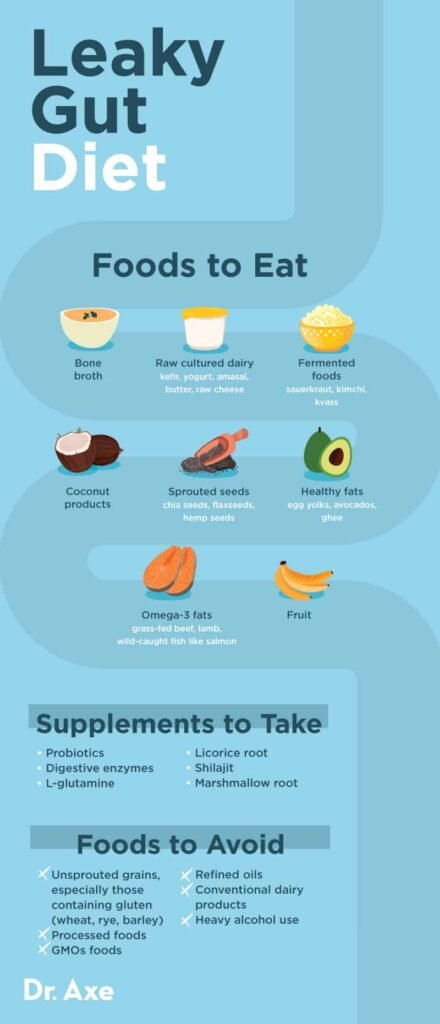
Making dietary changes is a crucial step in promoting gut health and managing Leaky Gut Syndrome. One important aspect is the elimination of trigger foods that can contribute to inflammation and damage to the gut lining. Common trigger foods include gluten, dairy products, refined sugar, processed foods, and alcohol. Eliminating these foods from your diet can help reduce symptoms and promote healing.

Inclusion of Gut-Healing Foods
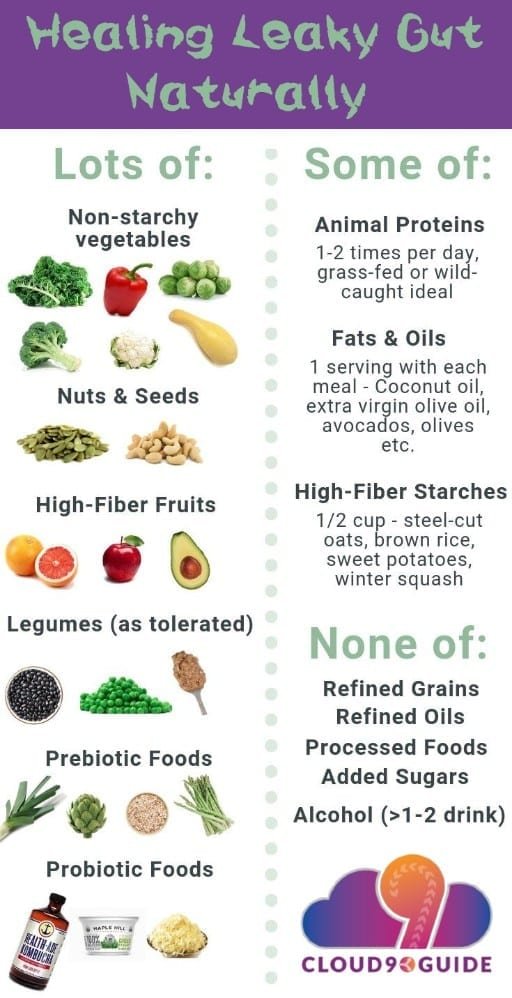
Incorporating gut-healing foods into your diet can support the restoration of the intestinal lining. Foods rich in nutrients like fiber, omega-3 fatty acids, antioxidants, and prebiotics can help nourish the gut and promote the growth of beneficial bacteria. Examples of gut-healing foods include leafy greens, fatty fish, bone broth, fermented foods, and fruits and vegetables. Adding these foods to your meals can enhance gut health.
Importance of a Balanced Diet
Maintaining a balanced diet is crucial for overall health and the promotion of gut health. Consuming a variety of nutrient-dense foods ensures an adequate intake of essential vitamins, minerals, and macronutrients that support proper gut function. In addition to gut-healing foods, it is important to include lean proteins, whole grains, healthy fats, and a wide array of fruits and vegetables in your diet to support optimal gut health.
Supplements for Leaky Gut Syndrome
Supplements can be a beneficial addition to a comprehensive treatment plan for Leaky Gut Syndrome. They can provide targeted support to nourish and heal the gut lining. Some commonly recommended supplements for Leaky Gut Syndrome include probiotics, which help restore balance in the gut microbiome, digestive enzymes to aid in proper digestion, L-glutamine to support gut lining repair, and zinc to support immune function and tissue healing.
Importance of Gut Microbiome
The gut microbiome refers to the complex community of microorganisms that reside within the gastrointestinal tract. Maintaining a healthy gut microbiome is crucial for overall well-being, as it plays a role in digestion, nutrient absorption, immune function, and even mood regulation. Disruptions in the gut microbiome, such as those caused by Leaky Gut Syndrome, can have far-reaching effects on health.
Understanding Gut Microbiome
The gut microbiome is composed of trillions of bacteria, fungi, viruses, and other microorganisms that coexist in a delicate balance. These microorganisms perform vital functions such as breaking down indigestible fibers, producing certain vitamins, and interacting with the immune system. A healthy gut microbiome consists of a diverse array of beneficial bacteria that promote optimal gut health and help protect against harmful pathogens.
Roles of Beneficial Bacteria
Beneficial bacteria in the gut play an essential role in maintaining a healthy gut environment. They help produce short-chain fatty acids that nourish the cells lining the intestines, regulate the immune response, and help break down and absorb nutrients. By supporting beneficial bacteria through diet, supplementation, and lifestyle choices, you can help restore and maintain a healthy gut microbiome.
Ways to Restore and Maintain a Healthy Gut Microbiome
There are several strategies to restore and maintain a healthy gut microbiome. Consuming a diet rich in fiber, fermented foods, and prebiotic-rich foods can provide nourishment to beneficial bacteria. Additionally, taking probiotic supplements can help introduce beneficial strains of bacteria into the gut. Avoiding the excessive use of antibiotics and reducing stress levels can also contribute to a healthier gut microbiome.
Stress Management for Gut Health
Stress has a significant impact on gut health and can exacerbate the symptoms of Leaky Gut Syndrome. Chronic stress can disrupt the balance of the gut microbiome, impair digestion, and compromise the integrity of the intestinal barrier. Engaging in stress-relief techniques can help manage stress and improve gut health.
Impact of Stress on Gut Health
When the body is under stress, it triggers the release of stress hormones such as cortisol, which can have detrimental effects on the gut. Chronic stress can lead to an overgrowth of harmful bacteria, increased permeability of the intestinal lining, and impaired digestion. This can worsen the symptoms of Leaky Gut Syndrome and contribute to a range of digestive issues.
Stress-Relief Techniques
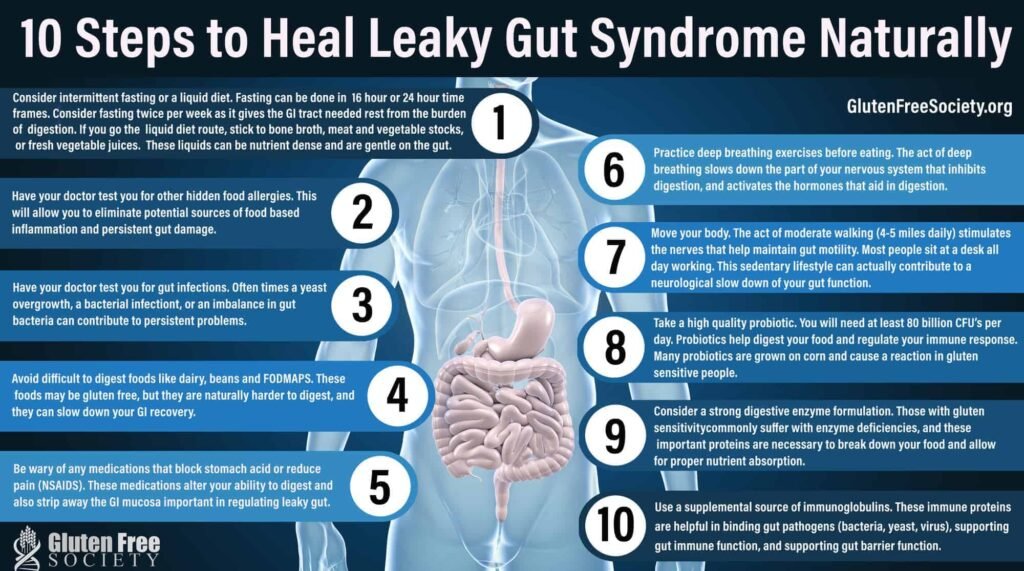
Practicing stress-relief techniques can significantly improve gut health. Some effective techniques include deep breathing exercises, meditation, yoga, regular exercise, and engaging in hobbies or activities that bring joy and relaxation. It is important to find what works best for you and incorporate stress-relief practices into your daily routine.

Mind-Body Practices for Gut Healing
Mind-body practices such as meditation and mindfulness have shown promise in improving gut health and reducing symptoms of Leaky Gut Syndrome. These practices help reduce stress, promote relaxation, and cultivate a healthy mind-body connection. By incorporating these practices into your routine, you can support digestive health and overall well-being.
Exercise as a Natural Remedy
Regular exercise has numerous benefits for overall health, including gut health. Exercise helps promote proper digestion, reduce inflammation, and support a healthy gut microbiome. Incorporating specific types of exercise into your routine can further enhance gut health and alleviate the symptoms of Leaky Gut Syndrome.
Benefits of Exercise for Gut Health
Exercise helps stimulate the muscles of the gastrointestinal tract, promoting regular bowel movements and preventing constipation. It improves blood flow to the digestive organs, enhancing nutrient absorption and waste elimination. Regular physical activity also reduces systemic inflammation, which can contribute to the development and progression of Leaky Gut Syndrome.
Recommended Types of Exercise
While any form of exercise can be beneficial, certain types of exercise are particularly beneficial for gut health. Cardiovascular exercises like brisk walking, jogging, or cycling help increase blood flow to the digestive system. Low-impact exercises such as yoga and Pilates can also be beneficial as they promote relaxation and improve digestion. Incorporating both cardiovascular and low-impact exercises into your routine can provide optimal gut health benefits.
Exercise Guidelines for Leaky Gut Syndrome
When incorporating exercise into your routine, it is important to start slowly and gradually increase intensity and duration. Aim for at least 30 minutes of moderate-intensity exercise most days of the week. Listen to your body and make modifications as needed. Be sure to stay hydrated, choose comfortable exercise attire, and consult with a healthcare professional before starting a new exercise program, especially if you have any underlying health conditions.
Importance of Sleep for Gut Healing
Quality sleep plays a crucial role in gut healing and overall health. During sleep, the body repairs and regenerates tissues, including the intestinal lining. Lack of sleep or poor sleep quality can impair the healing process and exacerbate the symptoms of Leaky Gut Syndrome.
Connection Between Sleep and Gut Health
Sleep deprivation has been shown to disrupt the gut microbiome, leading to imbalances in beneficial bacteria and an increase in harmful bacteria. This can contribute to increased intestinal permeability and inflammation. Additionally, inadequate sleep can impair digestion, leading to issues such as bloating and constipation.
Tips for Improving Sleep Quality
Prioritizing good sleep hygiene can greatly improve sleep quality and support gut healing. Establish a consistent sleep schedule, aiming for 7-9 hours of uninterrupted sleep each night. Create a relaxing bedtime routine that includes limiting exposure to screens, practicing relaxation techniques, and ensuring a comfortable sleep environment. Avoid caffeine and heavy meals close to bedtime, and engage in regular physical activity to support healthy sleep patterns.
Sleep Hygiene Practices
Good sleep hygiene practices can help optimize sleep quality and facilitate gut healing. Create a calm and comfortable sleep environment by keeping the bedroom cool, dark, and free from distractions. Establish a regular sleep schedule by going to bed and waking up at consistent times, even on weekends. Avoid stimulating activities, such as intense exercise or screen time, close to bedtime. By implementing these practices, you can support healthy sleep patterns and promote gut healing.
Reviewing Medication and Possible Alternatives
Certain medications can have a negative impact on gut health and contribute to Leaky Gut Syndrome. It is essential to review the medications you are taking and discuss possible alternatives with your healthcare provider to promote gut healing and overall well-being.
Evaluate Medications’ Impact on Gut Health
Some medications, such as non-steroidal anti-inflammatory drugs (NSAIDs) and antibiotics, can disrupt the balance of the gut microbiome and contribute to intestinal permeability. Long-term use of these medications may have adverse effects on gut health. It is important to evaluate the potential impact of medications on gut health and explore alternative treatment options.
Discuss Alternative Treatments with Healthcare Provider
When considering alternatives to medications that may negatively impact gut health, it is essential to consult with a healthcare provider. They can provide guidance on potential alternative treatments or suggest adjustments to current medications that may have a lesser impact on gut health. It is important to work together with your healthcare provider to find the approach that best supports gut healing and overall health.
In conclusion, Leaky Gut Syndrome is a condition that can have wide-ranging effects on health. By understanding its causes, signs, and symptoms, as well as implementing dietary changes, supplements, stress management techniques, exercise, and healthy sleep practices, individuals can take proactive steps to promote gut healing and overall well-being. It is important to consult with a healthcare professional for proper diagnosis, guidance, and support throughout the journey to improved gut health.
Related Terms About Natural Remedy For Leaky Gut Syndrome.
Cure For Leaky Gut Syndrome Symptoms, How To Cure Leaky Gut Syndrome, Remedy For Leaky Gut Syndrome, Treating Leaky Gut Syndrome In Horses, Treatment For Leaky Gut Syndrome Symptoms, What Is The Best Home Remedy For Leaky Gut