
In this article, you will discover valuable information on preventing and managing Leaky Gut Syndrome. Leaky Gut Syndrome, a condition that affects the lining of the intestines, can lead to a range of health issues. From understanding the causes to learning effective prevention methods and helpful management strategies, this article will provide practical insights for maintaining a healthy gut and overall well-being. Get ready to explore the world of Leaky Gut Syndrome and take proactive steps towards a healthier you.
Understanding Leaky Gut Syndrome
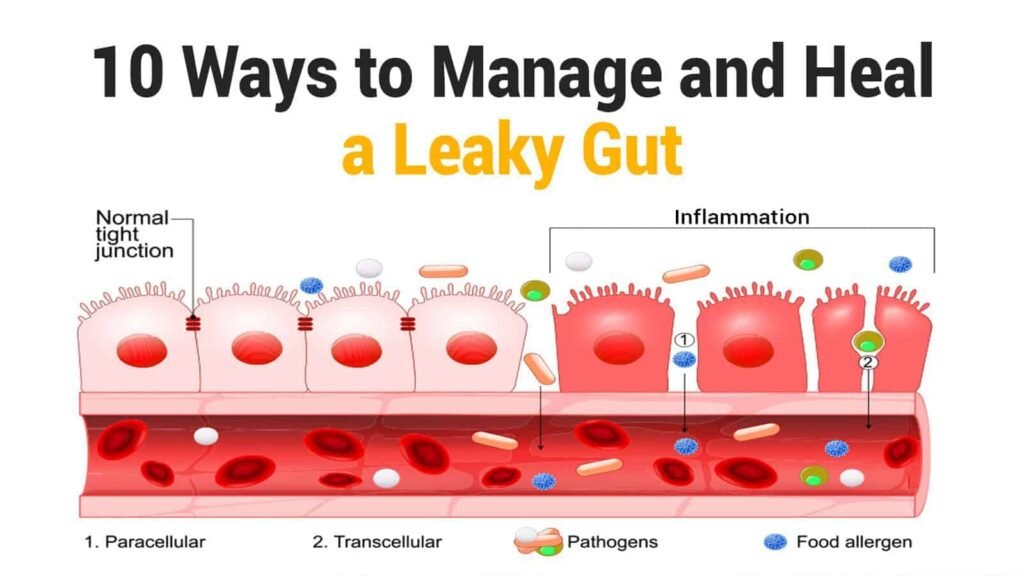
Leaky Gut Syndrome, also known as increased intestinal permeability, is a condition characterized by the lining of the small intestine becoming damaged and more porous than it should be. This increased permeability allows toxins, bacteria, and undigested food particles to enter the bloodstream, leading to a range of symptoms and health issues. While the medical community is still studying and understanding this condition, there is growing evidence to suggest that it may play a role in various autoimmune disorders, allergies, and digestive problems.
What is Leaky Gut Syndrome?
Leaky Gut Syndrome refers to the condition in which the protective barrier of the intestines becomes compromised, allowing harmful substances to leak into the bloodstream. The lining of the small intestine is normally designed to allow the absorption of nutrients while preventing the passage of unwanted substances. However, when this lining is damaged, gaps can form between the cells, leading to increased permeability.
Causes of Leaky Gut Syndrome
Several factors can contribute to the development of Leaky Gut Syndrome. Chronic inflammation, caused by conditions like Crohn’s disease or celiac disease, can damage the intestinal lining over time. Poor diet, high in processed foods, unhealthy fats, and sugar, can also contribute to increased intestinal permeability. Other potential causes include chronic stress, imbalances in gut bacteria, and certain medications like nonsteroidal anti-inflammatory drugs (NSAIDs) and antibiotics.
Symptoms of Leaky Gut Syndrome
The symptoms of Leaky Gut Syndrome can vary from person to person and can often be misdiagnosed as other conditions. Common symptoms include bloating, gas, constipation, diarrhea, food intolerances, fatigue, joint pain, and skin issues. It is important to note that these symptoms can also be indicative of other digestive disorders or underlying health issues. If you suspect you may have Leaky Gut Syndrome, it is best to consult with a healthcare professional for a proper diagnosis.
Diagnosing Leaky Gut Syndrome
Diagnosing Leaky Gut Syndrome can be a challenging task as there is no standardized test available. However, healthcare professionals may use a combination of clinical evaluation, laboratory tests, and an intestinal permeability test to make an accurate diagnosis.
Clinical Evaluation
During a clinical evaluation, your doctor will review your medical history, discuss your symptoms, and conduct a physical examination. They may also ask you questions about your diet, lifestyle, and any potential triggers that may be contributing to your symptoms.
Laboratory Tests
Various laboratory tests can be useful in assessing and diagnosing Leaky Gut Syndrome. These tests may include blood tests to check for markers of inflammation, food sensitivity testing to identify potential trigger foods, and stool tests to evaluate the health of the gut microbiome.
Intestinal Permeability Test
An intestinal permeability test, also known as a lactulose/mannitol test, is used to assess the increased permeability of the intestines. This test involves drinking a specific solution containing lactulose and mannitol and collecting urine samples over a certain period. The levels of these substances in the urine can provide insight into the integrity of the intestinal lining.
Preventing Leaky Gut Syndrome
While the exact cause of Leaky Gut Syndrome may not always be clear, there are several preventive measures you can take to reduce your risk or prevent further damage to the intestinal lining.
Maintaining a Healthy Diet
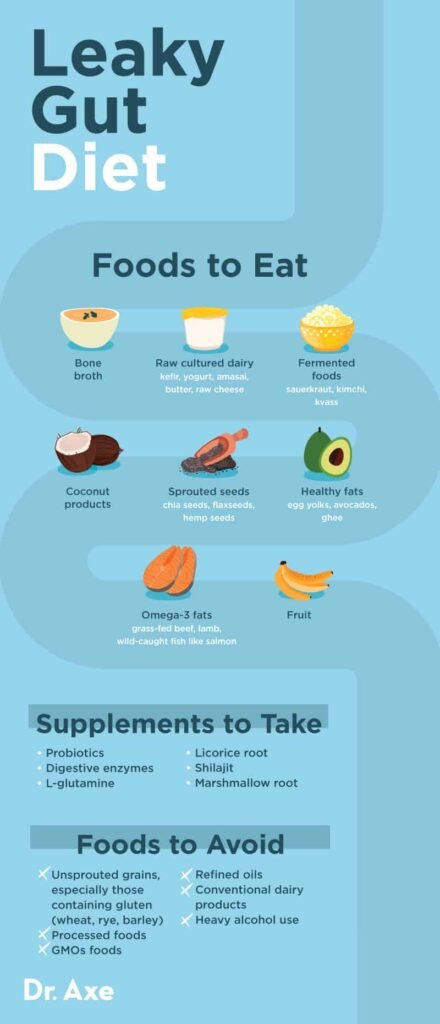
A healthy diet plays a crucial role in preventing Leaky Gut Syndrome. Focus on consuming whole, unprocessed foods that are rich in nutrients and fiber. Incorporate plenty of fruits, vegetables, lean proteins, healthy fats, and whole grains into your meals. Avoid or limit processed foods, sugar, refined carbohydrates, and artificial ingredients as these can contribute to inflammation and gut damage.
Avoiding Food Triggers
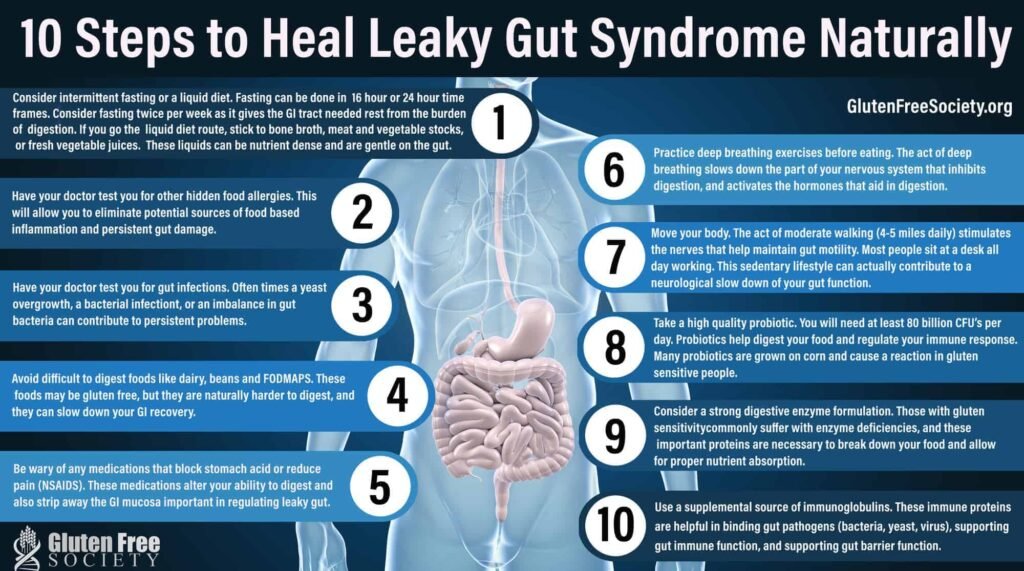
Identifying and avoiding foods that trigger symptoms is essential in preventing or managing Leaky Gut Syndrome. Keep a food diary to track your diet and any related symptoms. Common trigger foods include gluten, dairy, soy, and certain food additives. Eliminating or minimizing these trigger foods from your diet can help reduce inflammation and promote gut healing.
Managing Stress Levels
Stress can have a significant impact on our overall health, including gut health. Chronic stress can weaken the immune system and disrupt the balance of gut bacteria, leading to increased intestinal permeability. Engaging in stress-reducing activities such as meditation, yoga, deep breathing exercises, or hobbies can be helpful in preventing and managing Leaky Gut Syndrome.
Healing Leaky Gut Syndrome
Once diagnosed with Leaky Gut Syndrome, the focus shifts to healing the damaged intestinal lining and addressing any underlying conditions that may be contributing to the problem. Here are some key approaches to consider:
Identifying and Treating Underlying Conditions
In order to heal Leaky Gut Syndrome, it is important to identify and address any underlying conditions that may have contributed to the development of the condition. This may involve working closely with a healthcare professional to manage conditions such as inflammatory bowel disease, celiac disease, or any other autoimmune disorders present.
Supplementing with Key Nutrients
Certain key nutrients can support the healing process and promote gut health. L-Glutamine, an amino acid, has been shown to help repair the intestinal lining and reduce inflammation. Omega-3 fatty acids, found in fatty fish and flaxseeds, have anti-inflammatory properties that can aid in healing. Other nutrients like zinc, vitamin D, and probiotics may also be beneficial in supporting gut health and healing.
Supporting Gut Health
Promoting a healthy gut environment is essential in healing Leaky Gut Syndrome. Consuming probiotic-rich foods, such as yogurt, sauerkraut, and kefir, can introduce beneficial bacteria into the gut and restore the balance of the microbiome. Prebiotic foods, such as garlic, onions, and bananas, provide nourishment for the beneficial gut bacteria, allowing them to thrive.
Dietary Approaches for Leaky Gut Syndrome
When it comes to dietary approaches for Leaky Gut Syndrome, there are a few different strategies that can be helpful in promoting gut healing and reducing inflammation.
Elimination Diet
An elimination diet involves removing common trigger foods from your diet for a certain period and then gradually reintroducing them to identify any specific food sensitivities. This approach can help pinpoint which foods may be contributing to your symptoms and allow you to make necessary dietary adjustments to promote healing.
Anti-inflammatory Diet
An anti-inflammatory diet focuses on consuming foods that reduce inflammation in the body. This includes plenty of fruits, vegetables, whole grains, lean proteins, and healthy fats. Avoiding processed foods, refined sugars, and trans fats can also be beneficial in reducing inflammation and promoting gut healing.
Gut-Healing Foods
Incorporating specific gut-healing foods into your diet can support the healing process. Bone broth, for example, is rich in nutrients and collagen that can help repair the intestinal lining. Fermented foods, like kimchi and kombucha, provide beneficial probiotics that promote a healthy gut environment. Other gut-healing foods to consider include aloe vera, slippery elm, and marshmallow root.

Supplements for Leaky Gut Syndrome
In addition to dietary changes, certain supplements can provide additional support in healing Leaky Gut Syndrome and restoring gut health.
Probiotics
Probiotics are live microorganisms, often referred to as “good bacteria,” that can introduce beneficial strains into the gut and restore the balance of the microbiome. Look for a high-quality probiotic supplement that contains a diverse range of strains and follow the recommended dosage.
L-Glutamine
L-Glutamine is an amino acid that plays a crucial role in gut health and healing. It has been shown to support the repair of the intestinal lining, reduce inflammation, and improve overall gut function. Consult with a healthcare professional for the appropriate dosage and duration of supplementation.
Digestive Enzymes
Digestive enzymes are supplements that can help break down food particles and improve digestion. This can be especially helpful for individuals with Leaky Gut Syndrome as it can reduce the burden on the digestive system and promote better nutrient absorption. Speak with a healthcare professional to determine the appropriate digestive enzyme supplement for your needs.
Lifestyle Modifications for Leaky Gut Syndrome
In addition to dietary and supplementation changes, certain lifestyle modifications can also support overall gut health and healing.
Reducing Stress
Chronic stress can negatively impact gut health and contribute to Leaky Gut Syndrome. Engaging in stress-reducing activities, such as meditation, yoga, or spending time in nature, can help lower stress levels and promote a healthy gut environment.
Getting Adequate Sleep
Quality sleep is essential for overall health and wellness, including gut health. Aim for seven to eight hours of restful sleep each night. Establish a bedtime routine, create a relaxing sleep environment, and practice good sleep hygiene habits to optimize sleep quality.
Regular Exercise
Regular exercise offers numerous benefits for gut health. It helps regulate bowel movements, reduces stress, strengthens the immune system, and promotes overall well-being. Aim for a combination of cardiovascular exercise, strength training, and stretching for optimal gut health.
Managing Food Triggers
Identifying and managing food triggers is crucial in preventing symptom flare-ups and promoting gut healing.
Identifying Food Sensitivities
Keeping track of your diet and any related symptoms can help identify potential food sensitivities or triggers. You may choose to work with a healthcare professional or a registered dietitian to conduct a more structured elimination diet or food sensitivity testing.
Eliminating Trigger Foods
Once trigger foods have been identified, it is important to eliminate them from your diet. This can help alleviate symptoms and reduce inflammation in the gut. Be aware of hidden sources of trigger foods and read food labels carefully.
Rotating the Diet
If you have developed sensitivities to certain foods, rotating your diet can help prevent further sensitivities from developing. By introducing variety into your meals and not relying heavily on any one food, you can reduce the chances of developing new sensitivities.
Supportive Therapies for Leaky Gut Syndrome
In addition to lifestyle and dietary changes, supportive therapies can offer additional relief and healing for those with Leaky Gut Syndrome.
Stress Management Techniques
Incorporating stress management techniques into your daily routine can help reduce stress levels and promote gut healing. This can include practices such as mindfulness meditation, deep breathing exercises, journaling, or engaging in hobbies and activities you enjoy.
Acupuncture
Acupuncture is an ancient Chinese practice that involves the insertion of thin needles into specific points on the body. It has been shown to promote relaxation, reduce inflammation, and balance the body’s energy, which can support gut healing.
Hydrotherapy
Hydrotherapy, also known as water therapy, utilizes water at different temperatures to support healing and relaxation. Techniques such as hot and cold compresses, sitz baths, and contrast showers can improve blood circulation, reduce inflammation, and promote overall gut health.
Long-Term Maintenance and Prevention
Once you have successfully managed and healed Leaky Gut Syndrome, it is important to maintain your progress and prevent future flare-ups.
Continuing a Healthy Diet
Even after healing Leaky Gut Syndrome, it is crucial to continue following a healthy diet that supports gut health. Emphasize whole, unprocessed foods, plenty of fruits and vegetables, lean proteins, and healthy fats. Limit or avoid trigger foods and processed, sugary items.
Monitoring Gut Health
Regular check-ins with your healthcare professional can help monitor your gut health and catch any signs of recurrence or related conditions. They can recommend appropriate tests or screenings to ensure that your gut is functioning optimally.
Addressing Potential Triggers
If you notice any symptoms or flare-ups, it is important to address them promptly. Identifying and addressing any potential triggers, whether it’s stress, dietary choices, or lifestyle factors, can help prevent Leaky Gut Syndrome from recurring.
In conclusion, Leaky Gut Syndrome is a complex condition that can have a significant impact on overall health and well-being. By understanding the causes, symptoms, and ways to diagnose and prevent Leaky Gut Syndrome, individuals can take proactive steps towards healing and maintaining a healthy gut. Implementing dietary changes, supplementation, lifestyle modifications, and supportive therapies can provide relief and long-term management. Remember, it is always advisable to consult with a healthcare professional for personalized guidance and treatment options.