
Are you struggling with the discomfort and inconvenience of Leaky Gut Syndrome? If so, look no further! In this article, we will explore various dietary strategies that can help heal Leaky Gut Syndrome. From incorporating gut-friendly foods to avoiding triggers, these simple yet effective tips will empower you to take control of your gut health and find relief from the symptoms of Leaky Gut Syndrome. So, let’s dive right in and discover the power of dietary choices in combating this common digestive issue.
Understanding Leaky Gut Syndrome
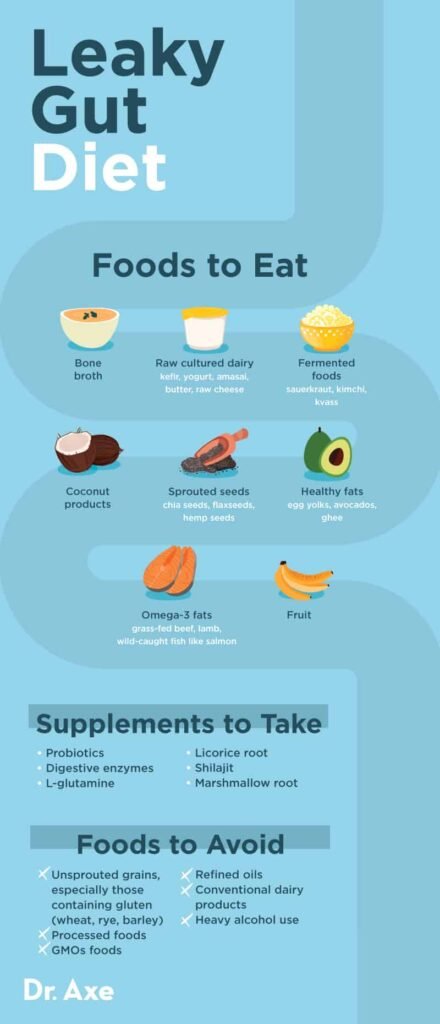
Leaky Gut Syndrome, also known as intestinal permeability, is a condition where the lining of the gut becomes damaged and allows toxins, bacteria, and undigested food particles to leak into the bloodstream. This can trigger an autoimmune response, leading to a variety of health issues. The causes of Leaky Gut Syndrome can vary, but some common factors include chronic inflammation, a poor diet, stress, and certain medications such as nonsteroidal anti-inflammatory drugs (NSAIDs) and antibiotics. It is important to understand the symptoms and potential complications of this condition in order to take appropriate steps towards healing.
Symptoms and Complications
Leaky Gut Syndrome can present with a wide range of symptoms, making it difficult to diagnose. Common symptoms include bloating, gas, diarrhea, constipation, food sensitivities, fatigue, joint pain, skin rashes, and brain fog. If left untreated, Leaky Gut Syndrome can lead to more severe complications, including autoimmune disorders, chronic fatigue syndrome, irritable bowel syndrome (IBS), depression, and even allergies. Recognizing these symptoms and understanding the potential complications is crucial in addressing this condition effectively.
The Role of Diet in Healing Leaky Gut Syndrome
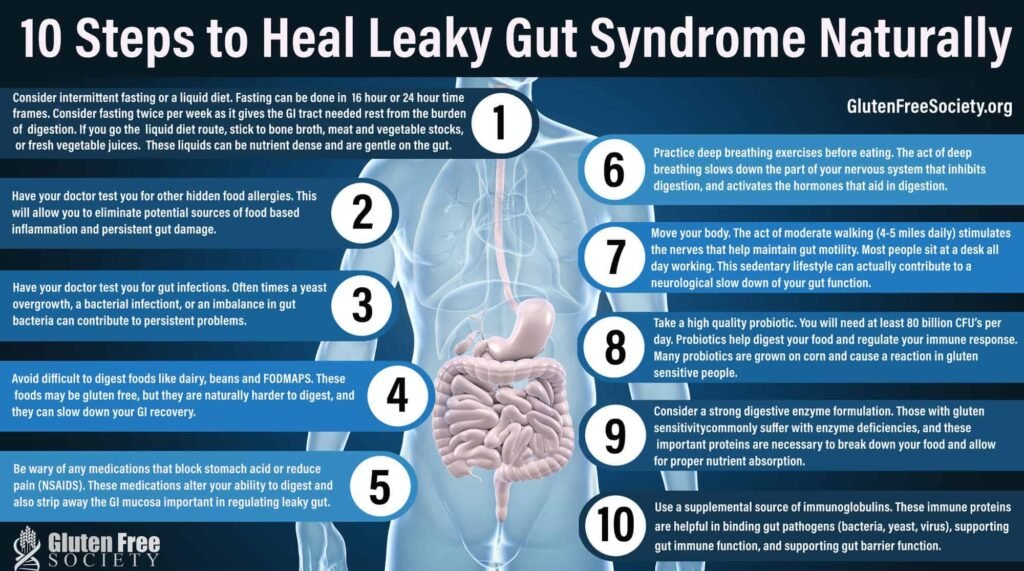
Diet plays a pivotal role in the treatment and healing of Leaky Gut Syndrome. Making the right dietary choices can reduce inflammation, promote gut health, and support the restoration of the gut lining. It is important to follow a diet that eliminates trigger foods while incorporating gut-friendly and anti-inflammatory foods. This approach, known as the gut-healing protocol, can be divided into different phases to achieve optimal results.
Importance of Diet
A healthy, well-balanced diet is essential for overall well-being, but it becomes even more crucial when dealing with Leaky Gut Syndrome. A diet that focuses on nourishing the body with whole, unprocessed foods can help reduce inflammation, support gut health, and strengthen the immune system. By providing the necessary nutrients and avoiding potential triggers, you can aid in the healing process and alleviate symptoms.
Foods to Avoid
Certain foods can contribute to gut inflammation and aggravate Leaky Gut Syndrome symptoms. It is important to temporarily eliminate these trigger foods from your diet during the elimination phase. Common trigger foods include gluten, dairy products, refined sugars, processed foods, alcohol, and caffeine. By avoiding these inflammatory foods, you can give your gut a chance to heal and alleviate the symptoms associated with Leaky Gut Syndrome.
Foods to Include
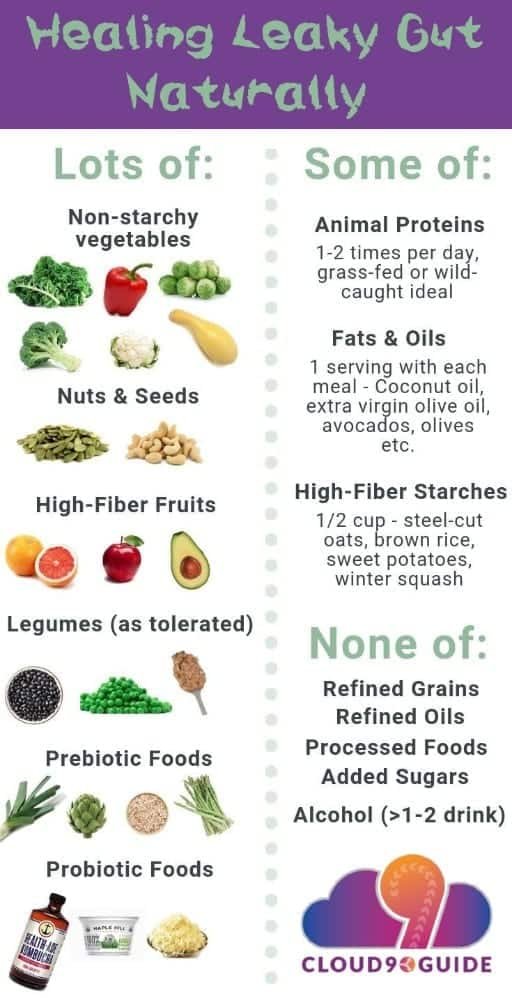
While eliminating trigger foods is crucial, it is equally important to include gut-friendly foods in your diet. These foods promote the growth of beneficial gut bacteria, provide essential nutrients, and support the healing process. Incorporating a variety of fiber-rich foods, glutamine-rich foods, and probiotic-rich foods can be highly beneficial. This not only aids in repairing the damaged gut lining but also strengthens the overall gut health.
The Gut-Healing Protocol
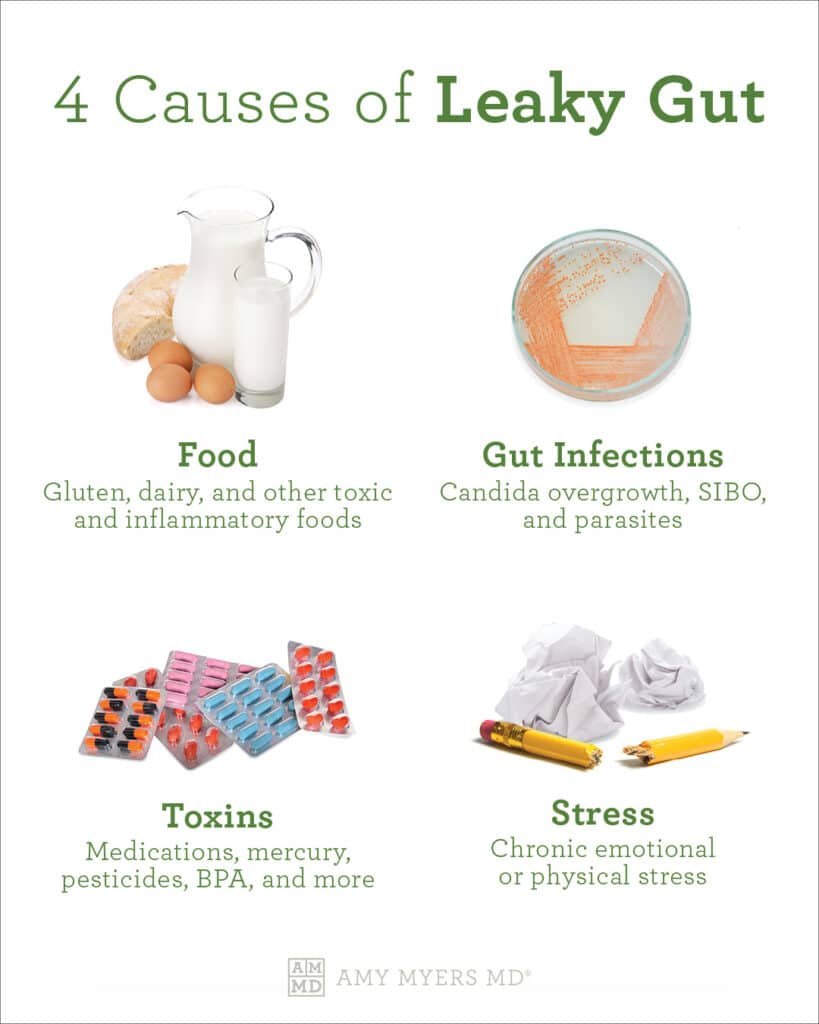
The gut-healing protocol is a comprehensive approach to address Leaky Gut Syndrome effectively. It involves eliminating trigger foods during the elimination phase, followed by a gradual reintroduction of foods to identify any further sensitivities. Alongside this, incorporating gut-friendly, anti-inflammatory foods and supplements can maximize the healing process. The exact protocol may vary from person to person, as it is important to consider individual sensitivities and needs.
Elimination Phase
The elimination phase is the initial step in the gut-healing protocol. This phase involves identifying trigger foods by temporarily eliminating them from your diet. By removing potential irritants, you can reduce inflammation in the gut and allow it to heal. Common foods to eliminate during this phase include gluten, dairy, soy, corn, eggs, and nightshade vegetables. It is important to maintain a well-balanced diet during this phase by incorporating nutrient-dense foods that are not triggers.
Introduction to an Elimination Diet
An elimination diet is an effective way to identify specific food sensitivities and triggers that can exacerbate Leaky Gut Syndrome symptoms. This involves removing potentially problematic foods for a period of time, about 4-6 weeks, and then gradually reintroducing them one by one to identify any adverse reactions. This process allows you to create a personalized diet that avoids foods that may cause inflammation and worsen your symptoms.
Gut-Friendly Foods
Once you have identified your trigger foods, it is important to focus on incorporating gut-friendly foods into your diet. These foods support gut health, promote the growth of beneficial bacteria, and aid in the healing process. A well-balanced diet that includes a variety of fiber-rich foods, glutamine-rich foods, and probiotic-rich foods can be beneficial in restoring the integrity of the gut lining and reducing inflammation.
The Importance of a Balanced Diet
A balanced diet that includes a variety of fruits, vegetables, whole grains, lean proteins, and healthy fats is essential for overall health, but it becomes particularly important when healing Leaky Gut Syndrome. A nutrient-rich diet provides the necessary vitamins, minerals, and antioxidants to support gut health and reduce inflammation. Aim for a diverse range of foods to ensure you’re getting a wide array of nutrients that can aid in the healing process.
Fiber-Rich Foods
Fiber is crucial for gut health as it helps regulate bowel movements, supports the growth of beneficial gut bacteria, and aids in the elimination of toxins. Incorporating fiber-rich foods such as fruits, vegetables, whole grains, nuts, and seeds can improve digestion and promote a healthy gut. Aim for a variety of soluble and insoluble fiber sources to ensure a well-rounded intake.
Glutamine-Rich Foods
Glutamine is an amino acid that plays a key role in repairing the gut lining and maintaining the integrity of the intestinal barrier. Including glutamine-rich foods such as bone broth, grass-fed meat, poultry, fish, and spinach can provide the necessary building blocks for gut repair. Additionally, glutamine supplements may be beneficial for supporting the healing process, especially during more severe cases of Leaky Gut Syndrome.
Probiotic-Rich Foods
Probiotics are beneficial bacteria that help restore the balance of gut flora and improve overall gut health. Including probiotic-rich foods in your diet can promote the growth of these beneficial bacteria and aid in the healing process. Fermented foods such as sauerkraut, kimchi, kombucha, and yogurt can be excellent sources of probiotics. Alternatively, you can consider taking a high-quality probiotic supplement to ensure an adequate intake.
Anti-Inflammatory Foods
Reducing inflammation is crucial in healing Leaky Gut Syndrome. Including foods with anti-inflammatory properties in your diet can help alleviate symptoms and support the healing process. These foods contain compounds that inhibit inflammation and reduce oxidative stress in the body.
Foods with Anti-Inflammatory Properties
Certain foods have been found to possess potent anti-inflammatory properties. Including foods such as fatty fish (salmon, mackerel), leafy greens, berries, turmeric, ginger, and green tea can help reduce inflammation in the gut and throughout the body. By incorporating these foods into your diet, you can support the healing process and alleviate symptoms associated with Leaky Gut Syndrome.
Omega-3 Fatty Acids
Omega-3 fatty acids are a type of healthy fat that have been shown to have powerful anti-inflammatory effects. Including foods rich in omega-3s, such as fatty fish, chia seeds, flaxseeds, and walnuts, can help reduce inflammation in the gut and promote gut healing. Alternatively, omega-3 supplements derived from high-quality fish oil can be considered to ensure an adequate intake of these beneficial fats.
Turmeric and Ginger
Turmeric and ginger are well-known for their anti-inflammatory properties. These spices contain compounds with potent antioxidant and anti-inflammatory effects. Incorporating turmeric and ginger into your diet, either in fresh or powdered form, can help reduce inflammation and support the healing of the gut lining. You can add these spices to various dishes, smoothies, or enjoy them in a warm cup of turmeric or ginger tea.
Bone Broth
Bone broth is a nutrient-rich liquid made by simmering high-quality animal bones and connective tissues. It is rich in amino acids, collagen, gelatin, and other beneficial compounds that support gut health and repair the gut lining. Including bone broth as a regular part of your diet can provide essential nutrients and aid in healing Leaky Gut Syndrome. You can enjoy bone broth on its own or use it as a base for soups, stews, and other dishes.
Healing Supplements
In addition to a well-balanced diet, certain supplements can support the healing process of Leaky Gut Syndrome. These supplements provide essential nutrients, promote gut health, and help repair the damaged gut lining. While it is important to consult with a healthcare professional before incorporating any supplements, some commonly recommended ones include digestive enzymes, L-glutamine, probiotics, and collagen peptides.
Role of Supplements
Supplements play a supportive role in healing Leaky Gut Syndrome by providing concentrated doses of specific nutrients that aid in gut repair. They can enhance the effectiveness of dietary changes and provide additional support to the healing process. However, it is important to remember that supplements should not replace a healthy diet and lifestyle but should be used as an adjunct therapy under the guidance of a healthcare professional.
Digestive Enzymes
Digestive enzymes can be beneficial in breaking down food particles and ensuring proper nutrient absorption. Including digestive enzyme supplements with meals can support the digestive process and reduce strain on the gut. This can be particularly helpful for individuals with Leaky Gut Syndrome who may have difficulty digesting certain foods.
L-Glutamine
L-glutamine is an amino acid that plays a crucial role in repairing the intestinal lining and promoting gut health. Supplementing with L-glutamine can provide the necessary building blocks for gut repair and aid in alleviating symptoms. It is important to consult with a healthcare professional to determine the appropriate dosage and duration of supplementation based on individual needs.
Probiotics
Probiotics are live bacteria and yeasts that are beneficial for gut health. They can help restore the balance of gut flora and promote a healthy gut environment. Supplementing with a high-quality probiotic can be beneficial in supporting the healing process of Leaky Gut Syndrome. It is important to choose a probiotic that contains a variety of strains to ensure optimal gut health.
Collagen Peptides
Collagen is a protein that provides structure and support to various tissues in the body, including the gut lining. Supplementing with collagen peptides can support gut healing by providing the necessary amino acids for tissue repair. Adding collagen peptides to your diet can help strengthen the gut lining and promote overall gut health.
Stress Reduction and Lifestyle Changes
Stress can have a significant impact on gut health, exacerbating symptoms of Leaky Gut Syndrome. Implementing stress reduction techniques and lifestyle changes can play a pivotal role in the healing process.
Impact of Stress on Gut Health
Chronic stress can disrupt the balance of gut bacteria, increase intestinal permeability, and contribute to inflammation in the gut. This can worsen Leaky Gut Syndrome symptoms and impede the healing process. It is essential to manage stress effectively to support gut health and promote healing.
Relaxation Techniques
Incorporating relaxation techniques into your daily routine can help reduce stress levels and support gut health. Techniques such as deep breathing exercises, meditation, yoga, and mindfulness can promote a sense of calm and relaxation. Find what works best for you and make it a priority to practice these techniques regularly.
Quality Sleep
Sleep plays a vital role in overall health and well-being, including gut health. Lack of quality sleep can disrupt the balance of gut bacteria, increase inflammation, and impair the healing process. Aim for 7-9 hours of uninterrupted sleep per night and practice good sleep hygiene to support gut health and promote optimal healing.
Regular Exercise
Physical activity has numerous benefits for gut health, including reducing inflammation, improving digestion, and promoting a healthy gut microbiome. Incorporating regular exercise into your routine can help alleviate symptoms of Leaky Gut Syndrome and support the healing process. Aim for a combination of aerobic exercises, strength training, and low impact activities that you enjoy.
Meal Planning and Preparation
Meal planning and preparation are valuable tools when it comes to healing Leaky Gut Syndrome. By planning and preparing meals ahead of time, you can ensure that you have nutritious, gut-friendly options available and minimize the chances of reaching for trigger foods.
Meal Planning Tips
When meal planning for Leaky Gut Syndrome, it is important to incorporate a variety of nutrient-dense, gut-friendly foods. Plan your meals to include a balance of proteins, carbohydrates, and healthy fats. Focus on whole, unprocessed foods and minimize the use of added sugars, refined grains, and artificial ingredients. Consider incorporating gut-healing ingredients such as bone broth, fermented foods, and anti-inflammatory spices.
Healthy Recipe Ideas
Having a collection of healthy, gut-friendly recipes on hand can make meal planning and preparation easier. Consider recipes that include lean proteins, fiber-rich vegetables, gluten-free grains, and healthy fats. Delicious options include roasted salmon with steamed vegetables, quinoa salad with mixed greens, and stir-fried vegetables with tofu or lean chicken. Explore different recipes that align with your dietary needs and incorporate gut-healing ingredients.
Batch Cooking and Meal Prepping
Batch cooking and meal prepping can save time and ensure that you always have a healthy meal on hand. Dedicate a day each week to prepare larger quantities of proteins, grains, and vegetables that can be portioned and stored for quick and convenient meals throughout the week. This can help you stay on track with your gut-healing diet and minimize the temptation to reach for unhealthy options.
Adherence and Maintenance
Adhering to a gut-healing diet and making necessary lifestyle changes can be challenging, but it is essential for long-term healing of Leaky Gut Syndrome. It is important to create a long-term plan and make adjustments as needed to ensure continued improvement.
Creating a Long-Term Plan
Creating a long-term plan is crucial for maintaining gut health and preventing the recurrence of Leaky Gut Syndrome symptoms. This involves incorporating the principles of a gut-friendly diet into your everyday life, managing stress effectively, and adopting healthy lifestyle habits. Work with a healthcare professional or a registered dietitian to develop a personalized long-term plan that suits your individual needs.
Monitoring Symptom Improvement
As you implement dietary and lifestyle changes, it is important to monitor symptom improvement and make adjustments as needed. Keep a journal to track any changes in symptoms, energy levels, digestion, and overall well-being. This will help you identify any trigger foods or lifestyle factors that may be exacerbating your symptoms and allow you to make necessary modifications to your plan.
Adjusting the Diet as Needed
The healing journey for Leaky Gut Syndrome is unique to each individual, and it may require some trial and error to identify what works best for you. As you go through the gut-healing protocol, pay attention to how your body responds to different foods and lifestyle changes. If you notice certain foods causing discomfort or symptoms to resurface, consider removing them from your diet permanently or seeking guidance from a healthcare professional.
Seeking Professional Guidance
Seeking guidance from a healthcare professional, such as a registered dietitian or a functional medicine practitioner, can be invaluable in the healing process. They can help create a personalized plan, provide support and education, and guide you through the steps to heal Leaky Gut Syndrome. Remember, everyone’s journey is different, and professional guidance can ensure that you are taking the most appropriate steps for your individual needs.
Conclusion
Understanding and addressing Leaky Gut Syndrome requires a comprehensive approach that includes dietary changes, lifestyle modifications, and potentially the use of supplements. By eliminating trigger foods, incorporating gut-friendly and anti-inflammatory foods, managing stress, and making lifestyle adjustments, you can support the healing process and alleviate symptoms. Remember to adopt an individualized approach and seek professional guidance to create a long-term plan for gut health. With the right strategies, there is hope for healing and achieving optimal gut health.