
Have you been struggling with digestive issues, fatigue, or food sensitivities? If so, you might be suffering from Leaky Gut Syndrome, a condition that occurs when the lining of the intestines becomes more permeable, allowing toxins and bacteria to leak into your bloodstream. But don’t worry, there are effective treatments available to help you heal and restore your gut health. In this article, we will explore some of these treatments and how they can make a positive difference in your overall well-being. So, let’s dive in and discover how you can regain control over your gut health and live a happier, healthier life.
Understanding Leaky Gut Syndrome
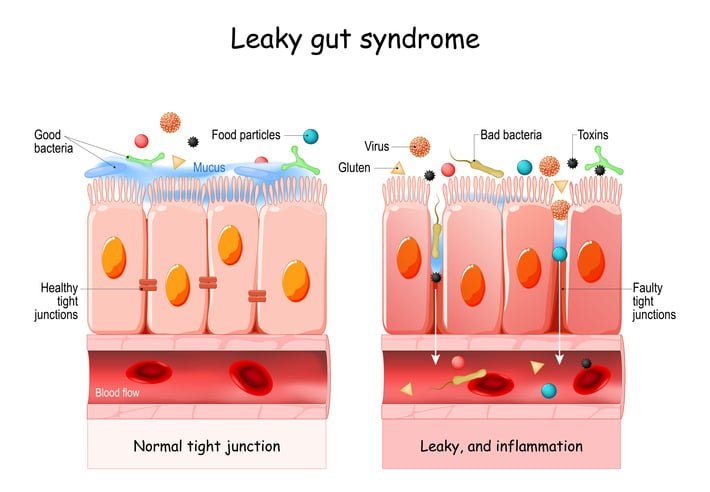
Leaky Gut Syndrome, also known as increased intestinal permeability, is a condition that can severely affect your digestive system. It occurs when the lining of your intestines becomes damaged, allowing harmful substances such as bacteria, toxins, and undigested food particles to leak into your bloodstream. This leakage can trigger inflammation and cause a wide range of symptoms throughout the body. Understanding the causes, symptoms, and effective treatments for Leaky Gut Syndrome is crucial for managing this condition and improving your overall health.
What is Leaky Gut Syndrome?
Leaky Gut Syndrome is a condition in which the tight junctions in the lining of your intestines become damaged and permeable, allowing substances to leak into the bloodstream. Normally, the lining of your intestines acts as a barrier, selectively allowing nutrients to be absorbed while keeping harmful substances out. However, when the integrity of this barrier is compromised, it can lead to numerous health issues.
Causes of Leaky Gut Syndrome
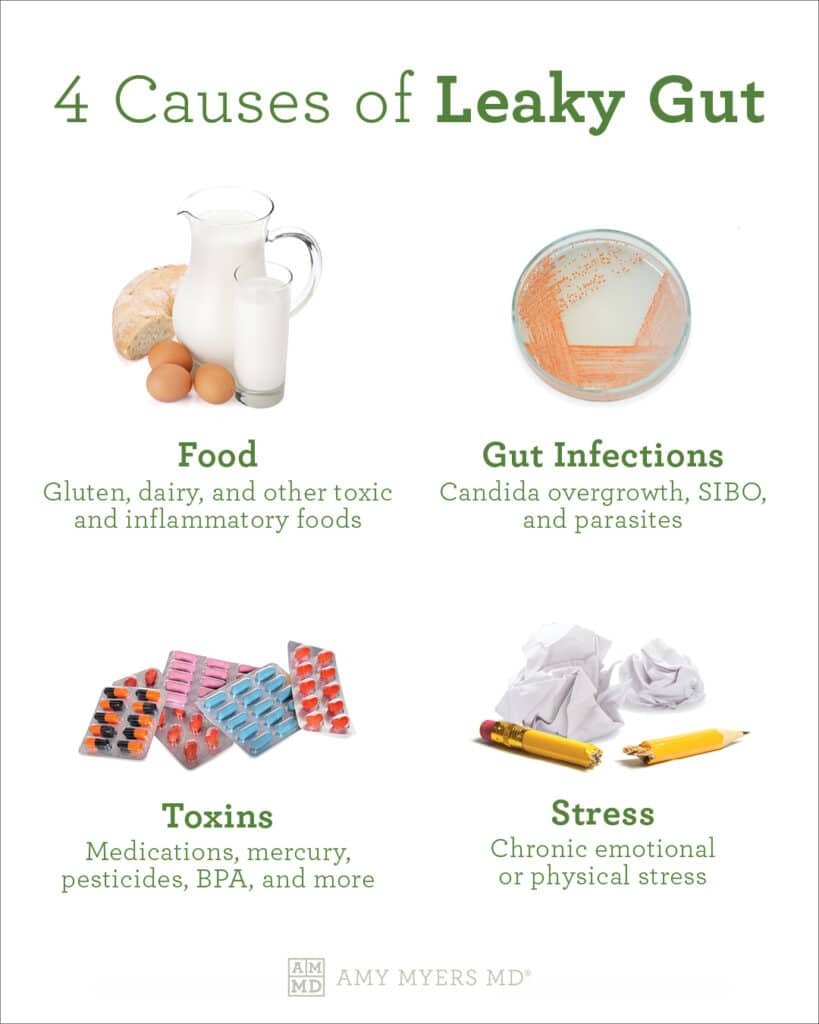
Several factors can contribute to the development of Leaky Gut Syndrome. Chronic stress, poor diet, certain medications (such as nonsteroidal anti-inflammatory drugs and antibiotics), infections, and imbalances in the gut microbiome can all contribute to intestinal permeability. Additionally, environmental factors, such as exposure to toxins and pollutants, can further damage the intestinal lining.
Symptoms of Leaky Gut Syndrome
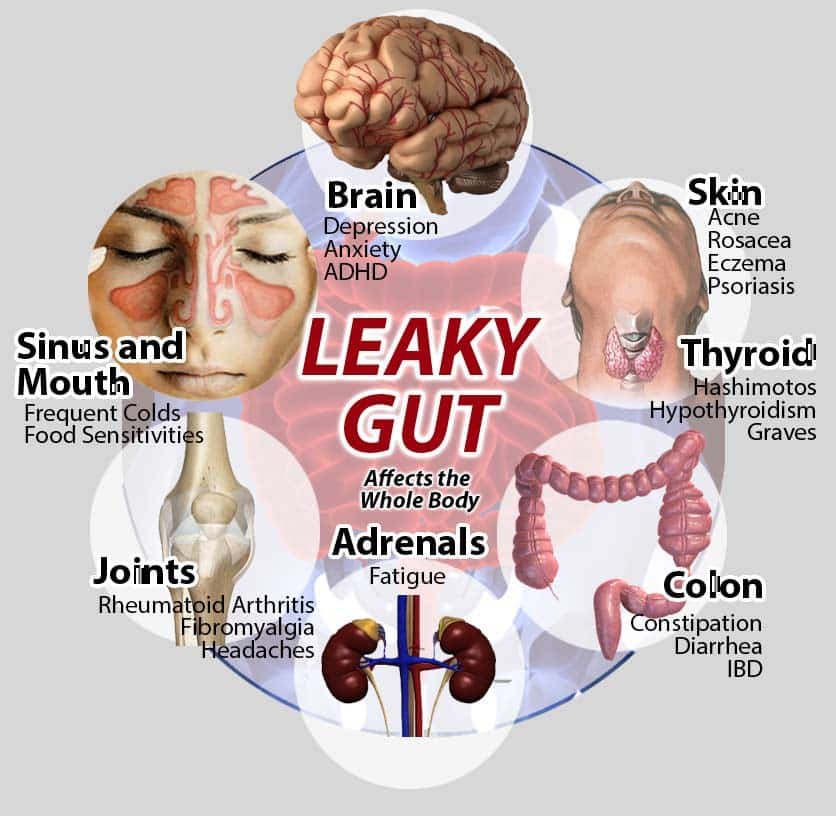
The symptoms of Leaky Gut Syndrome can be wide-ranging and often manifest in different parts of the body. Some common symptoms include digestive issues such as bloating, gas, diarrhea, and constipation. You may also experience food sensitivities, skin problems like eczema and acne, joint pain, fatigue, brain fog, and even mood disorders like anxiety and depression. Identifying these symptoms can help in diagnosing and managing Leaky Gut Syndrome effectively.
Diagnosing Leaky Gut Syndrome
To diagnose Leaky Gut Syndrome, healthcare professionals employ various methods that involve physical examination, medical history assessment, and laboratory tests.
Physical Examination
During a physical examination, your doctor may examine your abdomen for any signs of tenderness, bloating, or abnormal sounds. They may also conduct a thorough examination of your skin, looking for any signs of inflammation or rashes that could be indicative of Leaky Gut Syndrome.
Medical History
A comprehensive medical history assessment can provide essential insights into your overall health and potential risk factors for Leaky Gut Syndrome. Your doctor will ask about your symptoms, dietary habits, stress levels, and any medications or supplements you are taking.
Laboratory Tests
Laboratory tests can be crucial in diagnosing Leaky Gut Syndrome. These tests may include blood tests to check for elevated levels of certain markers, stool tests to assess the balance of bacteria and yeast in your gut, and urine tests to detect the presence of toxins or substances that may have leaked through the damaged gut lining.
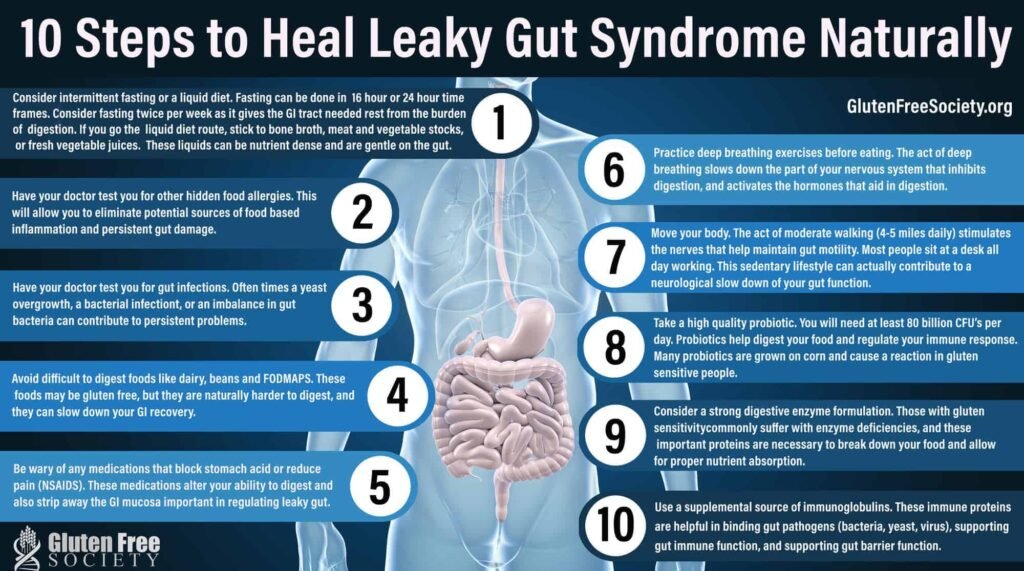
Dietary Changes for Leaky Gut Syndrome
Making dietary changes is a key aspect of managing Leaky Gut Syndrome. By eliminating trigger foods, following a gut-healing diet, and ensuring an adequate intake of fiber and gut-healthy supplements, you can support the healing process and promote a healthy gut microbiome.
Elimination Diet
An elimination diet involves identifying and eliminating potential trigger foods that may contribute to inflammation and worsen Leaky Gut Syndrome symptoms. Common trigger foods include gluten, dairy, soy, eggs, and processed foods. By eliminating these foods for a period of time and gradually reintroducing them, you can identify individual sensitivities and make informed decisions about your diet.
Gut-Healing Diet
A gut-healing diet focuses on nourishing your gut lining and providing essential nutrients for repair. This typically includes consuming whole, unprocessed foods such as fruits, vegetables, lean proteins, healthy fats, and gluten-free grains. Foods rich in antioxidants and anti-inflammatory properties, such as berries, leafy greens, and fatty fish, can also be beneficial for healing the gut.
Importance of Fiber
Fiber plays a crucial role in promoting a healthy gut microbiome and preventing Leaky Gut Syndrome. Adequate fiber intake helps maintain regular bowel movements, supports the growth of beneficial gut bacteria, and aids in the removal of toxins from the body. Consuming fiber-rich foods such as fruits, vegetables, legumes, and whole grains can therefore be highly beneficial.
Supplements for Gut Health
In addition to dietary changes, certain supplements can help support gut health and aid in the healing of the gut lining. Probiotics, which are beneficial bacteria, can help restore the balance of gut microbiota. Prebiotics, on the other hand, act as food for these beneficial bacteria and can be found in foods such as garlic, onions, and chicory root. Additionally, incorporating fermented foods like sauerkraut, kimchi, and kefir into your diet can introduce helpful bacteria into your gut.

Stress Management for Leaky Gut Syndrome
Chronic stress can have a detrimental effect on the health of your gut and exacerbate symptoms of Leaky Gut Syndrome. Stress triggers the release of stress hormones, which can interfere with proper digestion and contribute to inflammation. Implementing stress management techniques can greatly benefit your gut health and overall well-being.
Identifying and Managing Stress Triggers
Identifying the factors that contribute to your stress is the first step in managing it effectively. Keep a journal to note any patterns or situations that consistently lead to stress. Once identified, take steps to reduce or eliminate these stress triggers from your life. This may involve setting boundaries, seeking emotional support from friends or family, or engaging in activities that promote relaxation and joy.
Mindfulness and Meditation
Practicing mindfulness and meditation can help calm the mind and reduce stress levels. By focusing on the present moment and cultivating a sense of inner peace, you can alleviate the negative effects of stress on your gut. Incorporate techniques such as deep breathing, guided imagery, and progressive muscle relaxation into your daily routine to promote mental and physical relaxation.
Exercise and Physical Activity
Engaging in regular exercise and physical activity is not only beneficial for your overall health but also for managing stress. Physical activity releases endorphins, which are known as “feel-good” hormones that can reduce anxiety and improve mood. Find activities that you enjoy, such as walking, yoga, or dancing, and aim for at least 30 minutes of exercise each day to support both your mental and digestive health.
Managing Gut Microbiome for Leaky Gut Syndrome
The balance and diversity of your gut microbiome play a vital role in maintaining a healthy gut lining and preventing Leaky Gut Syndrome. Supporting a healthy gut microbiome can be achieved through the use of probiotics, prebiotics, and incorporating fermented foods into your diet.
Probiotics
Probiotics are live bacteria and yeasts that are beneficial to your gut health. They can help restore the balance of gut bacteria, promote digestion, and strengthen the gut barrier. Probiotics can be found in supplement form or in fermented foods such as yogurt, sauerkraut, and kombucha. Incorporating these into your diet can help improve your gut microbiome and alleviate symptoms of Leaky Gut Syndrome.
Prebiotics
Prebiotics are a type of fiber that serves as food for the beneficial bacteria in your gut. They help support the growth and activity of these bacteria. Foods rich in prebiotics include garlic, onions, bananas, asparagus, and chicory root. By including prebiotic-rich foods in your diet, you can enhance the effectiveness of probiotics and promote a healthy gut microbiome.
Fermented Foods
Fermented foods are rich in beneficial bacteria and can help improve the diversity of your gut microbiome. Foods such as sauerkraut, kimchi, kefir, and miso contain live cultures that can strengthen the gut barrier, aid in digestion, and reduce inflammation. Including a variety of fermented foods in your diet can support a healthy gut and contribute to the management of Leaky Gut Syndrome.
Reducing Inflammation in Leaky Gut Syndrome
Inflammation is a key factor in the development and progression of Leaky Gut Syndrome. Reducing inflammation through dietary changes and the incorporation of specific supplements can significantly improve gut health and alleviate symptoms.
Anti-inflammatory Diet
Focusing on an anti-inflammatory diet can help reduce inflammation in the gut and promote healing. This involves consuming foods rich in antioxidants and anti-inflammatory properties such as fatty fish (rich in omega-3 fatty acids), fruits, vegetables, nuts, and seeds. Avoiding processed foods, refined sugars, and unhealthy fats can further support the anti-inflammatory effects of your diet.
Omega-3 Fatty Acids
Omega-3 fatty acids are known for their anti-inflammatory properties and can help reduce inflammation in the gut. Incorporating food sources of omega-3 fatty acids such as fatty fish (salmon, mackerel, and sardines), chia seeds, and walnuts can support gut health and contribute to the management of Leaky Gut Syndrome.
Turmeric and Curcumin
Turmeric, a vibrant yellow spice, contains an active compound called curcumin, which possesses powerful anti-inflammatory properties. Adding turmeric to your meals or taking curcumin supplements can help reduce inflammation in the gut and support the healing process. However, it’s important to note that curcumin is not easily absorbed by the body, so it is often recommended to take it in combination with black pepper or with the assistance of a supplement that enhances its bioavailability.
Addressing Food Sensitivities in Leaky Gut Syndrome
Food sensitivities can contribute to inflammation and worsen symptoms of Leaky Gut Syndrome. Identifying the foods that trigger sensitivities and eliminating them from your diet can play a crucial role in managing this condition effectively.
Identifying Food Sensitivities
Food sensitivities can be identified through an elimination diet or by undergoing food allergy testing. An elimination diet involves removing potential trigger foods from your diet for a period of time and then reintroducing them one by one to track any adverse reactions. Food allergy testing, on the other hand, can provide more immediate information about specific food sensitivities.
Eliminating Trigger Foods
Once you have identified trigger foods through the elimination diet or food allergy testing, it’s important to eliminate them from your diet completely. This may involve avoiding common allergens such as gluten, dairy, soy, eggs, and nuts. By removing these trigger foods, you can reduce inflammation, heal the gut lining, and alleviate symptoms associated with Leaky Gut Syndrome.
Reintroduction of Foods
After successfully eliminating trigger foods from your diet and allowing your gut to heal, you can gradually reintroduce them one at a time. This process allows you to assess your body’s response to each food and identify any lingering sensitivities. It’s important to listen to your body and pay attention to any adverse reactions that may occur during the reintroduction phase.
Supporting Digestive Enzymes for Leaky Gut Syndrome
Digestive enzymes play a crucial role in breaking down food and ensuring proper digestion. Supporting the production and activity of digestive enzymes can aid in the management of Leaky Gut Syndrome.
Enzyme Supplements
Taking digestive enzyme supplements can help support the breakdown of food and promote optimal digestion. These supplements contain a blend of enzymes, such as amylase, lipase, and protease, which target the digestion of carbohydrates, fats, and proteins respectively. By supplementing with digestive enzymes, you can enhance nutrient absorption and alleviate digestive issues associated with Leaky Gut Syndrome.
Eating Digestive Enzyme-Rich Foods
In addition to enzyme supplements, certain foods are naturally rich in digestive enzymes. Incorporating these foods into your diet can contribute to proper digestion and support gut health. Pineapple and papaya, for example, contain bromelain and papain enzymes respectively, which aid in the digestion of proteins. Consuming these fruits can provide natural sources of digestive enzymes and support the healing of the gut lining.
Healing the Gut Lining in Leaky Gut Syndrome
The integrity and health of the gut lining is crucial for preventing Leaky Gut Syndrome. Certain nutrients and supplements can support the healing process and promote a strong gut barrier.
L-glutamine
L-glutamine is an amino acid that plays a vital role in gut health and repair. It is the primary fuel source for the cells lining the intestines and aids in maintaining the integrity of the gut barrier. Incorporating L-glutamine supplements or consuming foods such as bone broth, which is rich in this amino acid, can support gut healing and improve symptoms of Leaky Gut Syndrome.
Zinc
Zinc is a mineral that is essential for the health and maintenance of the gut lining. It plays a key role in the production of proteins that help form the tight junctions in the intestinal lining. Zinc supplements or foods rich in zinc, such as oysters, pumpkin seeds, and spinach, can contribute to the healing of the gut lining and support the overall health of the digestive system.
Vitamin A
Vitamin A is a fat-soluble vitamin that is crucial for gut health and the maintenance of the gut lining. It aids in the production of intestinal mucosa, which provides a protective barrier for the intestinal cells. By consuming foods rich in vitamin A, such as carrots, sweet potatoes, and dark leafy greens, or by taking vitamin A supplements, you can support the healing process of the gut lining and promote a healthy gut environment.
Lifestyle Changes for Leaky Gut Syndrome
In addition to dietary modifications and supplementation, incorporating certain lifestyle changes can greatly contribute to the management of Leaky Gut Syndrome and overall gut health.
Getting Sufficient Sleep
Adequate sleep is essential for overall health, including the health of your gut. Lack of sleep can impair the function of your immune system, increase inflammation, and negatively impact digestion. Aim to get 7-9 hours of quality sleep each night to support the healing and regeneration of the gut lining.
Hydration and Water Intake
Staying hydrated is crucial for maintaining proper digestion and supporting gut health. Drinking an adequate amount of water throughout the day helps facilitate bowel movements and prevents constipation. Aim to drink at least 8 cups (64 ounces) of water daily, or more if you engage in physical activity or live in a hot climate.
Avoiding Toxins and Environmental Triggers
Exposure to toxins and environmental triggers can disrupt the balance of your gut microbiome and contribute to inflammation. Avoiding exposure to chemicals, pollutants, and pesticides as much as possible can help support a healthy gut and prevent further damage to the gut lining. Opt for natural cleaning products, choose organic produce when possible, and be mindful of your surroundings to minimize your exposure to toxins.
By understanding the causes, symptoms, and effective treatments for Leaky Gut Syndrome, you can take proactive steps to manage this condition and improve your digestive health. Implementing dietary changes, stress management techniques, and lifestyle modifications can support gut healing, reduce inflammation, and alleviate symptoms. Remember to consult with a healthcare professional before making any significant changes to your diet or lifestyle to ensure that they are appropriate for your individual needs.