
Having high blood sugar levels can be concerning, but the good news is there are several effective strategies you can implement to bring them down. From making dietary changes to incorporating regular exercise into your routine, managing high blood sugar can greatly improve your overall health and well-being. In this article, discover some practical and easy-to-follow tips that can support you in lowering your blood sugar levels and maintaining optimal health.
Monitor Blood Sugar Levels Regularly
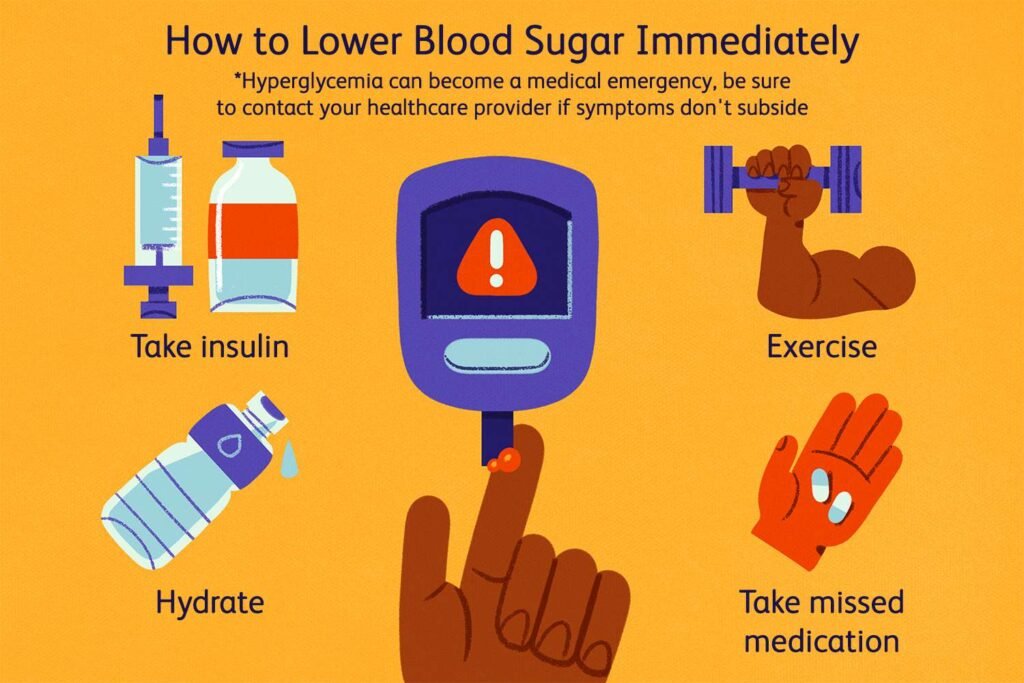
Monitoring your blood sugar levels regularly is crucial in managing high blood sugar. By checking your levels several times a day, you can stay informed about your body’s response to different foods, activities, and medications. This allows you to make necessary adjustments to keep your blood sugar within a healthy range.
To monitor your blood sugar levels effectively, you should use a reliable blood glucose monitor. These devices are easy to use and provide accurate readings of your blood glucose levels. Simply prick your finger with a lancet, place a small drop of blood on a test strip, and insert the strip into the monitor. Within seconds, you will have your blood sugar reading.
Keeping a record of your blood sugar readings is also important. This record will help you track patterns and identify any triggers that may cause your blood sugar to spike. You can use a notebook, smartphone app, or even a spreadsheet on your computer to record your readings. Remember to include the date, time, and any relevant notes such as what you ate or any physical activity you engaged in.
Adopt a Healthy Diet
A healthy diet plays a significant role in managing high blood sugar levels. By making wise food choices, you can control your blood sugar and improve overall health. Here are some key tips to consider when adopting a healthy diet.
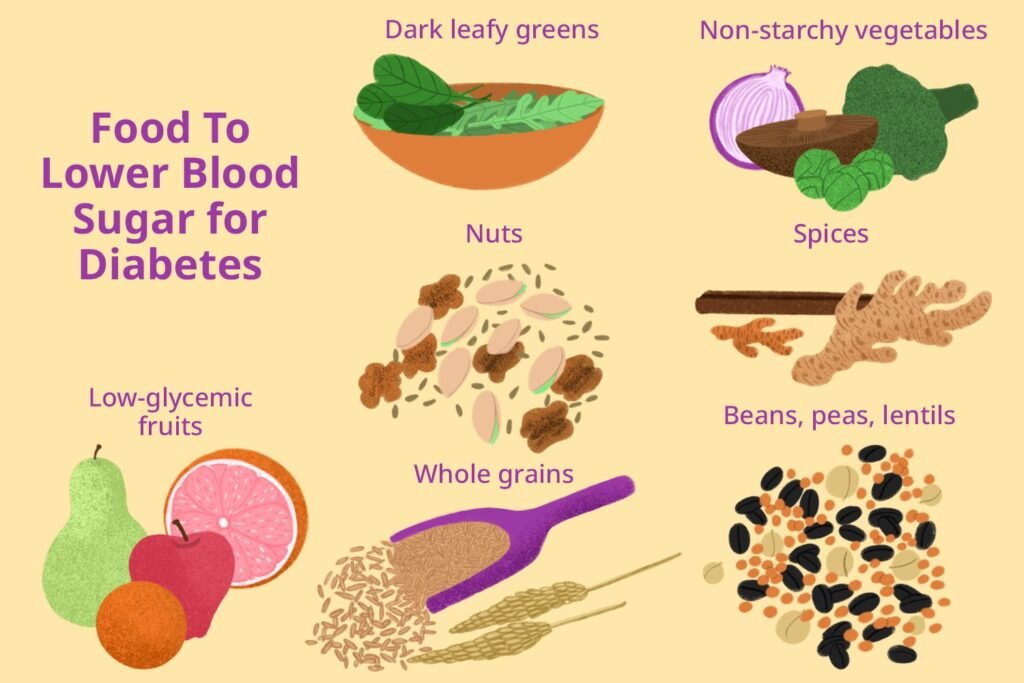
Choosing low glycemic index (GI) foods is essential. The glycemic index measures how quickly a food raises blood sugar levels. Foods with a low GI are digested more slowly, leading to a gradual and steady increase in blood sugar. Opt for whole grains, legumes, nuts, and non-starchy vegetables, which have a lower GI compared to processed foods, sugary snacks, and refined grains.
Controlling portion sizes is another important aspect of a healthy diet. Eating smaller, more frequent meals can help prevent blood sugar spikes. Aim for balanced portions of protein, carbohydrates, and healthy fats. Use smaller plates and bowls to avoid overeating, and be mindful of your hunger and fullness cues.
Increasing your fiber intake is also beneficial for managing high blood sugar. Fiber slows down the digestion and absorption of carbohydrates, preventing sudden increases in blood sugar levels. Choose whole fruits instead of fruit juices, opt for whole grain bread and pasta, and include plenty of vegetables in your meals.
Exercise Regularly
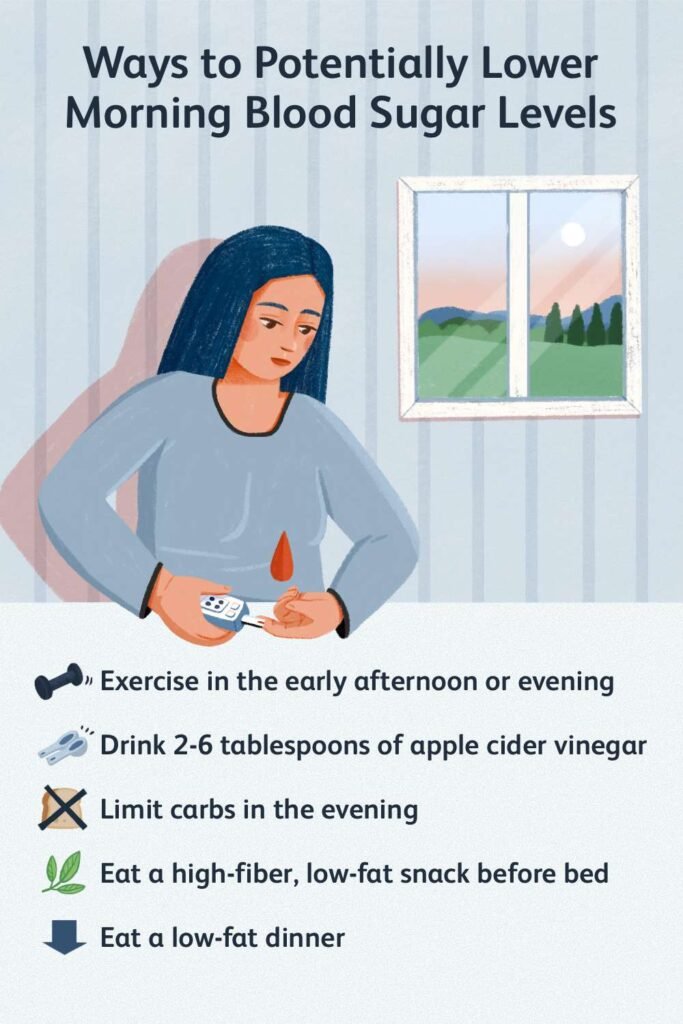
Regular exercise is a powerful tool in managing high blood sugar levels. Engaging in aerobic activities helps your muscles use glucose more efficiently, reducing blood sugar levels. Additionally, exercise can increase insulin sensitivity, allowing your body to use insulin more effectively.
Aim to incorporate at least 150 minutes of moderate-intensity aerobic exercise per week. This can include activities such as brisk walking, cycling, swimming, or dancing. If you prefer higher-intensity workouts, consult with a healthcare professional to determine what is safe and appropriate for your fitness level.
Incorporating strength training into your exercise routine is also advantageous. Building muscle mass can improve insulin sensitivity and help regulate blood sugar levels. Include exercises that target all major muscle groups, such as squats, lunges, push-ups, and weightlifting exercises with dumbbells or resistance bands. Remember to start with light weights and gradually increase the intensity as your strength improves.
Before starting any exercise program, it is important to consult a healthcare professional for guidance. They can provide personalized recommendations based on your current health status, any existing medical conditions, and your fitness goals.
Manage Stress Levels
Stress can have a significant impact on blood sugar levels. When you’re stressed, your body releases stress hormones that can cause your blood sugar to rise. Therefore, it is important to manage and reduce stress levels to maintain healthy blood sugar levels.
Identifying sources of stress in your life is the first step in managing it. Make a list of situations, people, or activities that trigger stress for you. Once you have identified these stressors, consider strategies for reducing or eliminating them from your life. This may involve setting boundaries, delegating tasks, or seeking support from loved ones.
Practicing relaxation techniques can also be beneficial in managing stress. Deep breathing exercises, meditation, yoga, and tai chi are all effective techniques for calming the mind and reducing stress hormones. Experiment with different techniques to find what works best for you. Incorporate these practices into your daily routine to promote overall well-being.
Engaging in activities that bring you joy and promote relaxation is also important. This could include hobbies such as painting, playing a musical instrument, gardening, or spending time in nature. Finding activities that help you unwind and destress can have a positive impact on your blood sugar levels.
Get Adequate Sleep
Getting enough quality sleep is crucial for maintaining healthy blood sugar levels. Lack of sleep can disrupt your body’s insulin production and lead to insulin resistance, ultimately resulting in high blood sugar. Therefore, it is important to establish a consistent sleep routine and create a comfortable sleep environment.
Establishing a consistent sleep routine involves going to bed and waking up at the same time every day, even on weekends. This helps regulate your body’s internal clock and promotes better sleep quality. Create a relaxing pre-bedtime routine that signals to your body that it’s time to wind down, such as reading a book, taking a warm bath, or practicing relaxation techniques.
Creating a comfortable sleep environment is essential for a good night’s sleep. Make sure your bedroom is dark, quiet, and at a comfortable temperature. Invest in a comfortable mattress and pillows that support your body. Avoid using electronic devices or watching TV in bed, as the blue light emitted from these devices can interfere with your sleep.
Avoiding stimulants before bed is also important. Caffeine, nicotine, and alcohol can disrupt your sleep patterns and negatively affect blood sugar levels. Limit your intake of these substances, especially in the evening, and opt for herbal tea or decaffeinated beverages instead.
Stay Hydrated
Proper hydration is essential for managing high blood sugar levels. When you are dehydrated, your blood sugar concentrations can become more concentrated, leading to an increase in blood sugar levels. Here are some tips for staying hydrated and maintaining optimal blood sugar control.
Drink enough water daily to meet your body’s hydration needs. The amount of water you need may vary depending on factors such as age, sex, activity level, and climate. As a general guideline, aim for at least 8 to 10 cups (64 to 80 ounces) of water per day. Keep a water bottle with you throughout the day as a reminder to stay hydrated.
Limit your intake of sugary beverages such as soda, fruit juice, and sweetened coffee or tea. These drinks can cause a rapid increase in blood sugar levels and contribute to weight gain. Opt for water, unsweetened herbal tea, or sparkling water as a healthier alternative.
Monitoring your body’s hydration levels can also be helpful. Pay attention to signs of dehydration, such as dry mouth, dark urine, dizziness, or fatigue. If you experience these symptoms, increase your fluid intake and seek medical attention if necessary.
Limit Alcohol Consumption
While moderate alcohol consumption may have some health benefits, excessive drinking can negatively impact blood sugar levels. Alcohol can interfere with the liver’s ability to regulate blood sugar and can cause spikes or drops in blood sugar levels. Therefore, it is important to understand alcohol’s effect on blood sugar and drink in moderation.
To manage your blood sugar while consuming alcohol, follow these guidelines:
- Understand alcohol’s effect on your blood sugar. Alcoholic beverages can raise blood sugar levels, especially if consumed without food. It is important to monitor your blood sugar closely and adjust your medication or insulin as needed.
- Drink in moderation. Limit your alcohol consumption to moderate levels, which is defined as up to one drink per day for women and up to two drinks per day for men. Be aware that excessive consumption can lead to serious health complications.
- Avoid excessive drinking. Binge drinking or drinking large quantities of alcohol can cause dangerously low blood sugar levels. It is important to drink responsibly and know your limits.
If you have difficulty controlling your alcohol consumption, seeking professional help may be necessary. Alcohol addiction can have severe health consequences and should be addressed with the support of medical professionals and addiction specialists.
Quit Smoking
Smoking is not only harmful to your overall health, but it can also worsen high blood sugar levels. The chemicals in tobacco smoke can cause insulin resistance and increase the risk of developing type 2 diabetes. Quitting smoking is essential in managing high blood sugar and improving overall health.
Seeking professional help is an effective strategy for quitting smoking. Healthcare providers can provide counseling, support, and resources to help you quit. They may also recommend nicotine replacement therapy, such as nicotine patches, gum, or medications, to help manage nicotine withdrawal symptoms.
Committing to a smoking cessation plan is crucial for successfully quitting smoking. Set a quit date and prepare yourself mentally and physically for the challenges of quitting. Enlist the support of loved ones and join support groups or smoking cessation programs to stay motivated throughout your journey.
Remember that quitting smoking is a process, and it may take multiple attempts before successfully quitting. Stay persistent and focused on your goal of improving your health and managing high blood sugar.

Take Medications as Prescribed
If you have been prescribed medication to manage your high blood sugar, it is important to take them as prescribed by your healthcare provider. Following the recommended dosage and schedule is crucial in achieving optimal blood sugar control and preventing complications.
Be aware of any potential side effects associated with your medications. Some medications may cause gastrointestinal upset, weight gain, or hypoglycemia (low blood sugar). Monitoring and communicating any side effects to your healthcare provider can help them make necessary adjustments to your treatment plan.
Regular communication with your healthcare provider is essential. They can monitor your blood sugar levels, adjust your medications if needed, and provide guidance on lifestyle changes. Keeping them informed of any changes in your health or medication regimen is crucial in maintaining optimal blood sugar control.
Maintain a Healthy Body Weight
Maintaining a healthy body weight is key in managing high blood sugar levels. Excess weight, especially around the abdomen, can contribute to insulin resistance and elevated blood sugar levels. By setting realistic weight loss goals and adopting a balanced diet and regular physical activity, you can achieve and maintain a healthy body weight.
Setting realistic weight loss goals is important for long-term success. Aim to lose about 1 to 2 pounds per week, as this gradual weight loss is more sustainable and easier to maintain than rapid weight loss. Consult with a healthcare professional or registered dietitian to determine your ideal weight and receive guidance on setting appropriate weight loss goals.
Adopting a balanced and nutritious diet is essential for weight management. Focus on consuming a variety of whole foods, including fruits, vegetables, lean proteins, whole grains, and healthy fats. Avoid or limit processed foods, sugary snacks, and sugary beverages, as these can contribute to weight gain and elevated blood sugar levels.
Incorporating regular physical activity into your routine is crucial for maintaining a healthy weight. Engage in activities you enjoy, such as walking, jogging, biking, or dancing. Aim for at least 150 minutes of moderate-intensity aerobic activity per week, in addition to strength training exercises that target all major muscle groups.
By following these comprehensive strategies, you can effectively lower high blood sugar levels and improve your overall health. Remember to consult with a healthcare professional for personalized guidance and support on your journey to better blood sugar control. With dedication and the right tools, you can achieve optimal blood sugar levels and live a healthier, more fulfilling life.