
Chest pain is a common symptom that can cause anxiety and concern, often leading individuals to seek medical attention. It is crucial to understand the potential causes and how to effectively manage this discomfort. In this article, you will explore the different factors that can contribute to chest pain, ranging from harmless conditions to more serious underlying medical issues. By gaining a deeper understanding of chest pain, you will be better equipped to navigate its management and seek appropriate care when needed.
Common Causes of Chest Pain
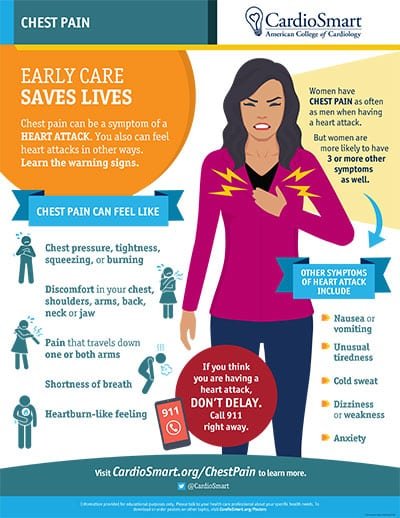
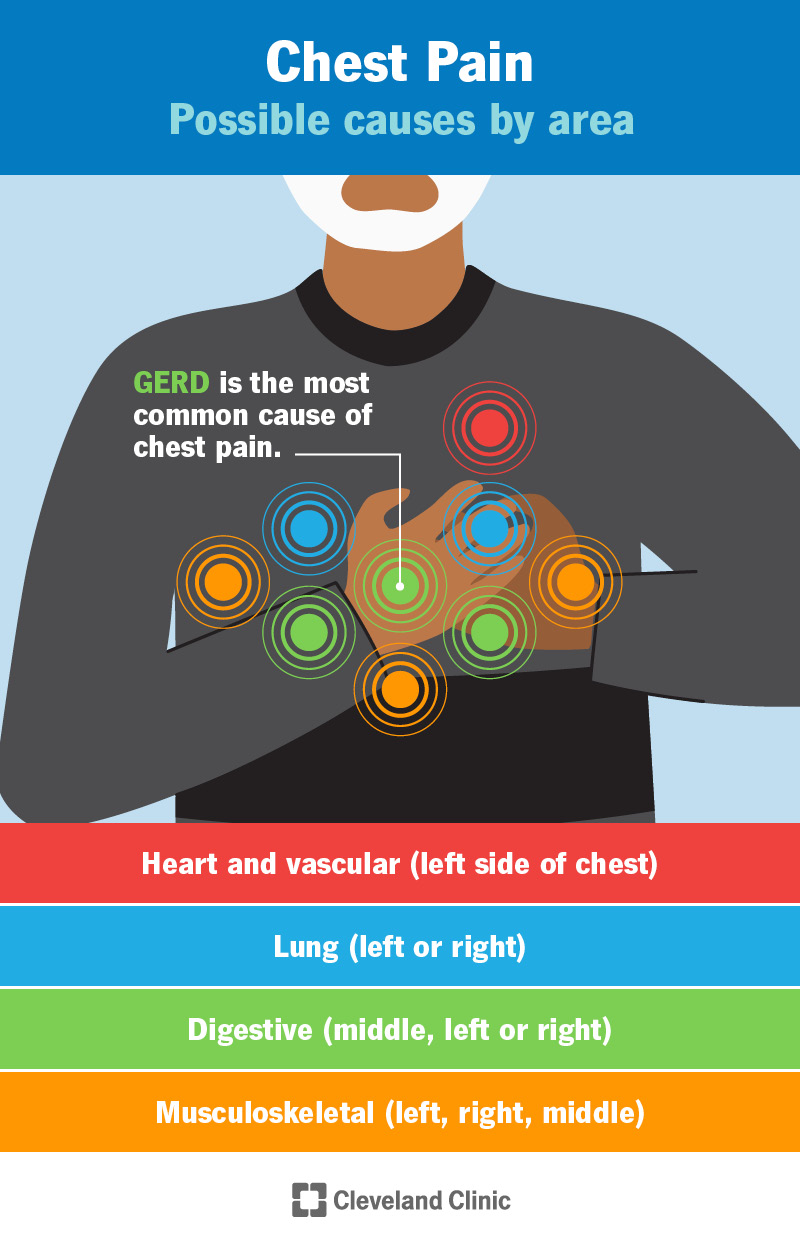
Chest pain can be a source of worry and concern, but it’s important to remember that not all chest pain is indicative of a serious condition. It can arise from a variety of causes, which can be broadly categorized into heart conditions, digestive issues, and musculoskeletal problems.
Heart conditions
Heart conditions are one of the most common causes of chest pain. Among these, angina, a condition characterized by reduced blood flow to the heart, is a frequent culprit. Angina often manifests as a squeezing or pressure-like pain in the chest. Other heart-related causes of chest pain include heart attacks, which typically present as intense, crushing pain in the chest, and arrhythmias, which are irregular heart rhythms that can lead to chest discomfort or palpitations.
Digestive issues
Digestive issues can also give rise to chest pain. One of the most common digestive causes of chest pain is gastroesophageal reflux disease (GERD), in which stomach acid flows back into the esophagus, causing a burning sensation in the chest, known as heartburn. Additionally, conditions like gastritis, peptic ulcers, and gallstones can also cause chest pain, often accompanied by symptoms such as nausea and bloating.
Musculoskeletal problems
Musculoskeletal problems involving the chest wall can mimic heart-related chest pain. Among these, costochondritis, an inflammation of the cartilage connecting the ribs to the breastbone, can cause sharp, localized chest pain that worsens with movement or deep breathing. Other musculoskeletal causes of chest pain include muscle strains or injuries, which can result from exercise, lifting heavy objects, or sudden movements.
Signs and Symptoms of Chest Pain
When experiencing chest pain, it’s essential to pay attention to the specific signs and symptoms present. This can help provide valuable information to healthcare professionals and aid in diagnosis and treatment.
Sharp or stabbing pain
Sharp or stabbing chest pain often indicates a musculoskeletal cause, such as costochondritis or a muscle strain. However, it’s important to note that heart-related chest pain can also present as a sharp or stabbing sensation, so it’s always best to seek medical evaluation to determine the exact cause.
Dull or aching pain
Dull or aching chest pain can be a sign of various underlying conditions. It may indicate a heart-related issue, such as angina or a heart attack, but it can also result from digestive issues like GERD or musculoskeletal problems like muscle strains.
Radiating pain
Pain that spreads from the chest to other parts of the body, such as the arms, jaw, neck, or back, is known as radiating pain. This type of chest pain is often associated with heart conditions, particularly heart attacks. However, it is not exclusive to heart-related causes and can also occur with other conditions like GERD or musculoskeletal problems.
Shortness of breath
If you experience chest pain along with difficulty breathing or a feeling of breathlessness, it could be a sign of a serious heart condition. This symptom may be accompanied by other signs like sweating and nausea. It is crucial to seek immediate medical attention if you are experiencing chest pain and shortness of breath.
Nausea and vomiting
Chest pain accompanied by nausea and vomiting can be caused by a variety of conditions, including heart-related issues like a heart attack or digestive problems like GERD. It’s important to consider these symptoms in conjunction with the chest pain and seek medical advice if necessary.
Sweating
Excessive sweating, especially when paired with chest pain, can be a warning sign of a heart-related problem. Sweating may be profuse and accompanied by other symptoms like shortness of breath, dizziness, or nausea. If you experience these symptoms, it is important to seek immediate medical attention.
Dizziness
Feeling lightheaded or dizzy in addition to chest pain can indicate various conditions, including heart-related issues like arrhythmias or digestive problems like GERD. Dizziness can also result from orthostatic hypotension or low blood pressure. A healthcare professional can help determine the exact cause and provide appropriate treatment.
Fatigue
Fatigue or extreme tiredness can accompany chest pain due to heart-related causes, such as angina or heart attacks. It can also be a symptom of other conditions, including musculoskeletal problems or even emotional stress. If you experience unexplained fatigue along with chest pain, it is recommended to consult a healthcare professional for further evaluation.
When to Seek Medical Attention
Determining when to seek medical attention for chest pain can be challenging. However, it’s always better to err on the side of caution and consult a healthcare professional if you are uncertain or concerned about your symptoms. In some cases, immediate medical attention is necessary and can potentially save your life.
Immediately call emergency services
Certain situations warrant immediate medical attention and should prompt you to call emergency services right away. These include chest pain accompanied by symptoms like shortness of breath, sweating, nausea, vomiting, and radiating pain. These symptoms may indicate a heart attack or another life-threatening condition that requires urgent medical intervention.
Contact a healthcare professional
If your chest pain is not accompanied by severe symptoms and you do not believe it to be an emergency, it is still important to contact a healthcare professional for further evaluation. They can provide guidance and recommend appropriate next steps based on your specific symptoms and medical history.
Diagnosing Chest Pain
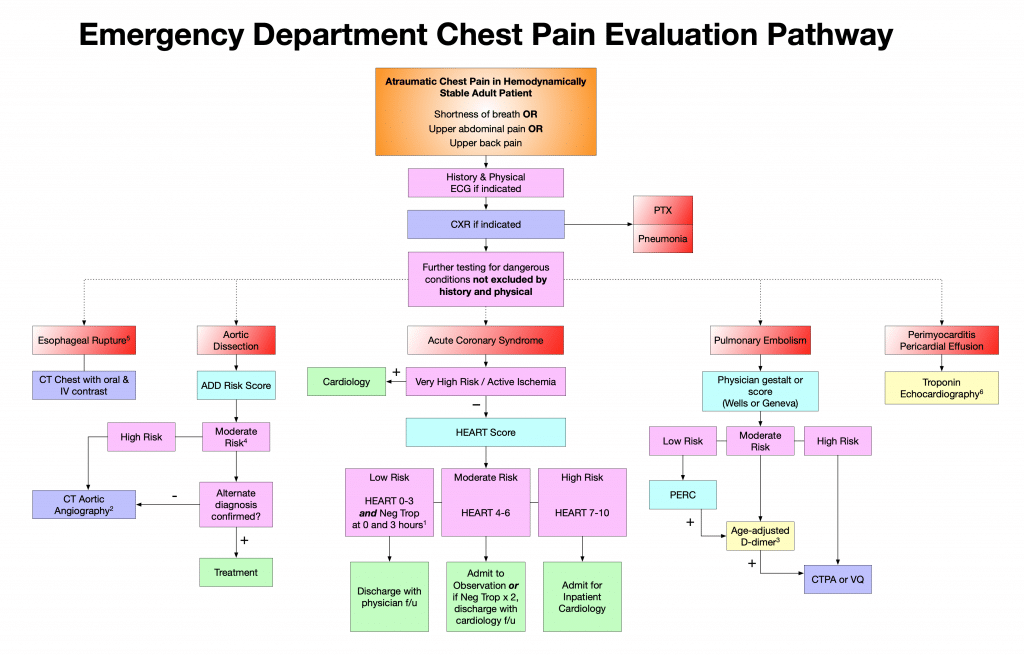
Diagnosing the cause of chest pain often involves a comprehensive evaluation by a healthcare professional. A combination of medical history, physical examination, and diagnostic tests is typically employed to determine the underlying cause.
Medical history and physical examination
A detailed medical history, including symptoms, duration of chest pain, and any associated factors, is essential in diagnosing the cause. A healthcare professional will also perform a thorough physical examination, paying special attention to vital signs and any particular areas of tenderness or discomfort.
Electrocardiogram (ECG)
An electrocardiogram, commonly known as an ECG, is a non-invasive test that records the electrical activity of the heart. This test can help identify abnormal heart rhythms, detect heart muscle damage, and provide valuable information regarding the cause of chest pain.
Blood tests
Blood tests can provide crucial information about the levels of certain enzymes and biomarkers that may indicate muscle damage or point to specific heart conditions. These tests can be instrumental in diagnosing heart attacks or other cardiac conditions that may be causing chest pain.
Chest X-ray
A chest X-ray is a common diagnostic tool that can help detect any abnormalities in the lungs, heart, or chest wall that may be causing chest pain. It can provide valuable information about the condition of the lungs and heart, ruling out certain potential causes.
Echocardiogram
An echocardiogram is a non-invasive test that uses sound waves to create detailed images of the heart’s structure and function. This test can help identify structural abnormalities, assess heart muscle function, and evaluate blood flow within the heart, aiding in the diagnosis of heart-related causes of chest pain.
Coronary angiography
If heart-related causes are strongly suspected, a coronary angiography may be performed. This invasive test involves the injection of contrast dye into the arteries supplying the heart, allowing for a detailed evaluation of any blockages or narrowing. This procedure helps in detecting and diagnosing conditions like coronary artery disease, a major cause of chest pain.
Treatment Options for Chest Pain
The treatment of chest pain largely depends on the underlying cause. Once the cause has been determined, healthcare professionals can help develop an appropriate treatment plan tailored to each individual’s needs.
Medications
Medications can play a crucial role in managing chest pain. For heart-related causes, medications may include antiplatelet drugs, like aspirin, to reduce the risk of blood clots, or beta blockers to control heart rate and blood pressure. For digestive causes, medications such as antacids or proton pump inhibitors can help alleviate symptoms like heartburn.
Lifestyle changes
Lifestyle modifications are often recommended to manage and prevent chest pain effectively. Adopting a healthy lifestyle that includes regular exercise, maintaining a balanced diet, quitting smoking, and managing stress can significantly reduce the risk of chest pain and promote overall well-being.
Surgery or medical procedures
In some cases, surgical or medical procedures may be necessary to manage chest pain. For heart-related causes, procedures like angioplasty or bypass surgery may be recommended to restore blood flow to the heart. Digestive causes may require treatments such as endoscopic procedures or surgical interventions to address underlying issues.
Preventing Chest Pain
Preventing chest pain involves adopting a proactive approach to maintaining overall health and well-being. While not all cases of chest pain can be prevented, certain measures can significantly reduce the risk of experiencing it.
Maintaining a healthy lifestyle
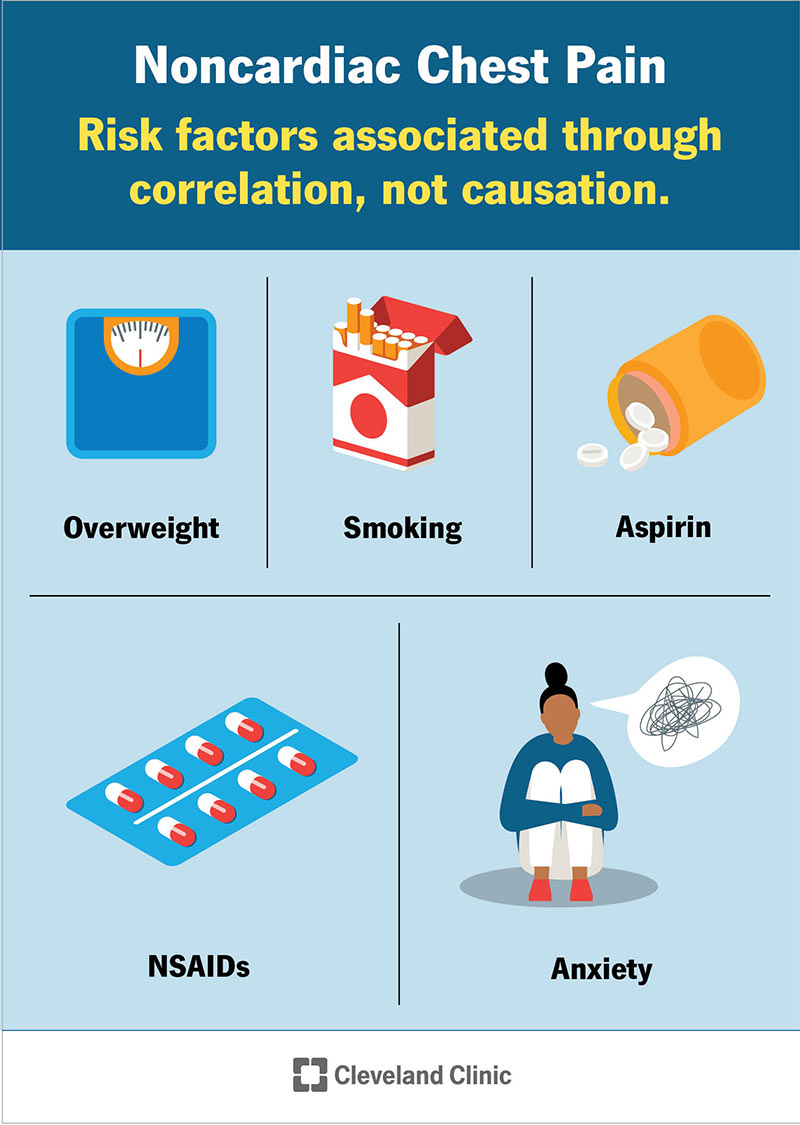
Maintaining a healthy lifestyle is paramount in preventing chest pain. This includes making conscious choices to avoid risk factors such as smoking, excessive alcohol consumption, and a sedentary lifestyle. It is also crucial to prioritize sleep and ensure adequate rest for the body to function optimally.
Regular exercise
Regular exercise is essential for keeping the heart and body healthy. Engaging in moderate-intensity aerobic activities, such as brisk walking, cycling, or swimming, for at least 150 minutes per week can help improve cardiovascular health, reduce the risk of heart-related chest pain, and promote overall well-being.
Eating a balanced diet
A balanced diet rich in fruits, vegetables, whole grains, lean proteins, and healthy fats can help maintain a healthy weight, regulate blood pressure and cholesterol levels, and reduce the risk of chest pain caused by heart conditions. It is important to limit the consumption of processed foods, sugary beverages, and foods high in saturated and trans fats.
Managing stress
Chronic stress can contribute to the development of chest pain. Adopting stress management techniques such as regular exercise, deep breathing exercises, meditation, or engaging in enjoyable activities can help reduce the impact of stress on the body and promote emotional well-being.
Avoiding specific triggers
Individuals who are prone to chest pain may benefit from identifying and avoiding specific triggers. These triggers can vary from person to person but may include certain foods, beverages, emotional stressors, or physical activities that exacerbate the symptoms. Keeping a journal to track symptoms and potential triggers can be helpful in identifying patterns and making appropriate lifestyle adjustments.
Home Remedies and Self-Care
In addition to medical interventions, certain home remedies and self-care measures can help alleviate chest pain symptoms and promote overall well-being.
Rest and relaxation
Taking the time to rest and relax can be beneficial in managing chest pain. Engaging in activities that promote relaxation, such as listening to calming music, practicing deep breathing exercises, or taking warm baths, can help reduce stress and alleviate discomfort.
Applying heat or cold packs
Applying heat or cold packs to the chest area can offer temporary relief for certain causes of chest pain, particularly musculoskeletal issues. Heat packs can help relax muscles and reduce inflammation, while cold packs can numb the area and minimize pain.
Over-the-counter pain relievers
Over-the-counter pain relievers like acetaminophen or nonsteroidal anti-inflammatory drugs (NSAIDs) can help manage mild to moderate chest pain caused by musculoskeletal issues. However, it is essential to consult with a healthcare professional before taking any medication to ensure safety and proper usage.
Potential Complications of Chest Pain
While many cases of chest pain are benign and resolve on their own or with appropriate treatment, it’s crucial to be aware of potential complications that can arise from certain underlying causes.
Heart attack
Chest pain can often be a symptom of a heart attack, a severe and life-threatening condition. Heart attacks can cause irreversible damage to the heart muscle if not promptly treated. Recognizing the signs and symptoms of a heart attack and seeking immediate medical attention is crucial for minimizing the risk of complications.
Angina
Angina is a condition characterized by chest pain or discomfort resulting from reduced blood flow to the heart muscles. While angina itself is not life-threatening, it can significantly impact a person’s quality of life. Proper management and treatment are essential to prevent complications and improve symptoms.
Arrhythmias
Chest pain can be caused by arrhythmias, which are abnormal heart rhythms. Some arrhythmias are benign, while others can be dangerous and potentially life-threatening. Seeking medical evaluation and appropriate treatment is crucial for managing arrhythmias and reducing the risk of complications.
Pericarditis
Pericarditis is the inflammation of the lining surrounding the heart, known as the pericardium. Chest pain caused by pericarditis can be sharp and piercing and may worsen with deep breaths or lying down. Although most cases of pericarditis are benign and resolve with proper treatment, complications such as fluid accumulation or chronic inflammation can occur in some instances.
Gastroesophageal reflux disease (GERD)
Untreated GERD can lead to complications such as esophagitis, the inflammation of the esophagus, or the development of complications like strictures or Barrett’s esophagus. Recognizing and appropriately managing GERD can help reduce the risk of complications and alleviate chest pain symptoms.
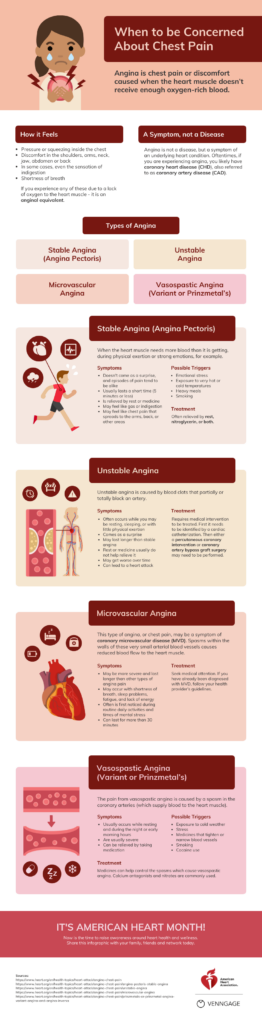
When Chest Pain May Not Be a Cause for Concern
Not all cases of chest pain require immediate medical attention. In some instances, the chest pain may be due to non-cardiac causes or benign conditions that do not pose a threat to one’s health.
Non-cardiac causes
Chest pain can arise from various non-cardiac causes, such as respiratory conditions like pneumonia or inflammation of the rib joints, known as costochondritis. These causes of chest pain are typically less concerning and often resolve with time or appropriate treatment.
Muscle strain or injury
Muscle strains or injuries to the chest wall can cause localized chest pain. These types of chest pain are usually benign and can be managed with rest, over-the-counter pain relievers, and gentle stretches or exercises to promote healing.
Anxiety or panic attacks
Anxiety or panic attacks can often mimic symptoms of a heart attack, leading to chest pain. While these episodes can be distressing, they are typically not life-threatening. Understanding and managing anxiety symptoms with techniques such as deep breathing, relaxation exercises, and seeking emotional support can help alleviate chest pain associated with anxiety or panic attacks.
Seeking Emotional Support
Experiencing chest pain can be a source of anxiety and emotional distress. Seeking emotional support is as crucial as addressing the physical aspects of chest pain. There are various resources available to individuals experiencing chest pain and its associated emotional impact.
Counseling and therapy
Counseling and therapy can provide individuals with coping strategies and support to navigate the emotional challenges of living with or recovering from chest pain. Mental health professionals can provide a safe space to express concerns, fears, and uncertainties, and offer guidance and tools to manage anxiety and stress.
Support groups
Joining support groups or connecting with individuals who have experienced similar chest pain can provide a sense of community and reassurance. Sharing experiences, concerns, and recovery journeys with others can help alleviate feelings of isolation and provide valuable insight and support.
In conclusion, chest pain can stem from various causes, including heart conditions, digestive issues, and musculoskeletal problems. Understanding the signs and symptoms associated with chest pain, knowing when to seek medical attention, and actively engaging in prevention measures can help individuals manage their symptoms effectively and promote overall well-being. Remember, it is always essential to consult a healthcare professional for an accurate diagnosis and tailored treatment plan.