
Having a mouth ulcer can be quite painful and uncomfortable. Whether it’s caused by a minor injury or other underlying health conditions, finding natural remedies to treat mouth ulcers can provide quick relief. In this article, you will learn about effective and easy ways to naturally treat mouth ulcers, helping you alleviate the pain and promote faster healing. From soothing home remedies to helpful lifestyle tips, discover how you can find comfort and healing for those pesky mouth ulcers.

Causes of Mouth Ulcers
Trauma or injury
One of the common causes of mouth ulcers is trauma or injury to the mouth. This can occur due to accidental biting of the cheek or tongue, sharp or rough edges of teeth or dental appliances, or a sports-related injury. When the delicate tissues in the mouth are damaged, it can lead to the formation of painful ulcers.
Nutritional deficiencies
Certain nutritional deficiencies can also contribute to the development of mouth ulcers. In particular, deficiencies in vitamin B12, iron, folate, and zinc have been linked to an increased risk of mouth ulcers. These nutrients play a crucial role in maintaining the health of the oral mucosa and a deficiency can weaken the immune system and make the mouth more susceptible to ulcers.
Hormonal changes
Hormonal changes can trigger the occurrence of mouth ulcers, particularly in women. Fluctuations in hormone levels during menstruation, pregnancy, or menopause can disrupt the delicate balance in the oral cavity and lead to the development of ulcers. Hormonal imbalances can also affect the immune system, making it less effective in preventing infections and ulcers.
Stress and anxiety
Stress is known to have a negative impact on both physical and mental health. It can weaken the immune system and increase inflammation in the body, including the mouth. The release of stress hormones can disrupt the normal healing process, leading to the formation of mouth ulcers. Anxiety and emotional distress can also cause habits like teeth grinding or nail biting, which can injure the soft tissues in the mouth and trigger ulcers.
Food allergies or sensitivities
Food allergies or sensitivities can cause an immune response in the body, leading to inflammation and the formation of mouth ulcers. Certain foods, such as citrus fruits, chocolate, nuts, and spicy foods, are more commonly associated with triggering ulcers in individuals with sensitivities or allergies. Identifying and avoiding these trigger foods can help prevent the recurrence of ulcers.
Weakened immune system
A weakened immune system can make the mouth more vulnerable to infections and ulcers. Various factors can contribute to a weakened immune system, including underlying health conditions, certain medications, and chronic stress. When the immune system is compromised, the body may struggle to fight off infections, leading to the development of mouth ulcers.
Prevention and Self-Care Tips
Maintain good oral hygiene
Practicing good oral hygiene is essential for preventing mouth ulcers. Brush your teeth twice a day using a soft bristle toothbrush and fluoride toothpaste. Don’t forget to clean your tongue and rinse your mouth thoroughly after meals. Regular flossing helps remove food particles and bacteria from between your teeth, reducing the risk of ulcers and other oral health issues.
Avoid trigger foods
If you have identified certain foods that trigger mouth ulcers, try to avoid them as much as possible. Common trigger foods include citrus fruits, tomato-based products, chocolate, nuts, and spicy foods. Pay attention to your body’s response after consuming certain foods and make necessary dietary adjustments to prevent the recurrence of ulcers.
Use a soft bristle toothbrush
Using a soft bristle toothbrush can help prevent further irritation to the oral mucosa and reduce the risk of developing ulcers. A soft toothbrush is gentle on the gums and tissues, minimizing the chances of accidental injury. Replace your toothbrush regularly to maintain its effectiveness in keeping your mouth clean and healthy.
Avoid spicy and acidic foods
Spicy and acidic foods can irritate the delicate tissues in the mouth, making them more susceptible to developing ulcers. Limit your consumption of spicy foods, such as hot peppers and chili sauces, and avoid acidic foods, such as citrus fruits, vinegar, and tomatoes. Opt for milder alternatives and be aware of the ingredients in the foods you consume.
Manage stress levels
Stress can weaken the immune system and increase the risk of mouth ulcers. It is important to find healthy ways to manage stress and anxiety. Engage in activities that help you relax, such as yoga, meditation, deep breathing exercises, or hobbies that bring you joy. Creating a balanced lifestyle with regular exercise, sufficient sleep, and effective stress management techniques can promote overall oral health.
Stay hydrated
Drinking an adequate amount of water throughout the day helps keep your mouth moist and prevents dryness, which can contribute to ulcers. Dehydration can lead to a lack of saliva production, making the mouth more vulnerable to irritants and infections. Aim to drink at least eight glasses of water daily and limit your consumption of dehydrating beverages like alcohol and caffeinated drinks.
Quit smoking
Smoking can have detrimental effects on oral health and overall well-being. It can damage the delicate tissues in the mouth, increase the risk of infections, and slow down the healing process. Quitting smoking can significantly reduce the chances of developing mouth ulcers and improve your oral health in general.
Apply lip balm
Dry and cracked lips can contribute to the occurrence of mouth ulcers. Apply a moisturizing lip balm or petroleum jelly regularly to keep your lips hydrated and protected. This can help prevent irritation and the formation of ulcers at the corners of the mouth.
Limit alcohol consumption
Excessive alcohol consumption can irritate the mouth and weaken the immune system, making it more susceptible to infections and ulcers. Limit your alcohol intake and practice moderation. If you have a history of recurrent mouth ulcers, it may be beneficial to avoid alcohol altogether.
Get enough vitamins and minerals
Maintaining a balanced diet that includes an adequate intake of vitamins and minerals is important for oral health. Vitamin C, zinc, iron, and B vitamins play crucial roles in supporting the immune system and promoting the healing of mouth ulcers. Incorporate foods rich in these nutrients into your diet, such as citrus fruits, berries, leafy greens, lean meats, nuts, and whole grains.
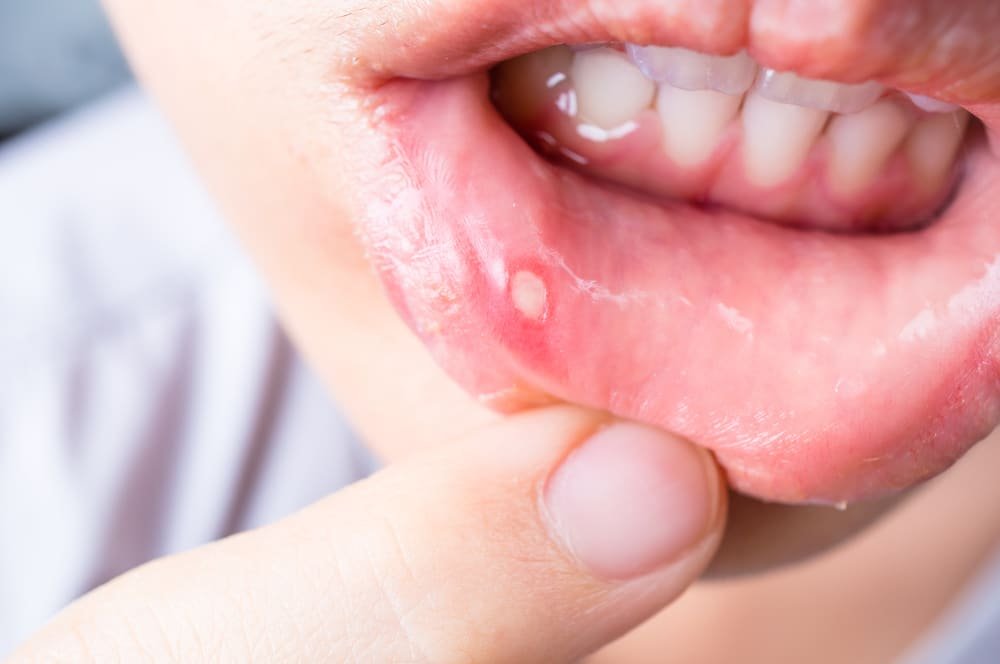
Home Remedies for Mouth Ulcers
Honey
Honey has been used for centuries for its healing properties. Its antibacterial and anti-inflammatory properties can help reduce pain, inflammation, and promote the healing of mouth ulcers. Apply a small amount of honey directly onto the ulcer or mix it with warm water to make a soothing mouth rinse.
Coconut oil
Coconut oil is known for its antimicrobial and anti-inflammatory properties, which can help alleviate the symptoms of mouth ulcers and promote healing. Gently swish a small amount of coconut oil in your mouth for a few minutes and then spit it out. Repeat this process a few times a day to reap the benefits.
Saltwater rinse
A saltwater rinse is a simple and effective remedy for mouth ulcers. Dissolve half a teaspoon of salt in a cup of warm water and use it as a mouthwash. This can help reduce inflammation, ease pain, and promote healing. Rinse your mouth with the saltwater solution several times a day for optimal results.
Aloe vera gel
Aloe vera gel has soothing and healing properties that can provide relief from the pain and discomfort of mouth ulcers. Apply a small amount of fresh aloe vera gel directly onto the ulcer and leave it on for a few minutes. Repeat this remedy several times a day until the ulcer heals.
Coriander seeds
Coriander seeds have antimicrobial and anti-inflammatory properties that can help relieve the pain and inflammation associated with mouth ulcers. Boil a teaspoon of coriander seeds in a cup of water, strain the solution, and use it as a mouth rinse. Gargle with the coriander seed solution a few times a day for relief.
Baking soda
Baking soda can help neutralize the acidity in the mouth and promote the healing of ulcers. Mix a teaspoon of baking soda with a few drops of water to form a paste. Apply the paste directly onto the ulcer and leave it on for a few minutes before rinsing your mouth with water. Repeat this remedy twice a day until the ulcer heals.
Licorice root
Licorice root contains compounds with anti-inflammatory and anti-viral properties that can help reduce pain and inflammation associated with mouth ulcers. Prepare a licorice root mouth rinse by boiling a few pieces of licorice root in water. Allow the solution to cool and use it as a mouthwash several times a day.
Chamomile tea
Chamomile tea has soothing properties that can provide relief from the pain and discomfort of mouth ulcers. Brew a cup of chamomile tea, allow it to cool, and use it as a mouth rinse. Gargle with the chamomile tea several times a day for relief.
Essential Oils for Mouth Ulcers
Tea tree oil
Tea tree oil possesses powerful antimicrobial properties that can help fight off infections and promote the healing of mouth ulcers. Dilute a few drops of tea tree oil in a carrier oil, such as coconut oil or olive oil, and apply it directly onto the ulcer. Repeat this remedy twice a day until the ulcer heals.
Lavender oil
Lavender oil has soothing and calming properties that can help alleviate the pain and inflammation associated with mouth ulcers. Dilute a few drops of lavender oil in a carrier oil and apply it directly onto the ulcer. Repeat this remedy several times a day for relief.
Peppermint oil
Peppermint oil has analgesic and cooling properties that can provide temporary relief from the pain and discomfort of mouth ulcers. Dilute a few drops of peppermint oil in a carrier oil and apply it directly onto the ulcer. Be cautious as it may cause a tingling sensation. Repeat this remedy as needed for relief.
Eucalyptus oil
Eucalyptus oil possesses anti-inflammatory and antimicrobial properties that can help reduce inflammation and fight off infections in the mouth. Dilute a few drops of eucalyptus oil in a carrier oil and apply it directly onto the ulcer. Repeat this remedy twice a day until the ulcer heals.

Natural Pain Relief Options
Ice packs
Applying an ice pack or a cold compress to the affected area can help numb the pain and reduce inflammation. Wrap a few ice cubes in a clean cloth and hold it against the ulcer for a few minutes. Repeat this process as needed for relief.
Clove oil
Clove oil contains a compound called eugenol, which has natural analgesic and antibacterial properties. Apply a small amount of clove oil directly onto the ulcer using a cotton swab. Be cautious as it may cause a burning sensation. Repeat this remedy a few times a day for relief.
Cayenne pepper
Cayenne pepper contains a compound called capsaicin, which has natural analgesic properties. Mix a pinch of cayenne pepper with a few drops of water to form a paste. Apply the paste to the ulcer and leave it on for a few minutes. Rinse your mouth with water to remove the paste. Use this remedy sparingly as it may cause a burning sensation.
Turmeric
Turmeric is known for its anti-inflammatory properties and can help reduce pain and inflammation associated with mouth ulcers. Mix a teaspoon of turmeric powder with a few drops of water to form a paste. Apply the paste to the ulcer and leave it on for a few minutes before rinsing your mouth with water. Repeat this remedy twice a day for relief.
Glycerin
Glycerin has soothing and moisturizing properties that can help alleviate pain and discomfort associated with mouth ulcers. Apply a small amount of glycerin directly onto the ulcer using a cotton swab. Repeat this remedy several times a day for relief.
Cucumber slices
Cucumber slices can provide temporary relief from the pain and inflammation of mouth ulcers. Place a few chilled cucumber slices directly onto the ulcer and hold them in place for a few minutes. Repeat this remedy as needed for relief.
Topical Applications
Aloe vera gel
In addition to its use as a home remedy, applying fresh aloe vera gel directly onto the ulcer can help soothe the pain and promote healing. Aloe vera has anti-inflammatory and healing properties that can provide relief from mouth ulcers.
Honey
Apart from consuming honey, applying a small amount of honey directly onto the ulcer can help alleviate the pain, reduce inflammation, and promote healing. Honey’s antibacterial and anti-inflammatory properties contribute to its effectiveness in treating mouth ulcers.
Coconut oil
Coconut oil can be directly applied to the ulcer to provide relief from pain and discomfort. Its antimicrobial and anti-inflammatory properties can help reduce inflammation, prevent infection, and promote the healing process.
Sage mouth rinse
Sage has been traditionally used for oral health issues due to its antimicrobial and anti-inflammatory properties. Prepare a sage mouth rinse by steeping a tablespoon of dried sage leaves in hot water for 10 minutes. Allow the solution to cool and use it as a mouthwash several times a day to alleviate the symptoms of mouth ulcers.
Licorice root paste
Licorice root can be used to make a paste that can be directly applied to the ulcer for relief. Mix licorice root powder with a small amount of water to form a paste. Apply the paste onto the ulcer, leave it on for a few minutes, and rinse your mouth with water. Repeat this remedy several times a day for optimal results.
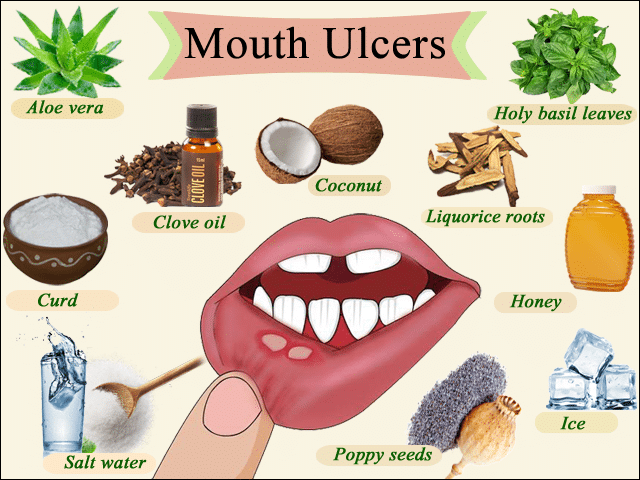
Herbal Supplements for Mouth Ulcers
Chamomile
Chamomile is known for its anti-inflammatory and calming properties. Taking chamomile supplements or drinking chamomile tea can help reduce inflammation, alleviate pain, and promote the healing of mouth ulcers. Follow the recommended dosage instructions for chamomile supplements or enjoy a cup of chamomile tea a few times a day.
Echinacea
Echinacea is a herb that is widely used for its immune-boosting properties. It can help strengthen the immune system and reduce the frequency and severity of mouth ulcers. Take echinacea supplements as directed or consult a healthcare professional for proper dosage instructions.
Calendula
Calendula, also known as marigold, has anti-inflammatory and antimicrobial properties that can help soothe the pain and promote healing of mouth ulcers. Calendula supplements or topical applications can be beneficial for individuals with mouth ulcers. Follow the recommended dosage instructions or consult a healthcare professional for guidance.
Myrrh
Myrrh, an aromatic resin, has been used in traditional medicine for its antimicrobial and healing properties. It can be used topically or consumed orally to help relieve the pain and inflammation associated with mouth ulcers. Follow the recommended dosage instructions for myrrh supplements or consult a healthcare professional for guidance.
Goldenseal
Goldenseal is a herb that possesses antimicrobial properties and can help fight off infections in the mouth. It can be consumed orally or used topically in the form of supplements or mouth rinses to promote the healing of mouth ulcers. Follow the recommended dosage instructions or consult a healthcare professional for proper usage.
Dietary Recommendations
Vitamin C-rich foods
Consuming foods rich in vitamin C can help support the immune system and promote the healing of mouth ulcers. Include citrus fruits, strawberries, kiwi, red peppers, and broccoli in your diet to ensure an adequate intake of vitamin C.
Zinc-rich foods
Zinc is an essential mineral that plays a key role in immune function and wound healing. Foods rich in zinc include oysters, beef, poultry, legumes, nuts, and seeds. Incorporate these foods into your diet to support the healing process of mouth ulcers.
Probiotic-rich foods
Probiotics are beneficial bacteria that can help maintain a healthy gut and support the immune system. Incorporate probiotic-rich foods such as yogurt, kefir, sauerkraut, and kimchi into your diet to promote overall oral health and reduce the risk of mouth ulcers.
Foods high in lysine
Lysine is an amino acid that can help reduce the frequency and duration of mouth ulcers. Include foods high in lysine, such as lean meats, dairy products, legumes, and quinoa, in your diet to support the healing process and prevent the recurrence of ulcers.
Green leafy vegetables
Green leafy vegetables are packed with vitamins and minerals that are essential for maintaining good oral health. Incorporate spinach, kale, Swiss chard, and other leafy greens into your diet to support the healing of mouth ulcers and promote overall oral health.
B12-rich foods
Vitamin B12 plays a crucial role in maintaining the health of the oral mucosa and a deficiency can increase the risk of mouth ulcers. Include B12-rich foods such as meat, fish, dairy products, and fortified cereals in your diet to ensure an adequate intake of this vital nutrient.
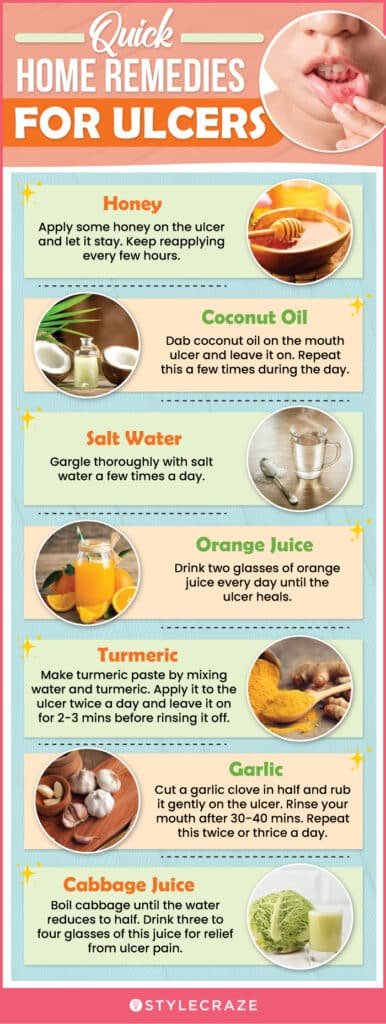
When to Seek Medical Advice
Persistent ulcers that do not heal
Most mouth ulcers heal within 1-3 weeks. If you have a persistent ulcer that does not show signs of improvement or has worsened after this time period, it is advisable to seek medical advice. Persistent ulcers may be indicative of underlying health conditions or infections that require professional evaluation and treatment.
Severe pain or discomfort
If you experience severe pain or discomfort that interferes with your ability to eat, speak, or perform daily activities, it is important to consult a healthcare professional. They can assess the severity of your symptoms and provide appropriate pain management options or treatments.
Recurrent mouth ulcers
If you frequently experience recurrent mouth ulcers, it is recommended to consult a healthcare professional. They can help identify any underlying factors contributing to the recurrent ulcers and develop a treatment plan to prevent their occurrence.
Fever and other accompanying symptoms
If you develop a fever, swollen lymph nodes, or other accompanying symptoms along with mouth ulcers, it is important to seek medical advice. These symptoms may indicate an underlying infection or a systemic condition that requires medical attention.
Difficulty in eating or swallowing
If you experience difficulty in eating or swallowing due to the presence of mouth ulcers, it is advisable to consult a healthcare professional. They can assess the extent of the ulcers and provide appropriate treatment or recommendations to alleviate the difficulty.
Medical Treatments for Mouth Ulcers
Over-the-counter oral gels and creams
Over-the-counter oral gels and creams containing numbing agents or protectants can help provide temporary relief from the pain and discomfort of mouth ulcers. These products can create a protective barrier over the ulcers and promote healing. Follow the instructions on the packaging for proper usage.
Prescription mouth rinses
In some cases, prescription mouth rinses containing antimicrobial or anti-inflammatory agents may be recommended to treat mouth ulcers. These rinses can help reduce pain, inflammation, and promote healing. Consult a healthcare professional for a proper diagnosis and prescription.
Corticosteroid pastes
Corticosteroid pastes can be prescribed to reduce inflammation and promote healing of mouth ulcers. These pastes are typically applied directly onto the ulcers and left to dissolve. Follow the instructions provided by the healthcare professional for proper usage.
Antibiotics for bacterial infections
If a mouth ulcer is caused by a bacterial infection, oral antibiotics may be prescribed to eliminate the infection. It is important to take the antibiotics as prescribed and complete the full course to ensure effective treatment.
Immunosuppressive drugs
In certain cases, mouth ulcers may be a symptom of an underlying immune system disorder. Immunosuppressive drugs may be prescribed to help manage the immune response and prevent the recurrence of ulcers. These medications should only be taken under the supervision of a healthcare professional.
In conclusion, mouth ulcers can be caused by various factors including trauma or injury, nutritional deficiencies, hormonal changes, stress and anxiety, food allergies or sensitivities, and a weakened immune system. To prevent and manage mouth ulcers, it is important to maintain good oral hygiene, avoid trigger foods, use a soft bristle toothbrush, manage stress levels, stay hydrated, quit smoking, and apply topical remedies such as honey, coconut oil, saltwater rinse, aloe vera gel, and more. Essential oils like tea tree oil, lavender oil, peppermint oil, and eucalyptus oil can also provide relief. Natural pain relief options include ice packs, clove oil, cayenne pepper, turmeric, glycerin, and cucumber slices. Topical applications such as aloe vera gel, honey, coconut oil, sage mouth rinse, and licorice root paste can help alleviate symptoms. Herbal supplements like chamomile, echinacea, calendula, myrrh, and goldenseal can be beneficial. Dietary recommendations include consuming vitamin C-rich foods, zinc-rich foods, probiotic-rich foods, foods high in lysine, green leafy vegetables, and B12-rich foods. It is important to seek medical advice for persistent ulcers, severe pain or discomfort, recurrent ulcers, fever and other accompanying symptoms, and difficulty in eating or swallowing. Medical treatments for mouth ulcers may include over-the-counter oral gels and creams, prescription mouth rinses, corticosteroid pastes, antibiotics for bacterial infections, and immunosuppressive drugs. Remember to consult a healthcare professional for proper diagnosis and treatment.