
Have you ever wondered where diseases come from? There’s one particular virus that has puzzled scientists for decades: Monkeypox. In this article, we will delve into the intriguing mystery of Monkeypox and explore the ongoing quest to unravel its origins. Get ready to embark on a journey through scientific research, historical clues, and fascinating discoveries as we attempt to shed light on the enigma known as Mpox.

What is Monkeypox
Definition
Monkeypox is a rare viral disease that affects humans and animals, specifically primates. It is caused by the Monkeypox virus, which belongs to the Orthopoxvirus genus, the same family as the Smallpox virus. Monkeypox is characterized by a rash on the skin, similar to Smallpox, but it is generally less severe.
Symptoms
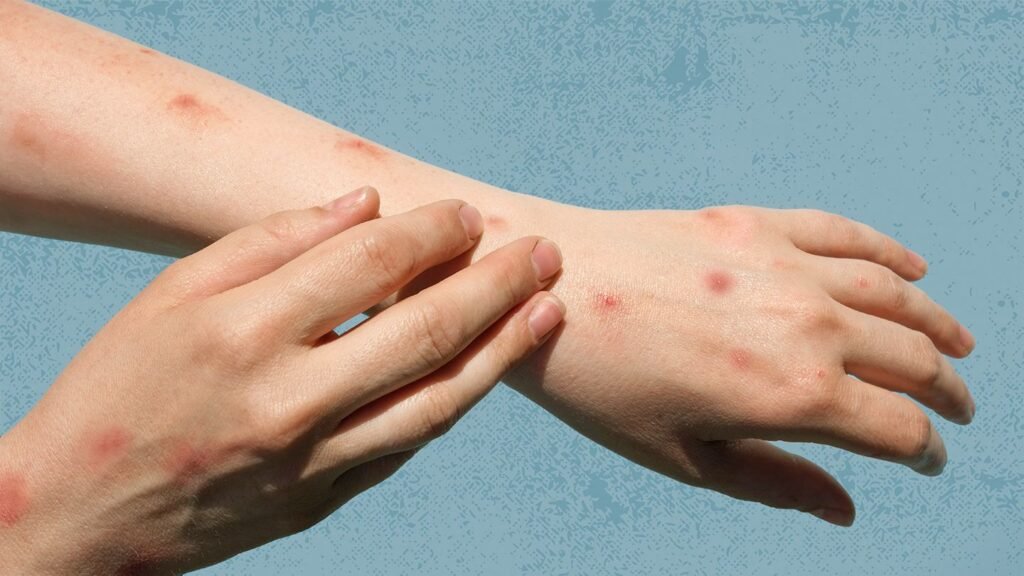
The symptoms of Monkeypox are similar to those of Smallpox and include fever, headache, muscle aches, and swollen lymph nodes. In most cases, a rash develops after a few days, starting on the face and spreading to other parts of the body. The rash progresses through different stages, from raised bumps to fluid-filled blisters, which eventually crust over and heal.
Transmission
Monkeypox is primarily transmitted to humans through direct contact with animals infected with the virus, such as rodents, monkeys, and other primates. Additionally, human-to-human transmission can occur through respiratory droplets, contact with infected body fluids, or skin-to-skin contact with a person who has active lesions. The virus can also be transmitted through contaminated objects or surfaces.
History of Monkeypox
First Recorded Outbreak
The first recorded outbreak of Monkeypox occurred in 1970 in the Democratic Republic of the Congo. A sudden increase in cases of a mysterious febrile illness with a skin rash caught the attention of scientists and medical professionals. The disease was initially misdiagnosed as Smallpox due to its similar symptoms and rash pattern.
Geographical Distribution
Monkeypox is primarily found in remote regions of Central and West Africa, including countries like Nigeria, Cameroon, and the Democratic Republic of the Congo. However, sporadic cases have also been reported outside of Africa, including the United States and other countries where exotic pets or animals were imported.
Similarities with Smallpox
Monkeypox shares several similarities with Smallpox, including a similar clinical presentation with a rash and fever. However, Monkeypox tends to be less severe and has a lower mortality rate compared to Smallpox. Additionally, Monkeypox lacks the distinct centrifugal distribution of lesions seen in Smallpox.
Origins of Monkeypox
Zoonotic Disease
Monkeypox is classified as a zoonotic disease, meaning it can be transmitted from animals to humans. In the case of Monkeypox, it is believed to be primarily transmitted from animals to humans through direct contact with infected animals or their bodily fluids.
Host Species
The natural hosts of the Monkeypox virus are believed to be wild animals, particularly rodents, although other non-human primates may also serve as reservoirs. It is thought that periodic outbreaks occur when humans come into contact with infected animals or fomites contaminated with the virus.
Identification of the Virus
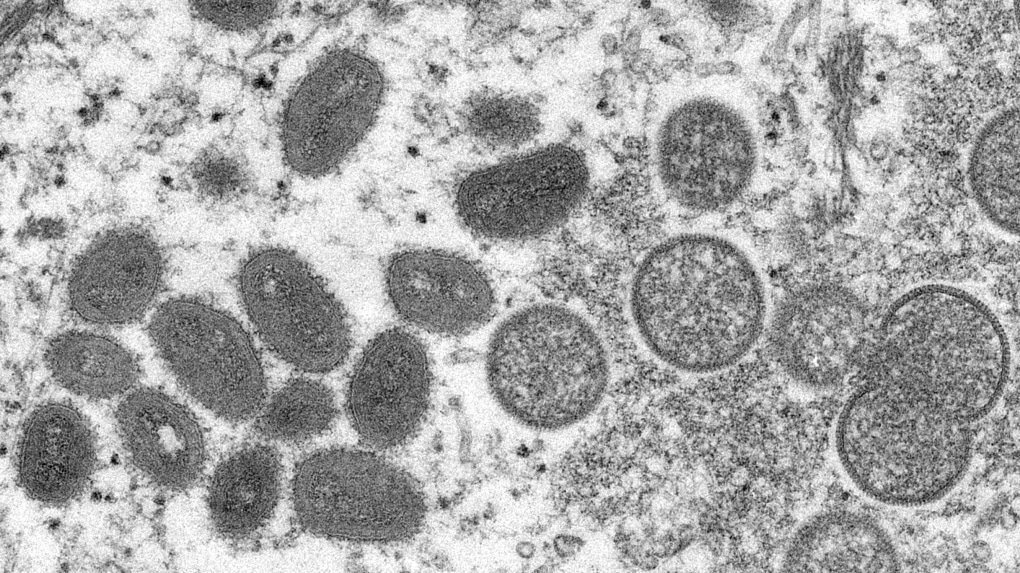
The Monkeypox virus was first isolated and identified in 1958 during an outbreak in a monkey colony kept for research purposes. Researchers discovered that the virus shared similarities with the Smallpox virus but exhibited distinct genetic and antigenic differences.
The Mpox Virus
Genetic Structure
The Monkeypox virus has a complex genetic structure, consisting of a large double-stranded DNA genome encoding numerous proteins. One of the key features of the virus is its ability to cause infection and replication in both animals and humans, although the severity of the disease varies.
Variants of the Virus
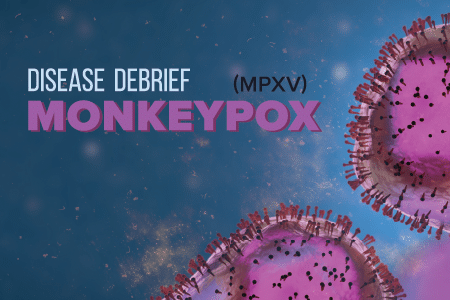
There are multiple variants of the Monkeypox virus, including the Central African, West African, and Congo Basin strains. These variants differ genetically and phylogenetically, potentially impacting their pathogenicity and transmissibility.
Evolution and Mutations
As with many viruses, the Monkeypox virus can undergo genetic mutations and subsequent evolution over time. These mutations can result in changes in transmissibility, virulence, or even the ability to evade host immune responses. Ongoing research aims to better understand the evolutionary dynamics of the virus.
Transmission of Monkeypox
Direct Contact
Direct contact with infected animals or their bodily fluids is the primary mode of transmission for Monkeypox. This can occur through hunting or handling infected animals, as well as contact with contaminated objects or surfaces. Avoiding contact with potentially infected animals can significantly reduce the risk of transmission.
Reservoirs
Wild animals, particularly rodents, are believed to be the natural reservoirs of the Monkeypox virus. These animals can carry the virus without exhibiting symptoms, making it challenging to identify and control potential sources of transmission. Efforts to study and monitor animal reservoirs are crucial for understanding and preventing future outbreaks.
Human-to-Human Transmission
Monkeypox can also be transmitted from infected humans to others through respiratory droplets or direct contact with infected body fluids or skin lesions. Human-to-human transmission poses a significant concern as it can lead to larger outbreaks and has been documented in several Monkeypox outbreaks.
Outbreaks and Incidences
Recent Outbreaks
Monkeypox outbreaks have occurred sporadically in different regions, both within Africa and internationally. Notable recent outbreaks include those in Nigeria in 2017, which led to over a hundred cases, and the United Kingdom in 2018, with one imported case.
Epidemiology
The epidemiology of Monkeypox is complex, with various factors influencing disease transmission and spread. Factors such as population density, cultural practices, and environmental conditions can contribute to outbreaks, making prevention and control challenging.
Factors Contributing to Outbreaks
Several factors contribute to Monkeypox outbreaks, including increased contact between humans and infected animals, inadequate surveillance and diagnostic capabilities, and limited public awareness and education. Addressing these factors can help mitigate the risk of outbreaks and reduce the impact of the disease.
Diagnosis and Treatment
Laboratory Testing
Diagnosing Monkeypox requires laboratory testing, as the clinical symptoms alone can be indistinguishable from other illnesses. Polymerase chain reaction (PCR) assays and virus isolation are among the primary diagnostic methods used to detect the Monkeypox virus in patient samples.
Differential Diagnosis
Distinguishing Monkeypox from other infectious diseases with similar symptoms, such as chickenpox, herpes zoster, and other viral exanthems, is crucial. Physicians must consider the patient’s clinical presentation, history of exposure, and laboratory results to make an accurate diagnosis.
Management and Treatment Options
There is no specific antiviral treatment for Monkeypox. Supportive care, including the management of fever, pain, and secondary infections, is the mainstay of treatment. Smallpox vaccine has been shown to provide some cross-protective immunity against Monkeypox and may be recommended in certain situations.
Prevention and Control
Vaccination Programs
Vaccination remains a crucial component of Monkeypox prevention and control efforts. The live attenuated Smallpox vaccine has been successful in preventing severe forms of Monkeypox and is recommended for individuals at high risk of exposure, such as healthcare workers and laboratory personnel.
Quarantine Measures
Quarantine measures are essential in preventing the spread of Monkeypox during outbreaks. Isolation of infected individuals, contact tracing, and monitoring individuals who have had close contact with infected patients can help limit transmission and control the disease’s spread.
Public Health Policies
Public health policies play a vital role in preventing Monkeypox outbreaks and ensuring early detection and containment. Strengthening surveillance systems, implementing effective communication strategies, and promoting public awareness can contribute to successful prevention and control efforts.

Impact of Monkeypox
Health and Economic Consequences
Monkeypox outbreaks can have significant health and economic consequences. In addition to the direct impact on individual health, outbreaks often strain healthcare systems, disrupt local economies, and cause social and economic hardships for affected communities.
Psychological Impact
The psychological impact of Monkeypox outbreaks should not be underestimated. Fear, anxiety, and stigma can arise, affecting individuals and communities. Psychosocial support and awareness campaigns are crucial in addressing the psychological impact and promoting resilience in affected populations.
Threats to Conservation Efforts
Monkeypox outbreaks among non-human primate populations pose a threat to conservation efforts. Infected animals may die, leading to the loss of valuable genetic diversity and potentially impacting ecosystems. Enhanced surveillance and conservation measures are necessary to safeguard endangered primate species.
Future Research and Surveillance
Investigating Reservoirs
Further research is needed to definitively identify and understand the natural reservoirs of the Monkeypox virus. Studying potential animal hosts, their geographical distribution, and interactions between humans and animals can provide valuable insights for prevention and control strategies.
Improving Diagnostic Techniques
Continued efforts to improve diagnostic techniques for Monkeypox are essential. Development of more rapid and accurate diagnostic tests, including point-of-care assays, can enable timely detection and response, facilitating more effective outbreak management.
Monitoring Vaccine Efficacy
Ongoing monitoring of the efficacy and long-term effectiveness of vaccines, particularly the Smallpox vaccine, is crucial. Tracking the impact of vaccination programs and assessing potential changes in the circulating Monkeypox strains can inform future vaccination strategies and control measures.
In conclusion, Monkeypox is a rare viral disease with historical connections to Smallpox. Understanding its origins, transmission, and impact is essential for effective prevention, diagnosis, and control. Ongoing research, surveillance, and public health measures are necessary to mitigate the risks of Monkeypox outbreaks and minimize the consequences for both human and animal health.