
Imagine a world where infectious diseases know no boundaries, where humans and animals coexist in a delicate dance of pathogens and transmission. This is the reality of zoonosis disease epidemiology, a multifaceted field that investigates diseases transmissible between animals and humans. In this article, we will explore the global perspective of zoonosis disease epidemiology, highlighting its vital role in understanding and preventing outbreaks that can have a widespread impact on public health worldwide. From the origins of zoonotic diseases to their complex dynamics, join us as we unravel the intricate web that connects humans, animals, and the diseases that can bridge the gap between them.
Overview of Zoonosis Diseases

1.1 Definition of Zoonosis Diseases
Zoonotic diseases, also known as zoonoses, are infectious diseases that can be transmitted between animals and humans. These diseases can be caused by a variety of pathogens, such as bacteria, viruses, parasites, and fungi. The transmission of zoonotic diseases can occur through direct contact with infected animals or their bodily fluids, as well as through indirect means such as vectors, contaminated food or water, and environmental exposure.
1.2 Historical Background
Zoonotic diseases have been recognized and studied for centuries. Throughout history, numerous zoonotic disease outbreaks have occurred, causing significant morbidity and mortality in both humans and animals. Some notable examples include the Black Death, which was caused by the bacterium Yersinia pestis and transmitted by fleas that infested rats, and the 1918 influenza pandemic, which is believed to have originated from avian influenza viruses.
1.3 Importance of Studying Zoonosis Diseases
The study of zoonotic diseases is crucial for several reasons. Firstly, these diseases can have a profound impact on both human and animal health, leading to illness, disability, and death. Understanding the factors that contribute to the emergence and transmission of zoonotic diseases is essential for their prevention and control. Additionally, zoonotic diseases can have economic implications, causing significant financial losses through decreased productivity, trade restrictions, and healthcare costs. By studying zoonotic diseases, we can develop effective strategies to minimize their impact on society.
The Global Burden of Zoonosis Diseases
2.1 Prevalence of Zoonosis Diseases Worldwide
Zoonotic diseases are a global concern, affecting all regions of the world. Their prevalence varies depending on factors such as geographic location, climate, and socioeconomic conditions. Some zoonotic diseases, such as rabies and avian influenza, are endemic in certain regions, while others, such as Ebola, may cause sporadic outbreaks. The true burden of zoonotic diseases is difficult to assess due to underreporting and limited surveillance systems in many countries.
2.2 Impact on Human and Animal Health
Zoonotic diseases can have a significant impact on both human and animal health. In humans, these diseases can range from mild illnesses, such as gastroenteritis, to severe and potentially fatal conditions, such as Ebola hemorrhagic fever. Zoonotic diseases can also cause substantial morbidity and mortality in animals, particularly in livestock, leading to economic losses for farmers and agricultural industries. Additionally, zoonotic diseases can impact wildlife populations, threatening biodiversity and ecosystem health.
2.3 Economic Implications
The economic implications of zoonotic diseases extend beyond the direct healthcare costs. These diseases can result in reduced productivity and trade restrictions, particularly in the agricultural sector. For example, outbreaks of zoonotic diseases in livestock can lead to decreased milk and meat production, as well as increased mortality rates. Moreover, the control and prevention of zoonotic diseases require significant financial resources, including investments in surveillance systems, research, and public health measures.
Transmission of Zoonosis Diseases

3.1 Direct Transmission
Direct transmission is one of the primary modes of zoonotic disease transmission. It involves the direct contact with infected animals or their bodily fluids. This can occur through activities such as handling or slaughtering animals, working in close proximity to infected animals, or through exposure to contaminated surfaces or objects.
3.1.1 Contact with Infected Animals
Direct contact with infected animals is a common mode of transmission for many zoonotic diseases. This can occur through activities such as petting, grooming, or feeding animals, as well as through occupational exposure in industries such as agriculture, veterinary medicine, and animal handling. Examples of zoonoses transmitted through direct contact include brucellosis, leptospirosis, and toxoplasmosis.
3.1.2 Animal Bites and Scratches
Animal bites and scratches can also result in zoonotic disease transmission. These injuries can introduce pathogens into the bloodstream, leading to infection. Rabies, for example, is primarily transmitted through animal bites, particularly from infected dogs and wildlife such as bats and raccoons. Prompt medical evaluation and proper wound care are crucial in preventing the development of zoonotic infections following animal injuries.
3.2 Indirect Transmission
In addition to direct transmission, zoonotic diseases can also be transmitted indirectly. This occurs through various mechanisms, such as vectors, contaminated food or water, and environmental exposure.
3.2.1 Vector-borne Transmission
Vector-borne transmission involves the transfer of zoonotic diseases by arthropod vectors such as mosquitoes, ticks, and fleas. These vectors act as intermediate hosts, acquiring the pathogen from an infected animal and transmitting it to a susceptible host, which can be a human or another animal. Examples of vector-borne zoonotic diseases include malaria, dengue fever, and Lyme disease.
3.2.2 Foodborne Transmission
Foodborne transmission occurs when zoonotic pathogens are present in contaminated food products. Consumption of improperly cooked or contaminated meat, poultry, eggs, or dairy products can lead to zoonotic infections such as salmonellosis, campylobacteriosis, and trichinellosis. Good food hygiene practices, including proper cooking and storage, are crucial in preventing foodborne zoonotic diseases.

3.2.3 Waterborne Transmission
Waterborne transmission involves the contamination of water sources with zoonotic pathogens, which can then be ingested by humans or animals. Poor sanitation and inadequate water treatment can facilitate the spread of waterborne zoonotic diseases such as leptospirosis, cryptosporidiosis, and giardiasis. Access to clean and safe drinking water is essential in preventing waterborne zoonoses.
Major Zoonosis Diseases
4.1 Rabies
4.1.1 Epidemiology of Rabies
Rabies is a deadly zoonotic disease caused by a virus that affects the central nervous system. It is primarily transmitted through the bite or scratch of an infected animal, most commonly dogs, bats, and wildlife. Rabies is prevalent in many parts of the world, particularly in Asia and Africa, where canine vaccination programs and access to post-exposure prophylaxis are often limited.
4.1.2 Prevention and Control Measures
Prevention and control measures for rabies include vaccination of domestic animals, particularly dogs, which serves as a reservoir for the disease. Education and awareness campaigns aiming to promote responsible pet ownership, proper wound care, and timely post-exposure prophylaxis are also essential in preventing rabies infections in humans. Enhanced surveillance and monitoring systems are crucial for early detection and response to rabies outbreaks.
4.2 Avian Influenza
4.2.1 Global Outbreaks and Pandemic Potential
Avian influenza, or bird flu, is caused by influenza viruses that primarily infect birds. However, some strains of avian influenza viruses can infect humans and cause severe respiratory illness. The potential for an avian influenza virus to cause a global pandemic is a major concern. The H5N1 and H7N9 strains have caused outbreaks in poultry and sporadic human cases, highlighting the need for vigilant surveillance and rapid response strategies.

4.2.2 Strategies for Prevention and Control
Prevention and control strategies for avian influenza include surveillance and monitoring of poultry populations, early detection and containment of outbreaks, and vaccination programs in poultry. Strict biosecurity measures in poultry farms and markets, as well as public education campaigns on safe handling and cooking of poultry products, are important in reducing the risk of avian influenza transmission to humans.
4.3 Ebola
4.3.1 Impact on Human Health and Outbreaks
Ebola is a severe viral disease that causes hemorrhagic fever, with high case fatality rates. The disease is primarily transmitted through direct contact with the blood, secretions, or other bodily fluids of infected individuals or animals. Ebola outbreaks have occurred mainly in sub-Saharan Africa, with the largest outbreak in 2014-2016 affecting several countries and causing thousands of deaths.
4.3.2 One Health Approach for Ebola Control
The control of Ebola requires a One Health approach, which emphasizes the integration of human, animal, and environmental health data and expertise. This entails coordination between public health authorities, veterinary services, and environmental agencies in surveillance and response efforts. Early detection and isolation of cases, contact tracing, safe burial practices, and community engagement are crucial components of Ebola control and prevention.
Emerging and Reemerging Zoonosis Diseases
5.1 Factors Contributing to Emergence and Reemergence
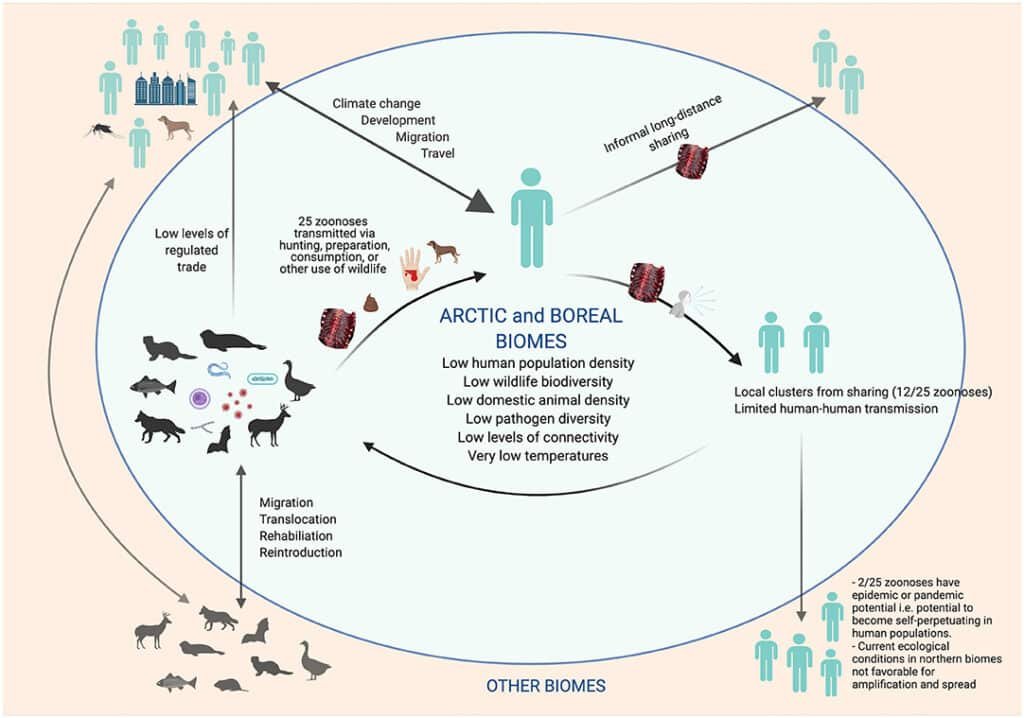
Several factors contribute to the emergence and reemergence of zoonotic diseases. These include changes in land use and deforestation, urbanization, climate change, wildlife trade, and population movement. These factors can disrupt ecosystems, bring humans into closer contact with wildlife, and create favorable conditions for the transmission of zoonotic pathogens.
5.2 Examples of Emerging Zoonosis Diseases
There are numerous examples of emerging zoonotic diseases. Some notable examples include Severe Acute Respiratory Syndrome (SARS), Middle East Respiratory Syndrome (MERS), and the recent coronavirus disease (COVID-19) pandemic, which is caused by the novel coronavirus SARS-CoV-2. These diseases highlight the ongoing threat of emerging zoonotic pathogens and the need for global preparedness and response strategies.
5.3 Surveillance and Early Detection Strategies
Surveillance and early detection are essential in identifying and responding to emerging zoonotic diseases. This includes the establishment of robust surveillance systems in both humans and animals, enhanced laboratory capacity for pathogen detection and characterization, and the development of early warning systems based on epidemiological and ecological data. Timely reporting and sharing of information between countries and international organizations is crucial for effective early detection and response.
Role of Wildlife in Zoonosis Disease Transmission
6.1 Wildlife Reservoirs and Hosts
Wildlife plays a significant role in the transmission of zoonotic diseases. Many zoonotic pathogens are naturally present in wildlife populations, with animals acting as reservoirs and hosts for these diseases. For example, bats are known to harbor numerous viruses, including the Ebola virus, Nipah virus, and coronaviruses. Understanding the ecology and behavior of wildlife species and their interactions with humans is important for predicting and preventing zoonotic spillover events.
6.2 Spillover Events and Cross-Species Transmission
Spillover events occur when a zoonotic pathogen is transmitted from animals to humans, resulting in human infection and disease. The majority of emerging zoonotic diseases are the result of spillover events. Factors such as increased human-wildlife contact, habitat destruction, and changes in animal behavior can facilitate cross-species transmission. It is important to identify high-risk species and prioritize surveillance and research efforts to prevent future spillover events.
6.3 Conservation Implications for Zoonosis Control
The control of zoonotic diseases has important implications for wildlife conservation. Disease outbreaks can have devastating effects on wildlife populations, leading to declines in biodiversity and ecosystem disruption. Conservation efforts should consider the potential impact of zoonotic diseases on wildlife and incorporate disease management strategies into conservation plans. This may include vaccination programs, habitat protection, and wildlife population monitoring.
One Health Approach to Zoonosis Disease Epidemiology
7.1 Overview of the One Health Concept
The One Health approach recognizes the interconnectedness of human, animal, and environmental health and promotes collaborative and interdisciplinary efforts in disease prevention and control. By integrating data and expertise from multiple sectors, the One Health approach aims to improve understanding of zoonotic diseases, enhance surveillance systems, and develop effective strategies for prevention and control.
7.2 Integration of Human, Animal, and Environmental Health Data
The integration of human, animal, and environmental health data is a key component of the One Health approach. This entails sharing and analyzing data on disease occurrence, risk factors, and ecological factors to better understand the drivers of zoonotic disease emergence and transmission. It also allows for the identification of shared risk factors and the development of targeted interventions to prevent and control zoonotic diseases.
7.3 Collaborative Efforts and Interdisciplinary Research
Collaboration and interdisciplinary research are essential in the implementation of the One Health approach. This includes close cooperation between public health authorities, veterinary professionals, ecologists, epidemiologists, and other relevant stakeholders. By working together, these different disciplines can contribute their unique expertise and resources to address the complex challenges of zoonotic disease epidemiology.
Government and International Response to Zoonosis Diseases
8.1 National and Global Surveillance Systems
Surveillance systems are critical in the early detection and monitoring of zoonotic diseases. National and global surveillance systems collect and analyze data on disease occurrence, as well as risk factors and trends. This information allows for timely response and the implementation of control measures. International organizations, such as the World Health Organization (WHO) and the World Organisation for Animal Health (OIE), play a crucial role in coordinating global surveillance efforts and facilitating information sharing.
8.2 Disease Outbreak Response and Containment
The timely response to disease outbreaks is crucial in preventing the further spread of zoonotic diseases. This includes rapid case detection and reporting, contact tracing, isolation and treatment of cases, and implementation of infection prevention and control measures. Outbreak response teams, comprising of public health professionals, veterinarians, and other experts, are mobilized to coordinate response efforts and ensure effective containment of zoonotic diseases.
8.3 International Organizations and Initiatives
International organizations and initiatives play a critical role in addressing zoonotic diseases on a global scale. The WHO, OIE, and the Food and Agriculture Organization of the United Nations (FAO) collaborate to develop guidelines and standards for disease control and prevention. They also provide technical assistance, training, and capacity building support to countries in surveillance, laboratory testing, and outbreak response. Additionally, initiatives such as the Global Health Security Agenda (GHSA) aim to strengthen global preparedness and response to infectious disease threats.
Public Health Strategies for Zoonosis Disease Prevention
9.1 Vaccination Programs
Vaccination is a key public health strategy for preventing zoonotic diseases. Vaccines are available for several zoonotic diseases, such as rabies and influenza. Vaccination programs target both animals and humans, depending on the disease and its reservoir. For example, widespread vaccination of domestic dogs is crucial in preventing human rabies cases. Vaccination coverage, accessibility, and affordability are important considerations in the implementation of vaccination programs.
9.2 Hygiene and Sanitation Measures
Good hygiene and sanitation practices are essential in preventing zoonotic diseases. This includes regular handwashing with soap and clean water, proper sanitation and waste management, and safe food handling and preparation. Education campaigns promoting these practices, particularly in high-risk settings such as healthcare facilities, schools, and markets, can help reduce the transmission of zoonotic pathogens.
9.3 Education and Awareness Campaigns
Education and awareness campaigns are important in promoting a better understanding of zoonotic diseases and their prevention. These campaigns can target various audiences, including healthcare professionals, animal handlers, farmers, and the general public. Key messages may include information on disease symptoms, modes of transmission, preventive measures, and the importance of seeking timely medical care. Collaboration between public health and veterinary authorities, as well as community engagement, are vital in the success of education and awareness campaigns.
Future Challenges and Opportunities in Zoonosis Disease Epidemiology
10.1 Antimicrobial Resistance
Antimicrobial resistance poses a significant challenge to the control and treatment of zoonotic diseases. The overuse and misuse of antimicrobial drugs in both human and animal health settings have led to the emergence of drug-resistant pathogens. This limits treatment options and increases the risk of treatment failure. Addressing antimicrobial resistance requires coordinated efforts, including prudent antibiotic use, surveillance of resistant strains, and research into alternative treatment options.
10.2 Climate Change and Habitat Destruction
Climate change and habitat destruction can have profound effects on zoonotic disease epidemiology. Changes in temperature and precipitation patterns can alter the distribution and abundance of disease vectors, such as mosquitoes and ticks. Habitat destruction and deforestation can disrupt ecosystems and bring humans into closer contact with wildlife, increasing the risk of zoonotic spillover events. Mitigating the impact of climate change and preserving biodiversity are key strategies in preventing the emergence and spread of zoonotic diseases.
10.3 Technological Advancements in Disease Surveillance
Technological advancements have the potential to revolutionize disease surveillance and response. The use of geographic information systems (GIS), remote sensing, and big data analytics can improve our understanding of zoonotic disease patterns and risk factors. Digital tools, such as mobile applications and wearable devices, offer new opportunities for real-time data collection and early detection of outbreaks. However, ensuring equitable access to these technologies and addressing privacy and ethical concerns are important considerations in their implementation.
In conclusion, zoonotic diseases pose a significant threat to global health and well-being. The complexity of these diseases requires a comprehensive and collaborative approach that integrates efforts across human, animal, and environmental health sectors. By understanding the epidemiology of zoonotic diseases, implementing effective prevention and control strategies, and investing in research and surveillance, we can mitigate the impact of these diseases, reduce their economic burdens, and safeguard the health of both humans and animals.