
Are you looking for ways to manage your diabetes through diet? Look no further! In this article, you will discover a variety of delicious diabetes control foods that can help you regulate your blood sugar levels and improve your overall health. By incorporating these nutritious options into your daily meals, you can take control of your diabetes and enjoy a balanced and fulfilling diet. Let’s explore the power of diabetes control food together!
Types of Diabetes Control Food
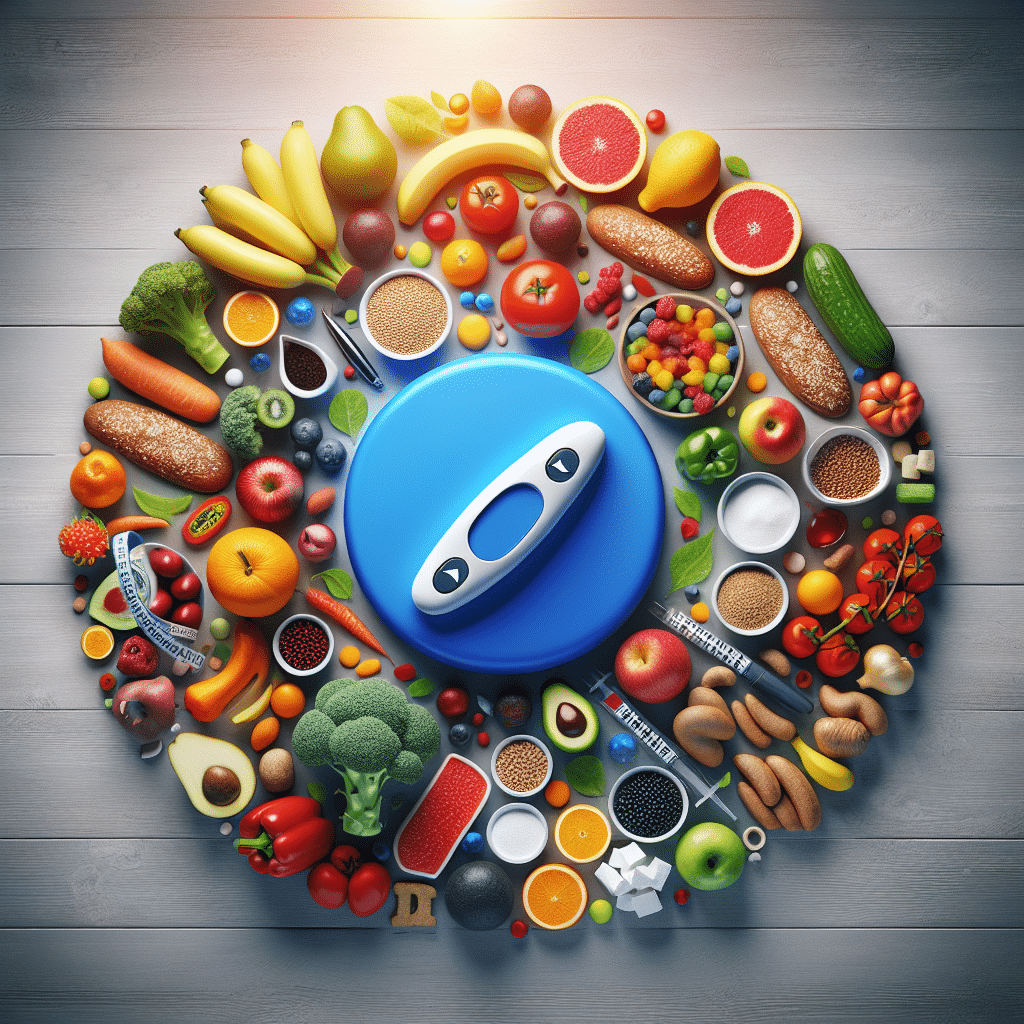
When it comes to managing diabetes, incorporating the right types of food into your diet can make a big difference. There are several categories of food that can help control blood sugar levels and overall health. These include carbohydrates, proteins, healthy fats, and fiber. By understanding how each of these food groups can benefit you, you can make informed choices to manage your diabetes effectively.
Carbohydrates as Diabetes Control Food
Carbohydrates are the main source of energy for the body, but they can have a significant impact on blood sugar levels. For diabetes control, it is important to choose the right types of carbohydrates that have a minimal effect on blood sugar. Complex carbohydrates, such as whole grains, legumes, and vegetables, are digested slowly, resulting in a gradual and steady rise in blood sugar levels. Low-glycemic index foods, such as sweet potatoes, quinoa, and berries, also have a lesser impact on blood sugar levels.
Proteins as Diabetes Control Food
Proteins play a crucial role in repairing and building tissues in the body. They can also help regulate blood sugar levels. Lean sources of protein, such as skinless chicken, turkey, fish, and tofu, can be included in a diabetes control diet. These protein sources are low in saturated fat and can provide essential nutrients without causing spikes in blood sugar levels. Plant-based proteins, such as beans, lentils, and nuts, are also great options and can offer additional health benefits, such as fiber and antioxidants.

Healthy Fats as Diabetes Control Food
Contrary to popular belief, fats are an essential part of a balanced diet and can play a role in managing diabetes. Healthy fats, such as monounsaturated and polyunsaturated fats, can improve insulin sensitivity and help control blood sugar levels. Foods rich in monounsaturated fats include avocados, olive oil, and nuts, while foods rich in polyunsaturated fats include fatty fish, flaxseeds, and walnuts. Omega-3 fatty acids, found in fatty fish and chia seeds, can also provide additional benefits for heart health.
Fiber as Diabetes Control Food
Fiber is an important nutrient that can help regulate blood sugar levels, improve digestion, and promote satiety. There are two types of fiber: soluble fiber and insoluble fiber. Soluble fiber, found in foods such as oats, barley, and legumes, forms a gel-like substance in the digestive tract and can help slow down the absorption of glucose into the bloodstream. Insoluble fiber, found in foods such as whole grains, vegetables, and fruits, adds bulk to the stool and helps maintain regularity and control blood sugar levels.
Incorporating Diabetes Control Food into Your Diet
Now that you understand the different types of diabetes control food, it’s important to know how to incorporate them into your daily meals. Meal planning is a key aspect of diabetes management. By planning your meals in advance, you can ensure that you have a balanced mix of carbohydrates, proteins, healthy fats, and fiber. Portion control is also crucial, as it helps regulate your calorie intake and prevents overeating. Aim for balanced meals that include a combination of all food groups to maintain stable blood sugar levels.
Diabetes Control Food to Avoid
While it’s important to focus on the food that can help you manage diabetes, it’s equally important to be aware of the foods that can have a negative impact on your health. Highly processed foods, such as packaged snacks and fast food, are often high in refined carbohydrates, unhealthy fats, and added sugars, which can lead to spikes in blood sugar levels. Avoiding added sugars and sweeteners is also crucial, as they can cause drastic blood sugar fluctuations. Saturated and trans fats, found in fatty cuts of meat and processed snacks, should be limited, as they can increase the risk of heart disease. Additionally, high-sodium foods, such as canned soups and processed meats, should be avoided, as they can contribute to high blood pressure.
Benefits of Diabetes Control Food
Incorporating diabetes control food into your diet can offer several benefits for managing your diabetes and overall health. Blood sugar management is the primary goal, and by choosing the right types of food, you can keep your blood sugar levels stable throughout the day. This can help prevent complications associated with diabetes, such as nerve damage, kidney disease, and vision problems. Additionally, focusing on diabetes control food can also aid in weight management. By making healthier food choices, you can maintain a healthy weight or even achieve weight loss if necessary. Lastly, consuming a diet rich in diabetes control food can improve heart health. By including healthy fats, fiber, and nutrient-dense foods, you can reduce the risk of cardiovascular diseases commonly associated with diabetes.
Tips for Using Diabetes Control Food
To make the most out of diabetes control food, here are some helpful tips to consider:
-
Consult with a Registered Dietitian: A professional dietitian can provide personalized guidance and help you create a meal plan that suits your specific needs and preferences.
-
Read Food Labels: Pay attention to nutrition labels when grocery shopping to identify hidden sugars, unhealthy fats, and excessive sodium in packaged foods.
-
Cooking Methods: Opt for grilling, baking, or steaming your food rather than frying or using excessive oil, as this can help reduce the overall fat content of your meals.
-
Snacking Strategies: Choose healthy snacks that contain a mix of carbohydrates, protein, and fiber to keep your blood sugar levels stable between meals. Good options include Greek yogurt, raw veggies with hummus, or a handful of nuts.
Conclusion
Managing diabetes requires a holistic approach, and incorporating the right types of food into your diet is an essential part of that process. By choosing carbohydrates with a low glycemic index, lean sources of protein, healthy fats, and fiber-rich foods, you can effectively manage blood sugar levels and support your overall health. Remember the importance of meal planning, portion control, and a balanced diet to achieve optimal results. Avoid highly processed foods, added sugars, unhealthy fats, and high-sodium options to minimize the risk of complications associated with diabetes. With the guidance of a registered dietitian and by implementing these tips, you can successfully navigate diabetes control food and improve your overall well-being.