
Are you tired of dealing with constant knee pain? Look no further, because we have just the remedy for you! Introducing the Knee Pain Remedy, a revolutionary solution that will alleviate your discomfort and help you regain control of your life. Whether it’s due to injury, arthritis, or simply overuse, this innovative remedy is specifically designed to target the root cause of your knee pain and provide long-lasting relief. Say goodbye to discomfort and hello to a pain-free lifestyle with the Knee Pain Remedy.
Causes of Knee Pain
Arthritis
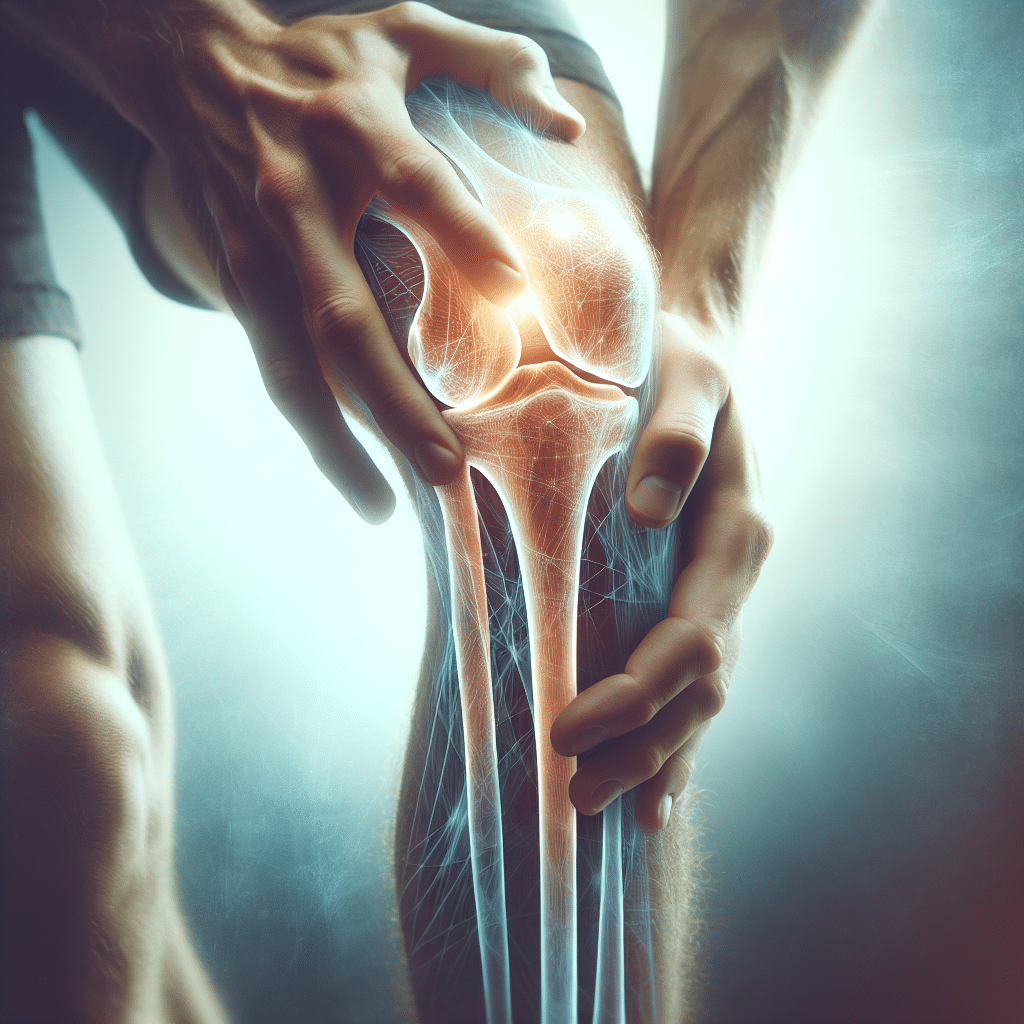
Arthritis is one of the leading causes of knee pain. It refers to the inflammation of the joints, and there are different types of arthritis that can affect the knees, such as osteoarthritis, rheumatoid arthritis, and gout. Arthritis can result in pain, stiffness, and swelling in the knees, making it difficult to perform daily activities.
Injuries
Injuries, such as sprains, strains, and fractures, are common causes of knee pain. Sports-related injuries, falls, and accidents can damage the ligaments, tendons, and bones around the knee joint. These injuries can lead to pain, instability, and limited range of motion.
Overuse
Overuse of the knee joint can also contribute to knee pain. Activities that involve repetitive motions, such as running, jumping, or kneeling for extended periods, can put excessive strain on the knees. This can cause inflammation and over time, lead to chronic knee pain.
Obesity
Excessive weight can increase the load on the knee joints, leading to pain and discomfort. The excess weight puts extra pressure on the knees, especially when walking or climbing stairs. Maintaining a healthy weight is crucial for reducing the risk of knee pain and preventing further damage.
Lack of muscle support
Weak muscles in the legs, particularly the quadriceps and hamstrings, can put additional stress on the knee joint. When the muscles surrounding the knee are weak, they are unable to provide proper support and stability, resulting in knee pain.
Infections
Infections in the knee joint can cause pain and swelling. Bacterial or viral infections can lead to conditions such as septic arthritis, wherein the knee joint becomes infected and inflamed. Prompt medical attention is necessary to treat such infections and alleviate knee pain.
Diagnosing Knee Pain
Medical history
To determine the cause of your knee pain, your doctor will start by taking a detailed medical history. They will ask about your symptoms, when they started, and any previous injuries or medical conditions that may be contributing to the pain. Providing accurate information about your knee pain will help guide further diagnostic tests.
Physical examination
A physical examination of the knee joint is essential to assess the range of motion, stability, and any visible signs of injury or inflammation. Your doctor will palpate the knee, check for swelling or tenderness, and perform specific maneuvers to evaluate the ligaments and tendons.
Imaging tests
Imaging tests, such as X-rays, MRIs, or CT scans, may be ordered to get a closer look at the knee joint and surrounding structures. These tests can help identify fractures, ligament tears, cartilage damage, or signs of arthritis. The images obtained can provide valuable information for diagnosing the underlying cause of the knee pain.
Fluid analysis
If there is excessive fluid accumulation in the knee joint, your doctor may decide to perform a joint aspiration. In this procedure, a small amount of fluid is withdrawn from the knee joint and sent for laboratory analysis. This analysis can reveal signs of infection, inflammation, or crystal deposits, helping to diagnose the cause of the knee pain.
Arthroscopy
Arthroscopy is a minimally invasive surgical procedure that allows the doctor to visualize the inside of the knee joint using a small camera. It can be both diagnostic and therapeutic. The camera is inserted through a small incision, and surgical instruments can be used to repair any damage or remove debris that may be causing the knee pain.
Non-Surgical Knee Pain Remedies
Rest and ice
Resting the affected knee and applying ice packs can reduce pain and inflammation. Taking periodic breaks from activities that aggravate the pain and regularly icing the knee can provide temporary relief.
Pain medications
Over-the-counter pain medications, such as nonsteroidal anti-inflammatory drugs (NSAIDs), can help alleviate knee pain. These medications can help reduce pain and inflammation, allowing for better mobility. However, it is important to follow the recommended dosage and consult a healthcare professional before starting any medication regimen.
Physical therapy
Physical therapy plays a crucial role in relieving knee pain. A trained physical therapist can design a personalized exercise program that focuses on strengthening the muscles around the knee joint, improving flexibility, and reducing pain. They may also incorporate other modalities, such as ultrasound or electrical stimulation, to promote healing.
Exercises
Specific exercises targeted at the knee joint can help improve strength and flexibility, reducing knee pain. These exercises may include stretching, range-of-motion exercises, and low-impact activities like swimming or cycling. It is important to perform these exercises under the guidance of a healthcare professional to ensure proper technique and prevent further injury.
Weight loss
Losing excess weight can significantly reduce the strain on the knee joints, relieving pain and improving overall joint health. Incorporating a balanced diet and regular exercise routine can help shed those extra pounds and reduce the risk of knee pain.
Braces or supports
Wearing knee braces or supports can provide additional stability to the knee joint and reduce pain. These devices can help improve alignment, reduce stress on the knee, and offer support during physical activities. Your healthcare provider can recommend the appropriate brace or support based on your specific condition.
Assistive devices
Assistive devices, such as crutches or walking aids, can help take the weight off the affected knee, allowing for better mobility and pain relief. Using these devices as recommended by a healthcare professional can provide temporary relief during the healing process.
Alternative therapies
Alternative therapies, such as acupuncture, chiropractic care, or herbal supplements, may be considered for knee pain relief. While the evidence for their effectiveness varies, some individuals find these therapies helpful in managing their knee pain. It is important to consult with a healthcare professional before trying any alternative therapies.
Surgical Knee Pain Remedies
Arthroscopy
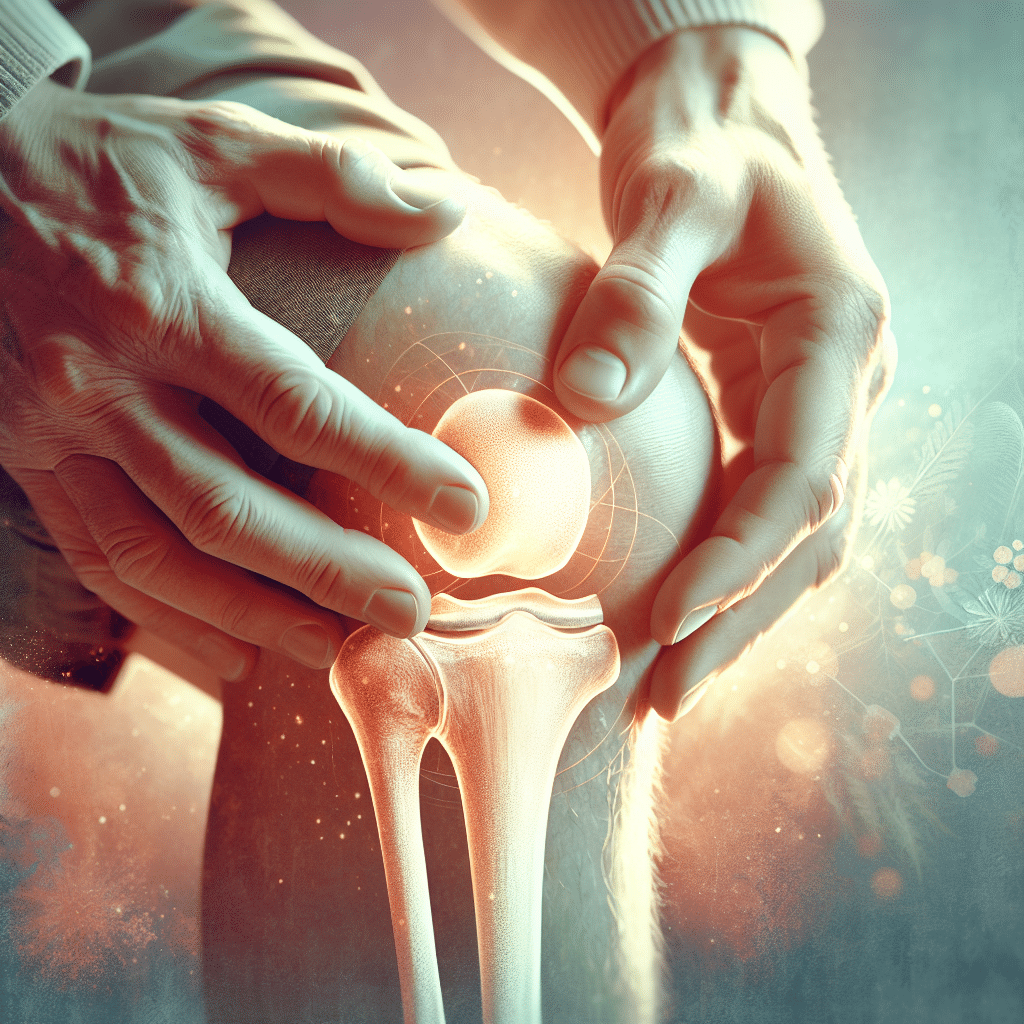
Arthroscopy, as mentioned earlier, can be both a diagnostic and therapeutic procedure. In addition to visualizing the knee joint, the surgeon can perform various surgical techniques through small incisions. These techniques can include removing damaged cartilage, repairing ligaments, or smoothing roughened surfaces to alleviate knee pain.
Partial knee replacements
In cases where knee pain is localized to one part of the knee, a partial knee replacement may be considered. This surgical procedure involves replacing only the affected portion of the knee joint with artificial implants. It can provide pain relief and improve functionality while preserving the healthy parts of the knee joint.
Total knee replacements
Total knee replacement is a major surgical procedure that involves replacing the entire knee joint with artificial implants. This procedure is typically reserved for severe cases of knee pain caused by advanced arthritis or significant joint damage. Total knee replacement can provide long-term pain relief and restore mobility.
Meniscus repair or removal
The meniscus is a cartilage cushion that provides stability and cushioning to the knee joint. When it becomes torn or damaged, it can cause pain and limited mobility. Depending on the severity of the tear, the surgeon may opt to repair the meniscus through sutures or remove the affected portion. Meniscus surgery can help alleviate knee pain and restore normal knee function.
Ligament reconstruction
In cases where the knee’s ligaments, such as the anterior cruciate ligament (ACL), are injured or torn, ligament reconstruction may be necessary. During this surgical procedure, the damaged ligament is replaced with a graft, usually taken from another part of the body or a donor. Ligament reconstruction can restore stability and alleviate pain in the knee joint.
Preventing Knee Pain
Maintaining a healthy weight
Maintaining a healthy weight is crucial for preventing knee pain. Excess weight puts unnecessary stress on the knee joints, increasing the risk of damage and pain. By adopting a balanced diet and incorporating regular exercise, you can reduce the strain on your knees and lower the likelihood of developing knee pain.
Strengthening leg muscles
Strong leg muscles, particularly the quadriceps and hamstrings, provide support and stability to the knee joint. Regular strength training exercises that target these muscles can help prevent knee pain by reducing the strain on the joint. Your healthcare provider or a certified fitness professional can guide you in developing a proper strength training program.
Proper warm-up and cool-down routines
Before engaging in physical activities, it is essential to warm up your muscles and joints properly. Gentle stretching and low-impact exercises can help prepare your knees for the upcoming activity, reducing the risk of injury and pain. Similarly, cooling down after exercise with light stretching can help prevent stiffness and soreness in the knee joint.
Using proper techniques during physical activities
Using proper techniques and maintaining correct form during physical activities is crucial for preventing knee pain. Whether it’s running, jumping, or lifting weights, improper techniques can put unnecessary stress on the knees and lead to injury. Consult with a knowledgeable trainer or coach to ensure that you are using the correct techniques for your chosen activities.
Wearing appropriate footwear
Wearing appropriate footwear that provides adequate support and cushioning is essential for protecting your knees during physical activities. Choose shoes that are designed for the specific sports or activities you engage in, as they can help absorb shock and provide stability to the feet and knees.
Avoiding high-impact activities
High-impact activities, such as running on hard surfaces or participating in contact sports, can increase the risk of knee injury and pain. Consider low-impact alternatives like swimming, cycling, or using an elliptical machine to reduce the impact on your knees while still staying active.
Taking breaks during repetitive tasks
If your daily activities involve repetitive motions, such as kneeling or squatting, it is crucial to take regular breaks to give your knees a rest. Prolonged periods of repetitive motion can lead to overuse injuries and knee pain. Alternating tasks or taking short breaks can help prevent these issues.
Avoiding sudden changes in activity levels
Sudden changes in activity levels, such as starting a new exercise program or increasing the intensity too quickly, can put a lot of strain on your knees. Gradually build up your activity level over time to allow your body, including your knees, to adapt and strengthen. This can help reduce the risk of knee pain due to overuse or excessive stress.
Regularly stretching
Regular stretching of the muscles around the knees can help improve flexibility and reduce the risk of injury. Include stretches for the quadriceps, hamstrings, calves, and hip muscles in your exercise routine. Stretching after a warm-up or at the end of a workout can help maintain optimal joint function and prevent knee pain.
Home Remedies for Knee Pain Relief
Hot and cold therapy
Hot and cold therapy can provide temporary relief for knee pain. Applying a cold pack or ice pack to the affected knee for about 15 to 20 minutes can help reduce inflammation and numb the area. Alternatively, using a heating pad or warm towel for about 15 minutes can help relax the muscles and alleviate pain.
Epsom salt soak
Soaking your knees in warm water with Epsom salt can help relieve knee pain and reduce inflammation. Epsom salt contains magnesium, which can be absorbed through the skin and provide relief for muscle aches and joint pain. Fill a tub with warm water, add Epsom salt as per the package instructions, and soak your knees for about 15 to 20 minutes.
Ginger tea
Ginger has natural anti-inflammatory properties that can help reduce knee pain. Drinking ginger tea regularly can help alleviate pain and improve joint mobility. To make ginger tea, steep fresh ginger slices in hot water for about 10 minutes, strain, and enjoy. Adding a dash of honey or lemon can enhance the taste.
Turmeric
Turmeric contains a compound called curcumin, which has powerful anti-inflammatory properties. Incorporating turmeric into your diet can help reduce knee pain. You can sprinkle turmeric powder on your meals, add it to smoothies, or take curcumin supplements after consulting with a healthcare professional.
Apple cider vinegar
Apple cider vinegar is believed to have pain-relieving properties when applied topically. Mix equal parts of apple cider vinegar and water, soak a clean cloth in the mixture, and apply it to the affected knee for about 15 minutes. Rinse the area with water afterward. This remedy may provide temporary relief for knee pain.
Essential oils
Certain essential oils, such as lavender, peppermint, or eucalyptus oil, have soothing properties that can provide relief for knee pain. Dilute a few drops of essential oil with a carrier oil, such as coconut or almond oil, and gently massage it into the affected knee. The aroma and massage can help relax the muscles and reduce pain.
Massage
Gentle massage of the affected knee can help improve blood circulation and reduce pain. You can use your hands or seek the assistance of a professional massage therapist. Applying a gentle pressure and using circular motions, massage the knee for a few minutes daily to obtain relief.
Acupuncture
Acupuncture, an ancient Chinese practice, involves the insertion of thin needles into specific points on the body. It is believed to help balance the body’s energy flow and relieve pain. Some individuals find acupuncture helpful in reducing knee pain. Consult with a certified acupuncturist to explore this option.
Herbal supplements
Certain herbal supplements, such as devil’s claw, bromelain, or boswellia, have been used traditionally for pain relief. These supplements can be taken orally after consulting with a healthcare professional. It is important to ensure the quality and safety of these supplements, as well as any potential interactions with medications.
Maintaining proper posture
Maintaining proper posture while sitting, standing, or walking can help alleviate knee pain. Proper alignment and support for the spine can reduce the strain on the knee joints. Pay attention to your posture throughout the day and make adjustments as needed.
When to Seek Medical Attention
Severe pain
If you experience severe knee pain that is not relieved by rest, home remedies, or over-the-counter pain medications, it is important to seek medical attention. Severe pain can be an indication of a more serious underlying condition that requires prompt evaluation and treatment.
Inability to bear weight
If you are unable to put weight on the affected knee or have difficulty walking, it is essential to consult a healthcare professional. This can indicate a significant injury or structural damage that needs to be addressed immediately.
Swelling and redness
If your knee is swollen, red, or warm to the touch, it may be a sign of inflammation or infection. Swelling that persists for more than a few days or is accompanied by other symptoms should be evaluated by a healthcare professional.
Locking or instability of the knee joint
If your knee locks or feels unstable, it may signify a ligament or cartilage injury. This can significantly impact your ability to move and perform daily activities. Seeking medical attention can help diagnose and treat the underlying cause of the instability.
Fever and other signs of infection
Fever, chills, and other signs of infection, such as increased redness or pus drainage from the knee, require immediate medical attention. This may indicate a bacterial infection in the knee joint that needs urgent treatment.
Limited range of motion
If you experience a significant decrease in the range of motion of your knee joint, such as being unable to fully straighten or bend your knee, it is important to consult a healthcare professional. Limited range of motion can be a sign of injury, inflammation, or other underlying conditions that require medical attention.
Tips for Managing Knee Pain
Avoiding high-impact exercises
High-impact exercises, such as running or jumping, can place excessive stress on the knee joints and exacerbate pain. Consider low-impact alternatives like swimming, cycling, or using an elliptical machine to stay active without straining your knees.
Wearing knee braces or supports
Using knee braces or supports can provide stability and reduce pain in the knee joint. These devices can help alleviate the pressure on the knee, especially during physical activities. Consult with a healthcare professional to determine the most suitable type of brace or support for your condition.
Using assistive devices
Assistive devices, such as canes or crutches, can help take the weight off the affected knee, providing temporary relief during the healing process. Proper usage and adjustment of these devices are essential for maximizing their effectiveness. Consult with a healthcare professional or physical therapist to ensure correct usage.
Maintaining a healthy weight
Maintaining a healthy weight is crucial for reducing the strain on the knee joints. Excess weight puts additional pressure on the knees and can exacerbate pain. Incorporate a balanced diet and regular exercise to achieve and maintain an ideal weight for your body.
Proper rest and recovery
Allowing adequate rest and recovery time for your knees is essential for managing knee pain. Avoid excessive physical activity or movements that aggravate the pain. Take breaks and listen to your body’s signals to prevent further damage and promote healing.
Regularly doing strengthening exercises
Regularly performing specific exercises that target the muscles around the knee joint can help improve strength and stability. Strong muscles can provide better support to the knee, reducing pain and preventing future injuries. Consult with a healthcare professional or physical therapist to determine the most appropriate exercises for your condition.
Using over-the-counter pain relief medications
Over-the-counter pain relief medications, such as acetaminophen or NSAIDs, can help alleviate knee pain temporarily. Follow the recommended dosage and consult with a healthcare professional if you have any underlying medical conditions or are taking other medications.
Applying topical creams or gels
Topical creams or gels containing ingredients like menthol or capsaicin can provide temporary relief for knee pain. These products work by numbing the area or creating a warming or cooling sensation. Apply as directed on the packaging and consult with a healthcare professional if you have any skin conditions or allergies.
Maintaining a balanced diet
A balanced diet rich in nutrients, vitamins, and minerals is essential for overall joint health. Include foods that are high in omega-3 fatty acids, antioxidants, and anti-inflammatory properties, such as fatty fish, fruits, vegetables, and whole grains. Consult with a healthcare professional or registered dietitian for personalized dietary recommendations.
Using heat or cold therapy
Depending on the type of knee pain, heat or cold therapy can provide relief. Cold therapy can help reduce inflammation and numb the area, while heat therapy can help relax the muscles and improve blood circulation. Apply a cold pack or heating pad for about 15 to 20 minutes as needed, following the instructions for each therapy.
Exercises for Knee Pain Relief
Straight leg raises
Lie flat on your back with one leg straight and the other bent at the knee. Slowly lift the straight leg off the ground until it is parallel to the bent leg. Hold for a few seconds, then lower it back down. Repeat on each leg for several repetitions.
Hamstring curls
Stand with your feet hip-width apart, holding onto a chair or wall for support if needed. Bend one knee and bring your heel toward your buttocks, contracting your hamstring muscles. Slowly lower your foot back down and repeat on the opposite leg. Aim for multiple repetitions on each leg.
Quad sets
Sit on the floor with your legs extended in front of you. Tighten the muscles on the top of your thigh, pressing the back of your knee down onto the floor. Hold for a few seconds, then relax. Repeat several times on each leg.
Wall squats
Stand with your back against a wall and your feet hip-width apart. Slowly slide down the wall, bending your knees until they are at a 90-degree angle. Hold for a few seconds, then push through your heels to return to a standing position. Repeat for multiple repetitions.
Step-ups
Place a step or stable elevated surface in front of you. Step onto the surface with one foot, pressing through the heel to lift your body up. Slowly lower yourself back down and repeat with the opposite foot. Perform multiple repetitions on each leg.
Calf raises
Stand with your feet hip-width apart, holding onto a chair or wall for support if needed. Rise up onto your toes, lifting your heels off the ground. Hold for a few seconds, then lower your heels back down. Repeat for several repetitions.
Bridge exercises
Lie on your back with your knees bent and your feet flat on the ground. Lift your hips off the ground, engaging your glutes and hamstrings. Hold for a few seconds, then lower your hips back down. Repeat for multiple repetitions.
Partial lunges
Stand with your feet shoulder-width apart. Take a step forward with one leg, bending both knees to lower into a lunge position. Make sure your front knee stays directly above your ankle. Push through your front heel to return to a standing position and repeat on the opposite leg. Perform multiple repetitions on each leg.
Seated knee extensions
Sit on a chair or bench with your feet flat on the floor. Extend one leg out in front of you, straightening your knee as much as possible. Hold for a few seconds, then slowly lower your leg back down. Repeat on the other leg and perform multiple repetitions.
Stretching exercises
Stretching exercises can help improve flexibility and reduce knee pain. Perform stretches that target the quadriceps, hamstrings, calves, and hip muscles. Hold each stretch for 20 to 30 seconds and repeat several times on each side.
Common Myths about Knee Pain
Myth 1: Knee pain only affects older adults
Contrary to popular belief, knee pain can affect individuals of all ages. While it is more common among older adults due to age-related changes, knee pain can also result from injuries, overuse, or underlying medical conditions in younger individuals.
Myth 2: Resting is the best solution for knee pain
While rest is important for the initial stage of injury or inflammation, prolonged rest can actually hinder recovery and lead to muscle weakness. It is essential to strike a balance between rest and appropriate physical activity to maintain joint health and prevent further complications.
Myth 3: Exercise will worsen knee pain
When done correctly and under proper guidance, exercise can actually help alleviate knee pain. Strengthening the muscles around the knee and maintaining joint mobility through appropriate exercises can provide support and reduce stress on the knee joints.
Myth 4: Knee pain always requires surgery
Surgery is not always the first or only option for treating knee pain. Many cases can be successfully managed through non-surgical methods, such as physical therapy, lifestyle modifications, and pain management techniques. Surgery is typically considered when conservative treatments fail to provide relief or in severe cases of knee damage.
Myth 5: Overweight individuals are the only ones at risk of knee pain
While being overweight can increase the risk of knee pain due to the additional strain on the joints, anyone can experience knee pain regardless of their weight. Factors such as age, genetics, previous injuries, and certain medical conditions can also contribute to knee pain. Maintaining a healthy lifestyle and practicing preventive measures can help reduce the risk for knee pain in individuals of all sizes.