
Are you tired of dealing with constant lower back pain? Look no further! In this article, we will provide a comprehensive list of effective home remedies to help alleviate your discomfort and get you back on your feet. Say goodbye to expensive treatments and medications, because with these simple and accessible remedies, you’ll be able to provide relief to your lower back pain in the comfort of your own home. So, let’s dive right in and discover the best ways to treat lower back pain right from your own living room.
Hot and Cold Therapy
Use a heating pad
When you experience lower back pain, a heating pad can be your best friend. Applying heat to the affected area can help soothe the muscles, reduce stiffness, and alleviate pain. Simply plug in your heating pad, set it to a comfortable temperature, and place it on your lower back for 15-20 minutes at a time. You can repeat this several times a day to find relief. Remember to always follow the instructions provided with your heating pad to ensure safe usage.
Try ice packs
On the other hand, ice packs can also be highly effective in reducing lower back pain. Applying cold therapy can help reduce inflammation and numb the area, providing temporary pain relief. Wrap a bag of ice cubes in a towel or use a ready-made ice pack, and place it on your lower back for about 15 minutes. Be sure to give your skin a break by removing the ice pack for a few minutes before reapplying it. It’s important to note that if you have a condition like arthritis, cold therapy may not be as effective, so consult with your healthcare provider to determine the best course of action.
Take hot baths or showers
In addition to using heating pads and ice packs, taking hot baths or showers can also help ease lower back pain. The warm water can relax your muscles and improve blood circulation in the affected area. Consider adding Epsom salt or essential oils like lavender or eucalyptus to your bathwater for added relaxation and pain relief. Allow the warm water to gently massage your lower back for about 20 minutes, and you’ll feel the tension melt away. Remember to use caution when getting in and out of the tub or shower to prevent slips and falls.
Exercise and Stretching
Perform gentle exercises
When it comes to relieving lower back pain, gentle exercises can work wonders. Engaging in activities that strengthen your core muscles, such as walking, swimming, or cycling, can provide stability and support to your lower back. Start slow and gradually increase the intensity and duration of your exercise routine. Additionally, incorporating stretching exercises into your daily routine can help improve flexibility and reduce lower back muscle tightness. However, remember to consult with a healthcare professional or a physical therapist before starting any new exercise regimen, especially if you have an existing condition or injury.
Try yoga or Pilates
Yoga and Pilates are both excellent forms of exercise that can help alleviate lower back pain. These practices focus on stretching, strengthening, and improving posture, all of which are crucial for maintaining a healthy back. Many yoga poses, such as Cat-Cow, Child’s Pose, and Downward-Facing Dog, specifically target the lower back muscles and provide much-needed relief. Pilates, on the other hand, focuses on core strength and stability, which can greatly benefit those experiencing lower back pain. Look for beginner-friendly classes or online tutorials to get started with these practices in the comfort of your own home.
Stretch regularly
In addition to specific exercises, regular stretching throughout the day can help relieve lower back pain and prevent future occurrences. Take breaks from sitting or standing for long periods and incorporate simple stretches into your routine. A few stretches to try include the standing forward fold, hip flexor stretch, and the reclining pigeon pose. Be mindful of your body’s limitations and don’t push yourself too hard. Stretching should never cause pain, so if you experience any discomfort, stop immediately and consult with a healthcare professional.
Rest and Relaxation
Get plenty of sleep
Proper rest is essential for the body to heal and recover, especially when dealing with lower back pain. Make getting enough sleep a priority and aim for 7-9 hours of quality sleep each night. Create a comfortable sleep environment by investing in a supportive mattress and pillows that promote good spinal alignment. If necessary, use additional pillows or a bolster to support your lower back. By prioritizing sleep, you give your body the opportunity to repair damaged tissues and reduce inflammation, ultimately aiding in the healing process.
Practice relaxation techniques
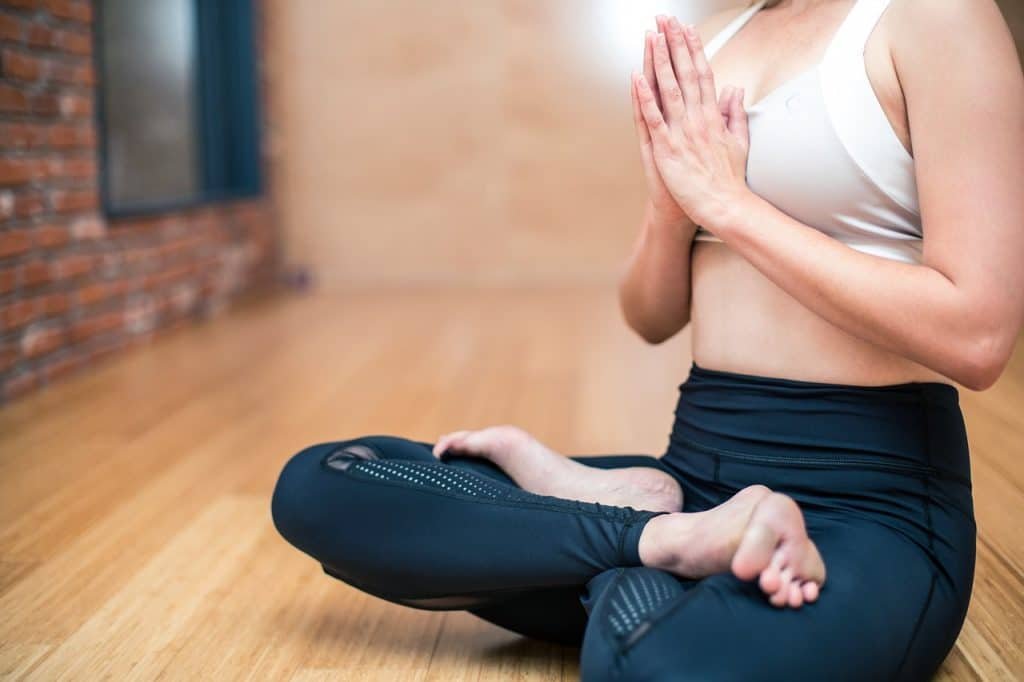
Incorporating relaxation techniques into your daily routine can significantly reduce stress and tension in your lower back. Deep breathing exercises, meditation, and mindfulness practices can help calm your mind and relax your muscles. Find a quiet and comfortable space where you can spend a few minutes each day practicing these techniques. Close your eyes, breathe deeply, and focus on releasing any tension you may be holding in your lower back. Over time, these techniques can not only help manage lower back pain but also improve your overall well-being.
Use good posture and body mechanics
Maintaining good posture and using proper body mechanics throughout your day can make a world of difference when it comes to lower back pain. Whether you’re sitting, standing, or lifting heavy objects, be mindful of your posture and make necessary adjustments. Sit up straight with your feet flat on the ground, use a lumbar roll or cushion for extra support, and avoid crossing your legs. When standing, distribute your weight evenly on both feet and engage your core muscles to protect your lower back. When lifting objects, bend your knees, keep your back straight, and use your legs and core muscles to lift instead of straining your back.
Over-the-Counter Pain Relievers
Use nonsteroidal anti-inflammatory drugs (NSAIDs)
Over-the-counter nonsteroidal anti-inflammatory drugs (NSAIDs) can be effective in managing lower back pain. Ibuprofen, aspirin, and naproxen are common examples of NSAIDs that help reduce inflammation and alleviate pain. However, it’s important to follow the recommended dosage instructions and consult with a healthcare professional if you have any underlying health conditions or are taking other medications. Prolonged or excessive use of NSAIDs can have adverse side effects, so it’s best to use them for short-term pain relief.
Try acetaminophen
Another over-the-counter pain reliever to consider is acetaminophen. Unlike NSAIDs, acetaminophen does not have anti-inflammatory properties but can still effectively reduce pain and fever. It’s a suitable option for individuals who cannot or should not take NSAIDs due to allergies or other medical conditions. However, just like with any medication, it’s essential to follow the recommended dosage and avoid exceeding the daily limit set by healthcare professionals.
Use topical creams or ointments
Topical creams or ointments can provide localized relief from lower back pain when applied directly to the affected area. These creams often contain ingredients like menthol, capsaicin, or salicylates, which can create a warming or cooling sensation and desensitize the nerves, temporarily relieving pain. Follow the instructions provided with the specific product you choose and avoid applying it to broken or irritated skin. It’s worth noting that while topical creams can be helpful for mild to moderate pain, they may not provide sufficient relief for severe or chronic conditions.

Massage Therapy
Seek professional massage therapy
Professional massage therapy can be a highly effective way to alleviate lower back pain and promote relaxation. A skilled massage therapist can target the muscles and tissues in your lower back, using various techniques to release tension and improve blood flow. Swedish massage, deep tissue massage, and trigger point therapy are some common types of massage that can benefit individuals with lower back pain. However, it’s important to choose a licensed and experienced therapist who specializes in treating back pain to ensure optimal results.
Use a handheld massager
If professional massage therapy is not easily accessible or falls outside your budget, a handheld massager can be a convenient and cost-effective alternative. These portable devices come in various shapes and sizes and allow you to target specific areas on your lower back. Simply apply the massager to the affected area and adjust the intensity and speed settings to your preference. Experiment with different massage techniques, such as kneading, tapping, or rolling, to find what works best for you. Remember to start with a low intensity and gradually increase as needed, and always follow the manufacturer’s instructions to prevent any discomfort or injury.
Try self-massage techniques
You don’t necessarily need professional assistance or special tools to enjoy the benefits of massage therapy. Self-massage techniques can be easily performed at home, providing relief from lower back pain. Use your hands, fingers, or even a tennis ball to apply pressure to tight or tender areas. Slowly move in circular motions or use gentle kneading motions to release tension and promote relaxation. A warm towel or hot water bottle applied to your lower back before self-massage can further enhance the effectiveness of this technique.
Herbal Remedies
Use herbal creams or oils
Herbal creams or oils can be a natural and soothing way to relieve lower back pain. Products containing ingredients like arnica, St. John’s wort, or chamomile may have anti-inflammatory and analgesic properties that can help reduce pain and inflammation. Apply the cream or oil to your lower back and gently massage it into your skin. This topical application can provide localized relief and create a relaxing sensation. Remember to always check the ingredients and consult with a healthcare professional to ensure the product is safe for you to use.
Consider herbal supplements
Certain herbal supplements may help alleviate lower back pain symptoms. Turmeric, devil’s claw, and white willow bark are examples of herbs traditionally used for their anti-inflammatory and pain-relieving properties. However, it’s important to approach herbal supplements with caution and consult with a healthcare professional before adding them to your regimen. Herbal supplements may interact with medications or have adverse effects on certain individuals, so it’s crucial to receive personalized guidance.
Try herbal teas
In addition to creams, oils, and supplements, herbal teas can help manage lower back pain. Certain teas, such as ginger, chamomile, or peppermint, have properties that may help reduce inflammation, relax muscles, and relieve pain. Incorporating these teas into your daily routine can provide a comforting and soothing effect. Brew a cup of hot tea, inhale the aromas, and sip slowly while allowing your body to unwind. Be mindful of any allergies or sensitivities you may have and consult with a healthcare professional before introducing herbal teas into your routine.

Alternative Therapies
Acupuncture
Acupuncture is an ancient Chinese therapy that involves inserting thin needles into specific points on the body to promote healing and balance. Many individuals find relief from lower back pain through acupuncture, as it can help stimulate blood circulation, release endorphins, and reduce inflammation. It’s important to seek a licensed acupuncturist experienced in treating lower back pain and to adhere to their recommended treatment plan. While acupuncture is generally considered safe, it’s advisable to consult with a healthcare professional before starting this therapy.
Chiropractic care
Chiropractic care focuses on the diagnosis, treatment, and prevention of musculoskeletal disorders, including lower back pain. Chiropractors use manual adjustments, spinal manipulations, and other techniques to align the spine and alleviate pain. If you’re experiencing chronic lower back pain, consulting with a qualified chiropractor can provide you with a non-invasive and drug-free treatment option. They can assess your condition, create a customized treatment plan, and guide you through exercises or lifestyle modifications to support your recovery.
Biofeedback
Biofeedback is a technique that allows individuals to gain control over involuntary bodily functions, such as muscle tension or heart rate, through the use of sensors and feedback devices. For lower back pain, biofeedback can help you become more aware of your body’s responses and teach you how to voluntarily relax or control certain muscle groups. By working with a trained biofeedback therapist, you can develop skills to manage your lower back pain and reduce the associated muscle tension. This therapy can complement other treatments and empower you to take an active role in your pain management.
Weight Management
Maintain a healthy weight
Maintaining a healthy weight is crucial for overall wellness, including the health of your lower back. Excess weight puts additional strain on the spine and can contribute to lower back pain. By adopting a balanced and nutritious diet and engaging in regular physical activity, you can maintain a healthy weight and reduce the risk of developing or exacerbating lower back pain. Consult with a healthcare professional or registered dietitian to create a personalized plan that meets your specific needs and goals.
Engage in regular physical activity
Regular physical activity not only helps with weight management but also strengthens the muscles that support your lower back and improves flexibility. Aim for at least 150 minutes of moderate-intensity aerobic exercise or 75 minutes of vigorous-intensity exercise every week. Incorporate activities that you enjoy, such as walking, swimming, yoga, or dancing, to make it more sustainable and enjoyable. If you’re unsure where to start or have any physical limitations, consult a healthcare professional or physical therapist who can guide you toward safe, appropriate exercises.
Eat a balanced diet
A balanced diet plays a vital role in maintaining the health of your lower back. Ensure that your diet includes a variety of fruits, vegetables, whole grains, lean proteins, and healthy fats. Foods rich in calcium and vitamin D, such as dairy products, leafy greens, and fatty fish, promote strong bones and can support back health. Avoid or limit foods that are high in added sugars, unhealthy fats, and processed ingredients, as they can contribute to inflammation and worsen lower back pain. Remember to stay hydrated by drinking plenty of water throughout the day.
Good Posture and Ergonomics
Sit and stand properly
Practicing good posture while sitting and standing is essential for maintaining a healthy lower back. When sitting, ensure that your feet are flat on the floor, your back is straight, and your shoulders are relaxed. Use a chair with good lumbar support or add a lumbar roll or cushion to provide extra support to your lower back. Avoid crossing your legs or slouching, as these positions can strain the muscles and spine. When standing, distribute your weight evenly on both feet, engage your core muscles, and avoid leaning forward or backward. Maintain a neutral spine position and consider using a standing desk if possible.
Use ergonomic furniture and equipment
Investing in ergonomic furniture and equipment can greatly benefit your lower back health. An ergonomic chair with adjustable features, such as height and backrest tilt, can ensure proper alignment and support. Similarly, an adjustable standing desk can allow you to alternate between sitting and standing throughout the day, reducing the strain on your lower back. When using a computer, position your monitor at eye level to prevent excessive neck or back strain. Consider using a wrist rest for your keyboard and mouse, and ensure that your desk is at the appropriate height to prevent unnecessary bending or reaching.
Take frequent breaks from sitting
Prolonged sitting can be detrimental to your lower back health. Taking regular breaks from sitting and incorporating movement into your day can help alleviate discomfort and reduce the risk of developing or worsening lower back pain. Stand up, stretch, and walk around for a few minutes every hour. Set reminders or use smartphone apps to prompt you to move if you tend to get absorbed in your work. If you have a sedentary job, consider using a stability ball as a chair to engage your core muscles and improve your posture. Breaking up long periods of sitting can make a significant difference in managing lower back pain.
Stress Management
Practice stress-reducing techniques
Stress can contribute to muscle tension and exacerbate lower back pain. That’s why it’s essential to incorporate stress-reducing techniques into your daily routine. Deep breathing exercises, progressive muscle relaxation, and guided imagery can help relax your mind and body. Find a quiet and comfortable space, close your eyes, and focus on your breath or visualize a peaceful scene. Engaging in regular stress-reducing activities can lower your overall stress levels and provide relief from lower back pain.
Engage in hobbies and relaxation activities
Dedicating time to hobbies and relaxation activities can be a great way to combat stress and promote well-being. Whether it’s reading, gardening, painting, or listening to music, find activities that bring you joy and help you unwind. Engaging in these activities regularly can divert your attention from pain, reduce muscle tension, and improve your overall mood. Make it a priority to schedule time for yourself and engage in activities that recharge and rejuvenate your mind and body.
Seek support from friends and family
Navigating lower back pain can be challenging, both physically and emotionally. Seeking support from friends and family can play a crucial role in managing and coping with the pain. Share your experiences, concerns, and frustrations with loved ones who can provide empathy and understanding. Sometimes, simply talking about your feelings can provide relief and release pent-up stress. Additionally, consider joining support groups or seeking professional counseling to connect with others going through similar experiences. Remember, you don’t have to face lower back pain alone, and seeking support is a sign of strength.
There are various effective home remedies and lifestyle modifications that can help alleviate lower back pain. By using hot and cold therapy, practicing good posture, and engaging in stress management techniques, you can incorporate these strategies into your daily routine to provide relief and promote overall well-being. It’s important to remember that not all remedies work the same for everyone, so it may require some trial and error to find the combination that works best for you. If your lower back pain persists or worsens despite these efforts, consult with a healthcare professional for a comprehensive evaluation and appropriate medical treatment. With patience and perseverance, you can take control of your lower back pain and live a more comfortable and active life.
Related Topics: Best Mattress for Back Pain on a Budget
Best Mattress For Back Pain Affordable
Best Mattress For Back Pain Budget
Budget-Friendly Mattress For Back Pain
What Is A Good Mattress For Back Pain On A Budget