
Are you tired of dealing with the discomfort of acid reflux chest pain? Look no further, because in this article, you will learn about effective treatments to ease your symptoms and find relief. With the right approach, you can alleviate the pain and discomfort associated with acid reflux, allowing you to enjoy a more comfortable and enjoyable life. Say goodbye to the burning sensation in your chest and hello to a happier, healthier you. Let’s explore the various treatment options available to treat acid reflux chest pain and regain control over your well-being.

Lifestyle Changes
Maintain a healthy weight
Maintaining a healthy weight is crucial for managing acid reflux and reducing the frequency and severity of chest pain. When you are overweight or obese, excess pressure is put on your stomach, which can cause stomach acid to flow back up into your esophagus. This can result in chest pain and discomfort. By maintaining a healthy weight through a balanced diet and regular exercise, you can alleviate this pressure and reduce the risk of acid reflux.
Eat smaller meals
Instead of having large, heavy meals, try to eat smaller, more frequent meals throughout the day. This helps to prevent overeating, which can lead to the stomach being overly full and putting pressure on the lower esophageal sphincter (LES). When the LES is weakened or relaxed, it allows stomach acid to flow back up into the esophagus, causing chest pain. By eating smaller meals, you can keep your stomach more comfortable and prevent acid reflux symptoms.
Limit trigger foods and drinks
Certain foods and drinks can trigger acid reflux and contribute to chest pain. These trigger foods can vary from person to person, but common culprits include spicy foods, citrus fruits and juices, tomato-based products, chocolate, caffeine, and carbonated beverages. It’s important to identify your personal trigger foods and limit or avoid them as much as possible.
Avoid eating before bedtime
Eating close to bedtime can worsen acid reflux symptoms and increase the likelihood of experiencing chest pain during the night. When you lie down after eating, gravity is no longer helping to keep stomach acid down, which allows it to flow back up into the esophagus. To prevent this, try to eat your last meal or snack at least two to three hours before going to bed. This allows enough time for digestion to occur and reduces the risk of acid reflux.
Elevate the head of your bed
Another lifestyle change that can help alleviate acid reflux chest pain is elevating the head of your bed. When you sleep with your head elevated, gravity can work in your favor, helping to keep stomach acid from flowing back up into your esophagus. To achieve this, you can place wooden blocks or bed risers under the top legs of your bed or use a wedge-shaped pillow designed to elevate the upper body. It’s important to have a slight incline rather than lying completely flat.
Dietary Adjustments
Avoid fatty and fried foods
Fatty and fried foods can be particularly problematic for individuals with acid reflux. These foods take longer to digest and can contribute to the relaxation of the LES, allowing stomach acid to flow back up into the esophagus. To manage acid reflux chest pain, it’s best to avoid or limit your consumption of fatty and fried foods. Opt for lighter alternatives, such as grilled or baked options, and incorporate healthier fats from sources like avocados and nuts.
Limit spicy and acidic foods
Spicy and acidic foods can irritate the lining of the esophagus, leading to chest pain and discomfort. If you frequently experience acid reflux, it’s advisable to limit your intake of spicy dishes, hot sauces, and acidic fruits like citrus. Instead, opt for milder flavors and substitute acidic ingredients with alternatives, such as using herbs and spices to add flavor to your meals.
Choose low-fat and high-fiber foods
Including low-fat and high-fiber foods in your diet can help manage acid reflux chest pain. High-fat foods can relax the LES and delay stomach emptying, both of which can contribute to acid reflux. Conversely, high-fiber foods can promote digestion and prevent constipation, which can exacerbate acid reflux symptoms. Incorporate plenty of fresh fruits, vegetables, whole grains, and lean proteins into your diet for a more heartburn-friendly approach.
Eat slowly and chew thoroughly
Eating slowly and chewing your food thoroughly can help ease the strain on your digestive system. When you eat quickly and gulp down large bites, you may swallow more air, which can contribute to bloating and increased pressure on the LES. By taking the time to eat mindfully and chew each bite thoroughly, you can ensure proper digestion and reduce the risk of acid reflux.
Drink plenty of water
Staying hydrated is important for overall health and can play a role in managing acid reflux. Water can help dilute stomach acid and promote proper digestion, reducing the likelihood of chest pain. Additionally, it can help wash away any remaining acid in the esophagus after a meal. Aim to drink at least eight glasses of water per day and avoid excessive consumption of sugary or carbonated beverages, which can trigger acid reflux symptoms.
Medication Options
Over-the-counter antacids
If you experience occasional acid reflux chest pain, over-the-counter antacids can provide temporary relief. Antacids work by neutralizing stomach acid and can help alleviate symptoms like chest pain, heartburn, and indigestion. They are available in various forms, including chewable tablets or liquid suspensions. It’s important to follow the instructions on the packaging and consult a healthcare professional if symptoms persist or worsen.
Histamine-2 blockers (H2 blockers)
Histamine-2 blockers, also known as H2 blockers, are medications that reduce the production of stomach acid. By blocking certain receptors in the stomach, they help decrease the acidity that can contribute to acid reflux and chest pain. H2 blockers are available both over-the-counter and by prescription in higher doses. Examples of H2 blockers include ranitidine (Zantac) and famotidine (Pepcid). It’s recommended to speak with your doctor before starting H2 blockers to determine the appropriate dosage and duration of use.
Proton pump inhibitors (PPIs)
Proton pump inhibitors, or PPIs, are another class of medications commonly used to treat acid reflux and chest pain. They work by reducing the production of stomach acid to provide long-lasting relief. PPIs are available both over-the-counter and by prescription and are typically taken once a day. It’s important to note that PPIs should be used for short-term relief rather than as a long-term solution. Speak with your doctor to determine the best PPI and dosage for your specific needs.
Prescription-strength medications
For individuals with more severe or persistent acid reflux chest pain, prescription-strength medications may be necessary. Your doctor may prescribe stronger doses of H2 blockers or PPIs to help manage your symptoms effectively. It’s essential to follow your doctor’s instructions carefully and communicate any changes or worsening of symptoms.
Talk to your doctor for personalized recommendations
While over-the-counter and prescription medications can provide relief, it’s important to consult with a doctor for personalized recommendations. They can assess your symptoms, medical history, and any potential drug interactions to determine the most suitable treatment plan. Your doctor may also recommend additional tests or procedures, such as an endoscopy, to further evaluate your condition.
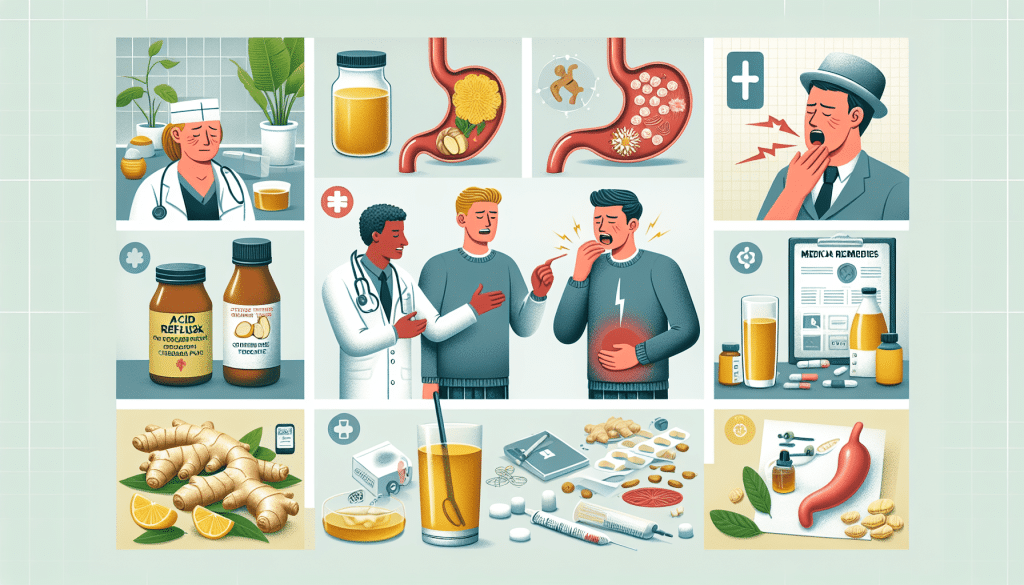
Natural Remedies
Ginger
Ginger has long been used as a natural remedy for various digestive issues, including acid reflux. It contains compounds that can help reduce inflammation in the esophagus and ease symptoms like chest pain. You can incorporate ginger into your diet by adding fresh ginger to meals, drinking ginger tea, or taking ginger supplements. However, it’s important to note that ginger may not be suitable for everyone, particularly those with certain medical conditions or taking specific medications. Consult with your healthcare professional before using ginger as a remedy.
Chamomile tea
Chamomile tea is known for its soothing properties and can provide relief for acid reflux chest pain. It has anti-inflammatory effects that can help reduce inflammation in the esophagus and promote relaxation of the digestive system. Enjoy a warm cup of chamomile tea after meals or before bedtime to help alleviate symptoms. However, if you have allergies to ragweed or related plants, you should avoid chamomile as it may trigger an allergic reaction.
Licorice root
Licorice root has been traditionally used to soothe digestive discomfort, making it a potential natural remedy for acid reflux chest pain. It contains compounds that can help protect the lining of the stomach and esophagus from damage caused by stomach acid. Licorice root can be consumed in tea form or taken as a supplement. However, it’s important to choose deglycyrrhizinated licorice (DGL) products, as regular licorice may have side effects and interact with certain medications. Consult with a healthcare professional before using licorice root as a remedy.
Aloe vera juice
Aloe vera juice has been used for centuries to calm and soothe various digestive issues, including acid reflux. It contains compounds that can help reduce inflammation and protect the esophagus from damage. Drinking a small amount of aloe vera juice before meals or when experiencing chest pain may help alleviate symptoms. However, it’s crucial to choose pure, organic aloe vera juice and consult with a healthcare professional, as some individuals may experience adverse effects or interactions with other medications.
Apple cider vinegar
While it may seem counterintuitive, some individuals have found relief from acid reflux chest pain by using apple cider vinegar. The theory behind this remedy is that apple cider vinegar can help balance the pH levels in the stomach, reducing the likelihood of acid reflux. However, it’s important to note that apple cider vinegar may worsen symptoms for some people, particularly those with underlying health conditions like ulcers or gastritis. If considering this remedy, dilute the apple cider vinegar in water and consult with a healthcare professional for guidance.
Avoiding Trigger Factors
Smoking cessation
Smoking is a significant risk factor for acid reflux and can exacerbate chest pain symptoms. It weakens the LES and contributes to increased acid production in the stomach. By quitting smoking, you can reduce the frequency and severity of acid reflux episodes. If you need assistance with smoking cessation, reach out to healthcare professionals or support groups to help you on your journey.
Reducing alcohol consumption
Alcohol consumption can relax the LES and contribute to acid reflux. It can also increase stomach acid production, making chest pain more likely. To manage acid reflux symptoms and prevent chest pain, it’s advisable to reduce or eliminate alcohol consumption. If you choose to drink alcohol occasionally, do so in moderation and be mindful of the types of drinks that trigger your symptoms.
Avoiding tight-fitting clothing
Wearing tight-fitting clothing, especially around the waist and abdomen, can put pressure on the stomach and contribute to acid reflux chest pain. Opt for loose-fitting clothing that doesn’t constrict your abdomen to prevent unnecessary pressure on the stomach. This simple adjustment can help alleviate symptoms and make you more comfortable throughout the day.
Reducing stress and anxiety
Stress and anxiety can worsen acid reflux symptoms, including chest pain. When you’re stressed or anxious, your body releases stress hormones that can impact digestion and increase stomach acid production. Incorporating stress-management techniques into your daily routine, such as deep breathing exercises, meditation, or engaging in activities you enjoy, can help reduce stress levels and alleviate acid reflux symptoms.
Identifying and avoiding personal trigger factors
Everyone’s trigger factors for acid reflux chest pain can be different. While certain common triggers like spicy foods and citrus fruits have been mentioned earlier, it’s crucial to identify your personal triggers through observation and a food diary. Keep a record of the foods and drinks you consume, as well as any symptoms experienced. Over time, patterns may emerge, allowing you to pinpoint specific trigger factors and avoid them to minimize chest pain.
Managing Symptoms
Avoid lying down after eating
Lying down immediately after eating can increase the likelihood of acid reflux and chest pain. Gravity helps keep stomach acid down when you’re upright, but when you lie flat, it’s easier for acid to flow back up into the esophagus. To manage symptoms, try to remain upright for at least two to three hours after a meal. Additionally, avoid intense physical activity that may put pressure on the abdomen and exacerbate acid reflux.
Practice relaxation techniques
Relaxation techniques can help reduce stress and prevent acid reflux chest pain. Deep breathing exercises, yoga, and meditation are all effective ways to calm the mind and body, promoting better digestion and minimizing symptoms. Incorporate these techniques into your daily routine, especially before meals or when you feel stressed, to help manage acid reflux.
Wear loose-fitting clothing
As mentioned earlier, wearing loose-fitting clothing can prevent unnecessary pressure on the stomach and help alleviate acid reflux chest pain. Tight clothing, particularly around the waist and abdomen, can constrict the stomach and LES, making acid reflux more likely. Choose clothing made of breathable fabrics and opt for a comfortable, relaxed fit to minimize discomfort.
Drink herbal teas for soothing the esophagus
Certain herbal teas can provide relief for acid reflux chest pain by soothing the esophagus and reducing inflammation. Chamomile tea, discussed earlier as a natural remedy, is one such option. Marshmallow root tea and slippery elm tea are also known for their demulcent properties, coating and protecting the esophagus from stomach acid. Enjoy a warm cup of these herbal teas after meals or when experiencing chest pain.
Try ginger or peppermint candies for symptom relief
If you’re experiencing mild acid reflux chest pain, ginger or peppermint candies can offer some relief. Ginger candies, containing natural ginger extracts, can help reduce inflammation and soothe the esophagus. Peppermint candies, on the other hand, can help relax the muscles of the digestive tract and alleviate discomfort. However, it’s important to note that these should be consumed sparingly and in moderation, as excessive consumption can lead to adverse effects.
Avoiding Acid Reflux Triggers
Citrus fruits and juices
Citrus fruits and juices, such as oranges, lemons, and grapefruits, are highly acidic and can trigger acid reflux. The high acidity can irritate the esophagus and contribute to chest pain and discomfort. If you’re prone to acid reflux, it’s advisable to limit your intake of citrus fruits and opt for low-acid alternatives, such as apples or berries.
Spicy foods
Spicy foods, including hot peppers, chili powder, and curry, can stimulate acid production and relax the LES, leading to acid reflux chest pain. If you enjoy spicy flavors, consider using milder spices or incorporating herbs instead. This can help reduce the risk of acid reflux while still adding flavor to your meals.
Tomato-based products
Tomato-based products, such as tomato sauce, ketchup, and salsa, can trigger acid reflux due to their high acidity. Additionally, tomatoes contain a compound called lycopene, which can relax the LES. If you experience acid reflux chest pain, it’s advisable to limit your consumption of tomato-based products or explore alternatives like pesto or cream-based sauces.
Chocolate
Chocolate is a common trigger for acid reflux chest pain due to its high fat and caffeine content. Both of these factors can relax the LES and contribute to acid reflux. While it may be difficult to completely eliminate chocolate from your diet, try to enjoy it in moderation and opt for darker chocolate with less fat and caffeine.
Caffeinated and carbonated beverages
Beverages like coffee, tea, soda, and energy drinks can worsen acid reflux symptoms and chest pain due to their high caffeine and carbonation levels. Caffeine stimulates acid production and can relax the LES, while carbonated drinks introduce gas into the digestive system, leading to bloating and increased pressure on the LES. It’s advisable to choose decaffeinated versions or opt for herbal teas and non-carbonated alternatives to minimize acid reflux triggers.
Keeping a Food Diary
Record your meals and symptoms
Keeping a food diary can help you identify patterns between your meals and acid reflux symptoms. It involves recording everything you eat and drink, as well as any chest pain or discomfort experienced. This can be done with the help of a journal or smartphone app. By tracking your meals and symptoms, you can identify potential trigger foods and make informed dietary choices.
Identify trigger foods
As you maintain a food diary, you may notice recurring patterns indicating certain foods or drinks that trigger your acid reflux chest pain. These trigger foods can vary from person to person, so it’s essential to pay attention to your own experiences. Once you’ve identified your trigger foods, you can make a conscious effort to limit or avoid them to prevent chest pain.
Make informed dietary choices
A food diary can help you make informed dietary choices to manage acid reflux chest pain. By analyzing your recorded data, you can identify foods that are generally well-tolerated and those that consistently trigger symptoms. This knowledge allows you to make adjustments in your diet, such as incorporating more heartburn-friendly options and finding suitable substitutes for trigger foods.
Track your progress over time
With a food diary, you can track your progress over time and observe any changes in your acid reflux symptoms. This can help you determine the effectiveness of lifestyle changes, dietary adjustments, and remedies you’ve incorporated. Regularly reviewing your food diary allows you to identify trends, monitor improvements, and make necessary adjustments to better manage your acid reflux chest pain.
Consult with a healthcare professional for guidance
While a food diary can be a helpful tool, it’s important to consult with a healthcare professional for guidance and to discuss your findings. They can help analyze your data, provide personalized recommendations, and ensure that your dietary choices align with your overall health needs. Your healthcare professional may also recommend additional tests or procedures to further evaluate your condition and tailor treatment accordingly.
When to Seek Medical Help
Frequent or severe chest pain
If you experience frequent or severe chest pain, it’s important to seek medical help promptly. While acid reflux can cause chest pain, it’s essential to rule out other potentially serious conditions, such as heart-related issues. A healthcare professional can evaluate your symptoms, perform any necessary tests, and provide the appropriate diagnosis and treatment.
Difficulty swallowing
Difficulty swallowing, also known as dysphagia, can be a concerning symptom and may indicate underlying complications of acid reflux. If you consistently have difficulty swallowing, feel as though food is getting stuck, or experience pain while swallowing, it’s crucial to consult with a healthcare professional. They can determine the cause of your symptoms and recommend appropriate treatment options.
Unexplained weight loss
Unexplained weight loss can be a red flag for various underlying health conditions, including those related to acid reflux. If you’re losing weight without a clear reason, it’s advisable to seek medical help. A healthcare professional can assess your overall health, conduct tests, and investigate potential causes for the weight loss. Timely intervention is important to address any underlying issues and prevent further complications.
Persistent symptoms despite treatment
If you’ve made lifestyle changes, implemented dietary adjustments, and tried over-the-counter remedies, but still experience persistent acid reflux chest pain, it’s important to consult with a healthcare professional. They can evaluate your symptoms, review your treatment plan, and consider other options if necessary. It’s possible that prescription-strength medications or additional testing may be required to manage your symptoms effectively.
Worsening symptoms
If your acid reflux chest pain worsens over time or if you develop new or concerning symptoms, it’s crucial to seek medical help. Worsening symptoms may indicate a need for further evaluation, as there could be underlying complications or changes in your condition. Early intervention and timely medical attention can help prevent potential complications and ensure appropriate treatment.
Prevention Tips
Maintain a healthy diet and weight
Maintaining a healthy diet and weight is crucial for preventing acid reflux chest pain. By eating a balanced diet rich in fruits, vegetables, whole grains, and lean proteins, you can support proper digestion and minimize the likelihood of acid reflux. Additionally, maintaining a healthy weight reduces the pressure on your stomach and LES, helping to prevent chest pain.
Avoid trigger foods and habits
Avoiding trigger foods and habits is key to preventing acid reflux and chest pain. As mentioned earlier, identifying and avoiding your personal trigger foods is essential for minimizing symptoms. It’s also important to steer clear of habits like smoking and excessive alcohol consumption, which can exacerbate acid reflux. By making conscious choices to avoid triggers, you can significantly reduce the risk of chest pain.
Manage stress
Stress can aggravate acid reflux symptoms and contribute to chest pain. Implementing stress-management techniques, such as regular exercise, deep breathing exercises, meditation, or engaging in hobbies, can help reduce stress levels and promote overall well-being. Find activities that help you relax and prioritize self-care to minimize stress and its impact on acid reflux.
Don’t lie down immediately after eating
As mentioned earlier, lying down immediately after eating increases the risk of acid reflux and chest pain. Allow at least two to three hours for digestion before lying down, ensuring that gravity can work in your favor to keep stomach acid down. If possible, incorporate light physical activity, like taking a leisurely walk, after meals to aid digestion and promote better overall gastrointestinal health.
Stay upright after meals
Staying upright after meals, as opposed to sitting or lying down, can help prevent acid reflux. By remaining upright, you allow gravity to assist in keeping stomach acid down and reduce the pressure on the LES. Even activities as simple as standing, walking, or doing household chores can make a difference in preventing acid reflux chest pain.
In conclusion, acid reflux chest pain can be effectively managed through various lifestyle changes, dietary adjustments, medication options, natural remedies, and avoiding trigger factors. Maintaining a healthy weight, eating smaller meals, and limiting trigger foods are important lifestyle changes that alleviate symptoms. Avoiding fatty and fried foods, spicy and acidic foods, and choosing low-fat and high-fiber options are dietary adjustments that can help. Medication options such as over-the-counter antacids, H2 blockers, PPIs, and prescription-strength medications can provide relief, but it’s advisable to consult with a healthcare professional for personalized recommendations. Natural remedies like ginger, chamomile tea, licorice root, aloe vera juice, and apple cider vinegar can also help soothe symptoms. Avoiding trigger factors such as smoking, excessive alcohol consumption, tight-fitting clothing, stress, and personal triggers is crucial. Managing symptoms involves avoiding lying down after eating, practicing relaxation techniques, wearing loose-fitting clothing, consuming herbal teas, and using ginger or peppermint candies. By avoiding common triggers like citrus fruits and juices, spicy foods, tomato-based products, chocolate, and caffeinated and carbonated beverages, acid reflux chest pain can be minimized. Keeping a food diary helps identify trigger foods, make informed dietary choices, and track progress over time, while seeking medical help is necessary for frequent or severe chest pain, difficulty swallowing, unexplained weight loss, persistent symptoms despite treatment, and worsening symptoms. Prevention tips include maintaining a healthy diet and weight, avoiding trigger foods and habits, managing stress, not lying down immediately after eating, and staying upright after meals. With these comprehensive techniques and strategies, acid reflux chest pain can be effectively treated and managed, allowing for a better quality of life.