
Are you tired of dealing with the discomfort of acid reflux? Look no further! In this article, you will uncover the top natural remedies for acid reflux that can provide you with relief without the need for medication. One such remedy is baking soda, which has been used for generations to neutralize stomach acid and alleviate symptoms. Delve into the world of natural remedies and discover how they can help you find comfort from acid reflux. So sit back, relax, and get ready to bid farewell to the burning sensation caused by this common digestive issue.
Lifestyle Changes
Maintain a Healthy Weight
Maintaining a healthy weight is crucial when it comes to managing acid reflux. Extra pounds can put pressure on your stomach and cause the acidic contents to flow back into your esophagus. By maintaining a healthy weight, you can reduce the likelihood of experiencing acid reflux symptoms.
Avoid Trigger Foods
Certain foods can trigger or worsen acid reflux symptoms. These trigger foods vary from person to person, but common culprits include spicy foods, citrus fruits and juices, tomato-based products, caffeinated beverages, and chocolate. It is important to identify your personal trigger foods and avoid them to minimize acid reflux symptoms.
Eat Smaller, More Frequent Meals
Instead of consuming large meals, opt for smaller, more frequent meals throughout the day. Eating smaller portions can help prevent the overproduction of stomach acid, which can contribute to acid reflux. Additionally, it is important to eat slowly and chew your food thoroughly to aid in digestion and reduce the risk of acid reflux symptoms.
Quit Smoking
Smoking is not only harmful to your overall health, but it can also worsen acid reflux symptoms. Smoking decreases the function of the lower esophageal sphincter, allowing stomach acid to flow back into the esophagus. Quitting smoking is an important step in managing acid reflux and improving your overall health.
Avoid Alcohol
Alcohol consumption can exacerbate acid reflux symptoms. Alcohol relaxes the lower esophageal sphincter, allowing stomach acid to rise into the esophagus more easily. It is best to avoid or limit alcohol intake to reduce the risk of acid reflux symptoms.
Elevate the Head of Your Bed
Elevating the head of your bed can help prevent acid reflux at night. By elevating your upper body, gravity helps keep stomach acid where it belongs – in your stomach. You can achieve elevation by using a wedge pillow or placing blocks under the head of your bed.
Take Time to Relax
Stress and anxiety can contribute to acid reflux symptoms. Taking time to relax and manage stress is crucial for managing acid reflux. Engage in activities that you enjoy, such as yoga, meditation, deep breathing exercises, or hobbies that help you unwind. Finding ways to relax can significantly reduce the frequency and severity of acid reflux symptoms.
Dietary Modifications
Consume Low-Acid Foods
To alleviate acid reflux symptoms, it is beneficial to focus on consuming low-acid foods. Some examples of low-acid foods include oatmeal, non-citrus fruits like bananas and melons, vegetables like broccoli and leafy greens, lean proteins such as skinless poultry and fish, and whole grains. Incorporating these foods into your diet can help reduce the occurrence of acid reflux symptoms.
Include High-Fiber Foods
Including high-fiber foods in your diet can help regulate digestion and prevent acid reflux symptoms. Fiber-rich foods like whole grains, fruits, vegetables, and legumes help promote proper digestion and minimize the risk of acid reflux. Aim for at least 25-30 grams of fiber per day to maintain a healthy digestive system.
Avoid Citrus Fruits and Juices
Citrus fruits and juices are highly acidic and can exacerbate acid reflux symptoms. These include oranges, lemons, grapefruits, and their juices. Instead of citrus fruits, opt for non-citrus alternatives like apples, pears, and berries to satisfy your sweet tooth.
Limit Spicy and Fatty Foods
Spicy and fatty foods can trigger acid reflux symptoms in many individuals. These foods can irritate the esophagus and contribute to the production of excess stomach acid. It is best to limit your intake of spicy dishes, high-fat meats, fried foods, and full-fat dairy products to minimize acid reflux symptoms.
Try Ginger
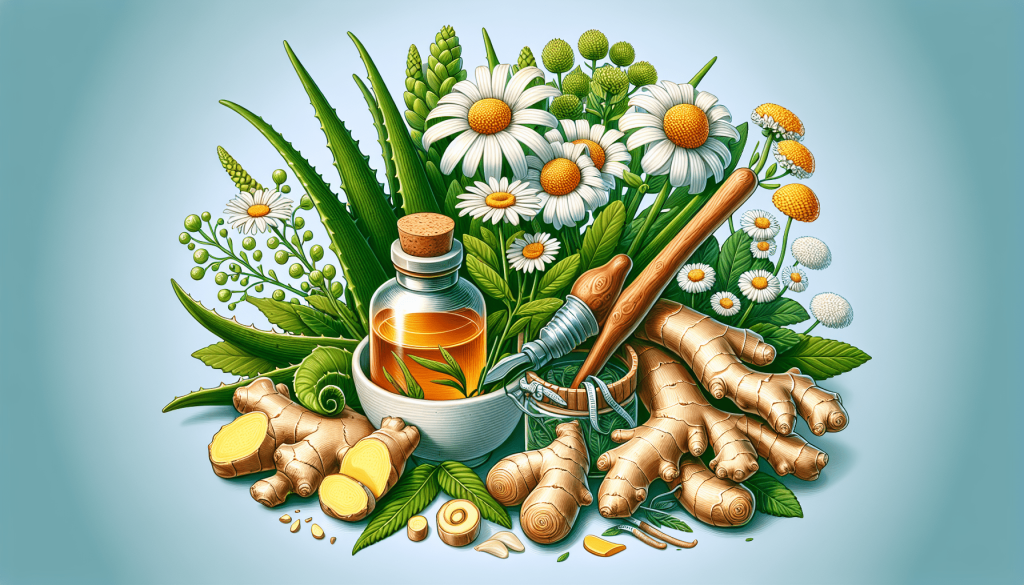
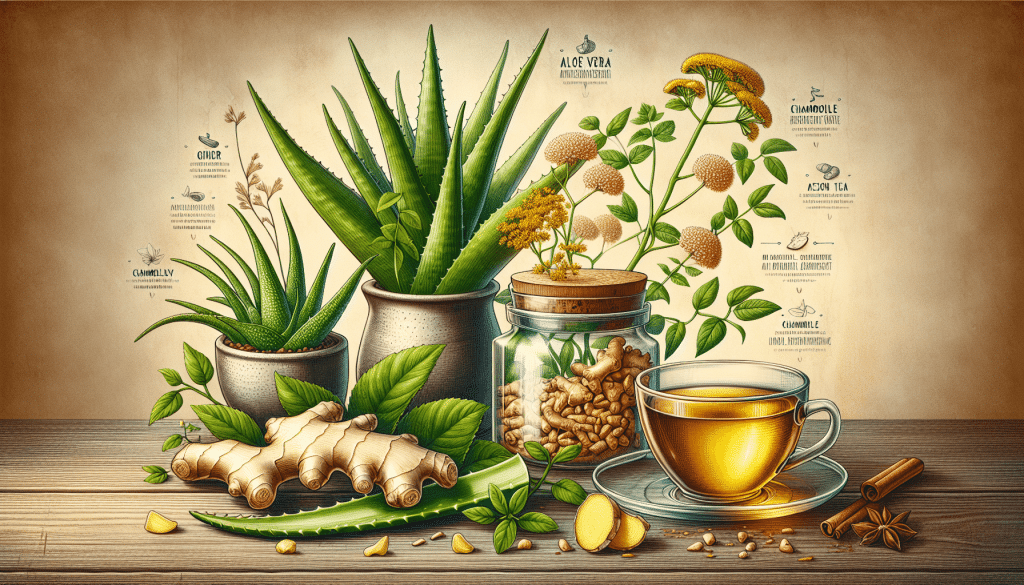
Ginger has long been used as a natural remedy for various digestive ailments, including acid reflux. It has anti-inflammatory properties that can help soothe the lining of the esophagus and reduce acid reflux symptoms. You can incorporate ginger into your diet by adding it to meals, drinking ginger tea, or taking ginger supplements.
Chew Gum
Chewing sugar-free gum after meals can help alleviate acid reflux symptoms. The act of chewing stimulates the production of saliva, which can help neutralize the excess stomach acid and promote digestion. Opt for gum without mint flavor, as mint can sometimes aggravate acid reflux symptoms.
Drink Aloe Vera Juice
Aloe vera juice has been used for centuries to soothe a wide range of digestive issues, including acid reflux. Aloe vera juice helps reduce inflammation in the esophagus and promotes healing. Drink a small amount of aloe vera juice before meals, but be cautious as excessive consumption can cause a laxative effect.
Herbal Remedies
Marshmallow Root
Marshmallow root has been used for centuries as an herbal remedy for gastrointestinal problems, including acid reflux. It helps coat and protect the lining of the esophagus, reducing irritation and symptoms of acid reflux. You can consume marshmallow root as a supplement or drink it as a tea.
Chamomile
Chamomile is a soothing herb that can help calm the digestive system and alleviate acid reflux symptoms. Drinking chamomile tea before or after meals can provide relief. It is important to note that some individuals may be allergic to chamomile, so it is best to consult with a healthcare professional before incorporating it into your routine.
Licorice
Licorice has natural anti-inflammatory properties that can help provide relief from acid reflux symptoms. However, it is important to choose deglycyrrhizinated licorice (DGL) to avoid potential side effects associated with regular licorice. DGL comes in chewable tablet or powder form and can be taken before meals to reduce acid reflux symptoms.
Slippery Elm
Slippery elm is an herb that forms a gel-like substance when mixed with water. This gel coats and soothes the lining of the esophagus, providing relief from acid reflux symptoms. Slippery elm is available in capsule form, lozenges, or as a tea.
Peppermint
While peppermint can help alleviate indigestion, it is not recommended for individuals with acid reflux. Peppermint relaxes the muscles that allow stomach acid to flow back into the esophagus, worsening acid reflux symptoms. It is best to avoid or limit peppermint intake if you experience acid reflux.
Ginger
Ginger, as mentioned earlier, is a natural remedy that can help soothe acid reflux symptoms. It has anti-inflammatory properties that can reduce irritation in the esophagus and promote proper digestion. Ginger can be consumed in various forms, such as adding to meals, drinking ginger tea, or taking supplements.
Apple Cider Vinegar
Mix with Water and Drink
Apple cider vinegar, despite being acidic, can actually help alleviate acid reflux symptoms. It works by improving digestion and balancing stomach acid levels. Mix one to two tablespoons of apple cider vinegar with a glass of water and drink it before meals to help prevent acid reflux.
Use as a Salad Dressing
Another way to incorporate apple cider vinegar into your diet is by using it as a salad dressing. Mix apple cider vinegar with olive oil, a touch of honey, and your favorite herbs and spices to create a delicious and healthy dressing. Adding apple cider vinegar to your salads can aid in digestion and minimize acid reflux symptoms.
Mix with Honey
If the taste of apple cider vinegar is too strong for you, you can mix it with honey to make it more palatable. Mix one tablespoon of apple cider vinegar with one tablespoon of honey in a glass of warm water. Stir well and drink it before meals to provide relief from acid reflux symptoms.
Baking Soda
Mix with Water and Drink
Baking soda, or sodium bicarbonate, is a common home remedy for acid reflux. It helps neutralize stomach acid and provides quick relief from heartburn. Mix half a teaspoon of baking soda with a glass of water and drink it to alleviate acid reflux symptoms. However, it is important to note that baking soda should not be used regularly as a long-term solution, as it can interfere with the natural acid balance in your stomach.
Use as a Natural Antacid
In addition to drinking a solution of baking soda and water, you can also use baking soda as a natural antacid. Mix a small amount of baking soda with water to form a paste and apply it directly to your tongue. Let it dissolve and then swallow, allowing the baking soda to neutralize excess stomach acid and provide relief.
Aloe Vera
Drink Aloe Vera Juice
Aloe vera juice is known for its soothing properties and can provide relief from acid reflux symptoms. Make sure to choose an organic, pure aloe vera juice without added sugars or artificial ingredients. Drink a small amount of aloe vera juice before meals to help regulate digestion and reduce acid reflux symptoms.
Consume Aloe Vera Gel
Aloe vera gel, derived from the inner leaf of the aloe vera plant, can also be consumed to alleviate acid reflux symptoms. Mix one to two tablespoons of aloe vera gel with water or your favorite smoothie and drink it before meals. Aloe vera gel helps soothe and protect the esophagus, providing relief from acid reflux.
Slippery Elm
Take in Capsule Form
Slippery elm is available in capsule form and can be taken to provide relief from acid reflux symptoms. Follow the recommended dosage instructions on the packaging or consult with a healthcare professional for guidance. Slippery elm capsules help coat the esophagus and reduce irritation, promoting healing and reducing acid reflux symptoms.
Use Lozenges or Tea
In addition to capsules, slippery elm is also available in lozenge or tea form. Slippery elm lozenges can be dissolved in the mouth to coat the throat and esophagus, providing relief from acid reflux. Slippery elm tea can be prepared by steeping slippery elm powder in hot water and consumed before or after meals.
Licorice
Consume Deglycyrrhizinated Licorice (DGL)
Deglycyrrhizinated licorice (DGL) is a form of licorice that has had the glycyrrhizin compound removed, which can cause side effects. DGL is available in chewable tablet or powder form and can be taken before meals to reduce acid reflux symptoms. DGL helps increase the production of mucus in the esophagus, protecting it from stomach acid.
Drink Licorice Tea
Licorice tea is another way to incorporate licorice into your acid reflux management plan. However, it is important to choose licorice tea that does not contain actual licorice root, as it can raise blood pressure and cause other side effects. Opt for licorice tea made from deglycyrrhizinated licorice (DGL) for a safe and effective option.
Marshmallow Root
Take as a Supplement
Marshmallow root is available in supplement form and can be taken to provide relief from acid reflux symptoms. Follow the recommended dosage instructions on the packaging or consult with a healthcare professional for guidance. Marshmallow root supplements help coat and protect the lining of the esophagus, reducing irritation and acid reflux symptoms.
Drink Marshmallow Root Tea
Marshmallow root can also be consumed as a tea to soothe acid reflux symptoms. Steep marshmallow root powder or dried marshmallow root in hot water for several minutes, then strain and drink. Marshmallow root tea helps reduce inflammation in the esophagus and promotes healing.
Probiotics
Consume Probiotic-Rich Foods
Probiotics are beneficial bacteria that can help improve digestion and reduce acid reflux symptoms. Incorporate probiotic-rich foods into your diet, such as yogurt, kefir, sauerkraut, kimchi, and other fermented foods. These foods support a healthy gut microbiome and can help alleviate acid reflux symptoms.
Take Probiotic Supplements
If you are unable to consume enough probiotic-rich foods, taking probiotic supplements can be beneficial. Choose a high-quality probiotic supplement with various strains of beneficial bacteria. Consult with a healthcare professional for the recommended dosage and specific probiotic supplements suitable for your needs.
In conclusion, managing acid reflux naturally requires a combination of lifestyle changes, dietary modifications, and the incorporation of various herbal remedies. By maintaining a healthy weight, avoiding trigger foods, and making dietary adjustments, you can minimize acid reflux symptoms and improve your overall well-being. Experiment with herbal remedies such as ginger, licorice, and chamomile, and consider incorporating apple cider vinegar, baking soda, aloe vera, slippery elm, marshmallow root, and probiotics into your routine. Remember to consult with a healthcare professional before making any significant changes to your diet or adding supplements to your regimen. With time and patience, you can discover the natural remedies that work best for you and enjoy relief from acid reflux symptoms.