
Here’s your guide to taming that fiery heartburn, all from the perspective of your trusted Listicle Content Architect. We’re going to tackle this without turning your life into a bland beige landscape of “safe” foods. Get ready to reclaim your kitchen and your comfort!
You’ve likely heard it before, but it bears repeating: how you eat is just as crucial as what you eat when it comes to managing acid reflux. This isn’t about deprivation; it’s about cultivating a more harmonious relationship with your digestion. We’re talking about making small, impactful changes that can lead to significant relief, all without you having to kiss your beloved pizza goodbye forever (though we might need to strategize the timing and quantity for that!).
Savor Those Bites: The Power of Smaller, Slower Meals
Imagine your stomach as a delicate balloon. When you cram too much air into it too quickly, it can expand uncomfortably. The same principle applies to your stomach and the food you consume. Overloading it with large quantities, especially in one sitting, can increase intra-abdominal pressure, which is a direct invitation for stomach acid to creep back up into your esophagus. This is where the magic of smaller, more frequent meals comes in.
- The Strategy: Instead of three massive meals, aim for five or six smaller ones throughout the day. Think of it as consistently giving your stomach a gentle stream of nourishment rather than a sudden deluge. This approach minimizes the pressure on your lower esophageal sphincter (LES), the muscular valve that should keep acid where it belongs.
- Practical Application:
- Divide and Conquer: Take your usual meal portions and split them into two. If you typically have a large lunch, break it down into a slightly smaller lunch and a mid-afternoon snack.
- Listen to Your Fullness Cues: This is paramount. Eat until you’re comfortably satisfied, not stuffed to the brim. It takes about 20 minutes for your brain to register that you’re full, so slow down and pay attention to those signals.
- The “80% Rule”: A good rule of thumb is to stop eating when you feel about 80% full. This leaves ample room for comfortable digestion and reduces the likelihood of that uncomfortable, pressure-building sensation.
- The Benefit: This simple habit can dramatically reduce the frequency and severity of reflux episodes. You’re essentially creating a more forgiving environment for your digestive system, allowing it to do its job without the added stress of being overwhelmed.
The 3-4 Hour Rule: Giving Gravity Your Respect
The post-meal rush to the couch or bed is a common culprit behind nighttime heartburn. When you lie down soon after eating, gravity is no longer working in your favor to keep stomach contents down. This makes it incredibly easy for that corrosive acid to slosh back up into your esophagus.
- The Strategy: The most effective strategy here is simply to remain upright for a significant period after consuming your meals. This allows gravity to assist your LES in keeping everything in its proper place.
- Practical Application:
- Post-Dinner Protocol: This is where the 3-4 hour rule is most critical. If you finish dinner at 7 PM, aim to be physically upright until at least 10 PM or 11 PM, before retiring for the night. This includes avoiding lying down on the sofa to watch TV.
- Bedtime Snacking Caution: This is a big one. Late-night snacks are a recipe for disaster for many reflux sufferers. If you absolutely must have something, make it light, small, and consume it at least 3-4 hours before your intended bedtime.
- Daytime Upright Living: While the evening is the most crucial time, consider this habit throughout the day. Take a leisurely walk after lunch or stand and chat with colleagues instead of immediately sitting down.
- The Benefit: By respecting the power of gravity, you’re actively preventing nighttime reflux before it even has a chance to start. This can lead to more restful sleep and a significant reduction in overall discomfort.
2. Building a Safer Foundation: Embracing the “Gentle Giants” of Your Diet
While we’re not advocating for a complete overhaul of your favorite flavors, it’s wise to recognize that certain foods are inherently gentler on your digestive system. Building your meals around these “gentle giants” provides a sturdy, less irritating base, making it easier to incorporate other foods in moderation and with less risk of triggering reflux. Think of it as creating a protective buffer.
The “Safer Bets”: Your Go-To Foods for Comfort
These are the foods that are consistently recommended by medical professionals and reflux sufferers alike for their low acidity and ease of digestion. They are less likely to irritate your esophagus or trigger an overproduction of stomach acid. Prioritizing these at the start of your meal, or as the bulk of your diet, can make a substantial difference.
- The Strategy: Make these foods the cornerstone of your meals. They are your allies in the fight against heartburn and are often packed with essential nutrients.
- Practical Application:
- Whole Grains Galore: Think oatmeal (plain, not loaded with sugar and butter), brown rice, quinoa, whole-wheat bread (check for ingredients that might be problematic like excessive yeast or seeds if you find they bother you). These complex carbohydrates digest slowly and are less likely to cause sudden spikes in stomach acid.
- Vegetable Champions: Leafy greens like spinach and kale, broccoli, cauliflower, carrots, green beans, and sweet potatoes are excellent choices. Their alkaline nature helps to balance stomach acid.
- Fruity Friends (with caution): While some fruits can be acidic, others are wonderfully mild. Bananas and melons (cantaloupe, honeydew) are often lauded for their ability to soothe. Consider apples and pears, but be mindful of your own tolerance.
- Lean Protein Powerhouses: Opt for grilled or baked chicken breast (skinless), turkey, fish (like salmon or cod), and tofu. These are easier to digest than fatty cuts of meat.
- The One-Cup Rule for Carbs: When building your plate, consider making about a quarter of it whole grains and about a quarter lean protein, leaving the remaining half for vegetables.
- The Benefit: By making these foods the foundation of your diet, you’re minimizing direct irritation to your esophagus and stomach lining. This creates a more stable digestive environment, reducing the likelihood that other, more problematic foods (consumed in moderation later) will trigger a reflux episode.
Oat Inspiration: A Breakfast Best Friend
Oatmeal, when prepared simply, stands out as a truly exceptional food for acid reflux. Its soluble fiber content is not only good for your overall health but also acts as a bulking agent that can help absorb excess stomach acid.
- The Strategy: Make plain oatmeal a regular part of your breakfast routine. Avoid the sugary, pre-packaged varieties laden with artificial flavors and other potential irritants.
- Practical Application:
- Simplicity is Key: Cook rolled oats or steel-cut oats with water or a non-dairy milk (if dairy is an issue for you).
- Gentle Toppings: If you crave sweetness, opt for a drizzle of honey or maple syrup. For added flavor and texture, try a few sliced bananas or a sprinkle of cinnamon. Avoid berries or citrus with high acidity.
- Portion Control: Even with safe foods, an overly large portion can cause issues. A standard serving of cooked oatmeal is usually sufficient.
- The Benefit: Oatmeal’s ability to absorb stomach acid and its slow digestion make it an ideal way to start your day, providing sustained energy without the immediate acid-producing surge that often accompanies other breakfast options.
3. Targeted Strikes: Identifying and Managing Your True Trigger Foods
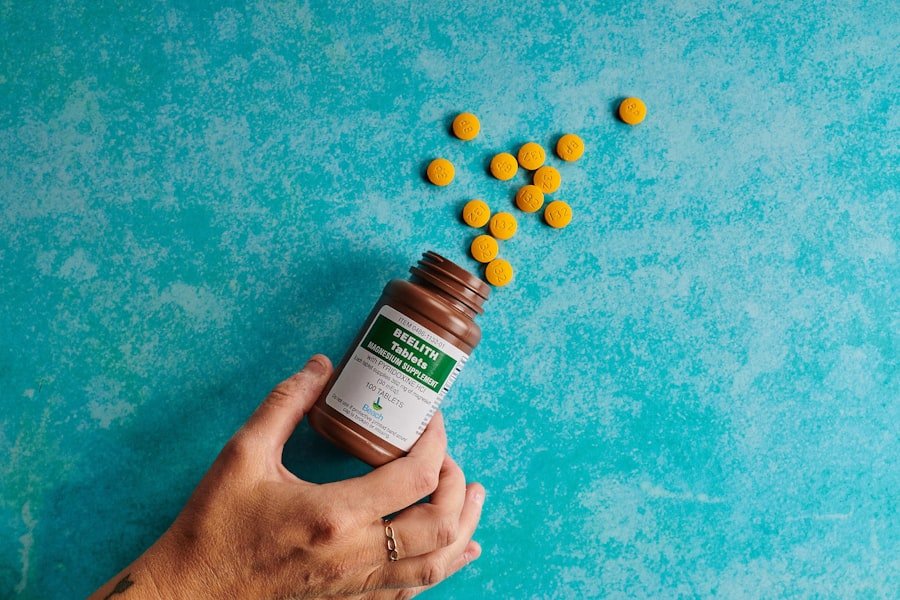
The good news? You don’t have to subsist on rice cakes and water forever! The key is to be strategic. Instead of making sweeping generalizations and eliminating entire food groups, we’re going to focus on the most common offenders and, more importantly, on your specific sensitivities. This is where the detective work begins, and the reward is being able to enjoy a wider variety of foods guilt-free.
The Usual Suspects: Common Culprits to Tame
While individual triggers vary, there’s a well-established list of foods and beverages that are more frequently associated with acid reflux. Understanding these common culprits and being willing to make conscious choices about them is a significant step towards relief.
- The Strategy: Be aware of these common triggers and consider reducing your intake, especially in larger quantities or close to bedtime. It’s not necessarily about 100% elimination, but about moderation and mindful consumption.
- Practical Application:
- Fatty and Fried Foods: These take longer to digest and can relax the LES. Think bacon, fried chicken, rich gravies, and oily salad dressings.
- Spicy Foods: Capsaicin, the compound that gives chili peppers their heat, can irritate the esophagus and increase stomach acid. This includes hot sauces, curries, and heavily spiced dishes.
- The Chocolate Comfort Trap: Melamine and caffeine in chocolate can relax the LES. If you’re a chocolate lover, consider dark chocolate in small amounts or at times when you’re less prone to reflux.
- Caffeine’s Double Whammy: Coffee and tea (both caffeinated and decaffeinated, as some compounds can still be problematic) are notorious triggers. Carbonated beverages also fall into this category due to the bubbles that can increase stomach pressure.
- The Allium Agitation: Onions and garlic, especially when raw, are frequent offenders. Their compounds can relax the LES and irritate the esophagus.
- Mint’s Mischief: While often associated with digestive aids, mint (peppermint and spearmint) can paradoxically relax the LES. This means that mint-flavored candies, teas, and even some toothpaste might be contributing to your problems.
- Tomato Temptation: Tomatoes and tomato-based products (sauces, ketchup) are acidic and can trigger reflux in many individuals.
- The Benefit: By being mindful of these common triggers, you’re actively reducing the likelihood of introducing a significant irritant to your digestive system. This makes it easier to manage your reflux and enjoy other foods without constant worry.
Your Personal Trigger Tracker: The Key to True Freedom
Here’s where things get really personal, and perhaps the most empowering part of this listicle. While general advice is helpful, pinpointing your unique triggers is the ultimate game-changer. What bothers one person might be perfectly fine for another. This requires a bit of self-observation and diligent record-keeping.
- The Strategy: Become a detective of your own body. Keep a detailed food diary to identify your personal trigger foods. This allows you to create a truly individualized plan that eliminates only what’s necessary.
- Practical Application:
- The Food and Symptom Log: For at least a week (or longer for more comprehensive results), keep a notebook or use an app. For every meal and snack, record:
- What you ate and drank (be specific – ingredients matter!)
- When you ate it
- How much you ate
- Any symptoms you experienced (heartburn, bloating, belching, etc.)
- When the symptoms occurred
- The time of day you went to bed
- Look for Patterns: After a week or two, review your log. Are there specific foods that consistently precede your reflux symptoms? Is it always after a particular type of cuisine? Is it a combination of foods?
- The “Test and Reintroduce” Method: Once you’ve identified potential triggers, try eliminating just one for a period. Then, reintroduce it in a small quantity and see if symptoms return. This helps confirm your suspicions without unnecessary restriction.
- The Hospital’s Wisdom: Remember, a hospital source notes that there are no universal food triggers. This empowers you to question assumptions and trust your own body’s feedback. If a food on the “common culprits” list doesn’t bother you, don’t feel pressured to eliminate it!
- The Benefit: This personalized approach is what allows you to finally enjoy your favorite foods again. By understanding your own body’s signals, you can confidently navigate your diet, knowing precisely what to limit or avoid, and what is safe for you. This is true dietary freedom.
4. Simple Shifts That Speak Volumes: Lifestyle Adjustments for Reflux Relief
Sometimes, the most impactful solutions aren’t about what you eat, but how you live. These are the often-overlooked habits that can significantly ease the burden of acid reflux without requiring a complete dietary overhaul. They’re simple, easy to implement, and work in conjunction with your food choices to create a more comfortable you.
Gumming Up the Works: The Surprising Power of Chewing Gum
This is a frequently recommended, yet often underestimated, reflux remedy. Chewing gum, particularly sugar-free varieties, can stimulate saliva production, which is your body’s natural defense against stomach acid.
- The Strategy: Keep sugar-free gum on hand and chew it after meals or when you feel the first twinges of heartburn.
- Practical Application:
- Post-Meal Chew: Chew a piece of sugar-free gum for about 30 minutes after finishing your meal.
- On-the-Go Relief: If you feel a familiar burning sensation creeping up, a quick chew can often help neutralize it.
- Flavor Choices: Opt for milder flavors like mint (if it doesn’t bother you personally, as some find it problematic) or fruit flavors. Avoid intensely flavored or medicated gums.
- The Benefit: The increased saliva production helps to wash any refluxed acid back down into the stomach and also acts as a buffer, neutralizing its acidity. It’s a discreet and portable solution for quick relief.
The Head Start: Elevating Your Sleep Environment
For many, nighttime reflux is the most debilitating. One of the most effective natural remedies involves a simple adjustment to your sleeping position that harnesses the power of gravity to keep stomach acid down.
- The Strategy: Elevate the head of your bed. This creates a gentle incline that helps prevent stomach contents from flowing back up into your esophagus while you sleep.
- Practical Application:
- The Block Method: The most effective way to do this is by placing blocks, bricks, or sturdy books under the head-end legs of your bed frame. Aim for an elevation of 6 to 8 inches.
- Pillow Stacking (Less Ideal): While stacking pillows can offer some relief, it’s often less effective as they tend to shift throughout the night, and you may still end up lying flat. This is a temporary or less severe solution.
- Adjustable Beds: If you have an adjustable bed, simply raising the head of the mattress to a comfortable incline can also be highly beneficial.
- The Benefit: This simple mechanical change can dramatically reduce or eliminate nighttime heartburn, leading to more restorative sleep and a significant improvement in your overall well-being.
Loosening Up: The Comfort of Comfortable Clothing
Tight clothing, especially around your waist, can exert pressure on your abdomen, pushing stomach contents upwards. This is particularly problematic for those prone to reflux.
- The Strategy: Opt for loose-fitting clothing, especially around your midsection, to minimize abdominal pressure.
- Practical Application:
- Post-Meal Attire: If you notice your reflux worsens after meals, it might be worth loosening your belt or opting for more relaxed trousers.
- Everyday Wear: Make a conscious effort to choose comfortable waistbands in your everyday clothing. This includes elasticated waistbands, flowy skirts, or looser-fitting pants.
- Avoid Restrictive Garments: Items like tight shapewear or constricting belts can exacerbate the problem.
- The Benefit: By reducing external pressure on your abdomen, you’re creating a more relaxed environment for your digestive system, making it less likely for acid to be forced upwards.
5. The Art of Moderation: Reintroducing Favorites Without Fear
| Method | Effectiveness | Notes |
|---|---|---|
| Dietary changes | High | Avoiding trigger foods like citrus, spicy, and fatty foods |
| Chewing gum | Medium | Stimulates saliva production to neutralize acid |
| Elevating the head of the bed | Low | May help reduce nighttime symptoms |
| Weight loss | High | Reduces pressure on the stomach |
| Stress management | Medium | Stress can exacerbate symptoms |
This is the moment many of you have been waiting for. We’ve laid the groundwork with safer foods, mindful eating habits, and lifestyle adjustments. Now, it’s time to talk about how to carefully and confidently reintroduce some of those dearly missed favorite foods without triggering a full-blown reflux episode. The key word here is moderation.
The “Just a Little Bit” Strategy: Portion Control is Paramount
You don’t have to say goodbye to pizza entirely, but a whole pie might be a bit ambitious when you’re managing reflux. The size of your portion plays a critical role in how well your body can handle certain foods.
- The Strategy: When you decide to enjoy a trigger food, do so in very small quantities. This allows you to savor the flavor without overwhelming your system.
- Practical Application:
- The “Tasting” Portion: Instead of a full serving, aim for a “taste” portion. This might mean one slice of pizza instead of three, a small piece of chocolate, or a single bite of a spicy dish.
- Share the Indulgence: If you’re out with friends or family, suggest sharing dishes that might typically trigger you. This way, you get a small taste without committing to a large portion.
- Mindful Consumption: When you do have a small portion, eat it slowly and savor each bite. Pay attention to how your body feels as you eat.
- The Benefit: By keeping portions small, you minimize the amount of acid-producing or LES-relaxing effect that problematic foods can have. This allows you to enjoy the social and emotional benefits of your favorite foods without the severe consequences.
Strategic Timing: When to Indulge Wisely
The time of day you consume certain foods can have a significant impact on whether they trigger reflux. We’ve already discussed the importance of not eating before bed, but this principle can be applied more broadly.
- The Strategy: Choose the timing of your “risky” foods wisely, opting for times when you are most active and have the longest period before lying down.
- Practical Application:
- Lunchtime Favorites: If you’re craving something that might typically bother you, consider having it for lunch rather than dinner. This gives you ample time to digest and remain upright for several hours afterward.
- Pre-Activity Fuel: If you know you’ll be moving around or engaging in physical activity soon after a meal, your body may be better equipped to handle slightly more challenging foods.
- Avoid “Stress Eating” Trigger Foods: If you’re already feeling stressed or anxious, your digestive system may be more sensitive. Avoid indulging in trigger foods during these times.
- The Benefit: By aligning your consumption of trigger foods with periods of activity and upright posture, you give your digestive system the best possible chance to process them without reflux. This strategy helps you integrate your favorite flavors into your day without constant worry.
The “It’s Okay to Skip This One” Mentality
Finally, the most liberating aspect of managing acid reflux naturally without giving up everything is embracing the knowledge that sometimes, it’s perfectly okay to simply skip a food if you’re not feeling your best. This isn’t failure; it’s self-care.
- The Strategy: Trust your body’s signals and have the confidence to decline or avoid foods that you know, from your personal tracking, are likely to cause you discomfort.
- Practical Application:
- Social Situations: If you’re at a party or restaurant and know a particular dish is a guaranteed reflux trigger for you, don’t feel obligated to eat it. Politely decline or choose a safer option.
- Listen to Your Gut (Literally!): If you’re feeling slightly “off” or have had a stressful day, it might be wise to stick to your absolute safest foods, even if others are indulging.
- Celebrate Small Victories: Every time you successfully manage your reflux by making a wise choice, acknowledge it. This builds confidence and reinforces positive habits.
- The Benefit: This empowered mindset removes the pressure of “having to” eat certain foods and allows you to prioritize your comfort and well-being. It’s about actively choosing what makes you feel good, both physically and mentally.
FAQs
What is acid reflux?
Acid reflux occurs when the stomach acid flows back into the esophagus, causing a burning sensation in the chest known as heartburn.
What are some natural ways to calm acid reflux?
Some natural ways to calm acid reflux include maintaining a healthy weight, avoiding trigger foods, eating smaller meals, and practicing relaxation techniques.
Can I still enjoy my favorite foods while managing acid reflux?
Yes, it is possible to enjoy your favorite foods while managing acid reflux by making small adjustments such as avoiding large portions, eating slowly, and identifying trigger foods.
What are some foods that can help alleviate acid reflux symptoms?
Foods that can help alleviate acid reflux symptoms include ginger, oatmeal, non-citrus fruits, and lean meats.
When should I seek medical advice for acid reflux?
It is important to seek medical advice for acid reflux if symptoms persist despite making lifestyle changes, if there is difficulty swallowing, or if there is unexplained weight loss.