
Have you ever experienced that uncomfortable burning sensation in your chest after enjoying a delicious meal? This is a common symptom of acid reflux, a condition where stomach acid flows back into the esophagus. While acid reflux may seem like a mere annoyance, research has shown that there may be a deeper link between this condition and the development of cancer. In this article, we will explore the connection between acid reflux and cancer, examining the risk factors, potential complications, and steps you can take to protect your health.
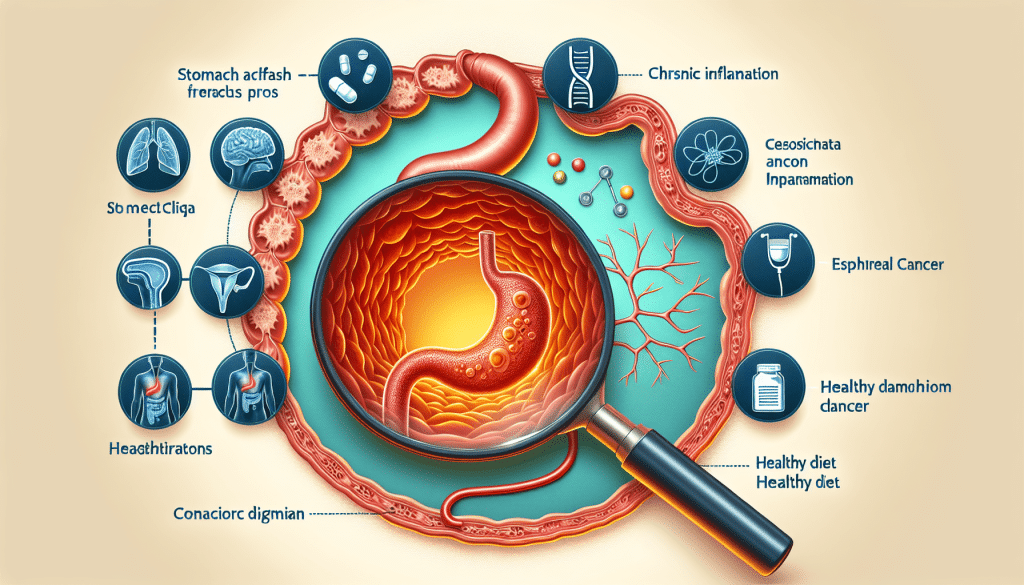
What is acid reflux?
Definition of acid reflux
Acid reflux, also known as gastroesophageal reflux disease (GERD), is a condition where the stomach acid flows back into the esophagus. This occurs when the lower esophageal sphincter (LES) fails to close properly, allowing the acid to travel upwards. Acid reflux is a common digestive disorder that affects individuals of any age group, although it is more prevalent in adults.
Causes of acid reflux
Several factors can contribute to the development of acid reflux. These include certain lifestyle choices, such as consuming spicy or fatty foods, drinking alcohol, smoking, and obesity. Other causes can be related to the structure of the esophagus, such as a hiatal hernia or a weakened LES. Additionally, pregnancy, certain medications, and certain medical conditions, such as scleroderma, can also increase the risk of experiencing acid reflux.
Symptoms of acid reflux
There are various symptoms associated with acid reflux, and they can vary from person to person. Common symptoms include heartburn, which is a burning sensation in the chest or throat. Other symptoms may include regurgitation of acid or food, difficulty swallowing, chest pain, chronic cough, hoarseness, and the feeling of a lump in the throat. It is important to note that acid reflux symptoms can sometimes be mistaken for other conditions, so it is crucial to seek medical advice for a proper diagnosis.
How does acid reflux relate to cancer?
Overview of the link between acid reflux and cancer
Research has shown a clear association between acid reflux and the development of certain types of cancer. Chronic exposure to stomach acid can cause long-term inflammation of the esophagus, which can contribute to the development of cancer cells. It is important to note that not everyone who experiences acid reflux will develop cancer, but the risk increases for those with severe and persistent acid reflux.
Types of cancer associated with acid reflux
The two most common types of cancer associated with acid reflux are esophageal cancer and gastric cancer. Esophageal cancer refers to cancer that develops in the esophagus, while gastric cancer is cancer that occurs in the stomach. Acid reflux can also increase the risk of other types of cancer, such as laryngeal (throat) cancer, pharyngeal (pharynx) cancer, and bronchial (lung) cancer.
Statistics on the prevalence of acid reflux-related cancer
According to the American Cancer Society, both esophageal cancer and gastric cancer are relatively uncommon cancers. However, the incidence of esophageal cancer has been increasing in recent years, with about 18,440 new cases expected in the United States in 2021. Gastric cancer, on the other hand, is less common in the United States but remains a significant health concern globally, with more than one million new cases reported worldwide each year.
Pathophysiology of acid reflux-related cancer
Mechanism of acid reflux-induced cellular changes
When stomach acid repeatedly flows back into the esophagus, it can cause cellular changes in the lining of the esophagus. Over time, these changes can lead to a condition known as Barrett’s esophagus, where the normal lining of the esophagus is replaced by a tissue that resembles the lining of the intestines. This change in cellular structure increases the risk of developing esophageal cancer.
Role of chronic inflammation in cancer development
Chronic inflammation is a key factor in the development of cancer. In the case of acid reflux-related cancer, the chronic inflammation caused by the repeated exposure to stomach acid contributes to the transformation of healthy cells into cancerous cells. Inflammation leads to DNA damage, alterations in cell growth, and the activation of various signaling pathways that promote cancer development.
Understanding esophageal cancer
Exploring the connection between acid reflux and esophageal cancer
Esophageal cancer is strongly linked to acid reflux, with the majority of cases arising from Barrett’s esophagus. The constant exposure of the esophageal lining to stomach acid can cause abnormal cell growth and eventually progress to cancer. It is essential for individuals with chronic acid reflux to undergo regular screenings and monitoring to detect any potential signs of esophageal cancer early.
Types and stages of esophageal cancer
There are two main types of esophageal cancer: adenocarcinoma and squamous cell carcinoma. Adenocarcinoma is the most common type in Western countries and typically occurs in the lower portion of the esophagus. Squamous cell carcinoma, on the other hand, is more common in developing countries and usually arises in the upper and middle parts of the esophagus. Both types have different stages ranging from stage 0 (early and non-invasive) to stage IV (advanced and metastatic).
Risk factors for esophageal cancer
Besides acid reflux, there are several other risk factors associated with the development of esophageal cancer. These include smoking, heavy alcohol consumption, obesity, a diet low in fruits and vegetables, exposure to certain chemicals and irritants, and certain medical conditions, such as achalasia and tylosis. Additionally, men are more likely to develop esophageal cancer than women, and the risk increases with age.

Gastric cancer and acid reflux
Effects of acid reflux on the stomach lining
Chronic acid reflux can also affect the lining of the stomach, leading to inflammation and damage. The constant exposure to stomach acid can cause gastritis, which is the inflammation of the stomach lining. Over time, this inflammation can progress to gastric cancer. It is important to note that while acid reflux can increase the risk of gastric cancer, not all individuals with acid reflux will develop this type of cancer.
Gastric cancer and its relationship to acid reflux
Although gastric cancer is less common in the United States, it remains a significant global health concern. Acid reflux can contribute to the development of gastric cancer by causing chronic inflammation and cellular changes in the stomach lining. The risk of gastric cancer is further increased in individuals infected with Helicobacter pylori, a bacteria associated with gastric ulcers and an increased risk of gastric cancer.
Gastroesophageal junction tumors
The gastroesophageal junction, where the esophagus meets the stomach, is another area where acid reflux can have a significant impact. Persistent acid reflux can contribute to the development of tumors in this junction, known as gastroesophageal junction tumors. These tumors can be cancerous, and if left untreated, may spread to surrounding tissues and organs.
Other types of cancer associated with acid reflux
Laryngeal (throat) cancer
Acid reflux can also increase the risk of laryngeal cancer, which affects the throat and vocal cords. Chronic exposure to stomach acid can cause inflammation and cellular changes in the throat, which can lead to the development of cancerous growths. Symptoms of laryngeal cancer may include hoarseness, difficulty swallowing, persistent cough, and a lump in the throat.
Pharyngeal (pharynx) cancer
Pharyngeal cancer, which affects the pharynx or the back of the throat, is another type of cancer associated with acid reflux. Similar to laryngeal cancer, the chronic exposure to stomach acid can cause inflammation and cellular changes in the throat. Common symptoms of pharyngeal cancer include difficulty swallowing, throat pain, ear pain, and a lump in the neck.
Bronchial (lung) cancer
Acid reflux has also been linked to an increased risk of bronchial or lung cancer. Though the exact mechanisms are not fully understood, it is believed that stomach acid entering the airways through reflux may cause chronic irritation and cellular changes in the lung tissue, potentially leading to the development of cancer. Symptoms of bronchial cancer may include persistent cough, shortness of breath, chest pain, and unintentional weight loss.
Diagnosis and screening for acid reflux-related cancer
Common diagnostic methods
To diagnose acid reflux-related cancer, healthcare professionals utilize various diagnostic methods. These can include upper endoscopy, where a thin tube with a camera is inserted into the esophagus to visualize the lining and take biopsies if necessary. Other diagnostic tests include barium swallow, esophageal manometry, pH monitoring, and imaging techniques like CT scans and PET scans. These methods help evaluate the extent of cancer development and determine the appropriate treatment approach.
Screening guidelines for high-risk individuals
Screening for acid reflux-related cancer, particularly esophageal cancer, is recommended for individuals at high risk. High-risk individuals include those with long-standing acid reflux symptoms, individuals with a history of Barrett’s esophagus, and those with a family history of esophageal cancer. Screening guidelines may vary depending on factors such as age, gender, and individual risk factors, so it is essential to consult with a healthcare professional for personalized recommendations.
Endoscopy and biopsy procedures
Endoscopy is a commonly used procedure to evaluate the esophagus and stomach for signs of cancer or other abnormalities. During an endoscopy, a flexible tube with a camera is inserted through the mouth and into the esophagus and stomach. If any suspicious areas are identified, a biopsy may be performed, where a small tissue sample is taken for further examination. These procedures help healthcare professionals diagnose cancer and determine the best course of treatment.
Treatment options for acid reflux-related cancer
Surgical interventions
Surgery plays a significant role in the treatment of acid reflux-related cancer. Depending on the stage and type of cancer, surgical interventions may include removing part or all of the esophagus, stomach, or affected tissues. Surgery aims to remove the cancerous growths and prevent the spread of cancer to other parts of the body. In some cases, reconstructive surgery may be performed to restore the function of the digestive system.
Chemotherapy and radiation therapy
Chemotherapy and radiation therapy are also commonly used treatment options for acid reflux-related cancer. Chemotherapy involves the use of anti-cancer drugs to kill cancer cells or prevent their growth. Radiation therapy utilizes high-energy beams, such as X-rays, to target and destroy cancer cells. These treatments can be used alone or in combination with surgery to shrink tumors, destroy remaining cancer cells, or alleviate symptoms in advanced cases.
Targeted therapies
Targeted therapies are a newer approach to treating acid reflux-related cancer. These therapies specifically target certain molecules or pathways involved in the growth and spread of cancer cells. By targeting these specific aspects of cancer cells, targeted therapies can provide more precise and potentially less toxic treatment options. Targeted therapies may be used in conjunction with other treatment modalities and are often tailored to the individual’s specific cancer characteristics.
Prevention and management strategies
Lifestyle modifications to reduce acid reflux
Making certain lifestyle modifications can help reduce the occurrence and severity of acid reflux. These lifestyle changes may include maintaining a healthy weight, avoiding trigger foods such as spicy or fatty foods, reducing alcohol consumption, quitting smoking, and eating smaller, more frequent meals. Elevating the head of the bed while sleeping and avoiding lying down immediately after meals can also help prevent acid reflux symptoms.
Importance of regular check-ups and screening
Regular check-ups with healthcare professionals are crucial for individuals with a history of acid reflux or other risk factors for acid reflux-related cancer. These check-ups allow for the monitoring of symptoms and the early detection of any potential signs of cancer. Screening tests, as recommended by healthcare professionals, play a vital role in identifying cancer at its early stages when treatment is most effective.
Managing acid reflux symptoms
For individuals living with acid reflux, managing the symptoms is an ongoing process. This may involve taking prescribed medications, such as proton pump inhibitors or H2 receptor blockers, to reduce the production of stomach acid and alleviate symptoms. It is important to follow the recommended dosage and instructions provided by healthcare professionals. Additionally, avoiding trigger foods, maintaining a healthy diet, staying hydrated, and managing stress can help minimize acid reflux symptoms and improve overall quality of life.
Support and resources for individuals with acid reflux-related cancer
Cancer support groups and organizations
Several cancer support groups and organizations provide valuable support, information, and resources for individuals and their families affected by acid reflux-related cancer. These organizations offer emotional support, educational materials, and opportunities for connecting with others who have had similar experiences. Some well-known organizations include the American Cancer Society, CancerCare, and the Esophageal Cancer Awareness Association.
Education and information platforms
Various educational platforms and online resources provide comprehensive information about acid reflux-related cancer, its symptoms, treatment options, and coping strategies. These platforms aim to empower individuals with knowledge and the ability to make informed decisions about their healthcare. Medical websites, reputable journals, and books written by experts in the field can serve as valuable sources of information.
Financial and emotional assistance programs
Dealing with acid reflux-related cancer can be emotionally and financially challenging. Fortunately, there are financial and emotional assistance programs available to help individuals cope with the financial burdens associated with cancer treatment. These programs may provide financial support, counseling services, transportation assistance, and access to other resources. It is advisable to check with local cancer support organizations and healthcare centers for information on available programs.
In conclusion, acid reflux is a common digestive disorder that can have serious implications, including an increased risk of certain types of cancer. The persistent exposure of the esophagus and stomach to stomach acid can lead to cellular changes, chronic inflammation, and the development of cancer cells. Esophageal cancer and gastric cancer are the most commonly associated cancers with acid reflux, but other types, such as laryngeal, pharyngeal, and bronchial cancer, are also linked. Regular screening and early detection play a vital role in managing and treating acid reflux-related cancer. At the same time, lifestyle modifications, proper symptom management, and accessing support and resources can help individuals effectively cope with the disease and improve their quality of life.