
Are you tired of dealing with the discomfort and pain caused by acid reflux? Well, you may be surprised to learn that a simple solution could be found right under your nose. Chewing gum has long been recommended by experts as a potential remedy for acid reflux. Not only does it offer a delightful burst of flavor, but it also stimulates saliva production, which can help neutralize stomach acid and alleviate the symptoms of acid reflux. By taking just a few moments to chew gum after a meal, you could find relief from the burning sensation and regurgitation associated with this common digestive issue. So, before reaching for that antacid, why not give chewing gum a try?
What is Acid Reflux?
Acid reflux, also known as gastroesophageal reflux disease (GERD), is a condition in which the stomach acid flows back into the esophagus. This occurs when the lower esophageal sphincter (LES), a muscle ring at the bottom of the esophagus, fails to close properly. When the acid enters the esophagus, it can cause discomfort and a burning sensation known as heartburn. Acid reflux can be a chronic condition that affects many people, causing them to seek relief and manage their symptoms effectively.
Definition
Acid reflux, or GERD, is a condition characterized by the backward flow of stomach acid into the esophagus. The esophagus is the long tube connecting the mouth to the stomach, and its lining is not designed to handle the corrosive effects of stomach acid. This reflux of acid can lead to inflammation and irritation of the esophageal lining, resulting in uncomfortable symptoms.
Causes
There are several factors that can contribute to the development of acid reflux. One common cause is a weakened or malfunctioning LES. Certain lifestyle choices can also increase the risk of acid reflux, such as consuming spicy and fatty foods, smoking, and excessive alcohol intake. Obesity, pregnancy, and certain medical conditions, such as hiatal hernia and gastroparesis, can also contribute to acid reflux.
Symptoms
The symptoms of acid reflux can vary from person to person, but the most common symptom is heartburn. Heartburn is a burning sensation in the chest that often occurs after eating or when lying down. Other symptoms may include regurgitation of stomach acid into the mouth, difficulty swallowing, a persistent cough, and a hoarse voice. If left untreated, acid reflux can lead to complications such as esophageal strictures and Barrett’s esophagus.
How Does Chewing Gum Work?
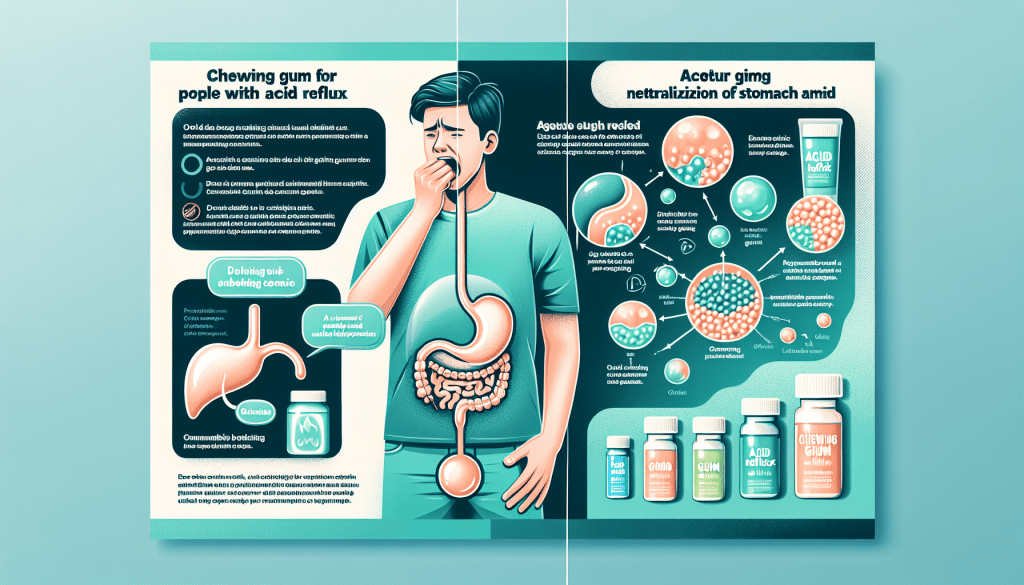
Chewing gum is a popular habit that many people enjoy, but did you know that it can also provide some relief for acid reflux symptoms? Chewing gum works by increasing saliva production and stimulating swallowing, which can help to clear the esophagus of acid and reduce symptoms of reflux.
Mechanism of Action
The act of chewing gum stimulates the salivary glands to produce more saliva. Saliva is a natural antacid that can help to neutralize stomach acid and protect the esophagus from irritation. Additionally, the repetitive motion of chewing promotes the flow of saliva down the esophagus, which can help to wash away any acid that may have refluxed up from the stomach.
Effect on Saliva Production
Chewing gum has been shown to significantly increase saliva production. Saliva contains bicarbonate, a natural buffer that can neutralize acid and protect the esophageal lining. By increasing saliva production, chewing gum can help to reduce the acidity in the esophagus and provide relief from heartburn.
Stimulating Swallowing
Chewing gum also stimulates swallowing, which can help to clear the esophagus of acid and prevent regurgitation. Swallowing triggers the muscles in the esophagus to contract, pushing any refluxed acid back into the stomach. By promoting frequent swallowing, chewing gum can help to improve esophageal clearance and reduce the frequency and severity of acid reflux symptoms.
Potential Benefits of Chewing Gum for Acid Reflux
Chewing gum can provide several potential benefits for individuals with acid reflux. These benefits include relieving heartburn, reducing acid, preventing regurgitation, and improving esophageal clearance.
Relieving Heartburn
One of the main symptoms of acid reflux is heartburn, a painful burning sensation in the chest. Chewing gum can help to relieve heartburn by increasing saliva production, which can neutralize stomach acid and soothe the esophagus. By providing temporary relief from heartburn, chewing gum can make the experience of acid reflux more manageable.
Reducing Acid
The increased saliva production that occurs when chewing gum can help to reduce the acidity in the esophagus. Saliva contains bicarbonate, a natural antacid that can neutralize stomach acid and provide relief from acid reflux symptoms. By reducing the acidity in the esophagus, chewing gum can alleviate discomfort and promote healing of the esophageal lining.
Preventing Regurgitation
Chewing gum stimulates swallowing, which can help to prevent regurgitation of stomach acid. Swallowing triggers the muscles in the esophagus to contract, pushing any refluxed acid back into the stomach. By promoting frequent swallowing, chewing gum can help to minimize the frequency and severity of regurgitation episodes.
Improving Esophageal Clearance
Esophageal clearance refers to the ability of the esophagus to clear acid and other substances back into the stomach. Chewing gum promotes swallowing, which can improve esophageal clearance by pushing acid and other refluxed contents back into the stomach. By improving esophageal clearance, chewing gum can help to reduce the duration and intensity of acid reflux symptoms.
Scientific Evidence Supporting Chewing Gum for Acid Reflux
Several scientific studies have explored the effectiveness of chewing gum in relieving acid reflux symptoms. These studies have focused on symptom relief, the reduction of acid, comparisons to medications, and the long-term effects of chewing gum for acid reflux.
Studies on Symptom Relief
Numerous studies have shown that chewing gum can provide relief from symptoms of acid reflux, including heartburn. A study published in The American Journal of Gastroenterology found that chewing sugar-free gum for 30 minutes after a meal reduced heartburn symptoms significantly. Other studies have reported similar findings, suggesting that chewing gum can be an effective non-pharmacological approach to managing acid reflux symptoms.
Effectiveness in Reducing Acid
Research has shown that chewing gum can help to reduce the acidity in the esophagus. A study published in The Journal of Dental Research found that chewing gum increased saliva production and reduced esophageal acid exposure. These findings suggest that chewing gum can have a direct impact on the acid levels in the esophagus and may help to alleviate symptoms of acid reflux.
Comparisons to Medications
Some studies have compared the effectiveness of chewing gum to medications commonly used to treat acid reflux. One study published in the journal Alimentary Pharmacology & Therapeutics found that chewing gum was as effective as a prescribed proton pump inhibitor (PPI) medication in relieving symptoms of acid reflux. This suggests that chewing gum could be a viable alternative or complementary treatment for individuals seeking relief from acid reflux symptoms.
Long-term Effects
The long-term effects of chewing gum for acid reflux are still being researched. However, based on the available evidence, it appears that chewing gum can provide short-term relief from symptoms and potentially help to improve esophageal clearance. It is important to note that chewing gum should be used as part of a comprehensive treatment plan, including lifestyle changes and medication if necessary, to manage acid reflux effectively in the long term.
Considerations Before Using Chewing Gum for Acid Reflux
Before using chewing gum to manage acid reflux symptoms, there are a few considerations to keep in mind. These include existing medical conditions, medication interactions, and the importance of choosing sugar-free options.
Existing Medical Conditions
Individuals with certain medical conditions may need to exercise caution when using chewing gum for acid reflux. For example, those with temporomandibular joint (TMJ) disorders may experience jaw pain or worsened symptoms due to excessive chewing. It is essential to consult with a healthcare professional before using chewing gum if you have any underlying medical conditions that may be affected by chewing.
Medication Interactions
Chewing gum may interact with certain medications used to manage acid reflux. For example, some medications, such as H2 blockers, work by reducing stomach acid production. Chewing gum can increase saliva production, which may dilute the effectiveness of these medications. It is important to discuss the use of chewing gum with a healthcare professional if you are taking any medications for acid reflux or other conditions.
Sugar-free Options
When using chewing gum for acid reflux, it is recommended to choose sugar-free options. Sugar-free gum is less likely to contribute to dental issues such as cavities and tooth decay. Additionally, sugar-free gum can help to manage calorie intake, which may be beneficial for individuals seeking to maintain a healthy weight or manage other medical conditions such as diabetes.
Choosing the Right Gum for Acid Reflux
When selecting a chewing gum to manage acid reflux symptoms, there are a few factors to consider. These include choosing sugar-free gum, looking for natural ingredients, and considering personal flavor preferences.
Sugar-free vs. Regular Gum
Sugar-free gum is generally recommended for individuals with acid reflux. Regular gum that contains sugar can increase the acidity in the mouth, potentially exacerbating symptoms of acid reflux. Sugar-free gum is a better option as it does not contribute to dental issues and can help to manage acid reflux symptoms effectively.
Natural Ingredients
Some chewing gums contain natural ingredients that may provide additional benefits for acid reflux. For example, gum made with natural mint or ginger may help to soothe the esophagus and calm digestive discomfort. It is important to read the ingredient list and choose a gum that contains natural ingredients that are known to be soothing for the digestive system.
Flavor Preferences
Choosing a gum with a flavor that you enjoy can make the experience more pleasant and encourage regular use. Many different flavors are available, such as mint, fruit, and cinnamon. Experimenting with different flavors can help you find the gum that you find most enjoyable and effective in managing your acid reflux symptoms.
Other Lifestyle Changes to Manage Acid Reflux
While chewing gum can provide some relief for acid reflux, it is important to remember that it is just one piece of the puzzle. Making certain lifestyle changes can significantly improve the management of acid reflux symptoms. These changes may include dietary modifications, weight management, avoiding trigger foods, elevating the head of the bed, and quitting smoking.
Dietary Modifications
Certain foods may trigger or worsen acid reflux symptoms. It can be helpful to identify these trigger foods and make dietary modifications to avoid them. Common trigger foods include spicy foods, acidic foods and beverages, fatty foods, and caffeine. Making small changes to your diet, such as reducing portion sizes and eating more frequent, smaller meals, can also be beneficial.
Weight Management
Maintaining a healthy weight can help to reduce the frequency and severity of acid reflux symptoms. Excess weight can put pressure on the stomach and increase the risk of acid reflux. By adopting a balanced, nutritious diet and engaging in regular physical activity, it is possible to achieve and maintain a healthy weight, which can greatly improve acid reflux management.
Avoiding Trigger Foods
In addition to dietary modifications, avoiding trigger foods altogether can be helpful in managing acid reflux. By eliminating or reducing the consumption of foods and beverages that trigger symptoms, individuals can reduce their dependence on medications and other treatments. It may take some trial and error to identify specific trigger foods, but the effort can be well worth it in the long run.
Elevating the Head of the Bed
Elevating the head of the bed can help to prevent acid reflux episodes during sleep. By sleeping with the head slightly elevated, gravity can help to keep the stomach acid in the stomach and prevent it from flowing back up into the esophagus. Simple measures such as using a wedge pillow or raising the head of the bed with blocks can make a significant difference in reducing nighttime acid reflux symptoms.
Quitting Smoking
Smoking is a known risk factor for acid reflux and can exacerbate symptoms. Smoking can weaken the LES and increase the production of stomach acid, making acid reflux more likely to occur. Quitting smoking can have numerous health benefits, including reducing the frequency and severity of acid reflux episodes. If you need assistance in quitting smoking, there are various resources and support available to help you on your journey.
Potential Drawbacks or Risks of Chewing Gum for Acid Reflux
While chewing gum can be a helpful tool in managing acid reflux symptoms, it is essential to consider potential drawbacks or risks. These may include potential dental issues, possible jaw or temporomandibular joint (TMJ) problems, gum-related digestive issues, and individual sensitivities or allergies.
Potential Dental Issues
Chewing gum, particularly those with sugar, can increase the risk of dental issues such as cavities and tooth decay. The sugar in gum can feed harmful bacteria in the mouth, leading to enamel erosion and dental problems. To minimize the risk of dental issues, it is crucial to select sugar-free gum options that use artificial sweeteners instead.
Possible Jaw or Temporomandibular Joint (TMJ) Problems
Excessive gum chewing can potentially lead to jaw pain or aggravate pre-existing TMJ disorders. The repetitive motion of chewing can strain the muscles and joints in the jaw, causing discomfort and problems with jaw function. If you experience jaw pain or have a history of TMJ issues, it is advisable to consult with a healthcare professional before using chewing gum as an acid reflux management technique.
Gum-related Digestive Issues
In some cases, chewing gum may lead to digestive issues such as bloating, gas, and stomach discomfort. These symptoms can arise from excessive swallowing of air while chewing or may be a result of the gum’s ingredients. If you experience any digestive issues after chewing gum, it is important to consider alternative methods of managing acid reflux symptoms.
Individual Sensitivities or Allergies
Individuals may have sensitivities or allergies to certain ingredients commonly found in chewing gum. For example, some people may be allergic to artificial sweeteners or have sensitivities to certain gums or preservatives. It is always recommended to read the ingredient list carefully and discontinue use if any adverse reactions occur.
Summary
Chewing gum can be a useful tool in managing acid reflux symptoms and providing temporary relief. By increasing saliva production, reducing acid, stimulating swallowing, and improving esophageal clearance, chewing gum can alleviate discomfort and minimize the frequency and severity of acid reflux episodes. However, it is important to consider individual circumstances, existing medical conditions, and potential risks before using chewing gum as part of an acid reflux management plan.
Effectiveness of Chewing Gum for Acid Reflux
Scientific evidence supports the effectiveness of chewing gum in relieving symptoms of acid reflux. Numerous studies have shown that chewing gum can provide relief from heartburn, reduce acid in the esophagus, and compare favorably to medications commonly used to manage acid reflux. While the long-term effects of chewing gum for acid reflux are still being studied, it can be an effective and non-pharmacological option for symptom relief.
Considerations and Precautions
Before using chewing gum to manage acid reflux, it is important to consider individual health conditions, potential medication interactions, and the importance of choosing sugar-free options. Individuals with underlying medical conditions or those taking medications should consult with a healthcare professional before incorporating chewing gum into their acid reflux management plan.
Importance of a Balanced Approach
While chewing gum can provide relief for acid reflux symptoms, it is crucial to remember that it is just one piece of the puzzle. Lifestyle changes such as dietary modifications, weight management, and avoiding trigger foods are essential for long-term management of acid reflux. Chewing gum should be used in conjunction with these lifestyle changes and any necessary medications for optimal effectiveness.
Conclusion
Chewing gum can be a helpful tool for managing acid reflux symptoms and providing temporary relief. By increasing saliva production, reducing acid, promoting swallowing, and improving esophageal clearance, chewing gum can be an effective non-pharmacological approach to managing acid reflux. However, it is important to consider individual health circumstances, potential risks, and the importance of a balanced approach to acid reflux management. Consult with a healthcare professional for personalized advice and recommendations. With the right approach, chewing gum can be a valuable addition to your acid reflux management plan.