
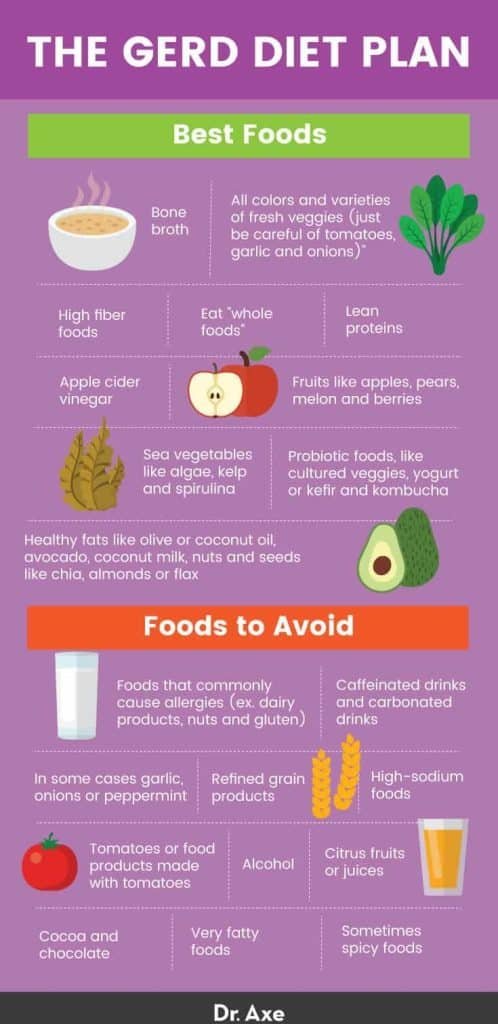
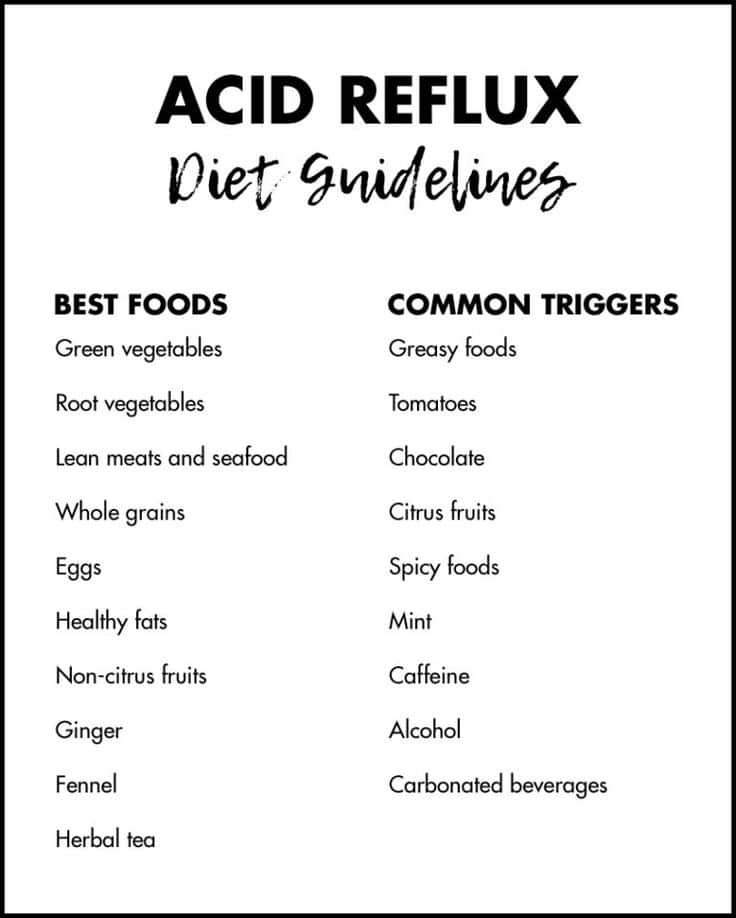
Are you tired of experiencing that uncomfortable burning sensation in your chest after enjoying a meal? Look no further! We have compiled a list of 10 delicious and nutritious foods that are not only friendly to your taste buds but also to your acid reflux. By incorporating these foods into your diet, you can alleviate the symptoms and discomfort associated with acid reflux, allowing you to enjoy your meals without worrying about the aftermath. From bananas to oatmeal, these foods will surely become your new best friends when it comes to managing your acid reflux.
Oatmeal
Benefits of Oatmeal for Acid Reflux
Oatmeal is a fantastic choice for those with acid reflux, thanks to its numerous benefits. Firstly, oatmeal is a fiber-rich food that can help regulate your digestion and prevent the occurrence of heartburn. The soluble fiber in oatmeal forms a gel-like substance in your stomach, which helps to absorb excess stomach acid and prevent it from backing up into your esophagus. This can provide relief from the uncomfortable symptoms of acid reflux.
Another benefit of oatmeal is that it is a low-fat food, making it easy on your digestive system. This means that it can be easily digested, reducing the chances of acid reflux occurring. Oatmeal also contains complex carbohydrates that can help keep you feeling full and satisfied, which can be beneficial if you’re trying to manage your weight.
How to Include Oatmeal in Your Diet
Including oatmeal in your diet is simple and convenient. You can start your day with a delicious bowl of oatmeal by cooking it with water or milk of your choice. To add flavor and nutrition, you can enhance your oatmeal with toppings such as sliced bananas, berries, or a drizzle of honey. You can also experiment with different spices like cinnamon or nutmeg to further elevate the taste.
Not only is oatmeal a perfect breakfast option, but it can also be enjoyed as a snack or even incorporated into desserts. You can make oatmeal cookies, bars, or even a creamy oatmeal pudding to satisfy your sweet cravings while still maintaining a healthy acid reflux-friendly diet.
Recipe Ideas with Oatmeal
- Berry Oatmeal Breakfast Bowl: Prepare a bowl of oatmeal using your preferred method, and top it with a generous handful of fresh berries such as strawberries, blueberries, and raspberries. Drizzle a bit of honey or sprinkle cinnamon for added flavor.
- Apple Cinnamon Oatmeal Muffins: Combine oats, diced apples, cinnamon, and a touch of honey to create a delicious and nutritious batch of muffins. These make for a convenient grab-and-go snack or a quick breakfast option.
- Oatmeal Raisin Cookies: Bake a batch of classic oatmeal raisin cookies using oats, raisins, and a touch of cinnamon. These cookies are a wholesome treat that can be enjoyed without worrying about triggering acid reflux.
Bananas
Benefits of Bananas for Acid Reflux
If you suffer from acid reflux, adding bananas to your diet can provide numerous benefits. Bananas are a natural antacid, which means they can help neutralize stomach acid and soothe the lining of your esophagus. Additionally, bananas are a low-acid fruit, making them less likely to trigger acid reflux symptoms.
Bananas are also a good source of dietary fiber, which is essential for maintaining proper digestion. The fiber content in bananas can help regulate bowel movements and prevent constipation, a common issue for those with acid reflux. Furthermore, the natural sugars found in bananas can provide a quick energy boost without causing a spike in acid production.
How to Include Bananas in Your Diet
Including bananas in your diet is incredibly easy and versatile. The simplest way to enjoy a banana is by peeling it and consuming it as a snack on its own. However, there are countless other ways to incorporate bananas into your meals and snacks.
One popular option is to add sliced bananas to your morning cereal, oatmeal, or yogurt for a touch of natural sweetness and added nutrients. You can also blend frozen bananas with other fruits and a liquid of your choice to create a refreshing and nutritious smoothie. For dessert lovers, frozen banana slices can be pureed to make a creamy and guilt-free banana “nice cream.”
Recipe Ideas with Bananas
- Banana Pancakes: Mash up a ripe banana and combine it with eggs, almond flour, and a pinch of baking powder to make delicious and fluffy banana pancakes. Serve them with a drizzle of honey or a dollop of Greek yogurt.
- Banana and Peanut Butter Smoothie: Blend a ripe banana with a scoop of natural peanut butter, a splash of almond milk, and some ice cubes for a quick and creamy smoothie that’s perfect for a post-workout snack.
- Grilled Banana Sundaes: Cut a banana in half lengthwise and grill it until it becomes soft and caramelized. Top it with a scoop of low-fat vanilla ice cream or some Greek yogurt, and finish with a sprinkle of crushed almonds or dark chocolate chips.
Ginger
Benefits of Ginger for Acid Reflux
Ginger has been used for centuries as a natural remedy for various ailments, including acid reflux. It possesses potent anti-inflammatory properties that can help reduce inflammation in the digestive tract, providing relief from acid reflux symptoms such as heartburn and indigestion.
Ginger is also known to aid in digestion by stimulating the production of digestive enzymes. This can improve the overall functioning of your digestive system, preventing the occurrence of acid reflux. Furthermore, ginger has been shown to have a soothing effect on the muscles of the esophagus, helping to prevent the backwards flow of stomach acid.
How to Include Ginger in Your Diet
There are numerous ways to include ginger in your diet and enjoy its acid reflux-fighting benefits. One of the simplest methods is to brew a cup of ginger tea by slicing fresh ginger and steeping it in hot water for a few minutes. You can enhance the flavor by adding a squeeze of lemon juice or a teaspoon of honey.
Another option is to add grated ginger to your dishes while cooking. Ginger pairs well with various savory dishes, adding a unique and refreshing flavor. You can use it in stir-fries, soups, sauces, and marinades. Additionally, you can experiment with incorporating ginger into your baking by adding it to muffins, cakes, or homemade granola bars.
Recipe Ideas with Ginger
- Ginger Chicken Stir-Fry: Marinate chicken breast pieces with grated ginger, soy sauce, garlic, and a touch of honey. Stir-fry the marinated chicken along with your favorite vegetables for a flavorful and acid reflux-friendly meal.
- Ginger-Lemon Detox Water: Thinly slice fresh ginger and lemon, and place them in a pitcher of water. Let it infuse overnight in the refrigerator, and enjoy the refreshing and detoxifying properties of this infused water throughout the day.
- Ginger Granola Bars: Mix rolled oats, chopped nuts, dried fruits, and a generous amount of grated ginger. Sweeten with a natural sweetener like honey or maple syrup, and bake the mixture into homemade granola bars. These bars are a perfect on-the-go snack that can help soothe your acid reflux symptoms.
Green Vegetables

Benefits of Green Vegetables for Acid Reflux
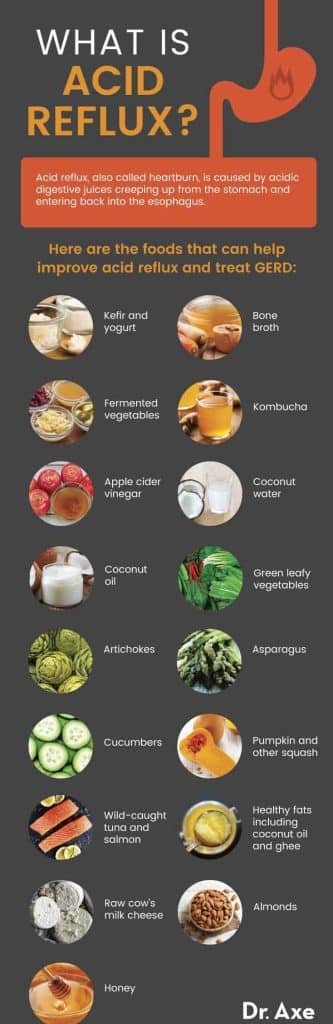
Green vegetables, such as spinach, broccoli, kale, and asparagus, are highly beneficial for individuals with acid reflux. These vegetables are packed with essential vitamins, minerals, and antioxidants that can support overall digestive health and reduce inflammation in the gastrointestinal tract.
The high fiber content in green vegetables can help regulate your bowel movements, preventing constipation and promoting healthy digestion. Additionally, these vegetables are low in fat and calories, making them an ideal choice for those aiming to maintain a healthy weight.
How to Include Green Vegetables in Your Diet
Incorporating green vegetables into your diet is easier than you might think. One simple method is to add a handful of spinach or kale to your morning smoothie. This adds a nutritional boost without compromising the taste of your favorite smoothie combinations.
Including green vegetables in your main meals is also a great way to enjoy their benefits. You can sauté broccoli, asparagus, or green beans with garlic and a splash of olive oil for a flavorful side dish. Alternatively, you can toss mixed greens with other vegetables, lean protein, and a light dressing to create a refreshing and nutritious salad.
Recipe Ideas with Green Vegetables
- Spinach and Mushroom Omelet: Sauté spinach, mushrooms, and onions in a non-stick pan until they are tender. Pour beaten eggs over the vegetables and cook until set. This omelet is a healthy and satisfying breakfast option that incorporates green vegetables.
- Grilled Asparagus with Lemon: Drizzle fresh asparagus spears with olive oil, sprinkle with salt and pepper, and grill them until they become tender and slightly charred. Squeeze some lemon juice over the grilled asparagus for a tangy and refreshing flavor.
- Kale and Quinoa Salad: Toss chopped kale, cooked quinoa, cherry tomatoes, cucumbers, and avocado in a light dressing made from lemon juice, olive oil, and a touch of honey. This salad is packed with nutrients and can be enjoyed as a side dish or a light meal.
Melons
Benefits of Melons for Acid Reflux
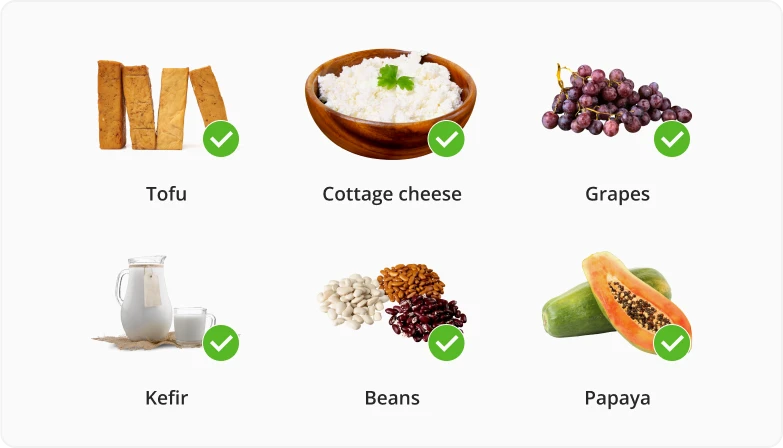
Melons, such as watermelon, cantaloupe, and honeydew, offer numerous benefits for those with acid reflux. These fruits have a high water content, which can help soothe the esophagus and provide relief from the burning sensation caused by acid reflux.
Melons are also low in acid, making them a gentle option for individuals with acid reflux. They are rich in vitamins A and C, as well as antioxidants, which can contribute to a healthy digestive system and reduce inflammation in the body.
How to Include Melons in Your Diet
Including melons in your diet is refreshing and easy. One of the simplest ways to enjoy melons is by cutting them into slices or cubes and eating them as a snack. They make a perfect option for a light and hydrating snack during the warmer months.
Melons can also be used in salads, smoothies, or desserts for added flavor and moisture. Adding diced watermelon to a summer salad or blending it with some ice for a cooling watermelon smoothie are great ways to incorporate melons into your meals.
Recipe Ideas with Melons
- Melon and Mozzarella Salad: Combine cubed watermelon, cantaloupe, and honeydew along with fresh mozzarella balls. Add some fresh basil leaves and a drizzle of balsamic glaze or olive oil for a refreshing and flavorful salad.
- Honeydew Smoothie: Blend chilled honeydew chunks with a splash of coconut water and a handful of mint leaves. This cool and refreshing smoothie is perfect for a hot summer day or as a post-workout drink.
- Grilled Watermelon Skewers: Cut watermelon into small cubes and thread them onto skewers. Grill the skewers until the watermelon becomes slightly caramelized. Serve the grilled watermelon skewers as a unique and delicious dessert option.
Ginger Tea
Benefits of Ginger Tea for Acid Reflux
Ginger tea is a soothing and natural remedy that can provide relief from the symptoms of acid reflux. The warm and calming properties of ginger tea can help relax the muscles in the esophagus and reduce the occurrence of acid reflux.
Drinking ginger tea can also aid in digestion by promoting the production of digestive enzymes, which assists in breaking down food and preventing the occurrence of acid reflux. Additionally, the anti-inflammatory properties of ginger can help reduce inflammation in the digestive tract, providing relief from heartburn and indigestion.
How to Include Ginger Tea in Your Diet
Making ginger tea is a simple and enjoyable process. Start by boiling water in a kettle or pot. While the water is boiling, peel and slice fresh ginger into small pieces. Place the ginger slices into a teapot or a mug and pour the boiling water over them. Let the ginger steep in the hot water for about 5-10 minutes, depending on your desired strength.
To enhance the flavor of your ginger tea, you can add a squeeze of lemon juice or a teaspoon of honey. Stir well and enjoy the soothing properties of ginger tea. You can drink ginger tea as is or sip it throughout the day to help reduce the occurrence of acid reflux symptoms.
Recipe Ideas with Ginger Tea
- Iced Ginger Tea Lemonade: Brew a strong cup of ginger tea and let it cool. Once cooled, pour the ginger tea into a pitcher and add freshly squeezed lemon juice and a touch of honey. Refrigerate the mixture for a few hours and serve over ice for a refreshing and flavorful iced tea lemonade.
- Ginger Green Tea Latte: Brew a cup of green tea and add sliced ginger to the boiling water. Let the ginger steep in the green tea for a few minutes before straining. Once strained, sweeten the latte with a natural sweetener like honey or maple syrup. This latte is a great alternative to coffee and can be enjoyed hot or iced.
- Ginger Turmeric Herbal Infusion: Combine sliced ginger, turmeric root, and a cinnamon stick in a pot of boiling water. Let the infusion simmer for about 20 minutes before straining. Serve this herbal infusion as a warm and soothing drink that can help alleviate acid reflux symptoms.
Almonds
Benefits of Almonds for Acid Reflux
Almonds are a nutritious and acid reflux-friendly snack that can provide numerous benefits. Firstly, almonds are alkaline-forming foods, meaning they can help reduce the acidity in your stomach and prevent acid reflux symptoms. They have a high content of healthy fats, including monounsaturated fats, which are known to help reduce inflammation in the body.
Almonds are also packed with dietary fiber, which aids in digestion and prevents constipation. By keeping your digestive system healthy and regular, the chances of acid reflux occurring are significantly reduced. Additionally, almonds are an excellent source of vitamin E, magnesium, and antioxidants, which promote overall digestive health and support a healthy immune system.
How to Include Almonds in Your Diet
Including almonds in your diet is incredibly easy and convenient. You can snack on a handful of almonds by themselves whenever you experience hunger pangs or cravings. Almonds make for a portable and nutritious snack that can be enjoyed on the go.
Another way to incorporate almonds into your diet is by adding them to your cereals, oatmeal, or yogurt. You can sprinkle sliced or slivered almonds over your breakfast bowl for added crunch and texture. Alternatively, you can use almond butter as a spread on whole grain toast or as a dip for apple slices.
Recipe Ideas with Almonds
- Almond and Fruit Parfait: Layer Greek yogurt, sliced fruits like berries or bananas, and a handful of almonds in a glass or jar. Repeat the layers until you reach the top, and finish with a drizzle of honey. This parfait is a nutritious and filling snack or a light breakfast option.
- Almond-Crusted Chicken: Finely grind a generous amount of almonds, and mix them with breadcrumbs and your preferred seasonings. Dip chicken breasts into beaten egg and coat them with the almond mixture. Bake or pan-fry the chicken until it is cooked through and the almond coating turns golden brown. This dish is a delicious and protein-rich meal option.
- Almond and Dark Chocolate Energy Bites: Blend almonds, dates, cocoa powder, and a touch of honey together in a food processor until a sticky dough forms. Roll the dough into bite-sized balls and refrigerate them until firm. These energy bites are perfect for satisfying your sweet tooth while providing a healthy and energy-boosting snack.
Whole Grains
Benefits of Whole Grains for Acid Reflux
Incorporating whole grains into your diet can have various benefits for individuals with acid reflux. Whole grains, such as brown rice, quinoa, oats, and whole wheat, are high in dietary fiber, which aids in proper digestion and prevents constipation. By maintaining regular bowel movements, the occurrence of acid reflux can be minimized.
Whole grains are also low in fat and rich in complex carbohydrates, which provide a steady release of energy and keep you feeling satiated for longer. This can be particularly helpful if you’re trying to manage your weight while dealing with acid reflux symptoms.
How to Include Whole Grains in Your Diet
Including whole grains in your diet is simple and can be done in a variety of ways. One of the easiest methods is to replace refined grains, such as white rice or pasta, with their whole grain counterparts. Switching from white bread to whole grain bread is another easy way to incorporate whole grains into your meals.
Experimenting with different whole grains and incorporating them into your recipes is also a great option. For example, you can cook a batch of quinoa and use it as a base for salads, stir-fries, or as a side dish with protein. Similarly, you can opt for whole grain pasta when preparing your favorite pasta dishes.
Recipe Ideas with Whole Grains
- Vegetable Quinoa Stir-Fry: Cook quinoa according to package instructions and set aside. Heat some olive oil in a pan and stir-fry your favorite vegetables, such as bell peppers, broccoli, and carrots. Once the vegetables are cooked to your desired tenderness, add the cooked quinoa to the pan and season with soy sauce or your preferred stir-fry sauce. This dish is a wholesome and satisfying meal option.
- Whole Grain Toast with Avocado and Egg: Toast slices of whole grain bread until crispy. Mash ripe avocado onto the toast and top it with a poached or fried egg. Sprinkle some chili flakes or fresh herbs for added flavor. This breakfast or brunch option is filling and provides a good balance of protein, healthy fats, and whole grains.
- Blueberry Overnight Oats: Combine rolled oats, your preferred milk, chia seeds, and a handful of blueberries in a jar or container. Stir well, cover, and refrigerate overnight. In the morning, you’ll have a delicious and ready-to-eat breakfast that is packed with whole grains, fiber, and antioxidants from the blueberries.
Aloe Vera Juice
Benefits of Aloe Vera Juice for Acid Reflux
Aloe vera juice is a natural remedy that can provide relief from acid reflux symptoms. Aloe vera contains compounds that can help soothe and reduce inflammation in the esophagus, providing relief from heartburn and the burning sensation caused by acid reflux.
Drinking aloe vera juice can also support digestion and promote gastrointestinal health. It can help regulate bowel movements and prevent constipation, which contributes to a healthy digestive system. Additionally, aloe vera juice is known to have a cooling and calming effect on the stomach, which can reduce the occurrence of acid reflux symptoms.
How to Include Aloe Vera Juice in Your Diet
Before incorporating aloe vera juice into your diet, it is important to ensure that it is a safe option for you. Some individuals may experience adverse reactions to aloe vera juice, such as diarrhea or allergic reactions. If you decide to try aloe vera juice, it is recommended to start with a small amount and monitor your body’s response.
When selecting aloe vera juice, opt for products that are specifically made for consumption and do not contain any added sugars or artificial ingredients. Aloe vera juice can be consumed on its own, or you can mix it with other juices, such as apple or cucumber juice, to enhance the flavor.
Recipe Ideas with Aloe Vera Juice
- Aloe Vera Green Juice: Blend aloe vera juice with spinach, cucumber, green apple, and a squeeze of lemon juice for a refreshing and nutritious green juice. This juice is packed with essential vitamins and minerals while providing the benefits of aloe vera.
- Aloe Vera Pineapple Smoothie: Blend aloe vera juice with frozen pineapple chunks, a splash of coconut water, and a handful of kale or spinach. This tropical smoothie is a great way to enjoy the benefits of aloe vera while enjoying a delicious and refreshing drink.
- Aloe Vera Lemonade: Mix aloe vera juice with freshly squeezed lemon juice and a touch of honey. Stir well and serve over ice for a cooling and soothing homemade lemonade. This drink is perfect for hot summer days or as a refreshing pick-me-up.
Chamomile Tea
Benefits of Chamomile Tea for Acid Reflux
Chamomile tea is a gentle and natural remedy that can provide relief from acid reflux symptoms. Chamomile contains compounds that have anti-inflammatory properties and can help reduce inflammation in the esophagus and stomach, alleviating symptoms such as heartburn and indigestion.
Drinking chamomile tea can also promote relaxation and calmness, which can be beneficial for individuals experiencing stress-related acid reflux. Additionally, chamomile tea has been shown to have soothing effects on the muscles of the digestive tract, further reducing the occurrence of acid reflux.
How to Include Chamomile Tea in Your Diet
Preparing chamomile tea is easy and can be done by steeping dried chamomile flowers in hot water for a few minutes. After steeping, strain the flowers and transfer the tea to a cup or mug. To enhance the flavor, you can add a touch of honey or a squeeze of lemon juice.
Chamomile tea can be enjoyed in its pure form or blended with other herbal teas for added benefits. Experiment with combining chamomile tea with flavors like lavender, mint, or lemon for a unique and refreshing twist.
Recipe Ideas with Chamomile Tea
- Chamomile Lavender Latte: Brew a cup of chamomile tea and add a splash of almond milk or your preferred milk. Stir in a few drops of lavender extract or a pinch of dried lavender buds. Sweeten the latte with a natural sweetener like honey or maple syrup. This latte is a calming and comforting beverage option.
- Chamomile Iced Tea: Brew a large batch of chamomile tea and let it cool. Once cooled, pour the tea into a pitcher and refrigerate it. Serve the chamomile iced tea over ice cubes and garnish with fresh lemon slices or mint leaves. This refreshing beverage is perfect for hot summer days.
- Chamomile Tea Smoothie: Brew a cup of strong chamomile tea and let it cool. Blend the chamomile tea with frozen fruits like mango, pineapple, and banana, adding a splash of coconut water or almond milk as a liquid base. This smoothie is a delicious and nutritious way to incorporate chamomile tea into your diet.
Incorporating these acid reflux-friendly foods into your diet can provide numerous benefits and help manage your acid reflux symptoms. Remember to listen to your body and make adjustments to your diet as needed. It’s always a good idea to consult with a healthcare professional before making significant changes to your diet or if you have any concerns regarding your acid reflux.