
Have you ever wondered how changes in hormone levels, such as those experienced during pregnancy or menopause, can affect tinnitus? In this article, we will explore the fascinating connection between hormone fluctuations and the perception of tinnitus. From the experiences of pregnant women to menopausal symptoms, we will uncover the potential impact these hormonal changes can have on this bothersome condition. So, if you’re curious to learn more about how hormonal shifts could influence tinnitus, you’re in the right place!
Hormones and Tinnitus
Tinnitus, the perception of ringing or buzzing sounds in the ears, can be influenced by various factors, one of which is hormone levels. Hormones play a significant role in our body’s functioning, and changes in hormone levels, such as during pregnancy or menopause, can have an impact on tinnitus. In this article, we will explore the effects of hormonal fluctuations on tinnitus and delve into the specific role of estrogen, progestogen, testosterone, thyroid hormones, cortisol, melatonin, and progesterone.
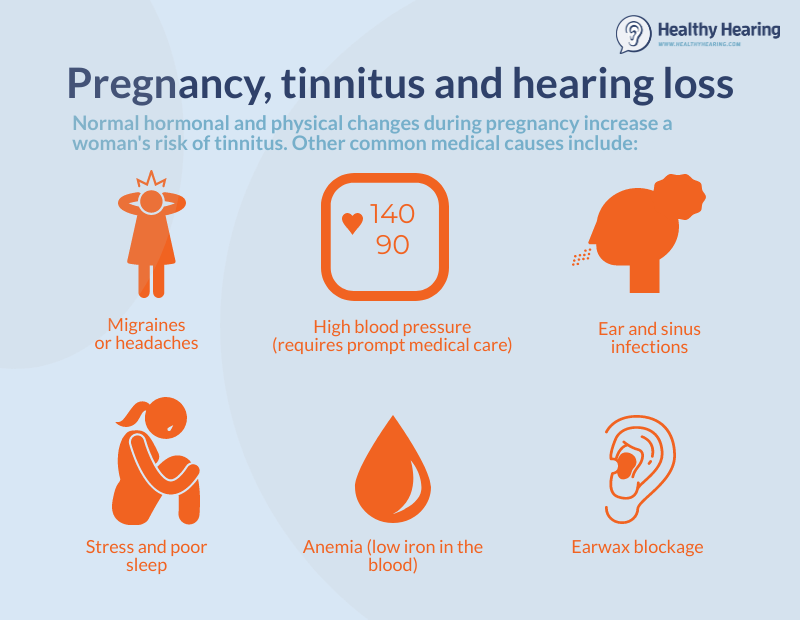
Effects of Pregnancy on Tinnitus
Increased hormone levels during pregnancy
During pregnancy, a woman’s body experiences numerous hormonal changes to support the development of the fetus. Estrogen and progesterone levels rise significantly during this time, and these hormonal fluctuations can potentially affect tinnitus. Research suggests that the increase in these hormones might contribute to changes in the auditory system, leading to an increase in tinnitus perception.
Hormonal changes and their impact on tinnitus
The exact mechanisms by which hormonal changes impact tinnitus during pregnancy are still not fully understood. However, some theories suggest that the increased hormonal levels can affect blood flow in the inner ear or alter the neurotransmitter levels, leading to changes in auditory perception. Additionally, the changes in hormonal balance may also influence the sensitivity of the auditory system, making individuals more susceptible to tinnitus.
Prevalence of tinnitus during pregnancy
Studies have shown that tinnitus is relatively common during pregnancy, affecting approximately 30% of expectant mothers. The severity and duration of tinnitus may vary among individuals, and it is important for pregnant women experiencing tinnitus to consult with their healthcare provider for proper evaluation and management.
Effects of Menopause on Tinnitus
Hormonal fluctuations during menopause
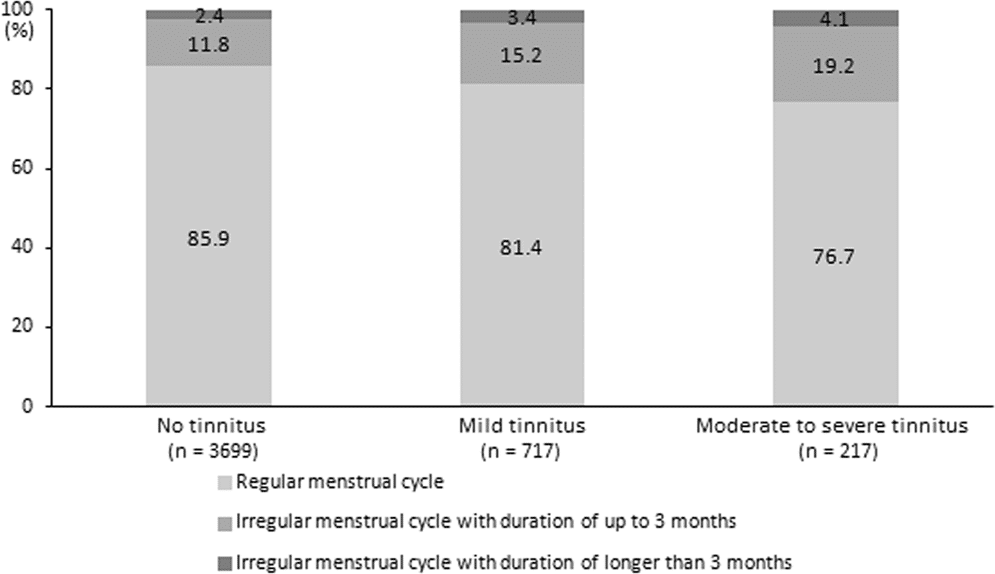
Menopause, the natural process marking the end of a woman’s reproductive years, involves significant hormonal fluctuations. As the body ceases to produce estrogen and progesterone, there can be noticeable effects on various bodily systems, including the auditory system. These hormonal changes can potentially impact tinnitus perception among menopausal women.
Link between menopause and tinnitus
Research suggests a link between menopause and an increased prevalence of tinnitus in women. Estrogen, in particular, has been identified as a key hormone that can influence tinnitus. As estrogen levels decline during menopause, it may lead to changes in the auditory system, resulting in an increase in tinnitus symptoms. Additionally, hormonal imbalances during menopause may exacerbate existing tinnitus or even trigger it in some cases.
Prevalence of tinnitus during menopause
The prevalence of tinnitus tends to increase during menopause, affecting approximately 30-40% of women in this stage of life. The severity and impact of tinnitus can vary among individuals, with some women experiencing bothersome symptoms that interfere with their daily lives. Seeking professional medical advice is crucial for proper evaluation and management of menopause-related tinnitus.
Estrogen and Tinnitus
Role of estrogen in tinnitus
Estrogen, a hormone primarily associated with female reproductive health, also plays a role in various physiological processes throughout the body. It has been found to have a complex relationship with tinnitus. Estrogen receptors are present in the auditory system, and fluctuations in estrogen levels can potentially influence auditory function, leading to changes in tinnitus perception.
Impact of estrogen fluctuations on tinnitus
When estrogen levels fluctuate, such as during pregnancy or menopause, it can affect the neurotransmitter systems involved in auditory processing. This can result in alterations in the activity of the auditory pathways and contribute to the development or exacerbation of tinnitus. Additionally, estrogen’s role in regulating blood flow may also influence the inner ear’s function and contribute to tinnitus symptoms.
Progestogen and Tinnitus
Role of progestogen in tinnitus
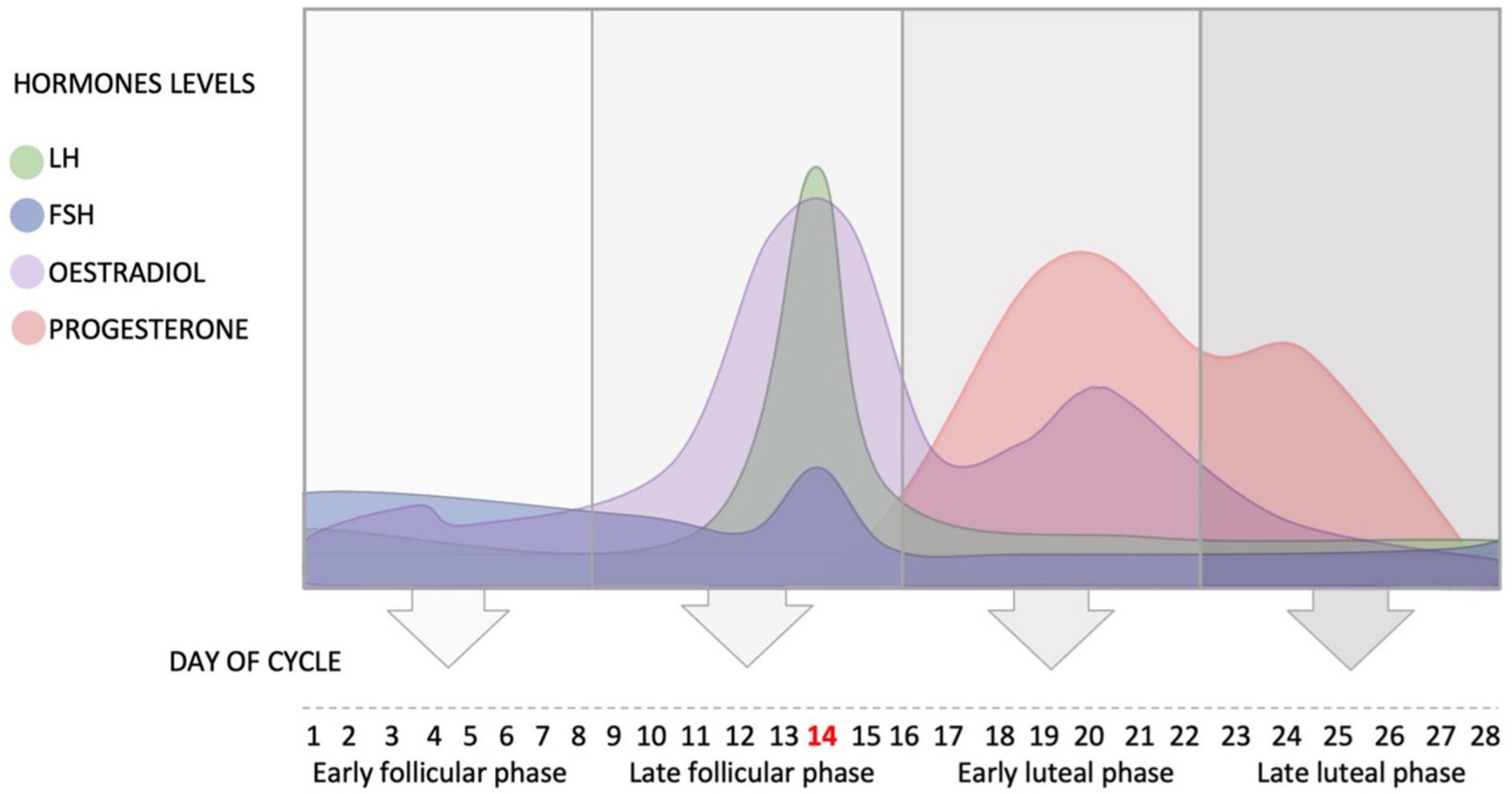
Progestogen, another hormone involved in reproductive processes, can also impact tinnitus. While research on the specific relationship between progestogen and tinnitus is limited, some studies suggest that fluctuations in progestogen levels might affect auditory function and contribute to tinnitus symptoms.
Effects of progestogen fluctuations on tinnitus
Progestogen is known to have modulatory effects on the auditory system and can influence the transmission of sound signals. Fluctuations in progestogen levels, as seen during pregnancy or the menstrual cycle, may disrupt this modulation and contribute to changes in tinnitus perception. However, further research is needed to fully understand the mechanisms underlying the relationship between progestogen and tinnitus.
Testosterone and Tinnitus
Role of testosterone in tinnitus
Although often associated with male development, testosterone is present in both males and females and plays a role in various physiological processes. Testosterone receptors have been found in the auditory system, suggesting a potential role in auditory function and tinnitus perception.
Impact of testosterone fluctuations on tinnitus
Fluctuations in testosterone levels may influence auditory processing and impact tinnitus perception. Research suggests that low testosterone levels in men could be associated with a higher prevalence of tinnitus. However, the specific mechanisms by which testosterone affects tinnitus are still not fully understood, and further studies are required to gain more insights into this relationship.

Thyroid Hormones and Tinnitus
Role of thyroid hormones in tinnitus
Thyroid hormones, including thyroxine (T4) and triiodothyronine (T3), play a crucial role in regulating the body’s metabolism. Imbalances in thyroid hormone levels, such as hypothyroidism or hyperthyroidism, can affect various bodily systems, including the auditory system.
Effects of thyroid hormone imbalances on tinnitus
Thyroid hormone imbalances can lead to alterations in the auditory system and contribute to tinnitus symptoms. Hypothyroidism, characterized by low thyroid hormone levels, has been associated with an increased prevalence of tinnitus. On the other hand, hyperthyroidism, marked by high thyroid hormone levels, may also influence tinnitus perception. Proper evaluation and management of thyroid hormone levels are essential for individuals experiencing tinnitus related to thyroid dysfunction.
Cortisol and Tinnitus
Role of cortisol in tinnitus
Cortisol, known as the stress hormone, is produced by the adrenal glands and plays a significant role in the body’s stress response. Fluctuations in cortisol levels can potentially impact tinnitus, as stress has been recognized as a common trigger for tinnitus symptoms.
Effects of cortisol fluctuations on tinnitus
Stress-related increases in cortisol levels may contribute to the onset or exacerbation of tinnitus. Stress can influence neural activity in the auditory system, leading to changes in tinnitus perception. Additionally, high cortisol levels may also affect the body’s immune response and inflammatory processes, potentially contributing to tinnitus symptoms. Managing stress levels through relaxation techniques, counseling, or other stress-reducing interventions may help alleviate tinnitus symptoms related to cortisol fluctuations.
Melatonin and Tinnitus
Role of melatonin in tinnitus
Melatonin, a hormone primarily associated with regulating sleep-wake cycles, has also been linked to tinnitus. Melatonin is involved in various physiological processes, including antioxidant effects and modulation of neurotransmitter activity, which may have implications for tinnitus.
Impact of melatonin imbalances on tinnitus
Melatonin imbalances, such as reductions in its levels, have been associated with an increased prevalence of tinnitus. The antioxidant properties of melatonin may help reduce oxidative stress in the auditory system, which can contribute to tinnitus development or exacerbation. Additionally, melatonin’s role in neurotransmitter modulation may influence auditory processing and tinnitus perception. Further research is needed to fully understand the relationship between melatonin and tinnitus and explore its potential therapeutic implications.
Progesterone and Tinnitus
Role of progesterone in tinnitus
Progesterone, a hormone involved in the menstrual cycle and pregnancy, may also play a role in tinnitus. While research is limited regarding the specific relationship between progesterone and tinnitus, some studies suggest a potential influence of progesterone levels on auditory function.
Impact of progesterone imbalances on tinnitus
Fluctuations in progesterone levels, such as those experienced during the menstrual cycle or menopause, may affect auditory processing and contribute to tinnitus symptoms. However, further research is needed to uncover the underlying mechanisms and fully understand the relationship between progesterone and tinnitus.
In conclusion, hormones can have a significant impact on tinnitus, and changes in hormone levels during pregnancy or menopause can potentially influence tinnitus perception. Estrogen, progestogen, testosterone, thyroid hormones, cortisol, melatonin, and progesterone all play distinct roles in the auditory system and may contribute to the development or exacerbation of tinnitus symptoms. Understanding the interplay between hormonal fluctuations and tinnitus can aid in the development of effective management strategies for individuals experiencing tinnitus related to hormonal changes. If you are concerned about tinnitus symptoms, it is important to consult with a healthcare professional for proper evaluation and guidance.