
Have you ever wondered which fruits can be enjoyed without the worry of sugar? In a world where sugar seems to be lurking in every corner, finding refreshing and satisfying fruits that contain little to no sugar can be quite the mission. Fear not; this journey leads to delicious and healthy options that fit the bill perfectly.
Understanding Sugar in Fruits
Before we jump into specific fruits that have little to no sugar, it’s essential to understand the role sugar plays in the fruit we consume. Fruits contain natural sugars, like fructose, which provide energy alongside various vitamins, minerals, and fiber. However, if you’re mindful of your sugar intake, perhaps due to dietary restrictions or simply a desire for a healthier lifestyle, keeping track of sugar levels becomes necessary.
Fruits vary in their sugar content. Some are bursting with sweetness, while others are refreshingly tart or even savory. A careful approach allows you to enjoy the various flavors without compromising your health goals.
The Gist of Fruit Sugars
-
Natural Sugars vs. Added Sugars: Natural sugars are those found in fruits, whereas added sugars are introduced in processed foods. While your body handles natural sugars differently, it’s still crucial to monitor your total intake.
-
Glycemic Index: This index measures how quickly certain foods raise blood sugar levels. Fruits with a lower glycemic index are often better choices if you want to keep your sugar levels stable.
-
Fiber Content: High-fiber fruits can slow down the absorption of sugar in your bloodstream, making them a more favorable option even if they contain some sugar.
Understanding these concepts provides you with a framework to make informed choices about which fruits to enjoy.
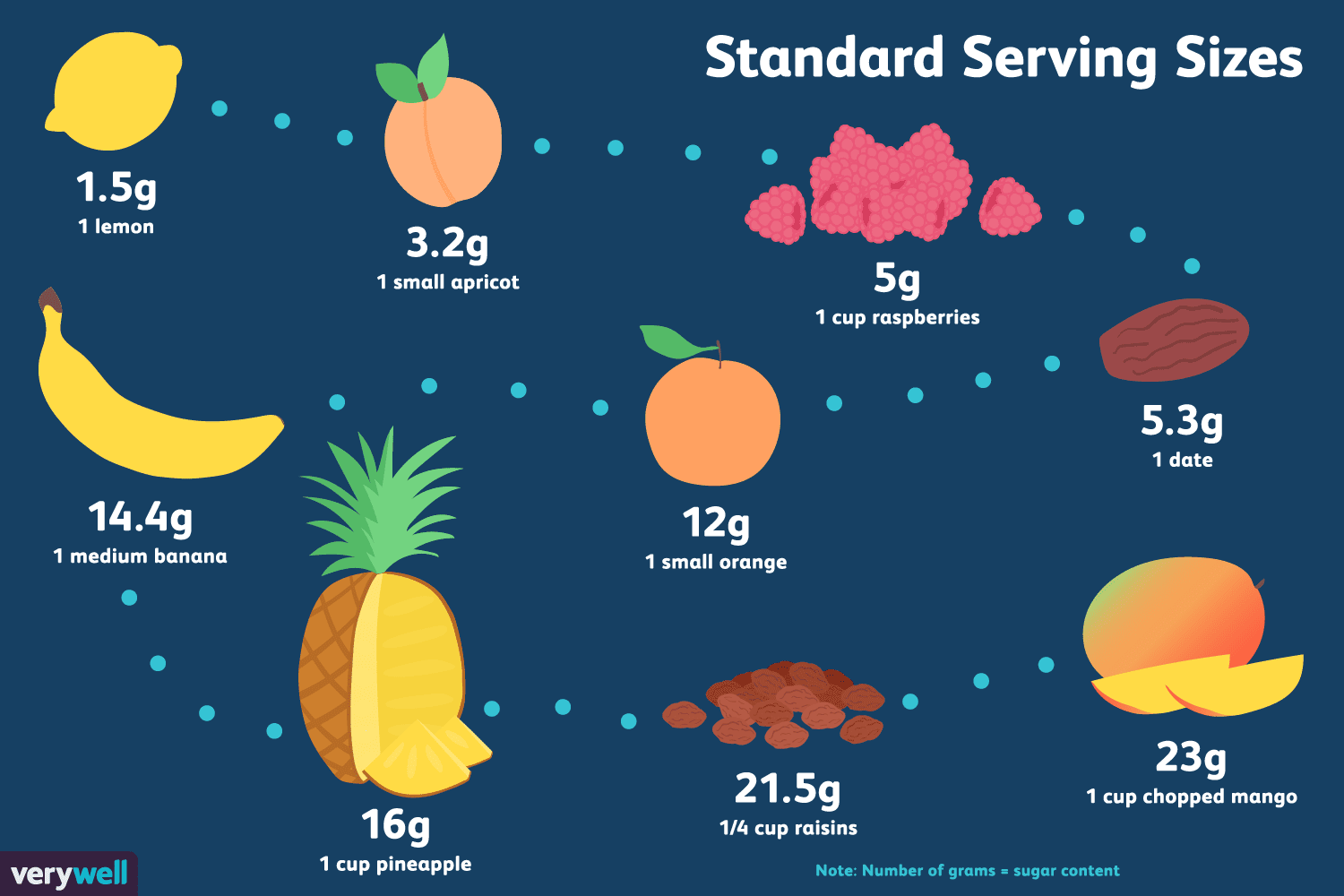
Fruits with Low to No Sugar
Now, let’s discuss the fruits that contain little to no sugar. These fruits can be your allies, whether you’re on a low-sugar diet or simply looking for wholesome and nutritious snacks.
Avocado
You might be taken aback to see this creamy delight included in a discussion about fruits, but yes, avocado is technically a fruit! Avocados are unique because they have minimal sugar content—almost none at all.
- Sugar Content: Approximately 0.2 grams of sugar per 100 grams.
- Health Benefits: Rich in healthy fats, fiber, vitamins E and C, and potassium, avocados may help regulate blood sugar levels and improve heart health.
Enjoy your avocado sliced on toast, blended into smoothies, or as guacamole, and relish its buttery texture without fear of sugar!
Olives
Another surprising fruit on this list is the humble olive. Known for their briny flavor, olives contain very little sugar and are often celebrated for their health perks.
- Sugar Content: About 0.5 grams per 100 grams.
- Health Benefits: Olives are packed with healthy fats, antioxidants, and iron, supporting heart health and reducing inflammation.
You can snack on olives alone or toss them into salads for a savory kick, embracing their low-sugar profile.
Tomatoes
While they may be commonly classified as vegetables, tomatoes are indeed fruits. These juicy orbs offer a delightful taste while keeping sugar levels in check.
- Sugar Content: Around 2.6 grams per 100 grams.
- Health Benefits: Tomatoes are an excellent source of vitamins A and C, potassium, and antioxidants like lycopene, which may support heart health and skin protection.
Enjoy fresh tomato slices in salads, sauces, or as a base for your favorite dishes, all while enjoying their low sugar content.
Rhubarb
Although often mistaken for a fruit, rhubarb is technically a vegetable. It’s known for its tartness and is often used in desserts but remains low in sugar.
- Sugar Content: Approximately 1.1 grams per 100 grams.
- Health Benefits: Rich in fiber and vitamin K, rhubarb also boasts antioxidant properties, which can support overall health.
Rhubarb can be cooked into a delicious compote, added to pies, or blended into smoothies, allowing you to enjoy its unique flavor with minimal sugar.
Raspberries
As you continue this journey, consider the petite and delightful raspberry. These berries offer a burst of flavor while keeping you on the low-sugar path.
- Sugar Content: About 4.4 grams per 100 grams.
- Health Benefits: Raspberries are high in fiber, antioxidants, and vitamins C and K, offering numerous health benefits, including potential anti-inflammatory effects.
Snack on fresh raspberries, toss them into yogurt or salads, or blend them into smoothies for a refreshing treat!
Strawberries
Like raspberries, strawberries are another flavorful option that doesn’t set off alarm bells in the sugar department. Their sweetness is simply irresistible and comes with health rewards.
- Sugar Content: Approximately 4.9 grams per 100 grams.
- Health Benefits: Strawberries are loaded with antioxidants, vitamin C, and folate, contributing to cardiovascular health and boosting immunity.
Enjoy strawberries fresh, dipped in dark chocolate, or blended into smoothies, all while keeping sugar intake minimal.
Blackberries
These luscious, dark-fruit gems are not only delightful but also a healthy addition to your diet. Blackberries offer a hint of sweetness with a bold flavor.
- Sugar Content: About 4.9 grams per 100 grams.
- Health Benefits: Rich in vitamins C and K, fiber, and antioxidants, blackberries can support digestion and overall health.
Snack on blackberries fresh, blend them in smoothies, or use them in desserts to satisfy your sweet tooth with less sugar.
Cantaloupe
This refreshing melon has a high water content and a naturally sweet taste, making it a perfect low-sugar fruit for warmer days.
- Sugar Content: Around 7.9 grams per 100 grams.
- Health Benefits: Cantaloupe is a good source of vitamins A and C, hydration, and antioxidants, promoting skin health and immunity.
Savor cantaloupe fresh, in fruit salads, or blended into smoothies for a sweet treat that won’t spike your sugar levels.
Honeydew Melon
Similar to cantaloupe, honeydew melon is another low-sugar fruit packed with moisture and flavor.
- Sugar Content: About 8 grams per 100 grams.
- Health Benefits: Honeydew is rich in vitamin C and potassium, which can promote hydration and heart health.
Enjoy honeydew fresh, add it to salads, or blend it into refreshing smoothies while keeping your sugar intake low.
Grapefruit
With its tart flavor, grapefruit stands out as a citrus fruit that brings both zest and health benefits.
- Sugar Content: Approximately 7 grams per 100 grams.
- Health Benefits: Grapefruit offers vitamin C, fiber, and other antioxidants, which may promote weight loss and lower cholesterol.
Juice your grapefruit, add it to salads, or eat it fresh to enjoy all the benefits with minimal sugar.
Lemons and Limes
These zesty fruits are often overlooked but are incredibly low in sugar and versatile in cooking and baking.
- Sugar Content: Lemons have about 2.5 grams, and limes about 1.1 grams per 100 grams.
- Health Benefits: Both fruits are excellent sources of vitamin C and antioxidants, promoting skin health and digestion.
Use lemons and limes to add flavor to water, dressings, and marinades, enhancing meals while keeping sugar content negligible.
Cranberries
These tart berries may not be a household favorite for fresh snacking, yet they are low in sugar and can be enjoyed in different forms.
- Sugar Content: Approximately 4.3 grams per 100 grams.
- Health Benefits: Cranberries can support urinary tract health and are rich in vitamins C and fiber.
Fresh cranberries can be tart, but you could incorporate them into sauces or use dried unsweetened cranberries for a delightful snack.
Passion Fruit
Crafted with a unique flavor that combines sweetness and tartness, passion fruit is a lovely choice for a low-sugar fruit.
- Sugar Content: Approximately 11 grams per 100 grams, but smaller amounts are typically consumed.
- Health Benefits: Passion fruit is high in dietary fiber, vitamins A and C, and antioxidants.
Enjoy the pulp of fresh passion fruit in smoothies, desserts, or as a topping for yogurt to relish its flavorful burst without overwhelming sugar.
Final Thoughts on Low-Sugar Fruits
The world of fruits is vast and fascinating. Even within the realm of fruits with low sugar, variety abounds. You have the option of incorporating these delightful offerings into your daily diet.
Consider your needs and preferences as you choose. Whether you simply enjoy the fresh taste of berries or relish the creamy texture of avocados, celebrating your choices should never come at the cost of enjoyment or health.
How to Incorporate Low-Sugar Fruits into Your Diet
Finding ways to include these low-sugar fruits in your meals and snacks can be a fun culinary adventure! Here are some ideas to get you started:
-
Smoothies: Blend together your favorite low-sugar fruits for a refreshing drink. Consider a combination of spinach, avocado, and berries for a nutrient-packed treat.
-
Salads: Toss diced fruits into salads for a burst of flavor. Avocado pairs beautifully with leafy greens, and adding a squeeze of lemon enhances the taste.
-
Snacking: Keep bowls of fresh berries, olives, and cucumber slices on hand for quick and satisfying snacks. Pair with hummus or yogurt for added flavor.
-
Desserts: Use low-sugar fruits in desserts like fruit salads, sorbets, or as toppings for cakes and yogurts. Consider rhubarb pie or a fresh berry crumble made with almond flour for a healthier twist.
-
Savory Dishes: Incorporate fruits like tomatoes and avocados into savory dishes. Try tomato-based sauces or avocado spread on sandwiches and tacos.
-
Beverages: Create refreshing beverages with lemon, lime, or grapefruit. Infuse water with slices of these fruits for a tasty and hydrating option.
A Balanced Approach
Remember, fruit is just one part of a balanced diet. While low-sugar options are fantastic, it’s crucial to maintain variety in your meals. Incorporate a range of food groups—such as vegetables, whole grains, proteins, and healthy fats—while enjoying the benefits of fruit.
Ultimately, the most important aspect of your diet is finding what works for you. Enjoy your journey towards healthier eating with a variety of fruits that fit your needs!
Conclusion
In a world where sugar often takes center stage, discovering fruits that allow for guilt-free enjoyment can be a game-changer. Whether it’s the creamy avocado, the zesty grapefruit, or the refreshing berries, a wide range of low-sugar fruits awaits your palate.
Take pride in your ability to make dietary choices that support your health and well-being. The right fruits can enhance your meals while savoring their natural flavors. So go ahead, embrace the delicious possibilities that these fruits offer and relish every bite!
