
Menopause is a natural phase in a woman’s life, marking the end of her reproductive years. As you transition through this stage, your body undergoes significant hormonal changes, particularly a decrease in estrogen levels. This hormonal shift can lead to various physical and emotional symptoms, one of the most common being dryness.
Menopause dryness can affect multiple areas of your life, including your skin, hair, and intimate regions. Understanding this condition is crucial for managing its effects and maintaining your overall well-being. The dryness experienced during menopause is not merely a cosmetic issue; it can have profound implications for your quality of life.
Vaginal dryness, for instance, can lead to discomfort during intercourse, affecting intimate relationships and self-esteem. Similarly, skin dryness can result in irritation and a loss of elasticity, making you feel less confident in your appearance. Recognizing that these changes are a normal part of aging can help you approach menopause with a more positive mindset, empowering you to seek solutions that enhance your comfort and health.
Key Takeaways
- Menopause dryness is a common symptom of menopause, caused by a decrease in estrogen levels.
- Common symptoms of menopause dryness include vaginal dryness, itching, and discomfort during intercourse.
- Natural remedies for menopause dryness include using water-based lubricants, staying hydrated, and avoiding irritants like douches and scented products.
- Dietary changes to alleviate menopause dryness include increasing intake of omega-3 fatty acids, vitamin E, and foods rich in phytoestrogens.
- Herbal supplements such as black cohosh, red clover, and evening primrose oil may help alleviate menopause dryness.
Common Symptoms of Menopause Dryness
As you navigate through menopause, you may encounter a range of symptoms associated with dryness. Vaginal dryness is perhaps the most well-known symptom, characterized by a lack of moisture that can lead to discomfort or pain during sexual activity. This condition can also result in increased susceptibility to urinary tract infections and other complications.
You might find that this symptom not only affects your physical comfort but also impacts your emotional well-being and relationships. In addition to vaginal dryness, you may experience skin changes that manifest as dryness, itchiness, or even flakiness. The decrease in estrogen can lead to a reduction in collagen production, which is essential for maintaining skin elasticity and hydration.
You might notice that your skin feels rougher or appears duller than before. Furthermore, hair may become thinner and drier, leading to an overall change in your appearance that can be disheartening. Recognizing these symptoms as part of the menopausal journey can help you take proactive steps toward alleviating discomfort.
Natural Remedies for Menopause Dryness
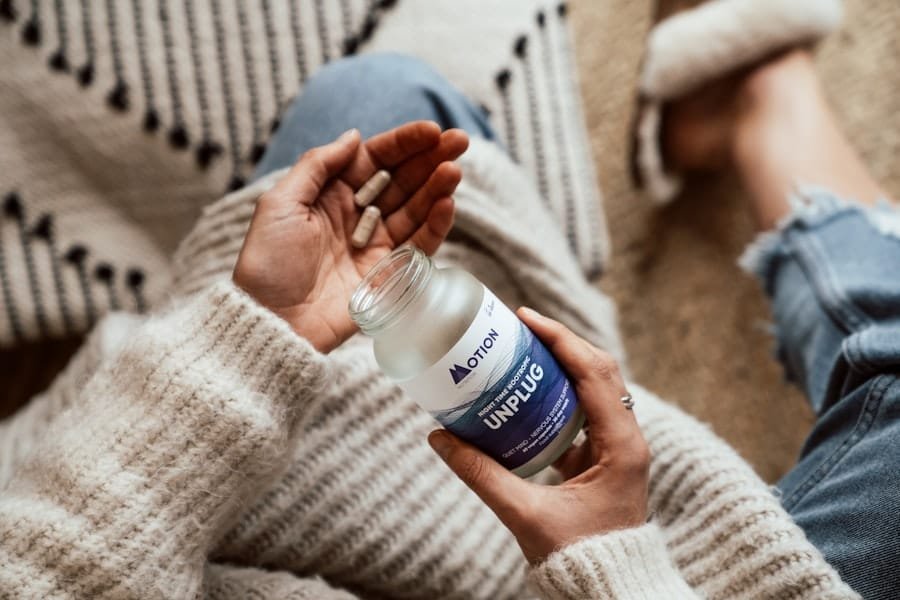
When it comes to managing menopause dryness, many women prefer to explore natural remedies before turning to pharmaceutical options. One effective approach is the use of natural moisturizers. For instance, coconut oil is a popular choice due to its hydrating properties and ability to soothe irritated skin.
You might consider applying it to both your skin and intimate areas to alleviate dryness and enhance comfort. Additionally, aloe vera gel is another natural remedy known for its soothing effects, making it an excellent option for those experiencing vaginal dryness. Another natural remedy worth considering is the incorporation of essential oils into your daily routine.
Oils such as lavender and chamomile not only provide a pleasant aroma but also possess anti-inflammatory properties that can help soothe dry skin. You could create a relaxing bath by adding a few drops of these oils to warm water, allowing you to unwind while simultaneously addressing dryness. Remember that while natural remedies can be effective, it’s essential to perform a patch test first to ensure you don’t have any adverse reactions.
Dietary Changes to Alleviate Menopause Dryness
Your diet plays a significant role in managing menopause dryness. Incorporating foods rich in omega-3 fatty acids can be particularly beneficial. Fatty fish like salmon and mackerel are excellent sources of these healthy fats, which help maintain skin hydration and elasticity.
You might also consider adding flaxseeds or walnuts to your meals, as they are plant-based sources of omega-3s that can support overall skin health. In addition to omega-3s, increasing your intake of fruits and vegetables can provide essential vitamins and antioxidants that promote skin hydration. Foods high in vitamin E, such as almonds and spinach, can help protect your skin from oxidative stress while keeping it moisturized.
Staying hydrated is equally important; drinking plenty of water throughout the day can help combat dryness from the inside out. By making these dietary changes, you can create a supportive environment for your body during this transitional phase.
Herbal Supplements for Menopause Dryness
Herbal supplements have gained popularity as a means to alleviate menopause dryness and other related symptoms. One well-known option is black cohosh, which has been used for centuries to address menopausal discomfort. This herb may help balance hormone levels and reduce symptoms like hot flashes and vaginal dryness.
If you’re considering black cohosh or any other herbal supplement, it’s wise to consult with a healthcare professional to ensure it’s appropriate for your individual needs. Another herbal supplement worth exploring is evening primrose oil. Rich in gamma-linolenic acid (GLA), this oil may help improve skin hydration and elasticity while also addressing hormonal imbalances.
You might find that incorporating these supplements into your routine provides relief from dryness and enhances your overall sense of well-being during menopause. However, always remember that herbal remedies can interact with medications or have side effects, so it’s crucial to approach them with caution.
Lifestyle Changes to Manage Menopause Dryness
Making certain lifestyle changes can significantly impact how you experience menopause dryness. Regular exercise is one such change that can improve circulation and promote overall health. Engaging in activities like yoga or swimming not only helps maintain physical fitness but also reduces stress levels, which can exacerbate symptoms of dryness.
You might find that incorporating regular movement into your routine enhances both your physical and emotional well-being. Additionally, prioritizing self-care practices can make a world of difference in managing menopause dryness. Consider establishing a skincare routine that includes gentle cleansers and hydrating moisturizers tailored to your skin type.
You could also explore relaxation techniques such as meditation or deep breathing exercises to help manage stress levels effectively. By focusing on self-care and adopting a holistic approach to your health, you can create a supportive environment for yourself during this transitional period.
Alternative Therapies for Menopause Dryness
Alternative therapies offer another avenue for addressing menopause dryness and its associated symptoms. Acupuncture is one such therapy that has gained recognition for its potential benefits in balancing hormones and alleviating discomfort during menopause. By targeting specific points on the body, acupuncture may help improve blood flow and reduce symptoms like vaginal dryness and hot flashes.
If you’re open to trying alternative therapies, seeking out a qualified practitioner could be a worthwhile investment in your health. Another alternative therapy worth considering is aromatherapy. The use of essential oils through diffusers or topical applications can create a calming atmosphere while providing potential relief from dryness-related symptoms.
Oils like geranium or clary sage are often recommended for their hormone-balancing properties. You might find that incorporating these therapies into your routine not only addresses physical discomfort but also enhances your overall sense of well-being during this transitional phase.
Consulting a Healthcare Professional for Menopause Dryness
While many women find relief through natural remedies and lifestyle changes, consulting a healthcare professional is essential when dealing with menopause dryness. A qualified practitioner can provide personalized guidance based on your unique health history and symptoms. They may recommend specific treatments or therapies tailored to your needs, ensuring you receive the most effective care possible.
Additionally, discussing your symptoms openly with a healthcare provider can help alleviate any concerns you may have about menopause dryness. They can offer reassurance and support while helping you navigate this transitional phase with confidence. Whether you’re considering hormone replacement therapy or exploring alternative options, having a professional by your side can empower you to make informed decisions about your health and well-being during menopause.
In conclusion, understanding menopause dryness is crucial for managing its effects on your life effectively. By recognizing common symptoms and exploring various remedies—ranging from dietary changes to alternative therapies—you can take proactive steps toward enhancing your comfort during this transitional phase. Remember that seeking guidance from healthcare professionals is vital in ensuring you receive personalized care tailored to your unique needs.
Embracing this journey with knowledge and support will empower you to navigate menopause with confidence and grace.
FAQs
What is menopause dryness?
Menopause dryness refers to the vaginal dryness and discomfort that many women experience during and after menopause. It is caused by a decrease in estrogen levels, which can lead to thinning and inflammation of the vaginal walls.
What are the symptoms of menopause dryness?
Symptoms of menopause dryness may include vaginal dryness, itching, burning, discomfort during intercourse, and an increased risk of urinary tract infections.
What are some natural remedies for menopause dryness?
Some natural remedies for menopause dryness include using water-based lubricants during intercourse, practicing pelvic floor exercises (Kegels), using vaginal moisturizers, and consuming foods rich in phytoestrogens such as soy and flaxseeds.
Are there any dietary changes that can help with menopause dryness?
Yes, consuming a diet rich in phytoestrogens, such as soy products, flaxseeds, and legumes, may help alleviate symptoms of menopause dryness. Additionally, staying hydrated and consuming foods high in omega-3 fatty acids may also be beneficial.
Can herbal supplements help with menopause dryness?
Some women find relief from menopause dryness by using herbal supplements such as black cohosh, red clover, and evening primrose oil. However, it is important to consult with a healthcare professional before using any herbal supplements, as they may interact with other medications or have potential side effects.