
How To Talk To Your Doctor About Diabetes
Managing diabetes is a journey that often requires a collaborative effort between you and your healthcare provider. Open communication is crucial not only for your understanding of diabetes but also for effective management of the condition. This article will guide you on how to approach the topic of diabetes with your doctor, ensuring that you both are on the same page.
Understanding Diabetes: What You Need To Know
Before diving into conversations with your doctor, it’s important to have a basic understanding of diabetes itself. Diabetes is a chronic condition characterized by elevated blood sugar levels. There are two primary types: Type 1, which is usually diagnosed in children and young adults, and Type 2, which is more common and often linked to lifestyle choices. Educating yourself about diabetes can empower you to communicate more effectively with your healthcare provider.
Understanding the symptoms of diabetes, such as increased thirst, frequent urination, and fatigue, can help you describe any issues you may be facing. Knowledge of the potential complications, such as heart disease, nerve damage, and kidney problems, can also provide context for your discussions. The more informed you are, the better equipped you’ll be to ask the right questions and advocate for your own health.
Preparing for Your Appointment
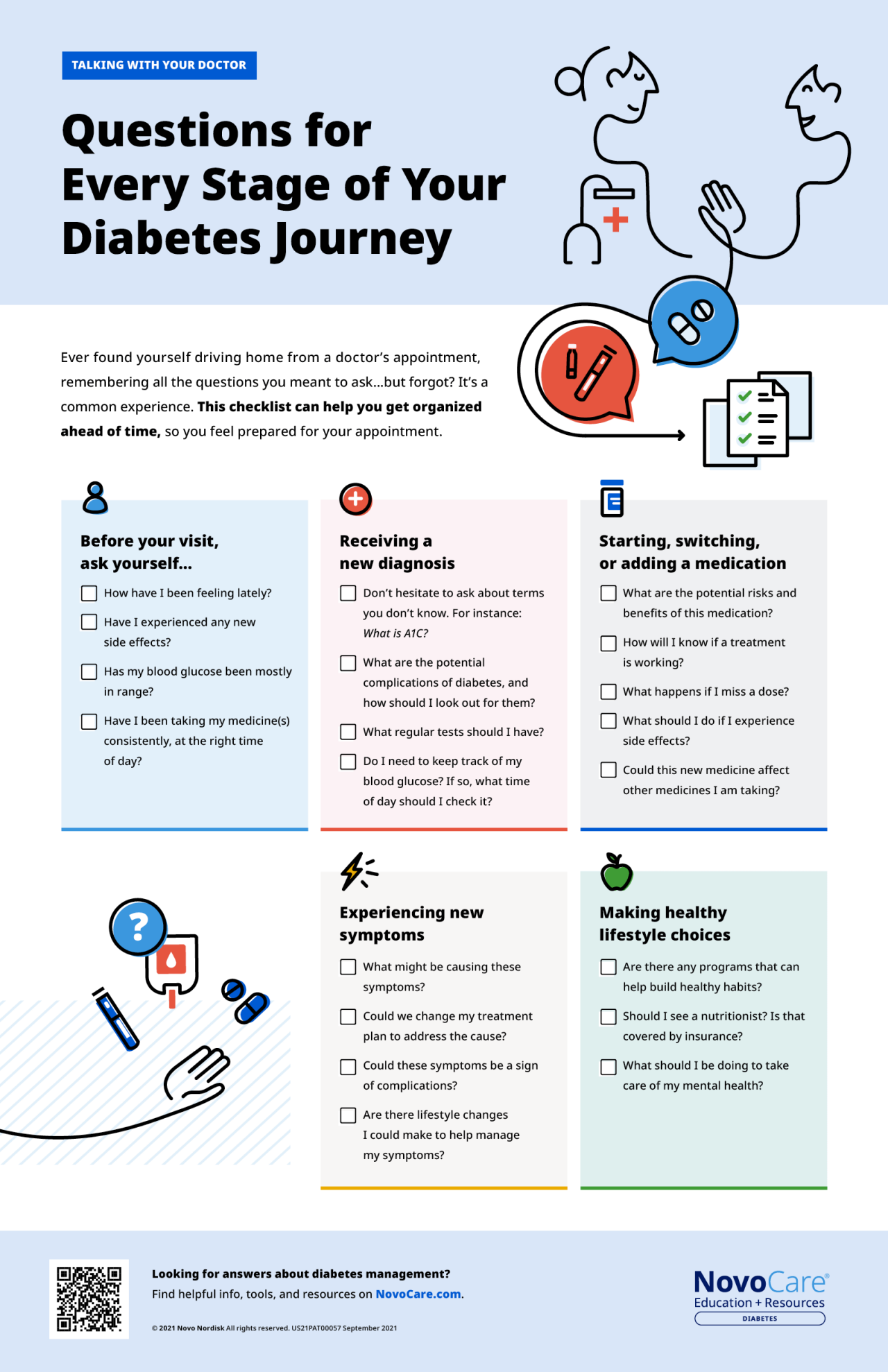
Preparation is key when it comes to discussing diabetes with your doctor. Start by making a list of any symptoms you’re experiencing, no matter how small you might think they are. Additionally, jot down your concerns or questions so you won’t forget them during the appointment.
Consider keeping track of your blood sugar levels if you have a monitor. Bringing this data to your appointment can provide tangible evidence of your current state and help your doctor understand how well your diabetes management plan is working. Also, note any changes in lifestyle since your last visit, such as alterations in diet or exercise habits, and be prepared to discuss these changes openly.
Lastly, it can be helpful to bring along someone you trust to the appointment. This person can help you remember the information discussed and provide emotional support, making it easier to voice your questions and concerns.

Starting the Conversation
Once you’re at your appointment, initiating the conversation about diabetes is often the hardest part. Begin by expressing your concerns right away. You might say something like, “I’ve been having trouble managing my blood sugar levels,” or “I’ve noticed some symptoms that I’m worried about.” This sets a collaborative tone right from the start and lets your doctor know you’re engaged in your own health care.
Be open about any fears or anxieties you might have regarding diabetes. Sharing your emotional state can help your doctor understand your perspective better, which is crucial for creating a supportive and effective treatment plan. Remember that your doctor is there to help you, and they want to hear about your experience.
Asking the Right Questions
Once the conversation is underway, don’t hesitate to ask questions. Inquiring about your diagnosis, treatment options, or any other aspects of diabetes can provide clarity and reassurance. Questions might include:
- “Can you explain what my blood tests mean?”
- “What are the best dietary choices I should be making?”
- “How should I monitor my blood sugar levels effectively?”
Tailoring your questions to your personal experiences is vital. Your concerns are valid, and there’s no such thing as a silly question when it comes to your health. Asking for clarification on medical terms or advice that feels ambiguous is essential too; it’s your right to fully understand your health.

Discussing Treatment Options
In your conversation, treatment plans for diabetes are a crucial topic to address. There are multiple methods to manage diabetes, including medication, dietary changes, and exercise. Ask your doctor about the various options available to you and don’t shy away from discussing any past experiences you’ve had with different treatments.
It’s equally important to inquire about the pros and cons of each treatment. This will empower you to weigh your options and make informed decisions regarding your care. Additionally, don’t forget to talk about your preferences. Are you more comfortable with lifestyle changes, or are you open to medication? Your input is invaluable, so make sure your preferences are considered.
Managing Diet and Nutrition
Diet plays a significant role in managing diabetes, and you should feel comfortable discussing your eating habits with your doctor. Be candid about your typical meals, snacks, and cravings. If you have specific dietary restrictions or preferences (such as vegetarianism or allergies), mentioning these can help your doctor tailor recommendations to suit your needs.
Ask your doctor for guidance on what a balanced meal looks like for someone with diabetes. It may be beneficial to inquire about specific foods to avoid or include in your diet. Nutritional education is a vital part of managing diabetes, and your doctor can provide valuable insights.
Furthermore, if you are working with a dietitian, mention this during your conversation. The more information your doctor has about your current dietary habits and resources, the more holistic your treatment plan can be.

Discussing Physical Activity
In addition to diet, physical activity is a crucial element in managing diabetes. When discussing your health with your doctor, bring up your current exercise routine or any obstacles you face when trying to stay active. Whether you’re struggling to find time for workouts or simply don’t enjoy traditional forms of exercise, be honest about it.
Ask your doctor what types of physical activity might be best suited for your lifestyle and health status. They can provide guidance on creating a balanced exercise routine, recommending activities that you might find enjoyable or manageable. Physical activity can also help regulate blood sugar levels, so find ways to incorporate it into your routine that feel rewarding and less burdensome.
Addressing Emotional and Mental Health
It’s essential to recognize that diabetes affects not just your physical health but also your emotional and mental well-being. Be open about any feelings of anxiety, depression, or frustration you may experience in relation to managing your diabetes. Your doctor will appreciate your honesty and can provide or suggest coping strategies.
Discussing mental health can also lead to referrals for counseling or support programs. Many individuals benefit from talking to a mental health professional, especially when adapting to lifestyle changes or managing chronic conditions. Prioritizing your emotional health is just as important as managing your physical health, so don’t hesitate to speak up.

Follow-Up Appointments and Monitoring Progress
As your conversation comes to a close, make sure to discuss the next steps regarding your diabetes management. Schedule follow-up appointments to monitor your progress and don’t shy away from asking how frequently you should return for check-ups.
Be sure to inquire about what milestones you should expect in your diabetes management journey. Whether it’s target blood sugar levels or lifestyle adjustments, having clear expectations will help you stay motivated and engaged in your care.
Before leaving, confirm how to best communicate with your doctor in case you have questions in the future. Would email or phone calls work better? Knowing how to reach out can establish a supportive relationship and put your mind at ease.
Embracing a Collaborative Approach
The most important takeaway from your conversations with your doctor is that you are a partner in your diabetes management. Embrace the opportunity to collaborate with your healthcare provider, creating a shared responsibility for your health.
Ensure you express gratitude for their support and understanding throughout your journey. Taking time to acknowledge their expertise can foster a positive dynamic and make future discussions more productive and pleasant.
Conclusion
Talking to your doctor about diabetes can initially seem daunting, but with the right preparation and mindset, it can be an enriching experience that empowers you to take charge of your health. Remember, your doctor is there to guide you on this journey, providing the knowledge and resources you need to manage your condition effectively.
So, take a deep breath, gather your questions, and approach the conversation with confidence. You’re not alone—there are many individuals navigating the complexities of diabetes, and the more open and honest you are with your doctor, the better off you’ll be.
If you found this article helpful, go ahead and clap for it! I appreciate your support, and I encourage you to leave a comment sharing your insights or experiences. Don’t forget to subscribe to my Medium newsletter for updates and more articles related to health and wellness. Here’s to your health and your journey with diabetes!