
The Benefits of Fiber for Diabetes Management
Living with diabetes can often feel like a juggling act, and every person’s experience is uniquely different. However, one thing remains constant: the importance of a balanced diet. A crucial player in this aspect is fiber, a nutrient that can significantly impact your blood sugar levels and overall health. In this article, we’ll explore the many benefits of fiber, how it helps in managing diabetes, and practical ways to incorporate it into your diet.
:max_bytes(150000):strip_icc()/soluble-and-insoluble-fiber-1087462-21c72678948c413183c75d95374b9342.png "The Benefits Of Fiber For Diabetes Management")
What is Fiber?
Before delving into the benefits of fiber, it helps to understand what fiber is. Fiber is a type of carbohydrate found in plant-based foods. Unlike other carbs that are broken down into sugar molecules, fiber isn’t digested in the same way. This unique characteristic means that fiber can play a vital role in managing blood sugar levels. There are two primary types of dietary fiber: soluble and insoluble. Soluble fiber dissolves in water and can help lower blood cholesterol and glucose levels, while insoluble fiber adds bulk to your stool and helps food pass more quickly through the digestive tract. Both types have specific benefits, especially for those managing diabetes.
How Fiber Helps Manage Blood Sugar Levels
The way your body processes food is crucial when managing diabetes, and fiber can be your best ally in this process. Soluble fiber, in particular, slows down the digestion and absorption of sugar, helping to prevent spikes in blood glucose levels. When you consume high-fiber foods, they lead to a gradual release of glucose into the bloodstream, which can help keep your blood sugar levels stable. This steady release is essential for avoiding the rapid highs and lows that can disrupt your day and affect how you feel.
Moreover, fiber-rich foods tend to have a lower glycemic index (GI) compared to their low-fiber counterparts. A lower GI means less of an impact on your blood sugar levels, making these foods safer options for your diabetes management plan. By incorporating more fiber into your meals, you can avoid the “rollercoaster” effect of fluctuating blood sugar.
The Role of Fiber in Weight Management
Managing your weight is a critical part of controlling diabetes, and fiber can be a substantial help in this area as well. High-fiber foods are generally more filling than their low-fiber counterparts, which can help you feel satisfied longer and curb those pesky hunger pangs. This fullness can reduce unnecessary snacking and overconsumption, making it easier to maintain a healthy weight.
Additionally, many fiber-rich foods are lower in calories yet high in nutrients, meaning you can eat more volume without taking in excessive calories. This is particularly beneficial for you if you are looking to lose weight or maintain a healthy weight as part of your diabetes management plan. Remember that being at a healthy weight can improve your body’s ability to manage insulin and blood sugar, ultimately enhancing your overall health.
The Connection Between Fiber and Heart Health
If you have diabetes, you’re at a higher risk for heart disease. Thus, managing your heart health should always be a priority. Here’s where fiber shines again. Numerous studies have linked high fiber intake with reduced risks of cardiovascular disease. Soluble fiber can help reduce levels of LDL cholesterol—also known as “bad” cholesterol—in your bloodstream. This benefit means that including more fiber in your diet can contribute to a healthier heart.
Moreover, a diet rich in fruits, vegetables, whole grains, and legumes—which are excellent sources of fiber—provides your body with antioxidants, vitamins, and minerals that are vital for heart health. As you focus on your diabetes management, remember that taking care of your heart is equally essential.

Fiber and Digestive Health
Your gut health plays a significant role in your overall well-being, and fiber can be key to keeping your digestive system running smoothly. Including adequate fiber in your diet can help prevent constipation, a common concern for many, especially those consuming a low-fiber diet. Fiber adds bulk to your stool, facilitating smoother bowel movements. Moreover, a healthy digestive system ensures that the nutrients from your food are effectively absorbed, which is crucial for managing diabetes.
Regular bowel movements and a balanced gut microbiome, aided by fiber, can also contribute to an improved immune system. Your gut health can indirectly affect your blood sugar levels, as the gut and brain communicate closely about the health of your body. By nurturing your digestive system, you may find additional benefits in your diabetes management journey.
Types of Fiber-Rich Foods to Include
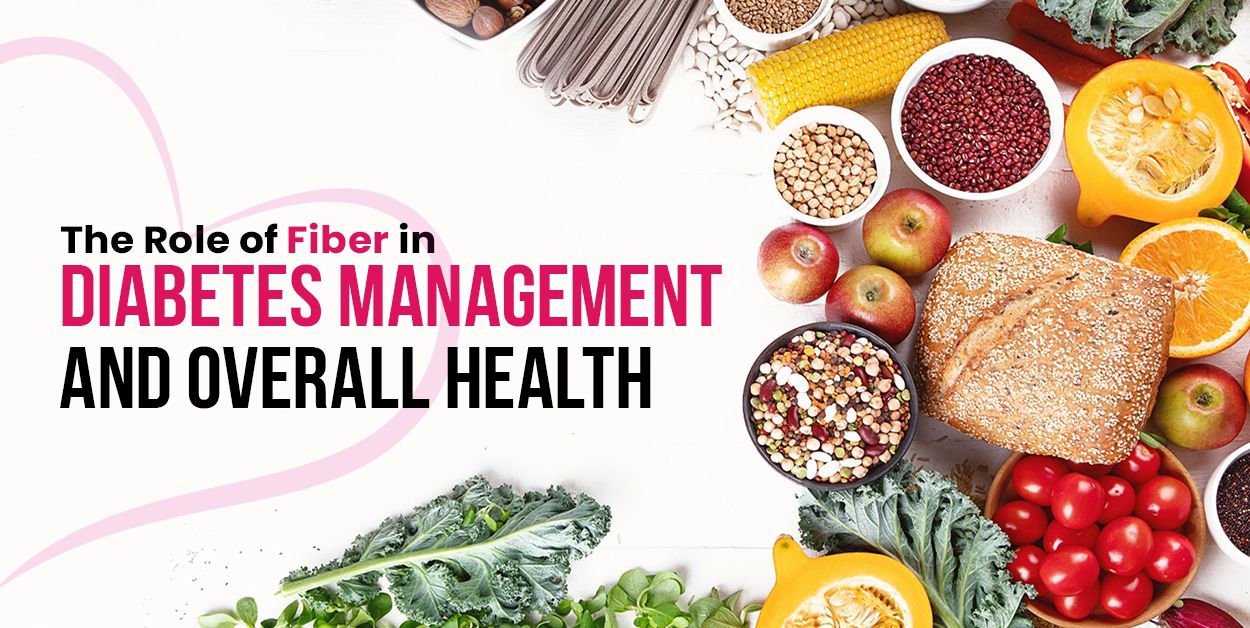
So, how can you increase your fiber intake? Luckily, adding fiber to your diet can be delicious and enjoyable. Start by incorporating whole grains into your meals; think oats, quinoa, brown rice, and whole-grain bread. These grains not only offer you fiber but also essential nutrients that make for a balanced diet.
Fruits and vegetables are also fantastic sources of fiber. Aim for a variety of colors and types to ensure you get a good mix of soluble and insoluble fiber. Think apples, berries, carrots, broccoli, and leafy greens. Lunch and dinner could become more exciting with fiber-rich legumes such as lentils, chickpeas, and black beans thrown into soups and salads or served as a side dish.
Nuts and seeds like almonds, chia seeds, and flaxseeds can also amp up your fiber intake while providing healthy fats. All these delicious options not only help manage your blood sugar levels but can also make your meals more satisfying and enjoyable.

Strategies for Increasing Your Fiber Intake
Incorporating fiber into your diet doesn’t have to feel overwhelming, even if you’re just starting your journey. A good strategy is to introduce fiber gradually to avoid digestive discomfort, especially if your current intake is low. Begin by adding one high-fiber food to each meal. Remember that breakfast can easily include high-fiber foods, so consider oatmeal topped with berries or a smoothie blended with leafy greens.
Snacking is also a great opportunity to incorporate fiber. Instead of reaching for chips or sweets, try having raw veggies with hummus, fresh fruit, or a small handful of nuts. Gradually swapping out refined grains for whole grains to enhance fiber content takes some planning but makes a big difference over time.
Lastly, read food labels when shopping. This practice helps you become more aware of the fiber content in the foods you choose, ensuring you make mindful decisions that align with your health goals.
Potential Challenges with Fiber Intake
While increasing your fiber intake is beneficial, it can come with challenges. One common concern is the initial adjustment period where your digestive system may need time to adapt to the increased fiber. This adjustment can lead to bloating, gas, or discomfort if you introduce too much fiber too quickly. To alleviate this, you can increase your fiber gradually, ensuring your digestive system has time to adjust.
Another obstacle could be finding suitable fiber-rich foods that fit your taste preferences. Not everyone enjoys the same flavor profiles or textures, making it essential to explore various foods and preparations. Don’t hesitate to experiment with cooking methods and spices to find what feels right for you, as there are countless delicious ways to enjoy fiber.
Additionally, remember to stay hydrated. Increasing fiber intake without adequate hydration can lead to constipation. As you introduce more fiber-rich foods, up your water intake to keep things flowing smoothly and to maximize the benefits fiber has to offer.

Consulting a Professional
Considering the complexities involved in managing diabetes, you may find it beneficial to consult with a healthcare professional or dietitian when making significant changes to your diet. They can provide personalized guidance based on your unique health needs, preferences, and lifestyle. They can help create a meal plan that includes the right balance of fiber and other nutrients essential for managing your blood sugar levels.
A healthcare professional can also provide resources and tips for navigating social situations and dining out, ensuring you can maintain your fiber intake even in less controlled environments. Remember, this journey is not just about adding fiber; it’s about building a sustainable and enjoyable lifestyle that supports your health.
The Bottom Line
Incorporating fiber into your diet is a powerful strategy for managing diabetes effectively. From stabilizing blood sugar levels and improving heart health to supporting digestion and aiding in weight management, the benefits are abundant. As you navigate through your dietary choices, remember to embrace this nutrient as an ally in your diabetes management plan.
So, why not take the first step today? Look through your kitchen, think about the meals you enjoy, and consider how you can include more fiber! Your body will thank you, and you may find that making these adjustments feels easier than you initially expected.
If you found this article helpful, please clap for it, leave a comment sharing your thoughts or experiences, and subscribe to my Medium newsletter for more updates on health and wellness topics!