
The Power of Routine in Managing Dementia Symptoms
Dementia can often feel like an overwhelming reality. For you or a loved one navigating these challenges, the world may seem disorienting, unpredictable, and at times, frightening. But it isn’t all unsettling; there is a beacon of hope nestled within the ordinary fabric of daily life. Establishing a routine can be profoundly impactful in managing dementia symptoms. It brings structure and comfort to the chaos, creating an environment that fosters familiarity and emotional stability. In this article, let’s explore the transformative power of routines together, whether you are caring for someone with dementia or are experiencing it firsthand.
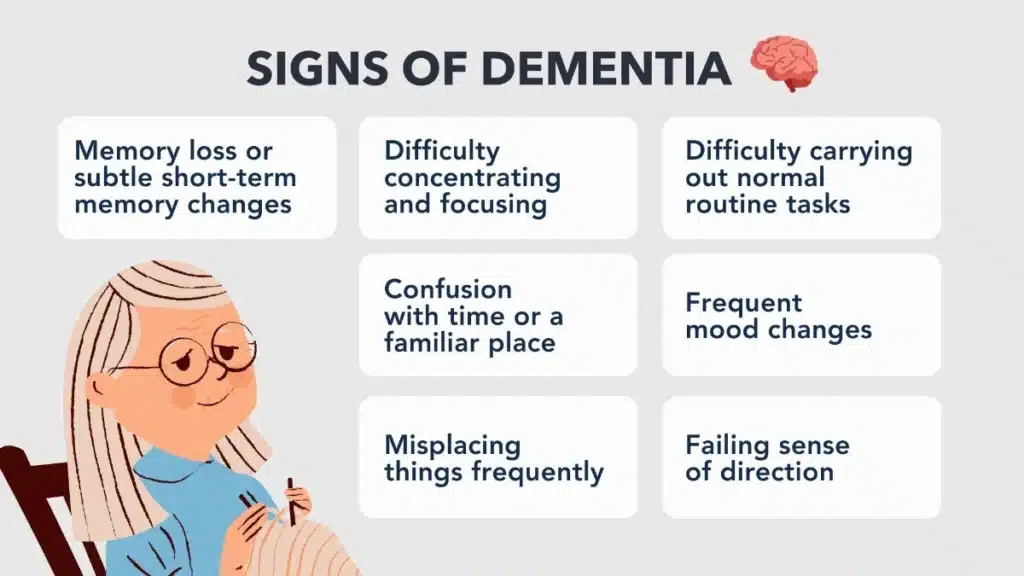
Understanding Dementia and Its Symptoms
Before delving into the advantages of a routine, let’s take a moment to understand dementia itself. It is more than just forgetfulness; it involves a set of symptoms affecting memory, thinking, and social abilities, significantly impeding daily life. You may notice confusion over simple tasks, difficulty with language, or changes in mood and behavior. These symptoms are not merely obstacles; they are signals that your brain is navigating uncharted waters.
Each type of dementia brings its own set of challenges. Alzheimer’s disease is perhaps the most recognized form, while vascular dementia, Lewy body dementia, and frontotemporal dementia also warrant attention. Understanding the specific symptoms associated with each type can help you tailor routines to better suit the individual’s needs.
Take a moment to reflect on your experiences or those of your loved ones. What symptoms appear to cause the most distress? Acknowledging these feelings can be the first step in creating a more secure and manageable routine.
The Psychological Benefits of Routines
Routines can serve as an anchor amidst the stormy seas of dementia. When days feel blurred and memories fade, a routine can provide a sense of order and predictability. You might find that regular schedules can reduce anxiety levels by allowing individuals to anticipate what comes next. This predictability can comfort not just for those living with dementia, but for their families, too.
When you engage in a routine, you activate memories linked to certain times of the day. For example, if breakfast takes place at 8 AM every day, the act of preparing and enjoying breakfast can trigger a series of nostalgic memories associated with that time-frame. You may observe that a morning routine can lead to a brighter start and a more productive day.
Additionally, when routines are established, there tends to be a reduction in behavioral issues often triggered by confusion or disorientation. This can lead to a calmer atmosphere at home, a significant benefit for everyone involved.

Designing a Person-Centered Routine
Now that we understand the benefits, how does one go about creating a routine that genuinely caters to the needs of an individual with dementia? It all begins with understanding the person you are caring for, their preferences, and their unique needs. The more personalized the routine, the more profound its impact will be.
Begin by jotting down daily activities that your loved one enjoys. It could be gardening, listening to music, or even simple household chores. Recognizing these interests will allow you to create a routine that is not only functional but also enjoyable for them.
Consider incorporating favorite hobbies or cherished routines from the past. For instance, if they used to take a morning walk, try to maintain this activity at the same time every day. Familiarity can serve as a warm blanket on chilly days, easing the emotional strain that dementia brings.
Combining structure with flexibility is essential. Life is unpredictable, and while routines are beneficial, maintaining an element of adaptability is crucial. There will be days when things might not go according to plan, and that is perfectly alright. It’s the love and commitment underlying these routines that will shine through.
Establishing Daily Routines
A solid daily routine can be structured in various helpful ways. Here are some suggestions for developing a daily routine that works for you:
Morning Routine
Setting a calming routine in the morning can help start the day on a positive note. Consider beginning with gentle activities such as stretching or listening to calming music. You may want to involve them in preparing breakfast, encouraging independence where possible. Utilizing clear and simple instructions can foster a sense of achievement.
Afternoon Activities
Engaging in appropriate midday activities is equally essential. This time might consist of lunch, storytelling, or even a crossword puzzle together. Identify those activities that spark joy; perhaps it’s reminiscing through photo albums or working on light exercises.
Evening Wind-Down
As the day comes to a close, it is important to establish a calming bedtime routine. You may choose to read together or enjoy favorite television shows. The goal is to create a soothing environment that prepares them for a peaceful night’s sleep.
Through each of these routines, the goal is connection and comfort. Remember, you are weaving their favorite moments into the fabric of each day, providing them with a sense of purpose and belonging.
The Role of Regular Social Interaction
Another facet of routine is human connection. Isolation can exacerbate the symptoms of dementia, leading to depression or heightened confusion. Ensuring your loved one has regular social interaction is key in maintaining emotional stability.
Plan family gatherings or connect them with friends who share similar interests. Consider inviting neighbors over for tea or going out to lunch with family members. Activities involving other people enrich conversations and mental engagement, making every interaction an opportunity for connection.
Remember, it’s about prolonging those cherished relationships and ensuring they aren’t lost to time. You are not just a caretaker; you are a bridge connecting them to the world outside.
The Importance of Physical Activity
Physical activity is not just important for physical health; it has a significant role in mental well-being as well. Incorporating simple exercises into your routine can yield a host of benefits, often surprising to many.
Regular movement can aid in reducing anxiety, improving mood, and even enhancing cognitive function. If your loved one is able, consider going for walks in a local park or engaging in chair exercises if mobility is limited. Something as gentle as gardening can also provide physical stimulation while promoting a sense of accomplishment.
When engaging in physical activity, aim to share these moments. Go for walks together, dance to old favorites, or perhaps join a class designed for seniors. You’ll find that being active as a team can genuinely bring you closer and enhance well-being.

Establishing Dietary Routines
Just as important as physical activity is the establishment of healthy eating routines. Nutrition plays an integral role in cognitive function and emotional well-being.
Try to incorporate a balanced diet rich in fruits, vegetables, whole grains, and lean proteins. Encourage mealtimes to be a serene experience: sit down together, enjoy the food, and engage in light conversation. The emphasis here is not solely on nutrition but also on creating rituals that foster connection and moments of joy.
For those unable to chew or swallow certain foods, consider modified options like smoothies or pureed meals. The key lies in accessibility and enjoyment, making meals a time to look forward to rather than a task.
Tailoring Routines to Cognitive Levels
As you delve deeper into establishing routines, always remember to tailor activities to the individual’s cognitive level. This might require some observation and modification as the journey unfolds.
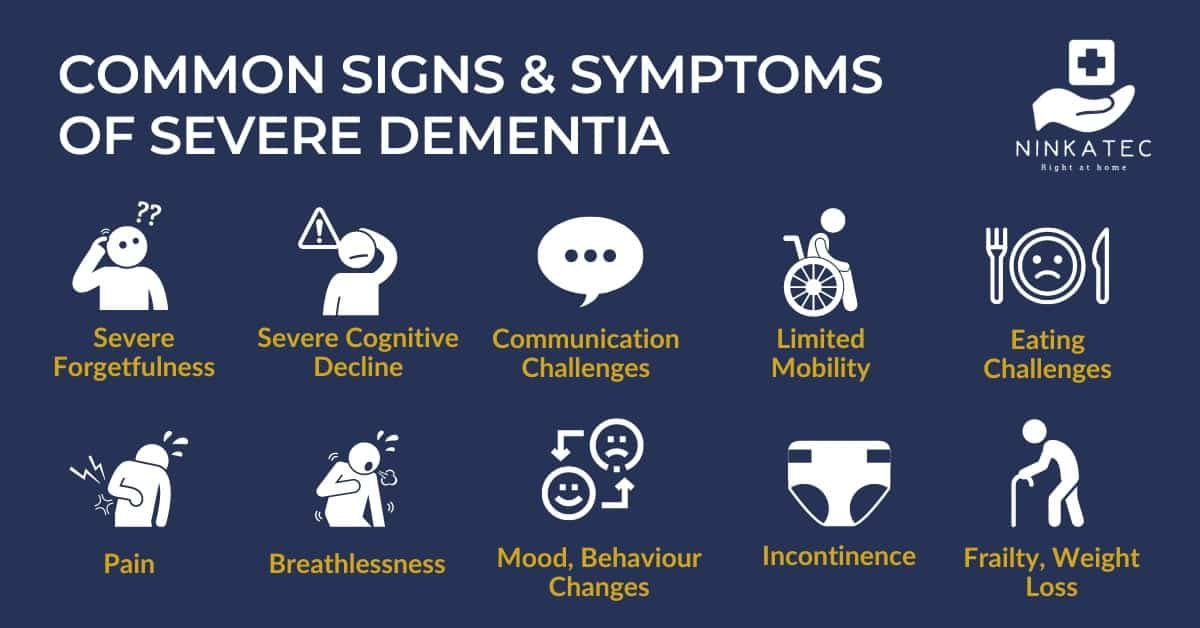
If your loved one is in the earlier stages of dementia, interactive and engaging activities may resonate more with them. However, those in later stages may require more straightforward, less mentally taxing tasks to foster a sense of accomplishment without causing frustration.
Being mindful of these shifts will enable you to adjust daily routines appropriately. Celebrate the small victories alongside them, as these moments of joy can weave strength and resilience into the routine.

The Role of Technology in Routines
In this age of technology, consider harnessing the power of apps and devices to support the routines you’ve created. There are useful tools to remind individuals of daily schedules, medication times, and even social events.
Smartwatches can be programmed with alarms to remind them of important tasks or appointments. Voice-assistants can help simplify the routine with verbal reminders. You can even explore apps that allow for family members to leave voice messages or photos, fostering a digital connection that brings love and support from afar.
However, while technology can enhance the routine, be sure to be present and engaged. The human connection often remains the most powerful tool in this journey.
Empowering Through Routine: Fostering Independence
While routines create structure, an essential aspect is the empowerment that comes with them. Caregivers often feel the need to do everything for their loved ones, but this can sometimes stifle their sense of independence.
Encourage participation in daily activities, adapting tasks where needed to match their abilities. Invite them to help you decide what meals to prepare or which chores to tackle, fostering ownership over their daily life.
When you nurture independence, you’ll notice confidence grow. This sense of control can be tremendously uplifting for someone experiencing the disorienting effects of dementia, as they find comfort in the familiarity and structure provided by the routine.
Recognizing the Need for Changes
As with any journey, change is inevitable. It is essential to remain attentive and responsive to your loved one’s evolving abilities and needs. What worked one day may not be as effective the next, and that’s perfectly acceptable. Instead of viewing this as a setback, see it as an opportunity for adaptation.
Stay in tune with their mood, energy levels, and ability to engage in activities. Some days will feel like a struggle; rather than forcing routines, be flexible and kind with yourself and your loved one.
Celebrate the small successes, and remember, routines are merely guidelines meant to foster comfort and security.
Seeking Support and Resources
Caring for someone with dementia is a significant undertaking, and you shouldn’t feel alone. There are numerous resources available for caregivers—community programs, online forums, and support groups where you can share experiences and strategies with others who understand your journey.
Don’t hesitate to reach out to professionals, such as geriatric care managers or therapists, who can provide insights specifically tailored to dementia care. Engaging with others in similar situations can prove invaluable, as the sense of community can serve as a wellspring of strength and support for you.
The Ripple Effect of Routine
The power of routine extends beyond just the individual; it creates a ripple effect that can transform the entire atmosphere of a household. When structured, loving routines are in place, stress levels can decrease for everyone involved.
Family members may find relief, knowing that there is a consistent plan to rely on. These routines foster peace, making your shared moments meaningful and memorable.
Reflect on how small adjustments can lead to large transformations. You might find that as you embrace the routine, it enriches not just their experience but yours as well—all while deepening your bond.
Conclusion
Navigating the realm of dementia can be arduous, yet the establishment of daily routines can illuminate the path forward. As you embark upon this journey, never underestimate the comfort that structure can bring.
You can support not only their cognitive function but also their emotional well-being while forging connections that transcend the challenges of dementia. A routine filled with meaningful activities can indeed be a formidable tool in fostering a sense of security, joy, and connection.
So let’s embrace the everyday moments, celebrate the beauty in the ordinary, and take proactive steps in creating beneficial routines for you and your loved ones. Together, you can illuminate the path amidst the fog.
If you found value in this article, I’d love for you to clap, leave a comment, and subscribe to my Medium newsletter for updates! Your engagement means the world, and together, we can continue to explore the nuances of this important topic. Thank you for being part of the conversation!