What if I told you that the key to managing your blood sugar may be hidden in your kitchen or even in your daily routine? Understanding how to lower your sugar levels quickly can empower you to take charge of your health. Let’s unravel the intricacies of this topic together.

Understanding Blood Sugar Levels
Your blood sugar level indicates how much glucose is present in your bloodstream at any given moment. This glucose comes from the food you eat, particularly carbohydrates, and it’s essential because it’s your body’s primary source of energy. However, maintaining balanced blood sugar is crucial. Significant fluctuations can lead to various health issues, including diabetes and other metabolic disorders.
Why Do Blood Sugar Levels Rise?
Several factors can lead to increased blood sugar levels. Your body may respond to the following:
- Diet: Consuming high-sugar foods or refined carbohydrates can cause your sugar levels to spike.
- Stress: Physical or emotional stress can contribute to hormonal changes that raise blood sugar.
- Illness: Your body releases hormones in response to illness, which can affect insulin sensitivity and lead to elevated blood sugar levels.
- Lack of Exercise: Physical inactivity can hinder your body’s ability to use insulin effectively, resulting in higher sugar levels.
Understanding these factors can help you make informed choices regarding your health.
What Does It Mean to “Bring Sugar Down”?
When we talk about bringing sugar down, we refer to lowering elevated blood sugar levels to a healthier range. Quick interventions are sometimes necessary, especially if you’re experiencing symptoms of high blood sugar, such as increased thirst, frequent urination, or fatigue. Knowing how to manage these levels effectively can make a significant difference in your day-to-day life.
Immediate Solutions to Lower Blood Sugar
When faced with high blood sugar, swift action is necessary. But what can you do to bring your sugar down immediately? Here are some strategies you can implement:
1. Hydration: The Power of Water
Drinking water can help lower blood sugar levels by diluting the concentration of glucose in your bloodstream. Additionally, it can help your kidneys flush out excess sugar via urine. Aim for at least 8-10 glasses of water throughout the day, and especially if you’re experiencing high sugar levels.
Tip: You can also enjoy herbal teas or electrolyte drinks that contain minimal sugar.
2. Engage in Physical Activity
Physical activity encourages your body to use glucose for energy, which can effectively lower blood sugar levels. Whether it’s a brisk walk, jog, or any exercise that elevates your heart rate, moving your body can make a significant impact.
Recommended Exercises to Lower Blood Sugar
| Type of Exercise | Duration | Recommended Frequency |
|---|---|---|
| Brisk Walking | 30 minutes | Daily |
| Cycling | 30 minutes | 5 times a week |
| Aerobic Classes | 1 hour | 3 times a week |
| Strength Training | 30 minutes | 2-3 times a week |
Always consult your healthcare provider before starting a new exercise routine, especially if you have underlying health issues.
3. Eat a Balanced Snack
If you find yourself with high blood sugar, opting for a protein and fiber-rich snack can help stabilize your levels. Foods like nuts, seeds, and Greek yogurt can provide your body with the necessary nutrients without drastically raising your sugar levels.
4. Monitor Your Blood Sugar Levels
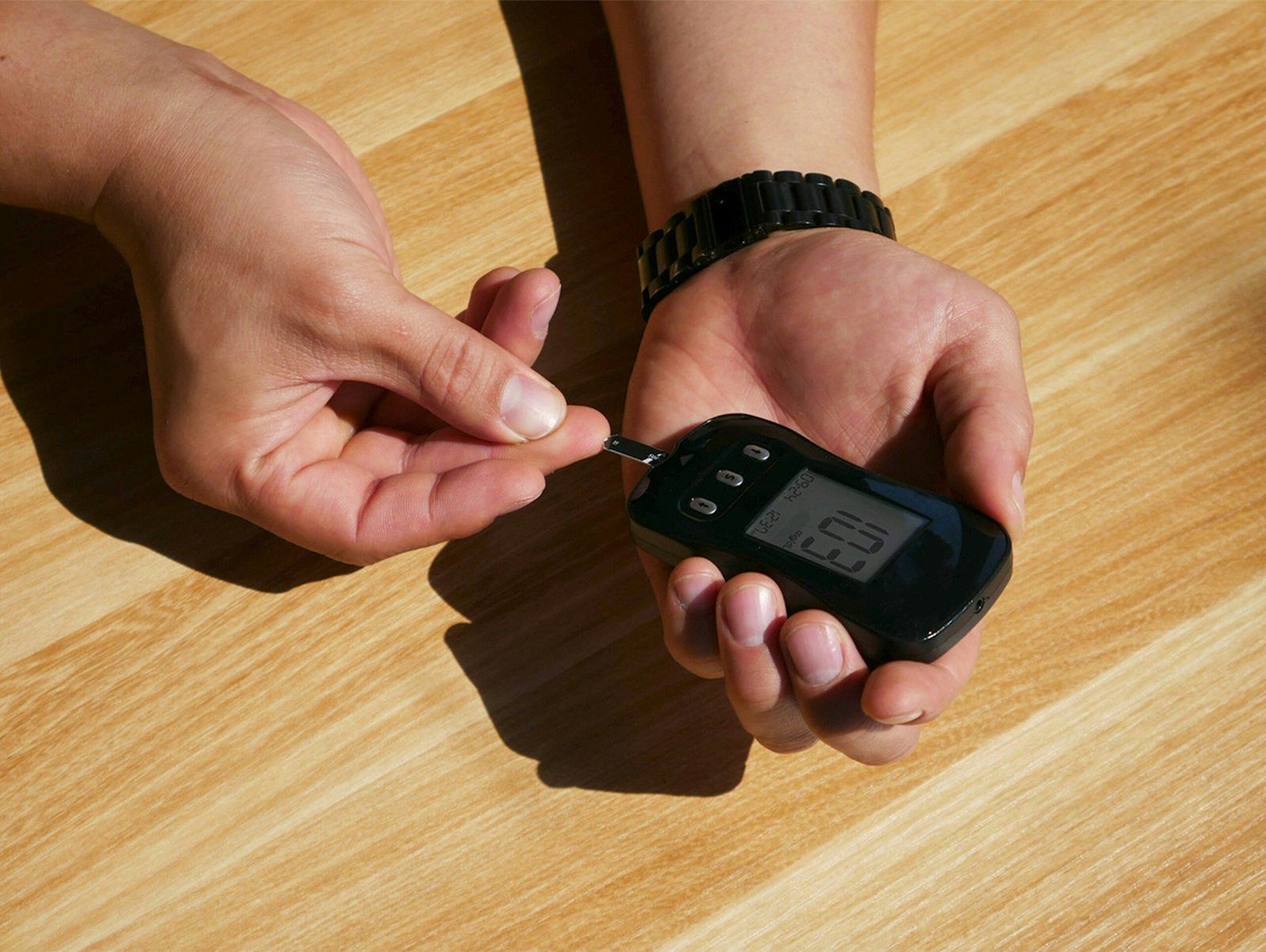
Investing in a reliable glucose monitor can help you track your blood sugar levels closely. This allows you to understand how your body responds to certain foods and activities. Keeping a log can reveal patterns over time, helping you make better decisions concerning your diet and lifestyle.
5. Try Vinegar
Apple cider vinegar has been shown to have potential blood sugar-lowering effects. Consuming a tablespoon of diluted vinegar before meals can improve insulin sensitivity and reduce blood sugar spikes. Just make sure to dilute it in water, and consult your doctor if you’re on medication.
6. Consider Herbal Remedies
Some herbs and spices may have a positive effect on blood sugar levels. For instance, cinnamon has been praised for its ability to enhance insulin sensitivity, while fenugreek seeds may help lower sugar levels. Consider incorporating these into your meals or taking them in supplement form after consulting your healthcare provider.
7. Get Adequate Sleep
Did you know that lack of sleep can lead to increased insulin resistance? Prioritize good sleep hygiene to help regulate your blood sugar levels. Aim for 7-9 hours of quality sleep each night, and establish a relaxing bedtime routine to improve your sleep quality.
Long-Term Lifestyle Changes for Blood Sugar Management
While immediate solutions are essential, it’s equally important to adopt long-term strategies to keep your blood sugar stable. Here are some practical lifestyle changes you can consider:
1. Balanced Diet
Eating a balanced diet filled with whole foods, including healthy fats, lean proteins, and plenty of vegetables, can set your body up for success in the long run. Focus on low-glycemic index foods that release sugar more slowly into your bloodstream.
2. Meal Planning
Plan your meals in advance to help avoid impulsive choices that may lead to elevated blood sugar. Incorporating meal prep into your routine can allow you to create balanced meals that are easy to grab during busy times.
3. Read Labels
Learn to read food labels for hidden sugars and carbohydrates. Many processed foods can contain surprising amounts of sugar, which can affect your blood sugar levels. Familiarizing yourself with ingredient lists will empower you to make better choices at the grocery store.
4. Manage Stress
Chronic stress can wreak havoc on your blood sugar levels, so managing it is crucial. Incorporate relaxation techniques, such as yoga, meditation, or mindfulness into your daily routine. Remember, finding time for yourself is not a luxury; it’s a necessity.
5. Regular Health Check-Ups
Routine visits to your healthcare provider can help you keep track of your health. Regular blood sugar checks and discussions about your lifestyle can help preemptively catch any issues before they escalate.
6. Build a Support System
Engage with friends, family, or support groups who understand your journey. Sometimes, having people who can share their experiences or hold you accountable makes a significant difference in your commitment to maintaining healthy blood sugar levels.
7. Educate Yourself
The more you know about blood sugar management, the better equipped you’ll be to take charge of your health. Stay updated on the latest research and recommendations from reliable health sources, and don’t hesitate to ask your healthcare provider for guidance.

Final Thoughts
Understanding how to bring your sugar down immediately and implementing long-term strategies for management can empower you to take charge of your health. Remember, with knowledge and small, consistent changes in your lifestyle, you can have a significant impact over time. Listening to your body and responding to its needs is a journey, and every small victory counts. Embrace the process and celebrate your progress—your health is worth it!