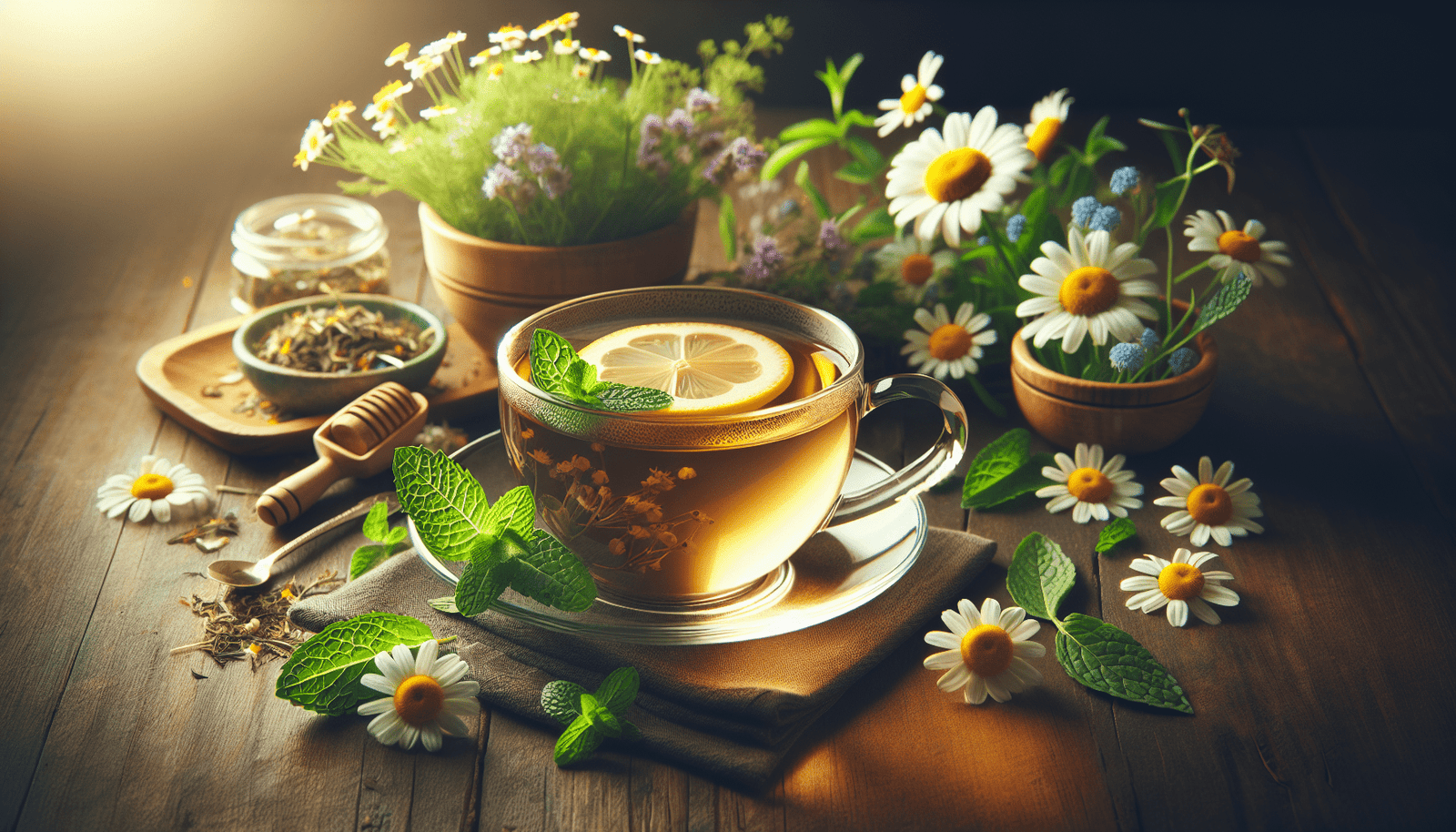
What if you could sip your way to relief from that maddening itch? Itching can be more than just a minor annoyance; it can disrupt your focus and hinder your daily activities. Finding the right remedy might just be a matter of what you choose to drink. Here’s a friendly guide on how your beverage choices can help soothe your skin.
Understanding Itching
Itching, or pruritus, is a sensation that prompts you to scratch. It can stem from a myriad of causes, ranging from dry skin to allergic reactions and conditions like eczema or psoriasis. Before reaching for those soothing drinks, it’s important to identify what might be causing your discomfort. Sometimes, it’s a simple environmental factor; other times, it may require medical attention.
Common Causes of Itching
You’ll find that itching can be driven by numerous triggers. Here are a few to consider:
- Dry Skin: Often exacerbated by weather changes, hot showers, or harsh soaps, dry skin can make you feel itchy.
- Allergies: Allergic reactions to food, pollen, or pet dander can lead to itchy patches.
- Skin Conditions: Conditions like eczema, psoriasis, or hives can result in persistent itching.
- Infections: Certain skin infections, fungal infections, or even scabies can provoke itchiness.
If you’re unsure about what’s causing your distressing itch, a visit to a healthcare provider may be necessary.
Hydration Matters
You may not think about hydration as a major factor affecting your skin, but it plays a crucial role. When your body is adequately hydrated, it helps maintain your skin’s moisture levels. Dehydration can lead to dryness and exacerbate itchiness.
Benefits of Drinking Water
Water is nature’s most effective hydrator. Here’s how adequate water intake can relieve itching:
- Moisturizes Skin: Drinking enough water keeps your skin hydrated, which can reduce dryness and related itching.
- Detoxifies: Water helps flush out toxins from your body which can help alleviate itch-inducing irritants.
- Regulates Temperature: Staying hydrated assists in regulating your body temperature, reducing skin irritation.
Aim to drink at least eight 8-ounce glasses of water per day, and adjust based on your activity level and climate.
Herbal Teas to Soothe Itching
You may find relief from itching by incorporating herbal teas into your routine. These natural beverages boast various properties that can calm the skin.
Chamomile Tea
Chamomile is widely known for its calming properties and can also be beneficial for your skin.
- Anti-inflammatory: Chamomile has anti-inflammatory properties that may help reduce skin irritation.
- Mild Antihistamine: It can act as a mild antihistamine, providing relief from allergic reactions that cause itching.
To enjoy this tea, steep one bag of chamomile in hot water for about five minutes. Sip slowly and enjoy its warming effect.
Peppermint Tea
Peppermint tea can also work wonders not only on your digestive system but on your skin as well.
- Cooling Effect: The menthol in peppermint creates a cooling effect, which can soothe itchy sensations.
- Antiseptic Properties: Its antiseptic qualities can provide relief from infections that may cause itching.
Steeping peppermint leaves in hot water for a few minutes will yield a refreshing drink that brings more than just flavor.
Nettles Tea
Nettle tea might sound unusual, but it’s packed with benefits for itchy skin.
- Rich in Nutrients: Nettles are high in vitamins A, C, and K, which can support skin health.
- Antihistamine Effect: It has natural antihistamine properties that can help soothe allergic itchiness.
To make nettle tea, steep dried nettle leaves in boiling water for about 10 minutes, and then strain before consuming.
Licorice Root Tea
Licorice root tea can be a surprising ally in battling itchiness.
- Anti-inflammatory Properties: This tea can reduce inflammation and soothe the skin.
- Promotes Skin Health: It can also help with various skin conditions that may induce itching.
Brew this tea by steeping licorice root in hot water for several minutes, then enjoy its distinctive flavor and potential benefits.
Juices that Help Alleviate Itching
In addition to herbal teas, consider adding natural juices into your regimen. The right juice can provide hydration and essential nutrients that may assist with itchiness.
Cucumber Juice
Cucumber is made up of about 95% water, making it extremely hydrating.
- Cooling Properties: The natural cooling properties of cucumber help soothe irritated skin.
- High Water Content: It replenishes lost fluids, supporting overall hydration.
To prepare, blend fresh cucumber and strain the pulp. Enjoy the refreshing juice for an instant cool-down.
Aloe Vera Juice
Aloe vera is renowned for its skin-soothing capabilities and can also be consumed as a juice.
- Soothing Effect: The anti-inflammatory properties can reduce itchiness associated with sunburn or skin conditions.
- Hydration Boost: Drinking aloe vera juice can provide your body with hydration.
Make sure to choose pure aloe vera juice, as it possesses the most benefits.
Carrot Juice
Carrots aren’t just good for your eyes; they’re also beneficial for your skin.
- Rich in Antioxidants: Carrot juice is loaded with antioxidants and essential vitamins.
- Supports Skin Health: It’s known to improve skin health, which can help reduce itchiness over time.
To prepare carrot juice, simply blend fresh carrots and strain. Feeling adventurous? Combine it with ginger for added zest!

Foods to Consider for Skin Health
While beverages can provide immediate relief, nourishing your skin from within is just as crucial. Certain foods can support skin health and reduce the likelihood of itchy skin.
Omega-3 Fatty Acids
Omega-3 fatty acids, found in fatty fish like salmon, flaxseeds, and walnuts, play a major role in skin health.
- Anti-inflammatory: They can help reduce inflammation associated with itchy skin.
- Supports Skin Barrier: Omega-3s reinforce your skin barrier, which can prevent moisture loss.
Incorporate fatty fish into your meals a couple of times a week or add flaxseeds to your smoothies and salads for a healthy boost.
Antioxidant-Rich Fruits
Fruits high in antioxidants help combat oxidative stress, which boosts overall skin health.
- Berries: Blueberries, strawberries, and raspberries are excellent sources of antioxidants.
- Citrus Fruits: Oranges, lemons, and grapefruits are rich in vitamin C, essential for skin repair.
Including a variety of colorful fruits in your diet ensures an abundance of nutrients that support skin health.
Leafy Greens
Leafy greens like spinach and kale are loaded with vitamins, which can enhance skin hydration and health.
- Hydration Boost: Their high water content helps keep your skin moist.
- Nutrient Dense: They provide vitamins and minerals that combat inflammation.
Aim to fill half your plate with these nutrient-dense foods at every meal for optimal skin support.
Lifestyle Changes for Itch Relief
Sometimes drinking the right beverages is only part of the solution. Here are a few lifestyle changes you might consider to address your itching more comprehensively.
Maintain a Hydrated Environment
If you’re dealing with dry skin, the environment in which you live plays a significant role. Consider these tips:
- Use a Humidifier: Adding moisture to the air can help maintain skin hydration, especially in winter.
- Keep Showers Short: Long and hot showers can strip your skin of its natural oils. Opt for lukewarm instead.
- Moisturize Right After Bathing: Apply a gentle moisturizer to damp skin to lock in moisture.
Avoid Harsh Soaps and Detergents
Certain soaps and laundry detergents can irritate your skin. Here’s what you can do:
- Choose Gentle, Unscented Products: Opt for soaps free of fragrances or dyes.
- Avoid Antibacterial Soaps: These can be too harsh on sensitive skin and can disrupt your skin’s natural protective barrier.
Manage Stress
Stress can trigger or exacerbate itchiness. Here are ways to manage stress effectively:
- Practice mindfulness or meditation: These techniques can help reduce stress and its physical manifestations.
- Regular Physical Activity: Exercise releases endorphins, which can improve your mood and help you manage stress.
Developing a personalized routine that works for you can significantly impact your skin health and overall well-being.

When To Seek Medical Advice
While sips of soothing tea and the right juice may help alleviate mild cases of itchiness, it’s crucial to consult a healthcare provider for persistent or severe itching. Here’s when to seek help:
- If It Lasts More than a Few Weeks: Prolonged itching warrants medical evaluation.
- Associated with Other Symptoms: Itching accompanied by rashes, swelling, or pain may indicate a more severe underlying condition.
- Severe Discomfort: If itching disrupts your daily life, don’t hesitate to seek help.
Your health and comfort are essential; there’s no need to suffer in silence.
Conclusion
Finding relief from itching is often about understanding your body and making the right choices. By incorporating hydrating beverages, nourishing foods, and lifestyle adjustments, you can create a soothing regimen that works for you. Remember, if your itch persists, there’s no shame in reaching out for professional help. You deserve to feel comfortable and well in your skin. So raise that glass, take a sip, and toast to healthier, itch-free days ahead!