
Chronic pain can be a silent yet powerful force that shapes the dynamics of your relationships. When you or your partner experiences ongoing discomfort, it can create a ripple effect that touches every aspect of your life together. The emotional toll of chronic pain often leads to feelings of frustration, isolation, and helplessness.
You may find that your partner’s pain alters the way you interact, communicate, and even engage in daily activities. The once vibrant connection you shared may feel strained as you navigate the complexities of living with pain. Moreover, chronic pain can lead to misunderstandings and miscommunications.
You might feel helpless when you see your partner in distress, unsure of how to provide support without overstepping boundaries. On the other hand, your partner may struggle to articulate their needs or feelings, leading to feelings of resentment or inadequacy. This emotional disconnect can create a barrier that makes it difficult to maintain intimacy and trust.
Recognizing the profound impact chronic pain has on your relationship is the first step toward fostering understanding and compassion for one another.
Key Takeaways
- Chronic pain can significantly impact relationships, leading to emotional strain and communication challenges.
- Effective communication with your partner about chronic pain involves honesty, empathy, and active listening.
- Supporting each other through the challenges of chronic pain requires patience, understanding, and a willingness to adapt.
- Finding balance and maintaining intimacy in a relationship with chronic pain involves open communication and exploring alternative ways to connect.
- Seeking professional help and resources for managing chronic pain in relationships can provide valuable support and guidance for both partners.
Communicating Effectively with Your Partner About Chronic Pain
Effective communication is essential when navigating the challenges posed by chronic pain. You may find it helpful to create an open dialogue with your partner about their experiences and feelings. Encourage them to share what they are going through, and be sure to listen actively without judgment.
This means putting aside distractions and focusing entirely on what they are saying. By doing so, you demonstrate that you care and are willing to understand their struggles, which can foster a deeper emotional connection. It’s also important to express your own feelings and concerns.
You might feel overwhelmed or frustrated at times, and sharing these emotions can help your partner understand your perspective. Use “I” statements to communicate how their pain affects you personally, rather than placing blame or making them feel guilty. For example, saying “I feel worried when I see you in pain” is more constructive than “You always make me feel helpless.” This approach encourages a collaborative atmosphere where both of you can work together to find solutions and support each other.
Supporting Each Other Through the Challenges of Chronic Pain

Supporting one another through the challenges of chronic pain requires patience, empathy, and a willingness to adapt. You may need to adjust your expectations regarding activities and plans, as chronic pain can be unpredictable. It’s essential to be flexible and understanding when your partner has to cancel plans or take breaks during outings.
Instead of viewing these changes as disappointments, try to see them as opportunities to explore new ways of spending time together that accommodate their needs. Additionally, consider finding practical ways to support each other in daily life. This could involve helping with household chores, attending medical appointments together, or simply being there for emotional support during tough times.
You might also want to explore activities that promote relaxation and well-being, such as gentle yoga or meditation. By engaging in these practices together, you not only provide support but also strengthen your bond as a couple.
Finding Balance and Maintaining Intimacy in a Relationship with Chronic Pain
Maintaining intimacy in a relationship affected by chronic pain can be challenging but is crucial for emotional connection. You may need to redefine what intimacy means for both of you. Physical touch, for instance, doesn’t always have to be sexual; it can also include cuddling, holding hands, or simply sitting close together while watching a movie.
These small gestures can help reinforce your bond and remind both of you that intimacy is about connection rather than just physicality. Moreover, it’s essential to prioritize quality time together, even if it looks different than it used to. You might consider setting aside specific times for activities that both of you enjoy and can manage comfortably.
Whether it’s cooking a meal together or enjoying a quiet evening at home, these moments can help maintain a sense of closeness despite the challenges posed by chronic pain. Remember that intimacy is not solely about physical interaction; emotional intimacy is equally important in nurturing your relationship.
Seeking Professional Help and Resources for Managing Chronic Pain in Relationships
When chronic pain becomes overwhelming, seeking professional help can be a vital step in managing its impact on your relationship. You might consider consulting with healthcare providers who specialize in pain management or couples therapy. These professionals can offer valuable insights and strategies tailored to your unique situation.
They can help both of you understand the complexities of chronic pain and provide tools for effective communication and coping mechanisms. In addition to therapy, there are numerous resources available that can assist you in navigating the challenges of chronic pain together. Support groups, both online and in-person, can provide a sense of community and shared experience.
Engaging with others who understand what you’re going through can alleviate feelings of isolation and offer practical advice on managing pain within a relationship context. By seeking help and utilizing available resources, you empower yourselves to face the challenges of chronic pain as a united front.
Exploring Alternative Therapies and Lifestyle Changes to Improve Relationship Dynamics
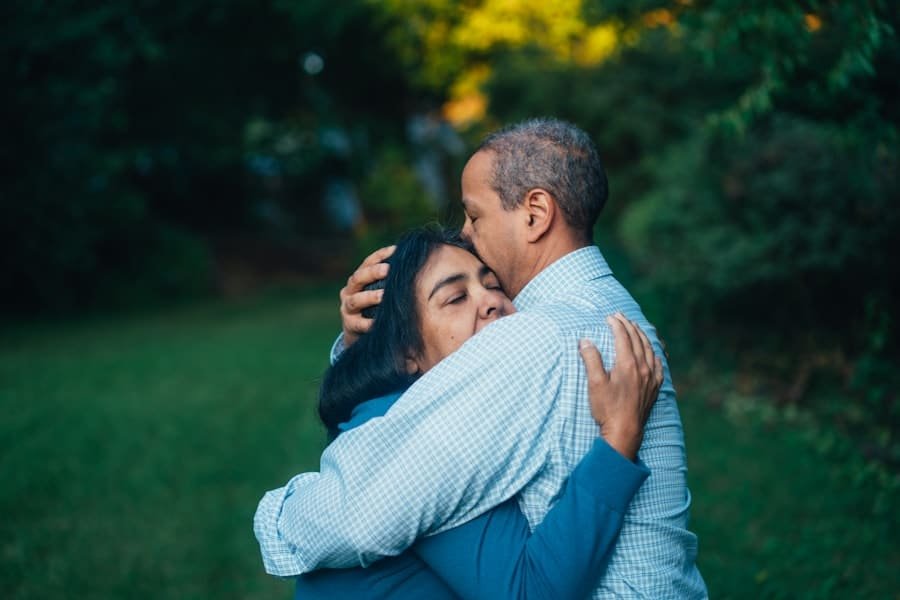
Alternative Therapies for Pain Relief
You might consider incorporating practices such as acupuncture, massage therapy, or mindfulness meditation into your routine. These therapies not only address physical discomfort but also promote relaxation and emotional well-being for both partners.
Strengthening Your Bond through Shared Experiences
Engaging in these activities together can create shared experiences that strengthen your bond while providing relief from pain. Additionally, lifestyle changes such as adopting a healthier diet or engaging in regular physical activity can have positive effects on both physical health and relationship dynamics. You could explore cooking nutritious meals together or participating in low-impact exercises like walking or swimming.
Fostering Teamwork and Collaboration
These shared goals not only improve overall well-being but also foster teamwork and collaboration within your relationship. By taking proactive steps together, you reinforce the idea that you are partners in this journey, facing challenges side by side.
Nurturing Emotional Connection and Empathy in a Relationship with Chronic Pain
Nurturing emotional connection and empathy is essential when navigating the complexities of chronic pain in a relationship. You may find it helpful to regularly check in with each other about how you’re feeling emotionally and physically. This practice encourages vulnerability and openness, allowing both partners to express their needs without fear of judgment.
By creating a safe space for these conversations, you cultivate an environment where empathy thrives. Additionally, practicing gratitude can enhance emotional connection between you and your partner. Take time to acknowledge the small victories and moments of joy amidst the challenges of chronic pain.
Whether it’s celebrating a good day or expressing appreciation for each other’s support, these gestures reinforce the bond you share. By focusing on the positive aspects of your relationship, you create a foundation of resilience that helps both partners navigate the difficulties posed by chronic pain.
Cultivating Resilience and Hope in the Face of Chronic Pain as a Couple
Cultivating resilience and hope is crucial for maintaining a healthy relationship when faced with chronic pain. You may encounter days filled with frustration and despair; however, it’s essential to remind yourselves that these moments do not define your relationship or future together. Embracing a mindset of resilience means acknowledging the challenges while also recognizing your strength as a couple to overcome them.
Setting shared goals can be an effective way to foster hope within your relationship. Whether it’s planning a future trip or working towards personal milestones, having something to look forward to can provide motivation during difficult times. Celebrate each step forward together, no matter how small; these achievements serve as reminders of your ability to navigate challenges as a team.
By cultivating resilience and hope, you not only strengthen your relationship but also create a supportive environment where both partners can thrive despite the presence of chronic pain.
FAQs
What is chronic pain?
Chronic pain is defined as persistent pain that lasts for weeks, months, or even years. It can result from an injury, illness, or medical condition and can have a significant impact on a person’s physical and emotional well-being.
How does chronic pain affect relationships?
Chronic pain can put a strain on relationships as it can lead to changes in mood, decreased physical activity, and limitations in daily activities. This can affect communication, intimacy, and overall quality of the relationship.
What are some strategies for strengthening relationships despite chronic pain?
Some strategies for strengthening relationships despite chronic pain include open communication, empathy, and understanding from both partners. It’s also important to seek support from healthcare professionals, engage in activities that can be enjoyed together, and make adjustments to accommodate the limitations caused by chronic pain.
How can partners support each other when one is experiencing chronic pain?
Partners can support each other by being understanding and patient, offering emotional support, helping with daily tasks, and educating themselves about the condition causing the chronic pain. It’s also important for the partner experiencing chronic pain to communicate their needs and limitations effectively.
What are some resources for couples dealing with chronic pain in their relationship?
There are various resources available for couples dealing with chronic pain, including support groups, counseling services, and educational materials provided by healthcare professionals. Additionally, there are online forums and communities where couples can connect with others facing similar challenges.