
Chronic pain is a complex and often debilitating condition that affects millions of individuals worldwide. It is defined as pain that persists for longer than three months, often outlasting the initial injury or illness that caused it. Living with chronic pain can lead to a myriad of challenges, not only physically but also mentally and emotionally.
You may find that the constant discomfort can lead to feelings of frustration, helplessness, and even despair. The interplay between chronic pain and mental health is significant; studies have shown that individuals suffering from chronic pain are at a higher risk for developing anxiety, depression, and other mood disorders. The impact of chronic pain on your mental health can be profound.
You might experience a sense of isolation as friends and family may struggle to understand the invisible nature of your pain. This can lead to withdrawal from social activities, further exacerbating feelings of loneliness and depression. Additionally, the ongoing struggle with pain can create a cycle of negative thoughts and emotions, making it increasingly difficult to cope.
Recognizing this connection between chronic pain and mental health is crucial for developing effective coping strategies and seeking appropriate support.
Key Takeaways
- Chronic pain can have a significant impact on mental health, leading to anxiety, depression, and other emotional challenges.
- Engaging in art can provide therapeutic benefits for managing chronic pain, including reducing stress and improving overall well-being.
- Different art forms, such as painting, drawing, and sculpting, can serve as creative outlets for individuals experiencing chronic pain.
- Art can help individuals express and process the complex emotions and experiences related to their chronic pain condition.
- Getting started with art as a coping mechanism for chronic pain can be as simple as picking up a sketchbook or trying out a new creative activity.
The Therapeutic Benefits of Art for Chronic Pain Management
Art has long been recognized as a powerful tool for self-expression and healing. Engaging in creative activities can provide a much-needed outlet for emotions that may be difficult to articulate verbally. For those living with chronic pain, art can serve as a therapeutic distraction, allowing you to focus on the creative process rather than the pain itself.
This shift in focus can lead to a temporary reprieve from discomfort, providing a sense of relief and relaxation. Moreover, the act of creating art can stimulate the release of endorphins, the body’s natural painkillers, which can enhance your overall sense of well-being. In addition to providing distraction and emotional release, art can also foster a sense of accomplishment and purpose.
When you create something tangible, it can boost your self-esteem and provide a sense of control over your life, which may feel elusive when dealing with chronic pain. Engaging in artistic endeavors can help you reclaim a part of your identity that may have been overshadowed by your condition. By exploring your creativity, you may discover new passions and interests that enrich your life beyond the confines of pain.
Exploring Different Art Forms as a Creative Outlet for Pain
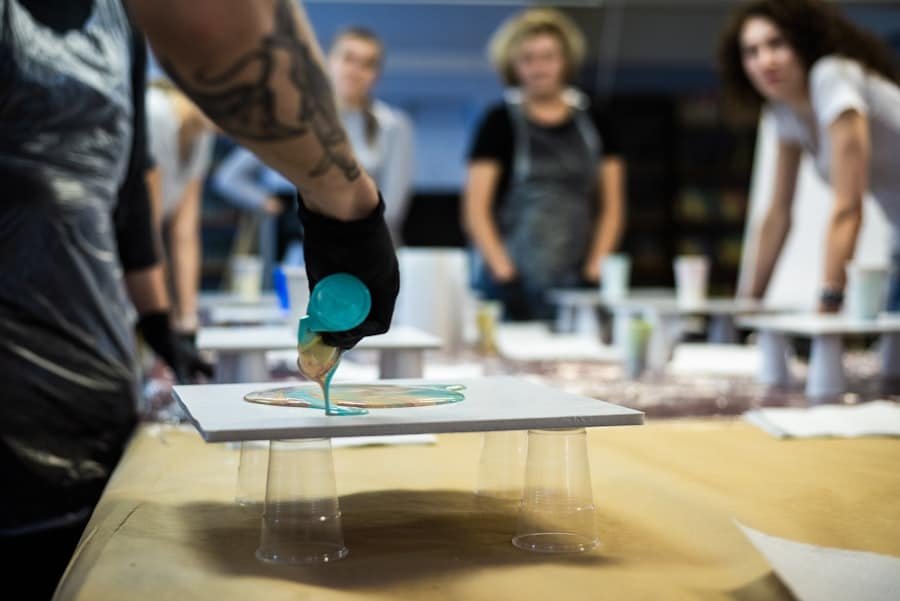
There are countless forms of art that you can explore as a means of coping with chronic pain. Painting, drawing, sculpture, photography, and even writing are just a few examples of creative outlets that can help you express your feelings and experiences. Each medium offers unique benefits and opportunities for exploration.
For instance, painting allows for vibrant expression through color and texture, while writing can provide a cathartic release through storytelling and poetry. You might find that one form resonates more deeply with you than others, or you may enjoy experimenting with multiple mediums to find what best suits your needs. Engaging in different art forms can also help you connect with your emotions in new ways.
For example, if you choose to write about your experiences with chronic pain, you may uncover feelings that you were previously unaware of or unable to articulate. Similarly, creating visual art can allow you to represent your pain symbolically, providing insight into your emotional landscape. By exploring various artistic avenues, you can gain a deeper understanding of your experiences and develop new coping strategies that resonate with you personally.
How Art Can Help Express and Process Emotions Related to Chronic Pain
Art serves as a powerful medium for expressing emotions that often accompany chronic pain. You may find it challenging to articulate the depth of your suffering verbally; however, through art, you can convey complex feelings such as anger, sadness, or frustration in a way that feels more accessible. The creative process allows you to externalize your internal struggles, transforming them into something tangible that you can observe and reflect upon.
This act of creation can be incredibly liberating, as it provides an opportunity to confront your emotions rather than suppress them. Moreover, engaging in art can facilitate emotional processing by allowing you to explore the nuances of your experience with chronic pain. As you create, you may find yourself reflecting on the impact of pain on your life, relationships, and sense of self.
This reflection can lead to greater self-awareness and understanding, helping you navigate the emotional complexities associated with living in pain. By giving voice to your feelings through art, you may also find solace in knowing that you are not alone in your struggles; many others share similar experiences.
Tips for Getting Started with Art as a Coping Mechanism for Chronic Pain
If you’re interested in using art as a coping mechanism for chronic pain, getting started doesn’t have to be daunting. First and foremost, give yourself permission to create without judgment. Remember that art is not about perfection; it’s about expression.
Allow yourself to experiment with different materials and techniques without the pressure of producing a “masterpiece.” You might start by setting aside a specific time each week dedicated to exploring your creativity—this could be as simple as doodling in a sketchbook or trying your hand at painting. Another helpful tip is to create an inviting space for your artistic endeavors. Designate an area in your home where you feel comfortable and inspired to create.
Surround yourself with materials that excite you—paints, brushes, sketchbooks, or even digital tools if you’re inclined toward technology. You might also consider joining an art class or workshop where you can learn new skills while connecting with others who share similar interests. Engaging with a community can provide additional motivation and support as you navigate your artistic journey.
The Role of Art Therapy in Managing Chronic Pain
Art therapy is a specialized form of therapy that combines traditional therapeutic techniques with creative expression. It is facilitated by trained professionals who guide individuals in using art as a means of exploring their emotions and experiences related to chronic pain. In an art therapy setting, you may engage in various artistic activities while receiving support and guidance from the therapist.
This structured approach can help you delve deeper into your feelings about pain while providing tools for coping and healing. One of the key benefits of art therapy is its ability to create a safe space for exploration without the need for verbal communication. For many individuals living with chronic pain, articulating their experiences can be challenging; however, through art therapy, you can express yourself visually without the constraints of language.
This nonverbal form of communication can lead to profound insights and breakthroughs in understanding your relationship with pain. Additionally, art therapy often emphasizes mindfulness and self-compassion, encouraging you to approach your experiences with kindness rather than judgment.
Personal Stories of Individuals Using Art to Cope with Chronic Pain
Many individuals have found solace in art as they navigate the challenges of chronic pain. For instance, one woman shared her journey of using painting as a form of therapy after being diagnosed with fibromyalgia. Initially hesitant about her artistic abilities, she discovered that creating abstract pieces allowed her to express her emotions surrounding her condition without the pressure of realism.
Through her artwork, she found not only relief from her pain but also a sense of community as she connected with others who resonated with her experiences. Another individual recounted how writing poetry became an essential outlet during her battle with chronic migraines. She found that putting her thoughts into words helped her process the frustration and isolation she felt during painful episodes.
Her poetry not only served as a personal catharsis but also resonated with others who shared similar struggles. By sharing her work online, she created connections with fellow migraine sufferers who found comfort in her words—a testament to the power of art in fostering community and understanding.
The Importance of Seeking Professional Support Alongside Art Therapy for Chronic Pain Management
While art therapy offers valuable benefits for managing chronic pain, it is essential to recognize that it should complement professional medical support rather than replace it. Chronic pain is often multifaceted and may require a comprehensive approach that includes medical treatment, physical therapy, counseling, and lifestyle changes alongside creative expression. Seeking guidance from healthcare professionals ensures that you receive holistic care tailored to your specific needs.
Incorporating art therapy into your overall treatment plan can enhance your coping strategies while providing an additional layer of support for emotional well-being. By working collaboratively with healthcare providers and therapists, you can develop a comprehensive approach that addresses both the physical and emotional aspects of living with chronic pain. Remember that seeking help is not a sign of weakness; rather, it is an empowering step toward reclaiming control over your life and finding effective ways to cope with the challenges you face.
In conclusion, navigating chronic pain is undoubtedly challenging; however, embracing art as a coping mechanism can provide valuable therapeutic benefits. By understanding the connection between chronic pain and mental health, exploring various art forms, expressing emotions through creativity, and seeking professional support alongside art therapy, you can cultivate resilience and find solace in the healing power of artistic expression.
FAQs
What is chronic pain?
Chronic pain is defined as persistent pain that lasts for weeks, months, or even years. It can be caused by a variety of factors, including injury, illness, or underlying health conditions.
How does chronic pain affect creativity?
Chronic pain can have a significant impact on a person’s ability to engage in creative activities. It can lead to decreased energy, motivation, and concentration, making it difficult to pursue artistic endeavors.
How can art be used as an outlet for chronic pain?
Art can be used as a therapeutic tool for individuals experiencing chronic pain. Engaging in creative activities such as painting, drawing, or writing can provide a sense of purpose, distraction from pain, and a means of self-expression.
What are the benefits of using art as an outlet for chronic pain?
Using art as an outlet for chronic pain can provide a range of benefits, including stress reduction, improved mood, increased self-esteem, and a sense of accomplishment. It can also help individuals connect with others who may be experiencing similar challenges.
Are there specific art therapies designed for chronic pain management?
Yes, there are specific art therapies, such as art therapy and creative writing therapy, that are designed to help individuals manage chronic pain. These therapies are facilitated by trained professionals and can be tailored to meet the unique needs of each individual.