
Managing diabetes can be overwhelming, but fear not! This article is here to guide and support you on your journey towards effective diabetes management. From understanding the basics of the disease to making healthy lifestyle choices, we’ve got you covered. Explore the diabetes control chart to gain a better understanding of how to monitor and regulate your blood sugar levels, ensuring a balanced and fulfilling life despite the challenges of diabetes.

Understanding Diabetes
Diabetes is a chronic condition that affects the way your body processes glucose, or blood sugar. There are several types of diabetes, but the most common ones are type 1 and type 2. Type 1 diabetes occurs when your immune system mistakenly attacks and destroys the cells in your pancreas that produce insulin. This means that your body cannot produce insulin, a hormone that helps regulate blood sugar levels. Type 2 diabetes, on the other hand, occurs when your body becomes resistant to insulin or does not produce enough insulin.
Types of Diabetes
As mentioned earlier, there are several types of diabetes. Apart from type 1 and type 2 diabetes, there is also gestational diabetes, which develops during pregnancy. Gestational diabetes usually resolves after childbirth, but women who have had gestational diabetes are at a higher risk of developing type 2 diabetes later in life. There are also other rare types of diabetes, such as monogenic diabetes and cystic fibrosis-related diabetes.
Causes of Diabetes
The exact cause of diabetes is still unknown, but there are certain factors that can increase your risk of developing the condition. For type 1 diabetes, genetics and an autoimmune response are believed to play a role. Type 2 diabetes, on the other hand, is influenced by lifestyle factors such as poor diet, lack of physical activity, and obesity. Other risk factors for type 2 diabetes include family history, ethnicity, age, and certain medical conditions like polycystic ovary syndrome and prediabetes.
Symptoms of Diabetes
The symptoms of diabetes can vary depending on the type and severity of the condition. Common symptoms include frequent urination, excessive thirst, unexplained weight loss, increased hunger, fatigue, blurred vision, slow-healing sores or infections, and tingling or numbness in the hands or feet. It is important to note that some people with type 2 diabetes may not experience any symptoms, which is why regular check-ups and screenings are crucial. If you experience any of these symptoms, it is important to consult a healthcare professional for a proper diagnosis.
Diagnosis and Monitoring
To diagnose diabetes, your healthcare provider may conduct several tests. These include fasting plasma glucose (FPG) test, oral glucose tolerance test (OGTT), and glycated hemoglobin (A1C) test. The FPG and OGTT tests require you to fast for a certain period of time before having your blood sugar levels checked. The A1C test, on the other hand, provides an average of your blood sugar levels over the past two to three months.
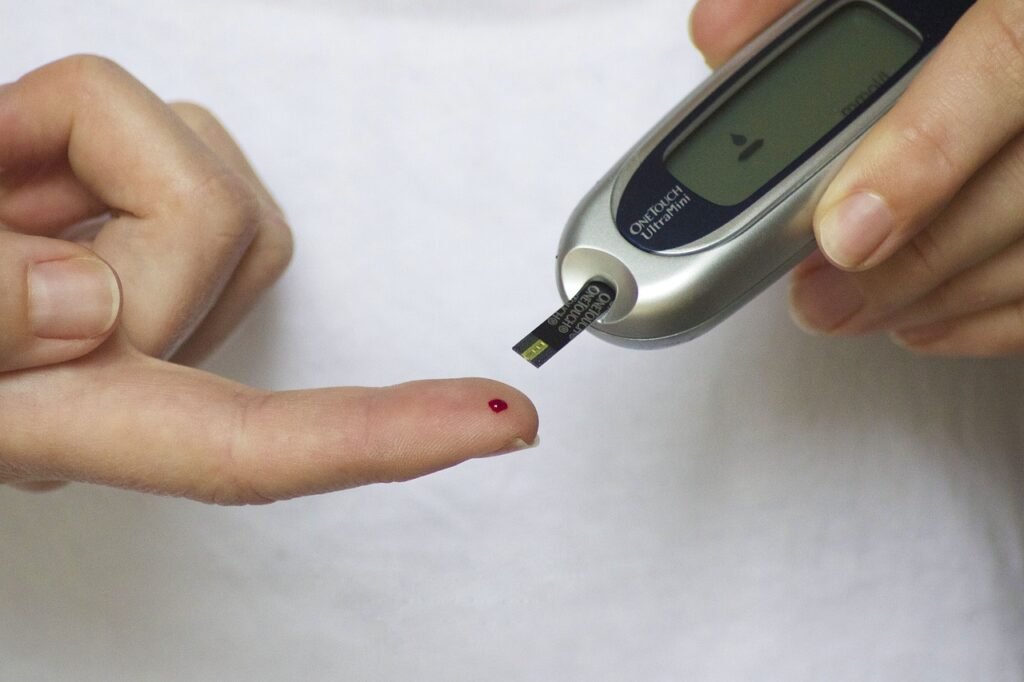
Monitoring blood sugar levels is an essential part of diabetes management. This can be done through regular self-monitoring of blood glucose (SMBG) using a glucose meter. Blood sugar levels can vary throughout the day, so it is important to test at different times and keep a record of your readings. This information can help you and your healthcare provider make necessary adjustments to your treatment plan.

A1C Testing
In addition to blood sugar monitoring, A1C testing is also used to assess how well you are managing your diabetes over a longer period of time. The test measures the percentage of hemoglobin that is coated with sugar. The American Diabetes Association recommends an A1C goal of less than 7% for most adults with diabetes. This target may vary depending on individual circumstances, so it is important to work with your healthcare provider to determine the best A1C goal for you.
Healthy Diet and Nutrition
A balanced diet is an essential component of diabetes management. It is important to consume a variety of foods from different food groups to ensure that you are getting all the necessary nutrients. Some key components of a healthy diet for diabetes include consuming adequate amounts of whole grains, lean proteins, fruits, vegetables, and healthy fats. It is also important to limit the intake of processed foods, sugary beverages, and foods high in saturated and trans fats.
Carbohydrate Counting
Carbohydrate counting is a useful tool for managing blood sugar levels in people with diabetes. Carbohydrates directly affect blood sugar levels, so it is important to monitor and control your carbohydrate intake. Carbohydrate counting involves estimating the amount of carbohydrates in foods and adjusting your insulin dose or meal plan accordingly. This can help ensure that your blood sugar levels are within the target range.
Glycemic Index and Load
The glycemic index (GI) is a ranking system that measures how carbohydrates in foods affect blood sugar levels. Foods with a high GI score cause a rapid increase in blood sugar levels, while foods with a low GI score cause a slower, more gradual increase. The glycemic load (GL) takes into account both the quantity and quality of carbohydrates in a serving of food. It is important to consider the GI and GL of foods when planning meals, as it can help manage blood sugar levels more effectively.
Meal Planning Tips
When planning meals, it is important to balance carbohydrates, proteins, and fats to help regulate blood sugar levels. Aim to include a variety of nutrient-dense foods in your meals, such as whole grains, lean proteins, fruits, and vegetables. It is also important to practice portion control and eat smaller, more frequent meals throughout the day. Planning ahead and meal prepping can make it easier to stick to a healthy eating plan.
Benefits of Exercise for Diabetes
Regular exercise is beneficial for managing diabetes. Exercise helps lower blood sugar levels, improves insulin sensitivity, and promotes weight loss. It also helps reduce the risk of cardiovascular complications associated with diabetes, such as heart disease and stroke. In addition to these physical benefits, exercise can also improve mood, reduce stress, and boost overall well-being.
Types of Physical Activity
There are many types of physical activities that you can engage in to manage your diabetes. Aerobic exercises such as walking, jogging, cycling, swimming, and dancing are particularly effective in improving cardiovascular health and managing blood sugar levels. Strength training exercises, which involve using weights or resistance bands, help build muscle and increase metabolism. Flexibility exercises like yoga and stretching can improve range of motion and reduce the risk of injuries.
Creating an Exercise Routine
When creating an exercise routine, it is important to start slow and gradually increase the intensity and duration of your workouts. Aim for at least 150 minutes of moderate-intensity aerobic activity or 75 minutes of vigorous-intensity aerobic activity per week. Spread out your exercise sessions throughout the week and include a combination of aerobic, strength training, and flexibility exercises. It is also important to listen to your body, stay hydrated, and make adjustments as needed.
Types of Diabetes Medications
There are several types of medications available to manage diabetes, and the choice of medication depends on the type of diabetes and individual factors. For type 2 diabetes, oral medications such as metformin, sulfonylureas, and thiazolidiones are commonly prescribed. These medications work to lower blood sugar levels and improve insulin sensitivity. In some cases, insulin therapy may be necessary, even for those with type 2 diabetes. For type 1 diabetes, insulin is the main form of treatment.
Insulin Therapy
Insulin therapy is a crucial component of diabetes management for those with type 1 diabetes and sometimes for those with type 2 diabetes as well. Insulin can be injected using a syringe or insulin pen, or it can be delivered through an insulin pump. There are different types of insulin available, including long-acting, rapid-acting, short-acting, and intermediate-acting. Your healthcare provider will work with you to determine the appropriate type and dosage of insulin based on your individual needs.

Monitoring and Adjusting Medications
Regular monitoring of blood sugar levels is important when taking diabetes medications or insulin. This helps determine whether the medication or insulin dosage needs to be adjusted. It is important to work closely with your healthcare provider and follow their instructions when it comes to medication management. They may recommend periodic blood tests or other assessments to monitor your diabetes management progress and make any necessary modifications to your treatment plan.
Effects of Stress on Blood Sugar
Stress can have a significant impact on blood sugar levels. Stress hormones can cause an increase in blood sugar levels, especially in people with diabetes. Additionally, stress can make it more difficult to manage diabetes effectively by interfering with your ability to stick to a healthy eating plan, exercise routine, and medication schedule. It is important to develop effective stress management techniques to help maintain stable blood sugar levels.
Stress-Reducing Techniques
There are various stress-reducing techniques that can help manage stress and maintain stable blood sugar levels. These include deep breathing exercises, meditation, yoga, mindfulness, engaging in hobbies, spending time with loved ones, and practicing relaxation techniques. Regular physical activity can also help reduce stress levels and improve overall well-being. Finding activities that you enjoy and incorporating them into your daily routine can be beneficial in managing stress.
Quitting Smoking
Smoking is detrimental to health in general, but it poses additional risks for people with diabetes. Smoking increases the risk of cardiovascular complications associated with diabetes, such as heart disease and stroke. It also makes it more difficult to manage blood sugar levels and increases the risk of diabetic complications. Quitting smoking is not easy, but there are various resources available to help you quit, including support groups, medications, and counseling.
Limiting Alcohol Consumption
Alcohol can have an impact on blood sugar levels and should be consumed in moderation. Excessive alcohol consumption can cause a decrease in blood sugar levels, leading to hypoglycemia. It is important to monitor your blood sugar levels when drinking alcohol and to consume it alongside food. It is also essential to consult with your healthcare provider to determine whether alcohol is safe for you to consume based on your individual circumstances and any medications you may be taking.
Getting Adequate Sleep
Sleep is important for overall health and well-being, and it plays a significant role in diabetes management. Lack of sleep can affect blood sugar levels and insulin sensitivity, making it more challenging to manage diabetes effectively. It is recommended to aim for seven to nine hours of quality sleep per night. Establishing a regular sleep schedule, creating a relaxing bedtime routine, and creating a comfortable sleep environment can all contribute to better sleep quality.
Importance of Foot Care
People with diabetes are at an increased risk of foot problems due to nerve damage and poor blood circulation. It is crucial to take good care of your feet to prevent complications such as foot ulcers and infections. This includes inspecting your feet daily for cuts, blisters, or any signs of infection, keeping your feet clean and moisturized, wearing comfortable and properly fitting shoes, and avoiding going barefoot. Regular foot examinations by a healthcare professional are also recommended.
Preventing Foot Ulcers and Complications
To prevent foot ulcers and other complications, it is important to practice proper foot care. This includes avoiding activities that can cause injury to the feet, such as walking barefoot, using heating pads or hot water bottles, or applying adhesive tape directly to the skin. It is also important to maintain good blood sugar control, as high blood sugar levels can impair wound healing. If you notice any changes in the appearance or sensation of your feet, it is important to seek medical attention promptly.
Regular Eye Exams
Regular eye exams are crucial for maintaining good eye health and preventing vision problems associated with diabetes. Diabetes can increase the risk of developing diabetic retinopathy, a condition that affects the blood vessels in the retina. Diabetic retinopathy can lead to vision loss if left untreated. Annual dilated eye exams can help detect the early signs of diabetic retinopathy or other eye conditions, allowing for timely intervention and treatment, if necessary.
Diabetic Retinopathy Prevention
Apart from regular eye exams, there are other steps you can take to prevent or minimize the risk of diabetic retinopathy. These include maintaining good blood sugar control, managing blood pressure and cholesterol levels, and quitting smoking if you are a smoker. These lifestyle factors can help reduce the risk of developing diabetic retinopathy and other eye complications linked to diabetes. It is important to follow your healthcare provider’s recommendations and attend regular check-ups to monitor your eye health.
Gestational Diabetes
Gestational diabetes occurs during pregnancy and typically resolves after childbirth. However, it is important to manage gestational diabetes effectively to minimize complications for both the mother and baby. Treatment for gestational diabetes involves a combination of healthy eating, regular physical activity, and, in some cases, insulin therapy. Monitoring blood sugar levels closely during pregnancy and following a tailored treatment plan can help ensure a healthy pregnancy and reduce the risk of long-term diabetes.
Preconception and Pregnancy Planning
For women with diabetes who are planning to conceive, preconception planning is essential. This involves optimizing blood sugar control, managing any associated medical conditions, and adjusting medications if necessary. It is important to work closely with your healthcare provider to develop a personalized plan that ensures a safe and healthy pregnancy. Regular prenatal care and close monitoring of blood sugar levels throughout pregnancy are also crucial to prevent complications.
Managing Blood Sugar Levels
Managing blood sugar levels during pregnancy requires close monitoring and adjustments to your treatment plan as needed. This may include more frequent blood sugar testing, modifications to your diet and physical activity, and, in some cases, medication or insulin therapy. It is important to follow your healthcare provider’s recommendations and attend regular check-ups to ensure that both you and your baby are healthy. Gestational diabetes can increase the risk of certain complications, but with proper management, the majority of women have successful pregnancies.