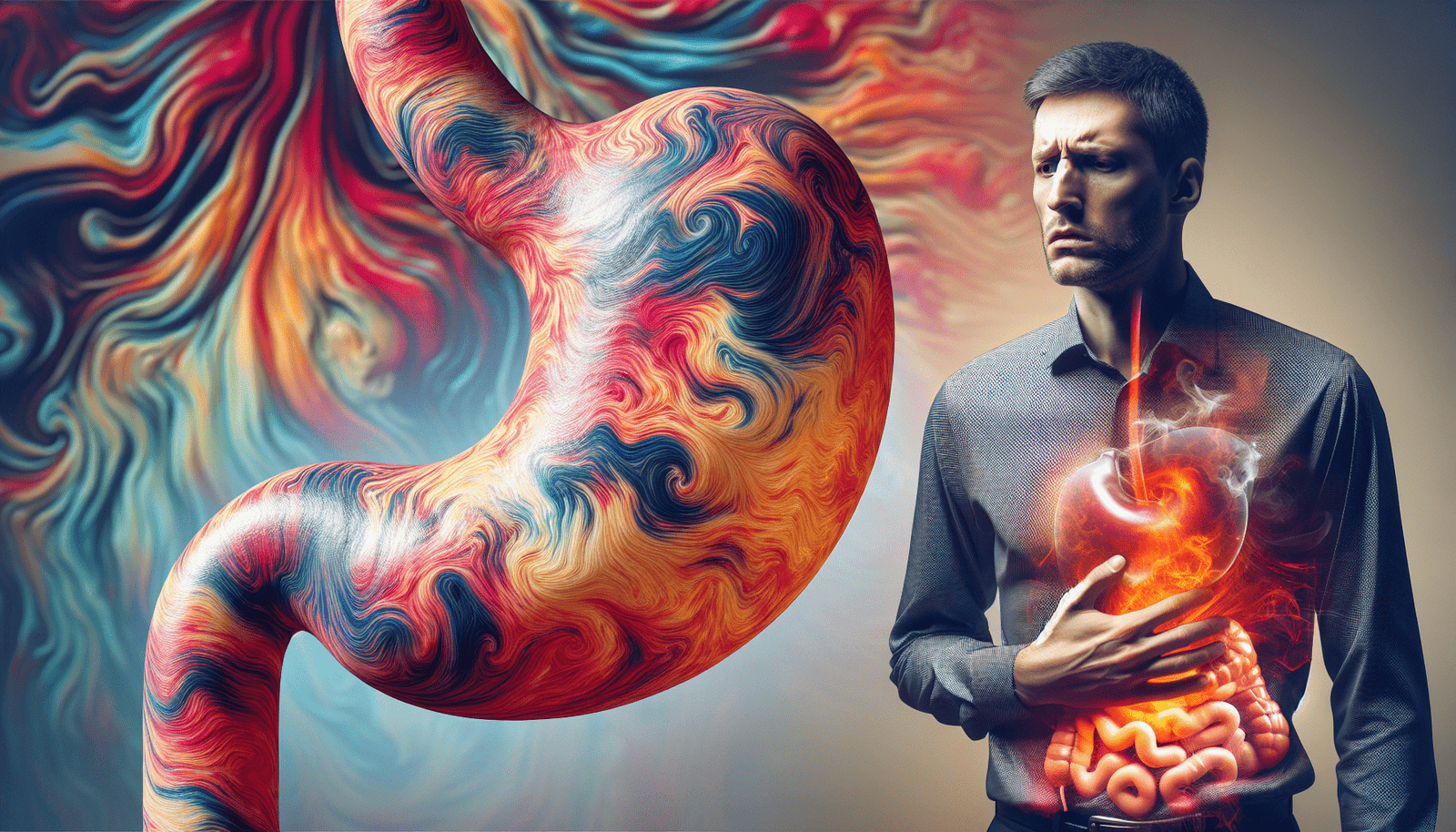
What if the discomfort in your chest could be linked to your anxiety?
Understanding Acid Reflux
Acid reflux, often known as gastroesophageal reflux disease (GERD), occurs when the stomach acid flows back into the esophagus. This backflow can lead to a burning sensation in your chest, commonly referred to as heartburn. If you’ve experienced this, you know how uncomfortable it can be.
Symptoms of Acid Reflux
Recognizing the symptoms of acid reflux can help you manage it effectively. Here are some common signs to watch out for:
| Symptom | Description |
|---|---|
| Heartburn | A burning sensation in the chest after eating |
| Regurgitation | Sour or bitter-tasting acid backing up into your throat |
| Difficulty Swallowing | A feeling that food is stuck in your throat |
| Chronic Cough | Persistent cough or a sensation of a lump in your throat |
| Sore Throat | Irritation in the throat due to acid exposure |
If you’re experiencing any of these symptoms frequently, it’s advisable to consult a medical professional for guidance.
Causes of Acid Reflux
Understanding what causes acid reflux can help you avoid triggers. Here are some common culprits:
-
Dietary Choices: Certain foods and drinks, such as spicy dishes, citrus fruits, chocolate, caffeine, and fatty foods, can increase stomach acid production.
-
Lifestyle Factors: Overeating, eating close to bedtime, smoking, and obesity can contribute to acid reflux by putting extra pressure on the stomach.
-
Medical Conditions: Conditions like hiatal hernia, pregnancy, or gastroparesis can also lead to acid reflux symptoms.
By identifying and managing these causes, you may find relief from the discomfort.
The Connection Between Anxiety and Acid Reflux
You might be surprised to learn that anxiety can play a significant role in worsening acid reflux symptoms. When you feel anxious, your body enters a state of heightened alertness, affecting your digestive system.
How Anxiety Triggers Acid Reflux
When you’re anxious, your body releases stress hormones like adrenaline. These hormones can impact your stomach, causing it to produce more acid and leading to an increase in reflux occurrences. Here’s how anxiety can create a cycle of discomfort:
-
Heightened Sensitivity: Anxiety can make you more sensitive to bodily sensations, so you might interpret the normal acid sensations as more intense discomfort.
-
Stress Eating: Many individuals tend to cope with anxiety by turning to food, often indulging in unhealthy choices that can exacerbate symptoms.
-
Muscle Tension: Anxiety often leads to muscle tension, including the muscles in your gastrointestinal tract, which can impair proper digestion.
Understanding this cycle can empower you to seek relief from both anxiety and acid reflux simultaneously.
Symptoms of Anxiety
Feeling overwhelmed or stressed can manifest in various ways. Recognizing the symptoms of anxiety allows you to address your emotional health alongside your physical health. Here are some symptoms to watch for:
| Symptom | Description |
|---|---|
| Restlessness | Feeling keyed up or on edge |
| Fatigue | Reduced energy, feeling tired even with adequate sleep |
| Irritability | Increased sensitivity to stressors |
| Difficulty Concentrating | Having trouble focusing or feeling blank |
| Muscle Tension | Tightness or aches in muscles, including those around the abdomen |
If you relate to these symptoms, remember that you’re not alone, and help is available.

Managing Acid Reflux
If you’re wondering how to manage your acid reflux effectively, you’re in the right place! Several lifestyle changes and treatments can help alleviate symptoms.
Diet Modifications
Making some dietary changes can go a long way in managing acid reflux. Here are a few tips:
-
Identify Trigger Foods: Keep a food diary to identify any foods or beverages that worsen your symptoms. Common trigger foods include chocolate, caffeine, and spicy foods.
-
Eat Smaller Meals: Instead of consuming three large meals, try eating smaller, more frequent meals throughout the day to reduce pressure on your stomach.
-
Avoid Eating Before Bed: Make it a habit to finish your last meal at least three hours before lying down to allow your body to properly digest.
Lifestyle Changes
In addition to diet, adopting healthier lifestyle habits can significantly reduce acid reflux occurrence:
| Change | Description |
|---|---|
| Maintain a Healthy Weight | Excess weight increases pressure on the stomach, leading to reflux. |
| Elevate Your Head While Sleeping | Use a wedge pillow or raise the head of your bed to decrease nighttime symptoms. |
| Stay Hydrated | Drinking water throughout the day can help with digestion, but avoid large amounts during meals. |
Implementing these changes can help create a supportive environment for your digestive system.
Medication Options
While lifestyle modifications are crucial, sometimes medication is needed to manage acid reflux effectively. Here are some common types of medications:
-
Antacids: These over-the-counter medications neutralize stomach acid and provide quick relief.
-
H2-Receptor Antagonists: These reduce acid production and can provide longer-lasting relief than antacids.
-
Proton Pump Inhibitors (PPIs): These are stronger medications that block acid production entirely and are effective for severe cases.
Always consult with a healthcare provider before starting any medication to ensure it’s appropriate for your situation.
Addressing Anxiety
Just as you take steps to manage acid reflux, it’s important to address anxiety as well. Here are some techniques to help you cope:
Cognitive Behavioral Therapy (CBT)
CBT is a widely recognized treatment for anxiety that focuses on changing negative thought patterns. By learning to identify and challenge unhelpful thoughts, you can reduce anxiety and its physical manifestations.
Mindfulness and Relaxation Techniques
Incorporating mindfulness into your daily routine can be beneficial for managing anxiety. Here are a few techniques to consider:
-
Deep Breathing: Practice deep breathing exercises to calm your mind and body.
-
Meditation: Engaging in regular meditation can help you develop a sense of calm and control.
-
Yoga: This practice combines physical movement with mindfulness, promoting relaxation and reducing anxiety.
Exercise
Regular physical activity has been shown to reduce anxiety symptoms significantly. Exercise releases endorphins, which are natural mood lifters. Aim for at least 30 minutes of moderate activity most days of the week.

Seeking Professional Help
If you find that your anxiety and acid reflux symptoms are overwhelming, don’t hesitate to reach out for professional help. A healthcare provider can help develop a personalized treatment plan tailored to your needs.
Possible Treatment Options
-
Therapist or Counselor: Talking with a mental health professional can provide valuable coping strategies and emotional support.
-
Dietitian: Working with a registered dietitian can help you create a balanced meal plan that addresses both acid reflux and general health.
-
Support Groups: Connecting with others who are experiencing similar challenges can be a helpful way to share experiences and coping strategies.
Conclusion
Recognizing the intricate relationship between acid reflux and anxiety can empower you to take control of your health. By making informed dietary choices, implementing lifestyle changes, and seeking help when necessary, you can manage both conditions effectively.
You deserve to feel comfortable in your body and at peace in your mind. Whether it’s through diet, therapy, or medication, know that there are paths to relief. Remember, small changes can lead to substantial improvements, so take your time and find what works best for you. Don’t hesitate to reach out for support from healthcare professionals and your loved ones. Together, you can navigate this journey toward better health and happiness.