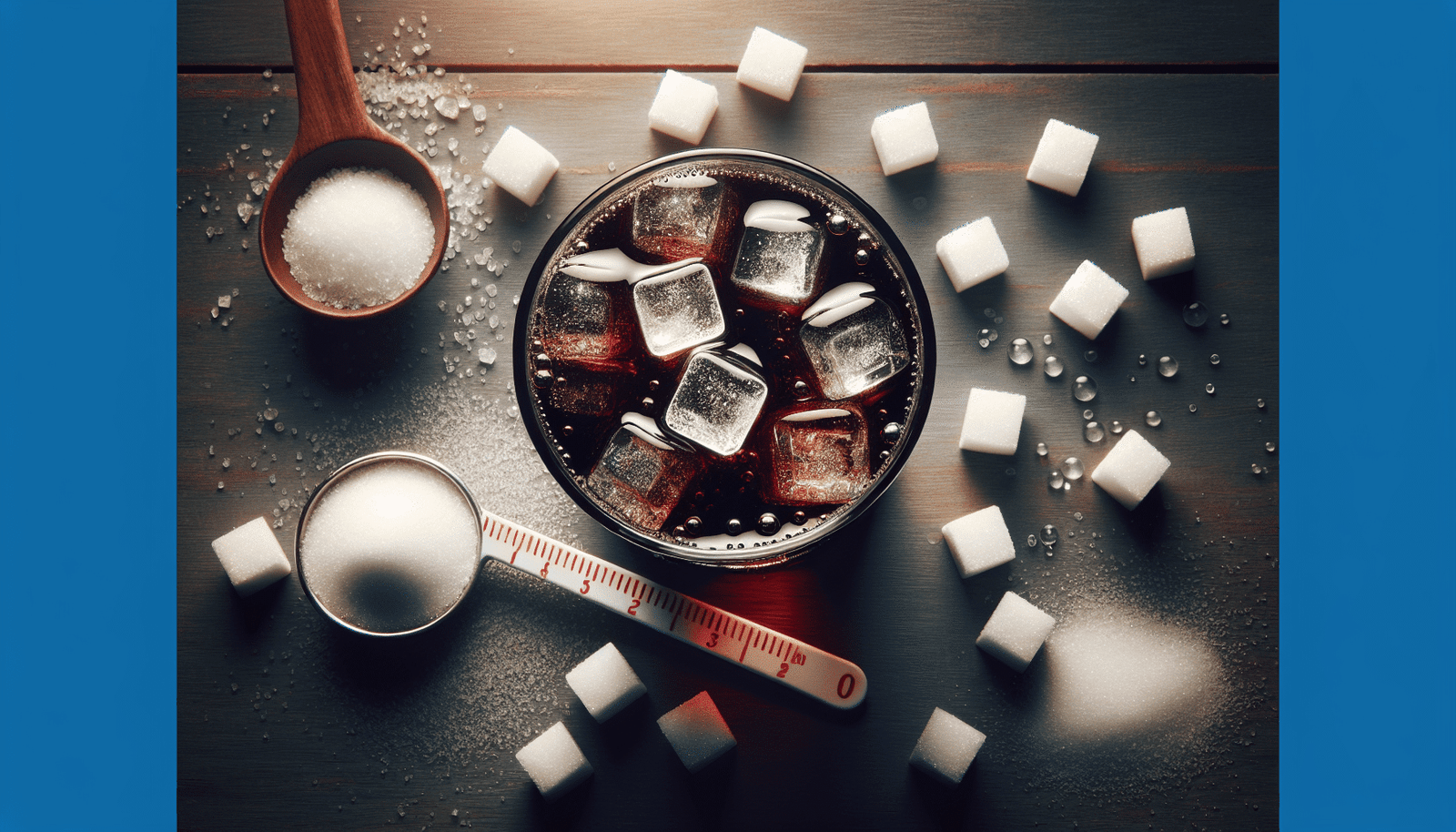
What’s in your glass? You might be surprised to discover how much the drinks you enjoy can affect your blood sugar levels. It’s easy to overlook the impact of beverages in our daily diets, but they can play a crucial role in managing diabetes or even preventing blood sugar spikes. Let’s take a closer look at some of the worst offenders.

The Connection Between Drinks and Blood Sugar
When you consider blood sugar levels, you might immediately think of food. However, drinks can be just as significant, if not more influential. Sugary beverages and even some seemingly harmless drinks can have a drastic effect on your body, causing those levels to soar.
Understanding which drinks can contribute to these spikes is essential for maintaining your overall health, particularly if you are managing diabetes or simply wish to keep your blood sugar stable.
How Blood Sugar Works
Before we dig into the specific drinks to watch out for, it’s crucial to have a grasp of how blood sugar functions. When you eat, your body converts food into glucose, the primary energy source for your cells. Insulin, a hormone produced by your pancreas, helps move glucose from your blood into your cells.
However, consuming foods and drinks with high sugar content can lead to an overload of glucose, overwhelming your insulin response and resulting in elevated blood sugar levels. Over time, this can lead to insulin resistance, prediabetes, or even type 2 diabetes.
The Role of Drinks in Blood Sugar Levels
You might think of your morning coffee or that refreshing soda as just part of your routine, but think again. Beverages can contain hidden sugars and carbohydrates that can affect your blood sugar in significant ways. Knowing the worst offenders will equip you to make better choices about what you sip.
The Three Worst Drinks for Blood Sugar
Now, let’s break down the three drinks you definitely want to be cautious about if you’re serious about maintaining stable blood sugar levels.
1. Sugar-Sweetened Beverages (Sodas, Fruit Drinks, Sweetened Iced Teas)
Sugar-sweetened beverages are a major contributor to elevated blood sugar levels. These drinks can include sodas, fruit cocktails, and sweetened iced teas.
Why They Matter
- High Sugar Content: A can of soda can pack up to 40 grams of sugar, easily surpassing the recommended daily limit.
- Rapid Absorption: Liquid sugar is absorbed more quickly than solid sugar; therefore, you can see spikes in your blood sugar levels almost immediately after consumption.
- Empty Calories: These drinks provide calories without nutrients, leading to weight gain and long-term health problems.
Consider a typical soda; a 12-ounce serving can contain over 150 calories and 39 grams of sugar.
2. Energy Drinks
Next on the list are energy drinks, which have become increasingly popular, especially among younger individuals looking for a quick boost.
Why They Matter
- High Sugar and Caffeine: Many energy drinks are loaded with sugar and caffeine, which can raise your blood sugar levels and cause insulin resistance over time.
- Variable Ingredients: Some energy drinks contain vitamins and herbal supplements, but these do not compensate for high sugar levels.
- Risk of Overconsumption: The allure of a quick rush can lead to multiple servings in one day, further exacerbating blood sugar issues.
For instance, a 16-ounce energy drink can contain anywhere from 27 to 34 grams of sugar. This can skyrocket your blood sugar levels in a matter of minutes.
3. Sweetened Coffee Drinks
Your daily coffee run might seem harmless, but those sweetened coffee drinks can be deceptively high in sugar.
Why They Matter
- Flavored Syrups: Many coffee drinks feature flavored syrups, whipped cream, and milk, significantly raising the sugar content.
- Portion Size: Specialty coffees can often exceed 16 or 20 ounces, leading to an excessive intake of sugar and calories.
- Harmful Additives: Ingredients like artificial sweeteners can also confuse your body’s insulin response, leading to potential long-term issues with blood sugar management.
Take, for example, a large flavored latte from a popular chain. It can easily contain over 60 grams of sugar, which is more than your daily limit in a single drink.
Making Better Beverage Choices
So, what can you enjoy instead? It’s vital to choose beverages that support your blood sugar management rather than hinder it. Here are some alternatives:
Water
The simplest and most effective choice is plain water.
- Zero Calories: Hydrating without affecting blood sugar.
- Supports Metabolism: Proper hydration helps in the efficient metabolism of sugars and fats.
- Flavor Options: If you find plain water boring, try adding cucumber, lemon, or mint for a refreshing twist without the sugar.
Unsweetened Tea and Coffee
Tea and coffee can be excellent choices if enjoyed unsweetened.
- Rich in Antioxidants: Both drinks are loaded with health benefits and antioxidants, which can help reduce inflammation.
- Flavor Variety: Experimenting with different teas can provide various flavors without added sugars.
Low-Calorie or Sugar-Free Drinks
If you crave something fizzy, choose drinks that are low in calories or sugar-free.
Tips for Selection
- Check Labels: Always read nutrition labels to ensure you’re choosing low-sugar options.
- Know the Ingredients: Avoid those with high-fructose corn syrup or added sugars.

The Bigger Picture: Lifestyle Changes
Changing what you drink is just one part of managing blood sugar levels. Nutrition, physical activity, and regular health check-ups also play critical roles in your health journey.
Nutrition’s Role
Aim for a balanced diet that includes whole foods—fruits, vegetables, whole grains, and lean proteins. Reducing the intake of processed foods will not only help with blood sugar levels but also improve overall well-being.
The Power of Physical Activity
Incorporating regular exercise into your routine can help maintain blood sugar levels effectively.
- Types of Activities: Whether it’s walking, swimming, or dancing, find something you enjoy!
- Consistency is Key: Aim for at least 150 minutes of moderate aerobic activity each week.
Monitoring Your Health
Being proactive about your health can assist in managing your blood sugar levels more effectively.
Regular Check-ups
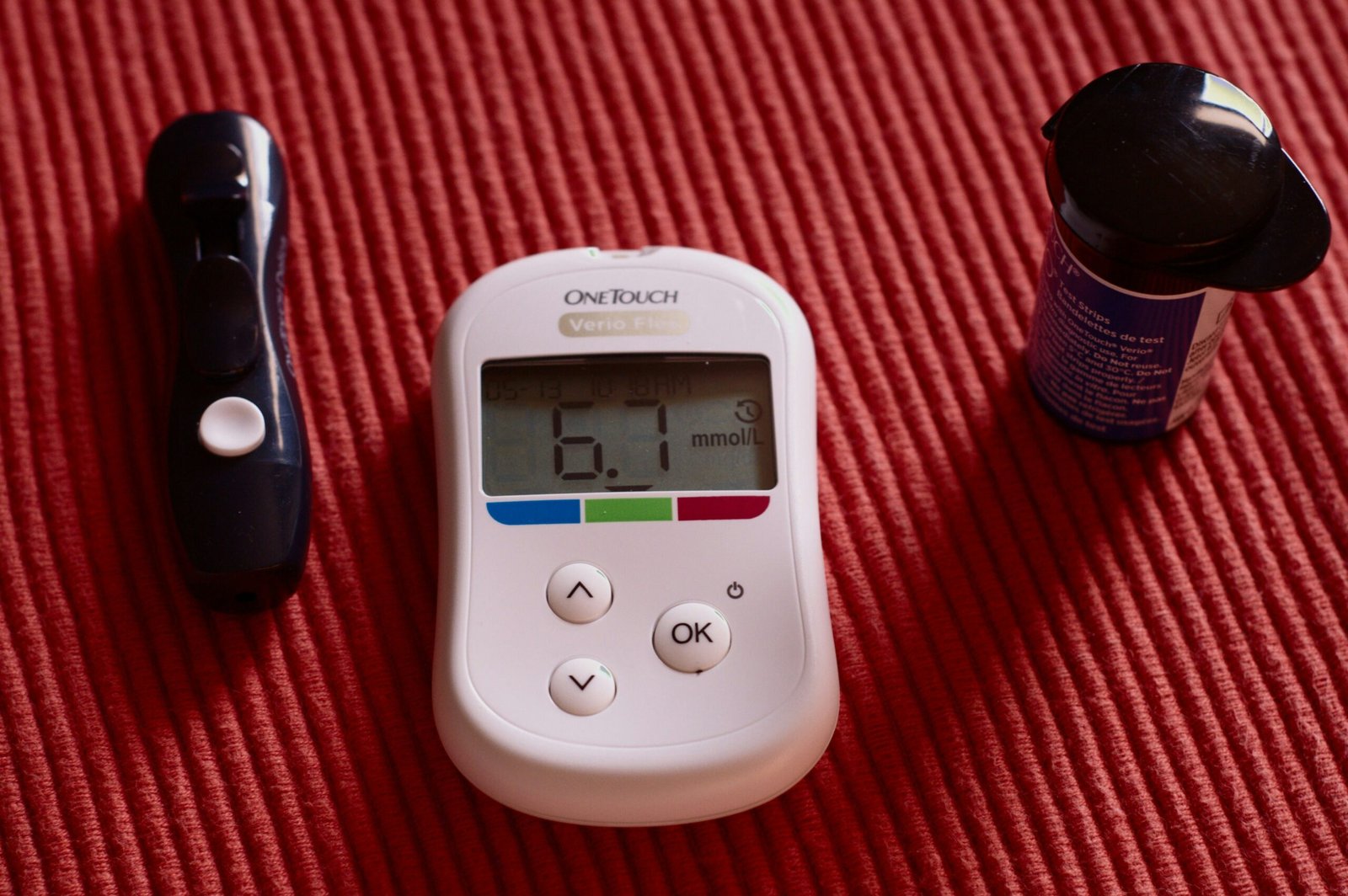
- Stay Informed: Regular check-ups with your healthcare provider can help you stay informed about your blood sugar levels and overall health.
- Know Your Numbers: Understand what your blood sugar levels should be and the best targets for your age and health status.

Conclusion: Small Changes Make a Big Difference
You might think individual drink choices don’t matter much in the grand scheme of things. However, when you consider that they can influence blood sugar levels, energy, mood, and overall health, it becomes clear how vital these choices are.
Remember that avoiding sugar-laden sodas, energy drinks, and sweetened coffee drinks can lead to significant benefits for your blood sugar management. Replace them with simpler, healthier options like water, unsweetened coffee, and herbal teas.
You’re steering your health in the right direction, one sip at a time. Embrace these changes, and you will likely find not only your blood sugar levels stabilizing but also an overall improved sense of well-being.