In this article, you will explore the topic of ADHD medication, uncovering its benefits, risks, and possible alternatives. ADHD, or Attention Deficit Hyperactivity Disorder, is a condition that affects both children and adults, causing difficulties with focus, impulsivity, and hyperactivity. For those seeking ways to manage this condition, understanding the pros and cons of medication options can be crucial. However, it is also important to explore alternative approaches that may provide relief and support without the potential side effects. So, if you or someone you know is navigating the world of ADHD treatment, read on to discover valuable insights and considerations.

Overview of ADHD Medication
Introduction to ADHD medication
ADHD (Attention-Deficit/Hyperactivity Disorder) is a neurodevelopmental disorder that affects both children and adults. It is characterized by symptoms such as inattention, hyperactivity, and impulsivity. While ADHD cannot be cured, medication is often prescribed as part of a comprehensive treatment plan to manage symptoms and improve daily functioning. ADHD medication can help individuals with ADHD to increase their attention span, reduce hyperactivity and impulsivity, and enhance overall self-control and decision-making abilities.
Commonly prescribed medications
There are several types of medications commonly prescribed for ADHD, including stimulants and non-stimulants. Stimulant medications, such as methylphenidate and amphetamines, are the most widely used and effective medications for treating ADHD. Non-stimulants, such as atomoxetine and certain antidepressants, are typically prescribed when stimulants are not suitable or do not provide sufficient relief of symptoms.
Mechanisms of action
ADHD medications work by affecting the levels of certain chemicals in the brain that are involved in regulating attention, impulsivity, and hyperactivity. Stimulant medications increase the levels of dopamine and norepinephrine, which help to improve focus and attention, while non-stimulant medications mainly target norepinephrine levels in the brain.
Benefits of ADHD Medication
Improved attention and focus
One of the key benefits of ADHD medication is the improvement in attention and focus. By increasing the levels of dopamine and norepinephrine in the brain, the medication helps individuals to better concentrate on tasks, stay on track, and organize their thoughts. This improvement in attention can have a positive impact on academic or occupational performance, as well as daily functioning.
Reduction in hyperactivity and impulsivity
ADHD medication is also effective in reducing hyperactivity and impulsivity. By regulating the chemicals in the brain that control these behaviors, the medication helps individuals to have better control over their actions and impulses. This can lead to improvements in social interactions, behavior management, and overall self-control.
Enhanced academic or occupational performance
Many individuals with ADHD struggle with academic performance or job productivity due to difficulties with attention and focus. ADHD medication can significantly enhance academic or occupational performance by improving concentration, reducing distractions, and increasing productivity. This can result in improved grades, job performance, and overall satisfaction in these areas.
Better self-control and decision-making
Impulsivity is a common challenge for individuals with ADHD, often leading to impulsive actions and poor decision-making. ADHD medication can help individuals to better control their impulses, make more thoughtful decisions, and consider the consequences of their actions. This can lead to improved relationships, better financial management, and overall growth in decision-making skills.
Risks and Side Effects of ADHD Medication
Common side effects
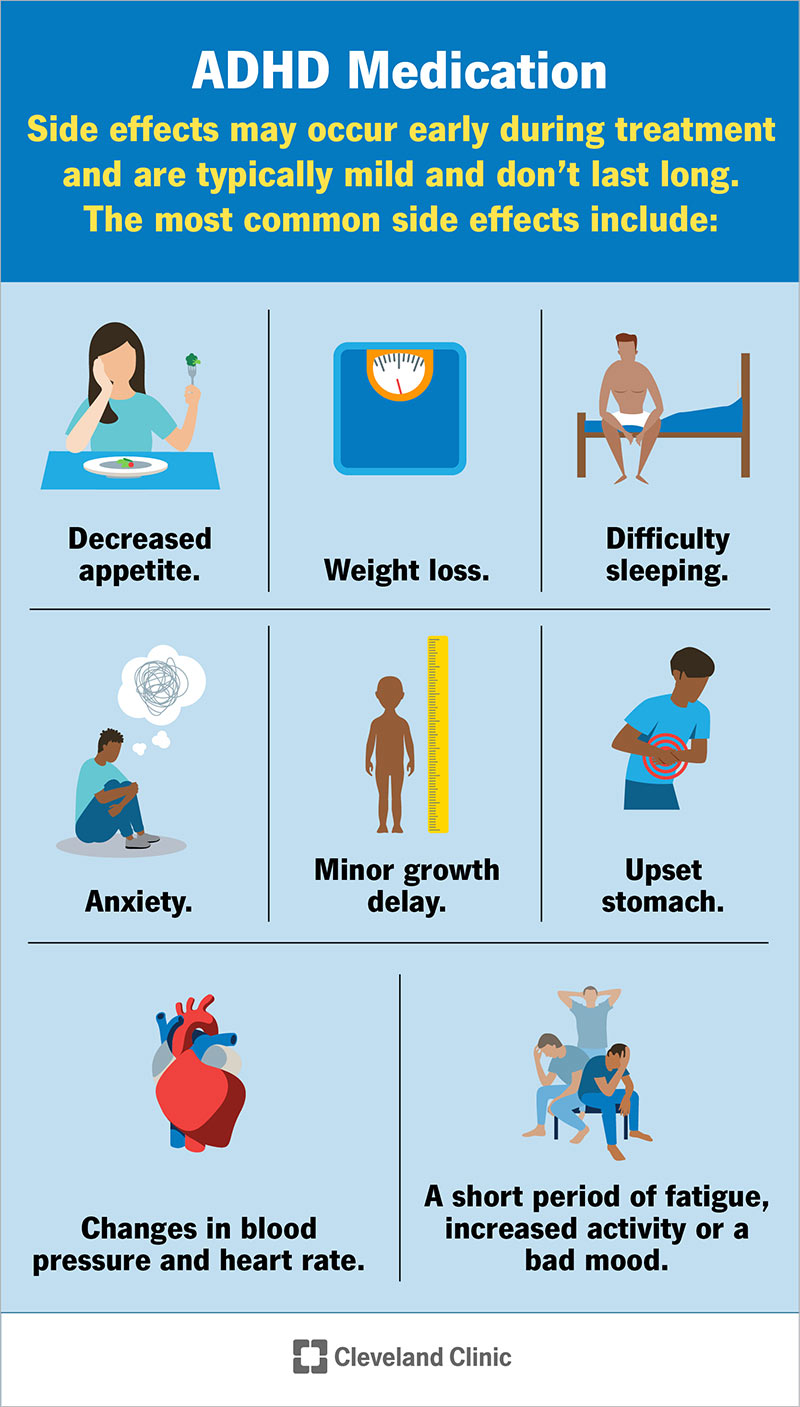
Like any medication, ADHD medications can have side effects. Common side effects of stimulant medications may include decreased appetite, trouble sleeping, increased heart rate, and feelings of restlessness. Non-stimulant medications may have side effects such as upset stomach, drowsiness, and sexual dysfunction. It is important to note that not everyone will experience these side effects, and they can often be managed or minimized with the help of healthcare professionals.
Potential cardiovascular risks
There have been concerns raised about the potential cardiovascular risks associated with stimulant medications. Some studies have suggested a slight increase in heart rate and blood pressure in individuals taking these medications, but the overall risk is generally considered to be low. However, individuals with pre-existing heart conditions should consult with their healthcare professionals before starting ADHD medication to determine the most appropriate treatment plan.
Sleep disturbances and appetite changes
One common side effect of stimulant medications is trouble sleeping, especially if taken later in the day. This can be managed by taking the medication earlier in the day or adjusting the dosage. Additionally, stimulant medications may suppress appetite, leading to temporary weight loss or decreased appetite. It is important to monitor nutritional intake and consult with a healthcare professional if appetite changes become a concern.
Mood and behavioral changes
In some cases, ADHD medication may cause mood swings or behavioral changes, including irritability, anxiety, or even aggression. It is important to communicate any changes in mood or behavior to a healthcare professional, as adjustments to the medication dosage or alternative medications may be necessary. These side effects are generally rare, but should be taken seriously and monitored closely.
Long-term effects and unknowns
Long-term effects of ADHD medication are still under investigation, as ADHD is a chronic condition requiring long-term treatment. While some studies suggest that stimulant medications are safe and effective for extended use, there is ongoing research to better understand the potential long-term effects. It is important for individuals and their healthcare professionals to weigh the benefits and risks of long-term medication use on an individual basis.
Considerations Before Starting Medication
Proper diagnosis by a healthcare professional
Before starting ADHD medication, it is crucial to obtain a proper diagnosis from a healthcare professional. ADHD can present with a wide range of symptoms, and an accurate diagnosis is essential to determine the most effective treatment plan. A comprehensive evaluation may involve a thorough medical history, behavioral assessments, and input from teachers or parents.
Assessing the severity of symptoms
The severity of ADHD symptoms can vary greatly among individuals. It is important to assess the impact of symptoms on daily functioning to determine the most appropriate course of treatment. This may involve evaluating academic or occupational performance, social relationships, and overall quality of life. Healthcare professionals can help assess the severity of symptoms and guide treatment decisions accordingly.
Evaluating comorbidities and other health conditions
ADHD often coexists with other conditions, such as anxiety, depression, or learning disabilities. It is important to evaluate and address these comorbidities when designing a treatment plan. Medication choices may be influenced by the presence of comorbid conditions, and additional therapeutic interventions may be necessary to address their specific symptoms and challenges.
Understanding personal preferences and goals
Every individual has unique preferences and goals when it comes to managing their ADHD. It is important to consider personal preferences and treatment goals when deciding on medication options. Some individuals may prioritize symptom reduction, while others may prioritize minimizing side effects or maximizing academic or occupational performance. Open communication with healthcare professionals is vital to ensure that treatment plans align with individual needs.

Stimulant Medication for ADHD
Introduction to stimulant medications
Stimulant medications are the most commonly prescribed and effective treatments for ADHD. They work by increasing the levels of dopamine and norepinephrine in the brain, which improves focus, attention, and impulse control. Stimulants are available in different forms, including immediate-release and extended-release formulations.
Mechanism of action
Stimulant medications work by blocking the reuptake of dopamine and norepinephrine, allowing these neurotransmitters to remain in the brain for longer periods. This leads to increased activation of the brain regions involved in attention and impulse control, resulting in improved focus and reduced hyperactivity.
Examples of commonly prescribed stimulants
Some examples of commonly prescribed stimulant medications for ADHD include methylphenidate (Ritalin, Concerta), dextroamphetamine (Adderall), and lisdexamfetamine (Vyvanse). These medications may vary in terms of their duration of action, dosing flexibility, and formulation. It is important to work closely with healthcare professionals to find the most suitable stimulant medication and dosage for individual needs.
Effectiveness and duration of action
Stimulant medications are highly effective in managing ADHD symptoms for many individuals. They have been shown to significantly improve attention, reduce hyperactivity and impulsivity, and enhance overall functioning. The duration of action varies depending on the specific medication and formulation, with some lasting a few hours (immediate-release) and others lasting up to 12-14 hours (extended-release). Healthcare professionals will work with individuals to determine the optimal dosing schedule based on their specific needs.
Non-Stimulant Medication for ADHD
Introduction to non-stimulant medications
Non-stimulant medications are an alternative option for individuals who cannot tolerate or do not respond well to stimulant medications. They work by targeting norepinephrine levels in the brain, which helps to improve attention and impulse control. Non-stimulant medications are typically prescribed when stimulants are not suitable or when individuals require a longer-acting medication.
Mechanism of action
Non-stimulant medications, such as atomoxetine (Strattera) or certain antidepressants, work by increasing the availability of norepinephrine in the brain. This helps to regulate attention and impulse control, although they may have a different action compared to stimulant medications. Non-stimulant medications may be used alone or in combination with other treatments.
Examples of commonly prescribed non-stimulants
Atomoxetine (Strattera) is the most commonly prescribed non-stimulant medication for ADHD. It is approved for use in children, adolescents, and adults. Additionally, certain antidepressants, such as bupropion or tricyclic antidepressants, can also be used as off-label treatments for ADHD. These medications may be prescribed when stimulant medications are not suitable or when co-existing conditions, such as anxiety or depression, are present.
Effectiveness and considerations
Non-stimulant medications have been shown to be effective in managing ADHD symptoms, although they may not provide the same immediate or robust symptom relief as stimulant medications. They may take several weeks to reach full therapeutic effect, and dosages may need to be adjusted accordingly. It is important to work closely with healthcare professionals to monitor for side effects and evaluate the effectiveness of non-stimulant medications in individual cases.

Alternative Treatments for ADHD
Behavioral therapy
Behavioral therapy, such as cognitive-behavioral therapy (CBT) or behavior modification techniques, can be an effective complement or alternative to medication for managing ADHD. These therapies focus on developing skills and strategies to improve organization, time management, and impulse control. Behavioral therapy can be particularly beneficial for children and adolescents, helping them to better manage their symptoms and develop coping strategies.
Parenting strategies and support
In addition to individual therapy, parenting strategies and support can play a crucial role in managing ADHD symptoms. Parents can learn techniques for creating structured environments, setting clear expectations and consequences, and improving communication. Parenting support groups can also provide a valuable source of guidance and encouragement for both parents and caregivers.
Dietary modifications
While there is limited scientific evidence to support the efficacy of dietary modifications in managing ADHD, some individuals may find certain dietary changes helpful. Elimination diets, such as removing artificial food colorings or additives, may be worth considering for individuals who suspect that specific foods or additives exacerbate their symptoms. It is important to consult with healthcare professionals or registered dietitians before making significant dietary changes.
Exercise and physical activity
Regular exercise and physical activity have been shown to have a positive impact on ADHD symptoms. Exercise helps to increase dopamine and norepinephrine levels in the brain, which can improve focus, attention, and mood regulation. Engaging in activities such as sports, dance, or yoga can provide an outlet for excess energy and help individuals with ADHD to manage their symptoms.
Mindfulness techniques
Mindfulness techniques, such as meditation or deep breathing exercises, can help individuals with ADHD to improve their focus, self-awareness, and impulse control. Mindfulness-based interventions have been shown to reduce symptoms of ADHD and help individuals better manage stress and anxiety. Incorporating mindfulness practices into daily routines can provide valuable tools for self-regulation and emotional well-being.
Combination Therapy
Using medication in conjunction with alternative treatments
Combining medication with alternative treatments, such as behavioral therapy or lifestyle modifications, is often recommended for individuals with ADHD. While medication can effectively manage core symptoms, it may not address all aspects or challenges associated with ADHD. Alternative treatments can provide additional strategies for skill-building, behavior management, and overall well-being.
Benefits of combining different approaches
Combination therapy can offer a holistic approach to managing ADHD by addressing both the biological and behavioral aspects of the disorder. Medication can provide immediate symptomatic relief, while alternative treatments focus on developing long-term skills and strategies. By combining different approaches, individuals with ADHD can optimize their treatment outcomes and improve their overall quality of life.
Finding the right combination for individual needs
The optimal combination of medication and alternative treatments can vary depending on individual needs, preferences, and treatment goals. It is important to work closely with healthcare professionals to find the right combination and dosage that provides the best symptom management and overall well-being. Regular communication and monitoring can help ensure that treatments are adjusted as needed to achieve the desired outcomes.

Individual Differences and Personalized Treatment
Variability in ADHD symptoms and responses to medication
ADHD is a complex disorder with considerable variability in symptom presentation and treatment responses among individuals. What works well for one person may not necessarily be the best option for another. It is important to recognize and respect these individual differences, as treatment plans should be tailored to each person’s unique needs and circumstances. Open communication with healthcare professionals is key in finding the most effective and personalized treatment approach.
Tailoring treatment plans to individual needs
Personalized treatment plans take into account the unique characteristics and preferences of individuals with ADHD. This may involve adjusting medication dosages, considering comorbidities and co-existing conditions, and incorporating alternative treatments that align with the individual’s goals and values. Customizing treatment plans can optimize outcomes and improve overall adherence and satisfaction with the chosen interventions.
Collaborative decision-making with healthcare professionals
Collaboration between individuals with ADHD and their healthcare professionals is essential in designing and implementing effective treatment plans. Open and honest communication allows for shared decision-making, where individuals can voice their concerns, preferences, and treatment goals. Healthcare professionals can provide guidance, expertise, and ongoing support in navigating the complexities of managing ADHD and help individuals make informed decisions about their treatment options.
Conclusion
Recap of the benefits and risks of ADHD medication
ADHD medication can offer significant benefits for individuals with ADHD, including improved attention and focus, reduced hyperactivity and impulsivity, enhanced academic or occupational performance, and better self-control and decision-making. While there are potential risks and side effects associated with ADHD medication, they are generally manageable with proper monitoring and support from healthcare professionals.
Importance of considering alternatives and individual needs
While medication can be a valuable tool in managing ADHD symptoms, it is important to consider alternative treatments and lifestyle modifications that can complement or replace medication as part of a comprehensive treatment plan. Individual preferences, treatment goals, and severity of symptoms should be taken into account when deciding on the most appropriate approach.
Encouragement to consult with healthcare professionals for personalized guidance
To ensure the best outcomes and personalized treatment, individuals with ADHD should consult with healthcare professionals who specialize in ADHD. These professionals can provide accurate diagnoses, guide treatment decisions, monitor progress, and adjust treatment plans as needed. By working collaboratively with healthcare professionals, individuals with ADHD can find a treatment approach that meets their unique needs and enables them to thrive in daily life.