
Have you ever wondered what it means to advocate for autism awareness and break the stigma surrounding this condition? Autism, or Autism Spectrum Disorder (ASD), is a neurological condition that affects individuals in unique ways. It is important to understand and support those with ASD to foster a more inclusive and accepting society. In this article, we will explore the significance of advocating for autism awareness and how we can all play a part in breaking the stigma associated with autism.

1. Understanding Autism
1.1 What is Autism?
Autism, also known as Autism Spectrum Disorder (ASD), is a neurodevelopmental disorder that affects how a person perceives and interacts with the world around them. It is characterized by difficulties in social communication and interaction, as well as restricted and repetitive patterns of behavior, interests, and activities. People with autism may experience challenges in understanding and responding to social cues, maintaining eye contact, and engaging in reciprocal conversations.
1.2 Prevalence of Autism
Autism is more prevalent than many people realize. According to the Centers for Disease Control and Prevention (CDC), approximately 1 in every 54 children in the United States is diagnosed with autism. The prevalence of autism varies globally, but overall, it is becoming increasingly recognized and diagnosed in many countries. It is important to note that autism affects individuals from all racial, ethnic, and socioeconomic backgrounds, making it a truly universal concern.
1.3 Types of Autism Spectrum Disorder
Autism Spectrum Disorder is a broad term that encompasses a range of conditions and presentations. Within the spectrum, there are different types or subtypes of autism, each with its own characteristics and challenges. Some individuals may have milder symptoms and be diagnosed with Asperger’s Syndrome, while others may require more support due to significant difficulties in communication and behavior. It is essential to understand that autism is a spectrum, and each person’s experience of the disorder is unique.
2. Challenges Faced by Individuals with Autism
2.1 Social Communication Difficulties
One of the most significant challenges faced by individuals with autism is social communication difficulties. Autistic individuals often struggle with understanding nonverbal cues, such as facial expressions and body language, which can make social interactions confusing and overwhelming. They may also have difficulty initiating and maintaining conversations, understanding social norms, and expressing their emotions appropriately. These challenges can lead to social isolation and feelings of exclusion.
2.2 Sensory Sensitivities
Many individuals with autism experience sensory sensitivities, which can be profoundly distressing. They may be hypersensitive or hyposensitive to certain sensory stimuli such as lights, sounds, textures, and tastes. For example, bright lights may be overwhelming, loud noises may be unbearable, and certain fabrics may be uncomfortable to touch. These sensory sensitivities can affect a person’s ability to engage in daily activities, participate in social settings, and maintain focus and attention.
2.3 Repetitive Behaviors and Restricted Interests
Repetitive behaviors and restricted interests are another common aspect of autism. These behaviors can manifest in different ways, including repetitive body movements (such as hand-flapping or rocking), maintaining strict routines or rituals, and having intense interests in specific topics or objects. While these behaviors can provide a sense of comfort and predictability for individuals with autism, they may also impact their ability to engage in broader activities, adapt to changes, and connect with others who do not share the same interests.

3. The Importance of Autism Awareness
3.1 Promoting Acceptance and Inclusion
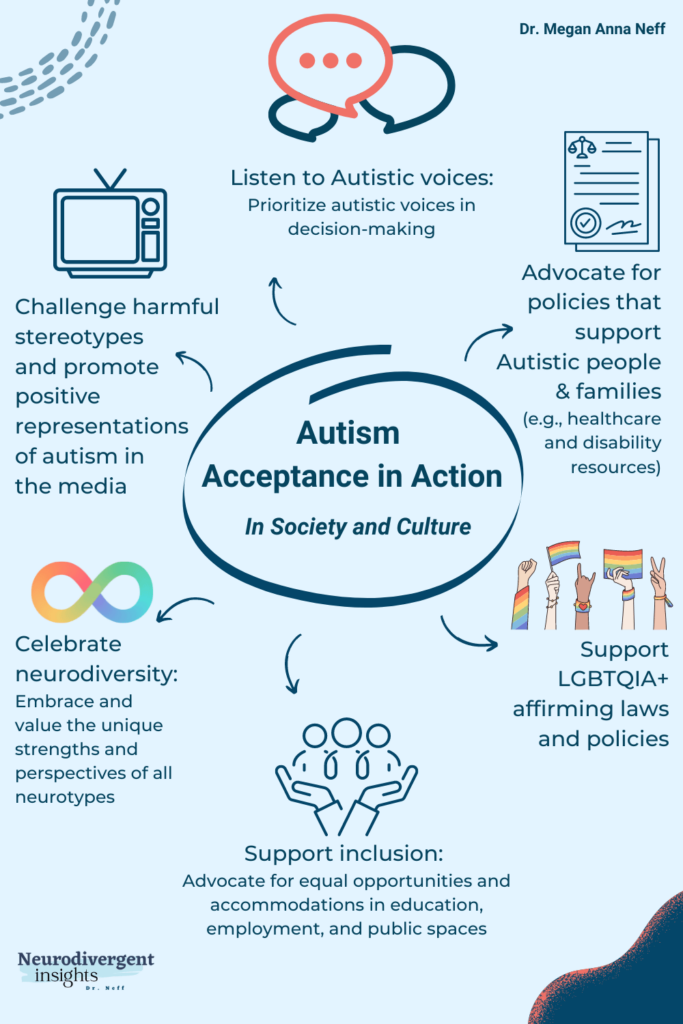
Autism awareness plays a crucial role in promoting acceptance and inclusion of individuals with autism in society. By increasing understanding about autism, we can help break down barriers and eliminate stereotypes and prejudices associated with the disorder. Acceptance means recognizing and respecting the individuality of autistic individuals and valuing their contributions to our communities. By fostering a culture of acceptance, we can create a more inclusive and supportive society for everyone, regardless of neurodiversity.
3.2 Early Identification and Intervention
Another important aspect of autism awareness is the early identification and intervention. Early detection of autism allows for timely access to specialized interventions and support services, which can greatly improve outcomes for individuals with autism. When parents, educators, and healthcare professionals are aware of the early signs of autism, they can work together to ensure appropriate evaluations, interventions, and therapies are provided. Early intervention can significantly enhance a child’s development and help them reach their full potential.
3.3 Addressing the Needs of Autistic Individuals
By spreading awareness about autism, we can provide a better understanding of the unique needs and challenges faced by individuals on the spectrum. This knowledge can enable policymakers, healthcare providers, and educators to create and implement supportive programs and services tailored to the specific needs of autistic individuals. Through improved awareness, we can ensure that adequate resources are available to help autistic individuals lead fulfilling lives and participate fully in their communities.
4. Breaking the Stigma
4.1 Challenging Stereotypes
One of the crucial aspects of autism awareness is challenging the stereotypes and misconceptions surrounding autism. Stereotypes often arise from a lack of understanding and can perpetuate harmful attitudes and discrimination. By sharing accurate information and personal stories, we can challenge these stereotypes and promote a more accurate and nuanced understanding of autism. Breaking down these barriers helps create a more inclusive society that values the diversity and unique abilities of individuals on the autism spectrum.
4.2 Promoting Positive Language and Attitudes
Using positive language and attitudes when speaking about autism can make a significant difference in breaking the stigma. It is essential to avoid derogatory language or offensive terms that can contribute to dehumanizing or marginalizing individuals with autism. Instead, we should strive to use person-first language, which emphasizes the person rather than the diagnosis. For example, using phrases like “individuals with autism” instead of “autistic individuals” promotes respect and dignity while acknowledging the person’s unique qualities beyond their neurological condition.
4.3 Educating the Public
Educating the public about autism is a key strategy in breaking the stigma surrounding the disorder. By organizing community events, workshops, and educational campaigns, we can provide accurate information about autism and raise awareness about the challenges faced by individuals on the spectrum. By sharing personal stories and experiences, we can humanize autism and encourage empathy and understanding among the general public. Through education, we can create a more compassionate and inclusive society where individuals with autism are embraced for who they are.
5. Advocacy Efforts for Autism Awareness
5.1 Autism Awareness Campaigns
Autism awareness campaigns play a vital role in raising public awareness and understanding of autism. These campaigns often involve public service announcements, social media initiatives, community events, and collaborations with local organizations. The goal is to reach a wide audience and challenge existing stereotypes while providing accurate information and resources about autism. By advocating for widespread awareness, we can foster a more inclusive society where all individuals, regardless of neurodiversity, are accepted and supported.
5.2 Support Organizations and Networks
Autism awareness is further supported by various organizations and networks dedicated to advocating for individuals with autism. These support organizations provide resources, information, and support to individuals with autism and their families. They also play a crucial role in advocating for policy changes to improve the rights and services available to individuals on the autism spectrum. By supporting and collaborating with these organizations, we can amplify our efforts to promote autism awareness and inclusion.
5.3 Legislative Efforts to Improve Autistic Individuals’ Lives
Legislative efforts are essential in improving the lives of autistic individuals and addressing gaps in services and support. Advocacy groups work with lawmakers to draft and implement legislation that ensures access to quality healthcare, education, employment, and other essential services for individuals with autism. By advocating for legislative changes, we can address systemic barriers and promote a society that provides equal opportunities and support for individuals with autism.
6. Promoting Neurodiversity
6.1 Understanding Neurodiversity
Promoting neurodiversity is central to autism awareness. Neurodiversity recognizes and celebrates the natural variations in human neurology, including autism. It asserts that neurological differences should be respected and valued, rather than stigmatized or viewed as disorders. By promoting neurodiversity, we can shift the focus from viewing autism as a deficit and instead recognize the unique strengths, abilities, and perspectives that individuals with autism bring to our society.
6.2 Celebrating Autistic Strengths
Every individual, including those with autism, possesses unique strengths and talents. By celebrating and highlighting the strengths of autistic individuals, we can challenge the perception that autism is solely a collection of deficits. Autistic individuals often excel in areas such as pattern recognition, attention to detail, creativity, and problem-solving. By creating opportunities for individuals with autism to showcase their strengths, we can further promote inclusivity and demonstrate the value of neurodiversity in our communities.
6.3 Creating Inclusive Environments
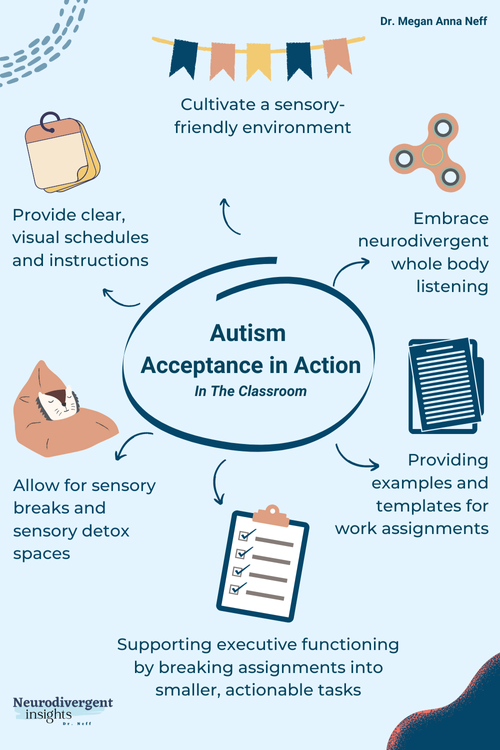
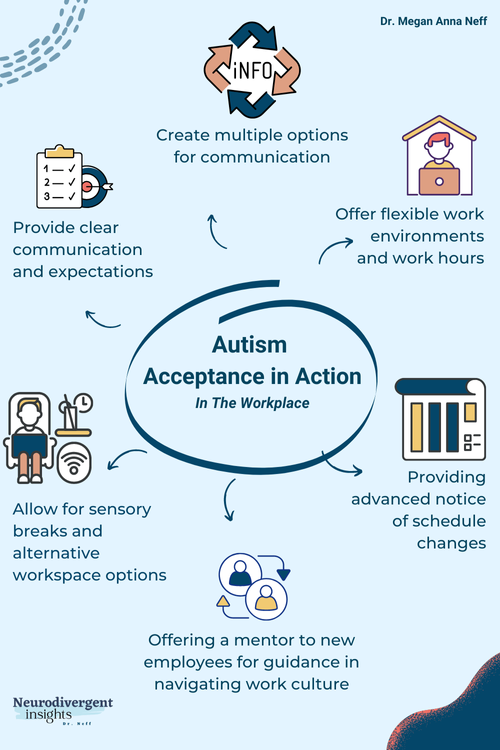
Promoting autism awareness entails creating inclusive environments that accommodate the needs of individuals with autism. This includes implementing sensory-friendly practices in public spaces, providing access to assistive technologies, and ensuring educational and employment settings are inclusive and supportive. Inclusive environments recognize and accommodate the diverse needs of individuals on the autism spectrum, enabling them to fully participate and thrive in various aspects of life.
7. Supporting Autistic Individuals and Families
7.1 Access to Quality Healthcare and Therapies
Autistic individuals and their families often face challenges in accessing quality healthcare and therapies. Autism awareness efforts should focus on advocating for improved access to medical professionals who are knowledgeable about autism and can provide appropriate diagnoses and treatments. Additionally, access to evidence-based therapies, such as behavioral interventions and speech therapy, should be readily available to support the developmental and behavioral needs of individuals with autism.
7.2 Providing Educational Support
Education is a crucial element in the lives of individuals with autism. Autism awareness initiatives should strive to improve educational support for autistic individuals by promoting inclusive education practices, providing individualized support, and training educators to understand and accommodate the diverse learning styles of autistic students. By ensuring that educational environments are inclusive and supportive, we can empower autistic individuals to reach their full potential academically, socially, and emotionally.
7.3 Building Supportive Communities
Supportive communities are essential for individuals with autism and their families. Autism awareness efforts should focus on facilitating the creation of supportive networks and resources that foster acceptance, understanding, and inclusion within communities. These communities can provide opportunities for individuals with autism to connect with others who share similar experiences and challenges, as well as provide support for families in navigating different aspects of life with autism.
8. The Role of Education
8.1 Raising Awareness in Schools
Schools play a fundamental role in promoting autism awareness. Educators can incorporate autism education into the curriculum, teaching students about the characteristics of autism, fostering empathy, and encouraging acceptance of neurodiversity. Promoting awareness in schools creates a more inclusive environment where students with autism feel accepted and understood by their peers. It also helps dispel misconceptions and stereotypes that may exist among students and creates a foundation for fostering a more inclusive society as these students grow into adults.
8.2 Creating Inclusive Educational Practices
Inclusive educational practices are vital in supporting the learning needs of students on the autism spectrum. This includes providing individualized accommodations, such as visual supports or sensory breaks, and fostering a supportive and accepting classroom environment. Educators should be trained in inclusive teaching strategies that address the unique learning styles and needs of autistic students. By creating inclusive educational practices, schools can help ensure that all students, regardless of neurodiversity, have equal opportunities to learn and succeed.
8.3 Training Educators in Autism
Training educators in autism is essential to creating supportive learning environments. Educators should receive ongoing professional development to enhance their understanding of autism and learn effective strategies for teaching and supporting autistic students. This training should cover topics such as sensory processing, communication, social skills development, and behavior management techniques. By equipping educators with the necessary knowledge and skills, schools can better meet the needs of autistic students and foster their academic and personal growth.
9. Media Representation and Autism
9.1 Accurate and Positive Portrayals
Media representation plays a significant role in shaping public perceptions of autism. It is essential for media to provide accurate and positive portrayals of individuals with autism, showcasing their unique strengths, challenges, and experiences. By accurately representing the diversity of the autism spectrum, the media can challenge stigmatizing stereotypes and promote a more inclusive understanding of autism among the general public.
9.2 Media’s Influence on Public Perception
The media has a powerful influence on public perception and attitudes towards autism. Misrepresentations or sensationalized portrayals of autism can perpetuate harmful stereotypes and contribute to stigma and discrimination. Conversely, supportive and accurate portrayals can foster understanding and acceptance. It is crucial for media outlets to be responsible and sensitive in their portrayal of autism, highlighting the experiences and accomplishments of autistic individuals in a respectful and informed manner.
9.3 Advocating for Authentic Representation
Advocacy for authentic representation of autism in the media is crucial. This involves encouraging media outlets to consult with autistic individuals and organizations when creating content that involves autism. By centering the voices and perspectives of those with lived experiences, the media can ensure more authentic and accurate portrayals of autism. Advocacy efforts should also involve raising awareness among media professionals about the impact their representations can have on public perceptions and attitudes towards autism.
10. Empowering Autistic Individuals
10.1 Self-Advocacy
Self-advocacy is a powerful tool in empowering individuals with autism. By encouraging autistic individuals to develop self-advocacy skills, we can support their ability to communicate their needs, preferences, and goals effectively. Self-advocacy involves providing opportunities for individuals with autism to have a voice in decision-making processes, promote their independence, and advocate for their rights. Empowering autistic individuals through self-advocacy enhances their sense of autonomy, self-esteem, and ability to navigate various aspects of life.
10.2 Providing Employment Opportunities
Creating employment opportunities for individuals with autism is essential for their social and economic well-being. Autism awareness efforts should focus on promoting inclusive hiring practices, reducing employment barriers, and raising awareness among employers about the strengths and skills that autistic individuals bring to the workplace. Providing employment opportunities not only fosters independence and financial stability for autistic individuals but also nurtures a culture that values diversity and harnesses the unique talents of all individuals.
10.3 Encouraging Autistic Voices and Leadership
Encouraging autistic voices and leadership is crucial for promoting autism awareness and inclusion. Autistic individuals should be provided platforms to share their experiences, perspectives, and insights. By amplifying autistic voices, we can challenge the notion that neurotypical perspectives are the only valid ones and foster a more inclusive society where all voices are valued and heard. Autistic leaders can make significant contributions to advocacy efforts, policymaking, and community development, driving positive change for the autism community as a whole.
In conclusion, advocating for autism awareness is of utmost importance in our society. By understanding autism, the challenges faced by individuals on the spectrum, and the significance of inclusive practices, we can break the stigma surrounding autism. Through education, support, and empowerment, we can create a more inclusive and accepting society that values neurodiversity and recognizes the unique strengths and contributions of individuals with autism. Together, let’s work towards a society where everyone is accepted, supported, and given equal opportunities to thrive.