
Having a child with autism can be both challenging and rewarding. As a parent, understanding and implementing effective strategies for supporting your child with autism can make a significant difference in their development and overall well-being. This article focuses on providing you with valuable insights and practical tips on parenting a child with autism, as well as highlighting the importance of seeking support and resources within the autism community. By embracing these strategies and finding the right support system, you can create a nurturing environment where your child can thrive.
Understanding Autism Spectrum Disorder (ASD)
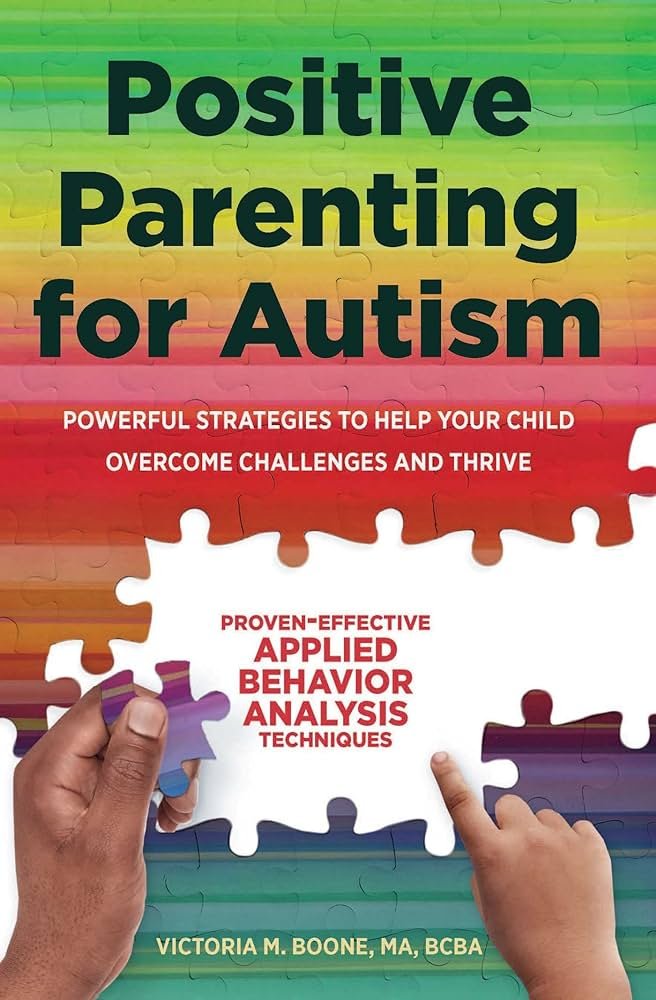
Autism Spectrum Disorder (ASD) is a developmental disorder that affects how a person thinks, interacts, and communicates with others. It is characterized by a wide range of symptoms and behaviors, which is why it is referred to as a “spectrum” disorder. While every individual with ASD is unique, they may share certain commonalities such as difficulties with social skills, communication, and repetitive behaviors. Understanding the nature of ASD is the first step in providing the necessary support and interventions for individuals with this condition.
What is Autism Spectrum Disorder?
Autism Spectrum Disorder is a neurological condition that typically emerges in early childhood. It is important to recognize that ASD is not a disease or something that can be cured. Rather, it is a lifelong condition that individuals learn to navigate and manage. The severity of symptoms can vary widely, ranging from mild challenges to significant impairments in daily functioning. No two individuals with ASD are exactly the same, as the disorder manifests differently from person to person.
Different Types of Autism Spectrum Disorder
Within the broad category of Autism Spectrum Disorder, there are different subtypes that describe the specific characteristics and challenges individuals may experience. These subtypes include autistic disorder, Asperger’s syndrome, pervasive developmental disorder not otherwise specified (PDD-NOS), and childhood disintegrative disorder. While the specific diagnostic labels have evolved over time, they all fall within the broader umbrella of ASD.
Early Signs and Diagnosis
Early identification and intervention are crucial in supporting individuals with ASD. By recognizing the early signs of autism, parents and caregivers can seek a diagnosis and begin accessing appropriate services and interventions as early as possible. Some common early signs of autism include delayed speech or language skills, lack of eye contact, repetitive behaviors or movements, and difficulty with social interactions. If you suspect your child may have autism, it is important to consult with a healthcare professional who specializes in developmental disorders.
Recognizing Early Signs of Autism
Recognizing the early signs of autism may require careful observation and understanding of typical developmental milestones. It is essential to be aware that children with autism may develop at a different pace, and their development may not follow the same trajectory as their peers. Delays or difficulties in speech and language, social interactions, and sensory processing may indicate the presence of autism. By paying attention to these signs, you can provide your child with the necessary support and early intervention they may need.

The Importance of Early Diagnosis
Early diagnosis of autism can significantly impact a child’s outcomes and future development. Research has shown that early intervention leads to better overall outcomes and improved long-term prognosis for individuals with ASD. Early diagnosis allows for prompt access to appropriate interventions, therapies, and support services that can promote positive growth and development. It also provides families with the information and resources they need to better understand and support their child.
Creating a Supportive Environment
Creating a supportive environment is key to helping individuals with autism thrive. Autism is characterized by difficulties with sensory processing, so it is important to understand how sensory stimuli can impact individuals with ASD. By modifying the home environment to accommodate sensory needs, you can help create a calm and comfortable space. This may involve reducing noise levels, providing sensory-friendly toys and equipment, and establishing predictable routines that offer a sense of security and stability.
Understanding Sensory Processing Issues
Sensory processing issues are common among individuals with autism. They may experience hypersensitivity (over-responsiveness) or hyposensitivity (under-responsiveness) to sensory stimuli such as sound, touch, taste, smell, and visual stimuli. It is crucial to recognize and understand these sensory challenges to create an environment that minimizes sensory overload and promotes comfort. By acknowledging and accommodating their unique sensory needs, you can help individuals with ASD feel more at ease and reduce potential stressors.
Modifying the Home Environment
Modifying the home environment can make a significant difference in supporting individuals with autism. Consider creating designated spaces for calming activities, such as a sensory room with soft lighting and comfortable seating. Remove any unnecessary visual clutter or excessive noise from the living areas. Additionally, establish clear visual schedules and provide visual supports such as picture cards or social stories to help individuals with ASD understand and anticipate daily routines and expectations.
Effective Communication Strategies
Communication is a fundamental aspect of human interaction, and individuals with autism may face challenges in this area. However, there are strategies that can enhance communication and promote meaningful connections.
Using Visual Supports
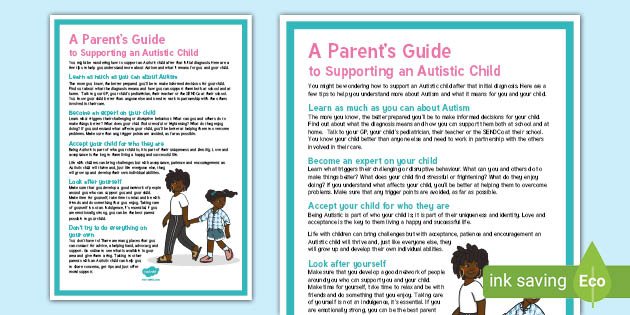
Visual supports can be beneficial for individuals with autism as they provide a concrete way to understand and navigate the world around them. Visual supports can include visual schedules, visual timers, choice boards, and social stories. These visual aids help individuals with ASD process information, understand expectations, and communicate their needs and preferences. Incorporating visual supports can greatly enhance communication and reduce anxiety and frustration for individuals with autism.
Developing Social Communication Skills
Social communication skills are often a significant area of difficulty for individuals with autism. They may struggle with understanding non-verbal cues, engaging in reciprocal conversations, and interpreting social norms and expectations. To support the development of social communication skills, it is essential to provide opportunities for practice in a structured and supportive environment. This may involve social skills training programs, peer interactions, and utilizing resources such as social stories or video modeling to teach appropriate social behaviors.
Managing Challenging Behaviors
Challenging behaviors can be a part of autism, and understanding the underlying triggers and patterns is crucial in managing and responding to them effectively.
Identifying Triggers and Patterns
Behavioral challenges in individuals with autism often stem from specific triggers or patterns. These triggers can be related to sensory sensitivities, changes in routine, or difficulty expressing needs or desires. By identifying the underlying triggers, caregivers can proactively address and minimize the occurrence of challenging behaviors. Keeping a behavioral log and seeking professional help, if needed, can assist in identifying patterns and developing effective strategies for managing these behaviors.
Implementing Behavior Modification Techniques
Behavior modification techniques can be useful in addressing challenging behaviors and promoting positive behavior skills. These techniques involve reinforcing appropriate behavior and providing consequences for undesirable behavior. Positive reinforcement, such as rewards or praise, can motivate individuals with autism to engage in desired behaviors. It is important to remember that consistency, patience, and a clear understanding of the individual’s unique needs are essential when implementing behavior modification techniques.
Promoting Social Skills
Developing social skills is a vital aspect of supporting individuals with autism, as it fosters meaningful connections and interactions with others.
Social Skills Training
Social skills training programs can be beneficial for individuals with autism, as they provide structured opportunities to learn and practice social interactions. These programs typically focus on teaching skills such as making eye contact, turn-taking during conversations, and understanding social cues. Social skills training can help individuals with autism develop the necessary skills to navigate social situations more effectively and form meaningful relationships.
Encouraging Peer Interactions
Encouraging peer interactions is essential for promoting the social development of individuals with autism. Providing opportunities for inclusive playdates, joining community groups or clubs, and involving them in group activities can help foster social connections. It is crucial to educate peers and promote understanding and acceptance of individuals with autism to create a supportive and inclusive social environment.
Individualized Education Plans (IEPs)
Individualized Education Plans (IEPs) are legal documents that outline the educational goals, services, and accommodations required for students with disabilities, including autism.
Navigating the IEP Process
Navigating the IEP process can be overwhelming for parents, but it is vital in ensuring that children with autism receive the support they need in an educational setting. Educate yourself about the IEP process, including your rights and the services available to your child. Collaborate with the school team, including teachers and specialists, to develop an IEP that addresses your child’s unique needs and goals. Regular communication and collaboration with the school professionals are key to the successful implementation of the IEP.

Collaborating with School Professionals
Collaborating with school professionals is crucial in creating a supportive educational environment for children with autism. Regular communication with teachers and specialists allows for the exchange of information and the implementation of appropriate strategies to support the child’s learning and development. Be an active participant in the educational team, sharing your insights and observations about your child’s progress and needs. Together, you can ensure that the educational environment is tailored to meet your child’s requirements.
Accessing Therapeutic Interventions
Therapeutic interventions such as speech therapy, occupational therapy, and applied behavior analysis (ABA) can be pivotal in enhancing the development and functioning of individuals with autism.
Speech Therapy
Speech therapy focuses on improving communication skills, including speech production, language comprehension, and social communication. It helps individuals with autism develop effective ways to express themselves, understand others, and foster functional communication. Speech therapy interventions can range from individual sessions to group sessions, depending on the needs and preferences of the individual.
Occupational Therapy
Occupational therapy aims to support individuals with autism in developing skills necessary for daily living, such as fine motor skills, self-care routines, and sensory integration. Occupational therapists work with individuals to enhance their independence and ability to engage in meaningful activities and routines. Occupational therapy interventions are highly individualized and may involve sensory integration techniques, adaptive equipment, and environmental modifications.
Applied Behavior Analysis (ABA)
Applied Behavior Analysis (ABA) is a scientifically-validated approach to understanding and modifying behavior patterns. ABA interventions typically involve breaking down complex behaviors into smaller steps and using positive reinforcement to teach socially-appropriate behaviors while reducing challenging behaviors. ABA can be beneficial in various settings, including home, school, and community, and is often tailored to the unique needs of the individual with autism.
Support Groups and Peer Networks
Connecting with other parents and joining local autism support groups can provide valuable support and resources to parents of children with autism.
Connecting with Other Parents
Connecting with other parents who have similar experiences can be incredibly valuable for emotional support, sharing knowledge, and gaining insights into navigating the challenges of parenting a child with autism. Seek out local parent support groups or online communities where you can connect with other parents who understand what you are going through. By building a network of support, you can share experiences, exchange advice, and find comfort in knowing that you are not alone on this journey.
Local Autism Support Groups
Local autism support groups offer a range of resources, information, and opportunities for connection within your local community. These support groups may provide workshops, guest speakers, and social events specifically tailored to the needs of individuals with autism and their families. Connecting with local autism support groups can help you stay informed about the latest research and interventions, access local resources, and build relationships with professionals and other families who can offer support and guidance.
Self-Care and Coping Strategies
Parenting a child with autism can be demanding, and it is essential to prioritize your own well-being and practice self-care.
Managing Parental Stress
Managing parental stress is vital in maintaining overall well-being. It is important to recognize when stress levels are becoming overwhelming and to seek support when needed. Engage in stress-reducing activities such as exercise, meditation, or hobbies that bring you joy. Establish a support network of friends, family, or professionals who can provide emotional support or respite care when necessary. Remember, taking care of yourself enables you to be a better caregiver for your child.
Taking Time for Yourself
Taking time for yourself is not only necessary but essential. It can be challenging to find moments to prioritize self-care, but carving out time to engage in activities that bring you fulfillment and relaxation is crucial. Whether it’s reading a book, going for a walk, or pursuing a hobby, creating space for your well-being benefits both you and your child with autism. It allows you to recharge, reflect, and return to your caregiving role with renewed energy and positivity.