
Apert Syndrome: A Comprehensive Guide for Parents and Caregivers is here to provide you with valuable insights and support as you navigate the journey of raising a child with Apert Syndrome. This condition, characterized by skull and facial abnormalities, can present unique challenges, but with the right information and care, you can help your child thrive. In this guide, we will explore the causes, symptoms, and available treatments for Apert Syndrome, equipping you with the knowledge you need to provide the best possible care and support for your child.
What is Apert Syndrome?
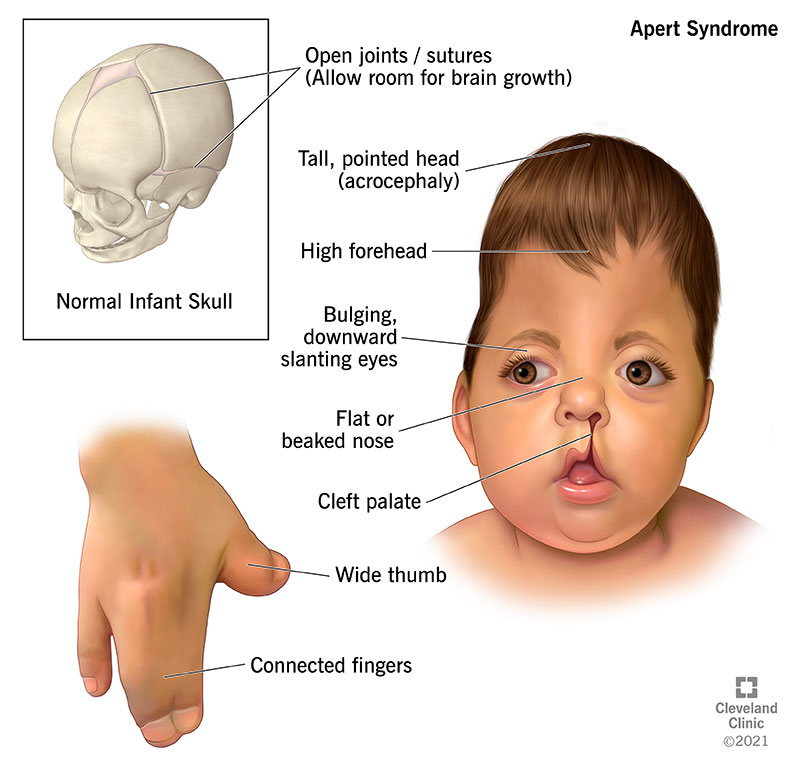
Apert Syndrome is a rare genetic disorder that affects the development of the bones in the skull and limbs. It is characterized by craniosynostosis, which means the premature fusion of the skull bones, leading to an abnormal head shape and facial features. The syndrome also causes syndactyly, where the fingers and toes are fused together. Apert Syndrome is a lifelong condition that requires comprehensive medical care and support.
Definition of Apert Syndrome
Apert Syndrome is a genetic disorder caused by a mutation in the FGFR2 gene. This gene provides instructions for making a protein that is involved in the development and maintenance of bone, among other functions. The mutation leads to the FGFR2 protein being constantly activated, leading to abnormal bone growth and fusion. This results in the characteristic features of Apert Syndrome, such as a tower-shaped skull, fused fingers and toes, and facial abnormalities.
Cause of Apert Syndrome
Apert Syndrome is caused by a spontaneous mutation in the FGFR2 gene, which occurs randomly during the development of a baby in the womb. The mutation is not inherited from the parents and does not usually occur in other siblings. Research has shown that advanced paternal age at the time of conception may slightly increase the risk of having a baby with Apert Syndrome, but the exact cause of the mutation is still not fully understood.
Prevalence of Apert Syndrome
Apert Syndrome is a rare condition, occurring in approximately 1 in every 65,000 to 88,000 live births worldwide. It affects both males and females equally. Although it is a rare syndrome, its impact on individuals and families should not be underestimated. The rarity of the condition can sometimes make it challenging for families to find support and resources, but there are organizations and communities dedicated to helping individuals and families affected by Apert Syndrome.
Signs and Symptoms of Apert Syndrome
The signs and symptoms of Apert Syndrome can vary from person to person, but there are some common characteristics that are often present. These include a tower-shaped skull, prominent forehead, wide-set and bulging eyes, a flat nose, and a small upper jaw. The syndactyly, or fusion, of the fingers and toes can also be seen. In addition, individuals with Apert Syndrome may have hearing loss, dental problems, and respiratory issues. It is crucial to consult with healthcare professionals for a proper diagnosis and management of the condition.
Diagnosing Apert Syndrome
The diagnosis of Apert Syndrome is usually made shortly after birth based on physical examination and characteristic features. Imaging tests, such as X-rays or CT scans, may be performed to further evaluate the skull and limb abnormalities. Genetic testing can also confirm the presence of the mutation in the FGFR2 gene. It is essential to work closely with a healthcare team experienced in diagnosing and managing Apert Syndrome to ensure accurate and timely diagnosis.
Medical Evaluation and Specialists
Once a diagnosis of Apert Syndrome is confirmed, a comprehensive medical evaluation is typically recommended. This evaluation involves various specialists, including pediatricians, craniofacial surgeons, orthopedic surgeons, geneticists, and audiologists. These specialists will assess and monitor the different aspects of the syndrome, such as the skull and limb abnormalities, hearing and vision, and overall growth and development. Regular medical check-ups and follow-up appointments are essential to ensure optimal care and management of the condition.
Surgical Procedures and Interventions
Surgical procedures play a crucial role in the management of Apert Syndrome. The primary goal of surgery is to correct the craniofacial and limb abnormalities and improve both appearance and function. Craniofacial surgery is performed to release the fused skull bones, reshape the skull, and correct other facial abnormalities. Limb lengthening and separation surgeries are done to address the fused fingers and toes. These surgeries are typically performed in stages and require extensive planning and coordination among the surgical team.
Other Treatment Options
In addition to surgical interventions, individuals with Apert Syndrome may benefit from other treatment options. These can include orthodontic treatment to correct dental malocclusions, speech and language therapy to address speech difficulties, and occupational and physical therapy to improve motor skills and mobility. Each individual’s treatment plan will be tailored to their specific needs and may involve a multidisciplinary team of healthcare professionals.
Psychological and Emotional Support
Receiving a diagnosis of Apert Syndrome can be an overwhelming experience for individuals and their families. Coping with the emotional and psychological impact is an important aspect of holistic care. It is normal to experience a range of emotions, from sadness to anxiety, and seeking support is essential. Connecting with support groups and networks specifically for families affected by Apert Syndrome can provide a sense of community and understanding. Additionally, psychological counseling and therapy can be beneficial in helping individuals and families navigate the challenges and emotions associated with living with the syndrome.

Coping with the Diagnosis
Coping with the diagnosis of Apert Syndrome can be a journey that varies from person to person. It is natural to experience a range of emotions, such as shock, grief, and worry. It is important to give yourself time to process the diagnosis and seek support from healthcare professionals, family, and friends. Remember that you are not alone, and there are resources and communities available to help you through this journey. Take it one day at a time, and remember to prioritize self-care and seek assistance when needed.
Support Groups and Networks
Joining support groups and networks specifically for individuals and families affected by Apert Syndrome can provide a wealth of support and information. Connecting with others who have firsthand experience with the condition can provide a sense of belonging and understanding. These groups often offer a safe space to share experiences, ask questions, and seek advice. Online forums, social media groups, and local support groups can all be valuable resources in building a support network and finding guidance throughout your journey.
Educational and Developmental Support
Children with Apert Syndrome may have unique educational and developmental needs. It is essential to work closely with educators and educational specialists to develop an individualized education program (IEP) that addresses these needs. The IEP should outline specific goals, accommodations, and services required to support the child’s learning and development. Collaboration between teachers, school personnel, and parents is crucial to ensure that the child receives the necessary support to reach their full potential.
Psychological Counseling and Therapy
In addition to addressing the educational needs of individuals with Apert Syndrome, it is important to provide psychological counseling and therapy to support their emotional well-being. The journey of living with a rare condition can be emotionally challenging, and having a mental health professional who is experienced in working with individuals with disabilities can be immensely helpful. Therapy can provide a safe and supportive environment to explore emotions, build coping strategies, and enhance overall psychological well-being.
Role of Physical Therapy
Physical therapy plays a vital role in the management of Apert Syndrome. It focuses on improving motor skills, mobility, and overall physical functioning. A physical therapist will create an individualized treatment plan that may include exercises, stretches, and activities aimed at improving strength, coordination, and range of motion. Physical therapy sessions may also involve the use of various equipment and assistive devices to promote independence and mobility.

Exercises and Techniques
Physical therapy exercises and techniques for individuals with Apert Syndrome can vary depending on individual needs and abilities. These may include stretching exercises to improve flexibility, strength-building exercises to enhance overall physical functioning, and coordination activities to promote motor skills. The physical therapist will work closely with individuals and their families to develop a personalized exercise program that can be continued at home to maximize the benefits of therapy.
Assistive Devices and Adaptive Equipment
Assistive devices and adaptive equipment can play a significant role in enhancing independence and participation in daily activities for individuals with Apert Syndrome. These may include splints or braces to support limb function, walkers or wheelchairs for mobility assistance, and adaptive utensils or devices to aid in self-care tasks. Working with an occupational therapist can help identify and implement appropriate assistive devices to support an individual’s specific needs and promote functional independence.
Speech and Language Therapy
Individuals with Apert Syndrome may experience speech and language difficulties due to the craniofacial abnormalities and facial muscle weakness. Speech and language therapy can help address these challenges and improve communication skills. A speech-language pathologist will assess an individual’s speech and language abilities and develop a tailored therapy plan. Therapy may include exercises to improve speech clarity, techniques to enhance oral motor control, and strategies to support language development.
School Placement and Individualized Education Programs (IEPs)
Choosing the right school placement for individuals with Apert Syndrome is an important consideration. Depending on the individual’s needs, skills, and abilities, options may include mainstream schools with appropriate accommodations, specialized educational programs, or a combination of both. Developing an individualized education program (IEP) in collaboration with educators and specialists is crucial to ensure that the child’s educational needs are met. Regular communication and collaboration with teachers and school personnel are essential for success in the educational setting.
Social and Emotional Development
Supporting social and emotional development is crucial for individuals with Apert Syndrome to thrive in their educational and social environments. Building positive relationships with peers and fostering a sense of belonging and acceptance are essential. Educators and parents can create opportunities for social interactions, provide guidance in developing social skills, and promote inclusive environments where individuals with Apert Syndrome can participate fully and feel valued.

Collaboration with Teachers and School Personnel
Collaboration between parents, educators, and school personnel is vital to ensure that the educational needs of individuals with Apert Syndrome are met. Regular communication and exchange of information can help create a supportive and inclusive learning environment. Sharing insights about the individual’s challenges, strengths, and support strategies can enable teachers to provide appropriate accommodations and modifications, maximizing the individual’s learning potential.
Transition Planning
Transition planning is an important aspect of supporting individuals with Apert Syndrome as they move from one educational stage to another or transition into adulthood. Starting the transition planning process early allows for thoughtful consideration of post-secondary goals, further education, vocational training, and independent living skills. Collaboration with transition specialists, vocational counselors, and community resources can help individuals with Apert Syndrome navigate this transition successfully.
Special Nutritional Needs
Individuals with Apert Syndrome may have unique nutritional needs due to the craniofacial and dental abnormalities associated with the syndrome. Difficulty eating, swallowing, and maintaining proper nutrition can be common challenges. It is important to work closely with a registered dietitian or a healthcare professional experienced in managing the nutritional needs of individuals with craniofacial conditions. They can provide guidance on appropriate nutrition, feeding techniques, and assistance in achieving optimal growth and development.
Feeding Issues and Strategies
Feeding issues, such as difficulty latching or swallowing, can affect individuals with Apert Syndrome. Strategies to address these issues may involve feeding therapy, specialized bottle nipples or feeding equipment, and modifications to the texture and consistency of food. A speech-language pathologist or an occupational therapist can provide guidance and support in developing an appropriate feeding plan that addresses the individual’s specific needs and promotes safe and effective feeding.
Importance of Dental Care
Dental care is an essential component of the overall health and well-being of individuals with Apert Syndrome. The craniofacial abnormalities associated with the syndrome can lead to dental malocclusions, crowding of teeth, and an increased risk of dental issues. Regular dental check-ups, good oral hygiene practices, and preventive care can help maintain oral health. It is crucial to work closely with a dentist experienced in treating individuals with craniofacial conditions to ensure optimal dental care and prevent oral health complications.

Growth and Development Monitoring
Regular monitoring of growth and development is important for individuals with Apert Syndrome. This includes tracking height, weight, head circumference, and overall developmental milestones. Healthcare professionals will assess growth patterns and identify any potential concerns. Early intervention and appropriate management can help address growth delays or abnormalities and optimize overall growth and development.
Respiratory Issues and Management
Respiratory issues can be a concern for individuals with Apert Syndrome due to the craniofacial and skull abnormalities. The fusion of the skull bones can lead to restricted airways, which may result in breathing difficulties, sleep apnea, and increased susceptibility to respiratory infections. Regular monitoring of respiratory function and prompt management of respiratory symptoms is crucial. This may involve the use of continuous positive airway pressure (CPAP) devices, medications, or surgical interventions, depending on the severity of the respiratory issues.
Vision and Hearing Impairments
Individuals with Apert Syndrome may experience vision and hearing impairments. The craniofacial abnormalities can affect the development and function of the eyes and ears. Regular vision and hearing assessments are recommended to identify any impairments and provide appropriate interventions. Corrective lenses, hearing aids, or other assistive devices may be prescribed to improve vision and hearing function. Collaboration with ophthalmologists and audiologists is essential in managing these sensory impairments effectively.
Craniofacial and Orthopedic Concerns
The craniofacial and orthopedic abnormalities associated with Apert Syndrome require ongoing management. Craniofacial concerns, such as skull reshaping and facial reconstruction surgeries, are typically addressed in childhood. Orthopedic concerns, such as limb lengthening procedures or hand surgeries to separate fused fingers, may be performed at different stages of growth and development. Comprehensive care from craniofacial and orthopedic specialists is essential to ensure optimal outcomes and monitor any potential complications.
Monitoring and Preventing Complications
Regular monitoring of individuals with Apert Syndrome is crucial to identify and address any potential complications promptly. This may involve regular visits to healthcare professionals for check-ups, imaging tests, and ongoing assessments of growth, development, and overall health. Close communication with the healthcare team is important to address any concerns or changes in symptoms. Preventive measures such as vaccinations, healthy lifestyle habits, and prompt treatment of infections or complications are essential to maintain optimal health and well-being.
Building Positive Relationships
Building positive relationships is important for individuals with Apert Syndrome to foster a sense of belonging and acceptance. Encouraging open and honest communication, teaching empathy and understanding, and promoting inclusivity can help create an environment where individuals with Apert Syndrome can thrive. Educating peers, friends, and family members about Apert Syndrome can also help dispel misconceptions and foster acceptance and support.
Addressing Bullying and Stigma
Individuals with Apert Syndrome may face unique challenges, including bullying and stigmatization. It is essential to address these issues proactively and provide support to individuals affected by such experiences. Developing self-advocacy skills, promoting assertiveness, and teaching individuals effective strategies to handle bullying situations can empower them to navigate social interactions with confidence. Educating schools, communities, and peers about Apert Syndrome can also promote understanding and reduce stigma.
Promoting Inclusion and Acceptance
Promoting inclusion and acceptance of individuals with Apert Syndrome is a collective effort that involves schools, communities, and society as a whole. Educating others about the syndrome, facilitating interactions and friendships, and providing opportunities for individuals with Apert Syndrome to participate fully in social activities and events contribute to an inclusive and accepting environment. By promoting diversity and embracing differences, we can create a society that values and celebrates the uniqueness of every individual.
Supporting Peer Interactions
Supporting peer interactions is important for individuals with Apert Syndrome to develop social skills, build friendships, and enhance their overall well-being. Educators, parents, and caregivers can create opportunities for social interactions both within and outside the school setting. Encouraging participation in group activities, organized sports, clubs, and community events can foster meaningful connections and enhance social integration.
Understanding Rights and Protections
Understanding the rights and protections of individuals with Apert Syndrome is crucial to ensure their access to equal opportunities and fair treatment. Familiarize yourself with laws and regulations, such as the Americans with Disabilities Act (ADA), that protect individuals with disabilities from discrimination in various settings, including education, employment, and public accommodations. Educate yourself about the specific rights and protections applicable to individuals with Apert Syndrome and seek guidance from disability rights organizations or legal professionals if needed.
Legal and Educational Advocacy
Advocating for the legal and educational rights of individuals with Apert Syndrome can help ensure they receive the necessary support and accommodations. This may involve working with school administrators, educators, and special education professionals to develop and implement appropriate educational plans and supports. In some cases, legal advocacy may be necessary to address discriminatory practices or to secure necessary services or resources. Engaging with support organizations, disability rights advocates, or legal professionals experienced in disability law can provide valuable support and guidance.
Empowering Individuals with Apert Syndrome
Empowering individuals with Apert Syndrome to advocate for themselves is a key aspect of fostering independence and self-determination. Encourage self-advocacy skills, such as effective communication, self-expression, and self-confidence. Teach individuals to identify and articulate their needs, goals, and rights in various situations. Providing opportunities for decision-making, problem-solving, and skill-building can help individuals with Apert Syndrome develop the necessary tools to navigate life with confidence and autonomy.
Public Awareness and Acceptance
Promoting public awareness and acceptance of Apert Syndrome is vital in creating an inclusive and understanding society. Engage in community outreach initiatives, share personal stories, and participate in awareness campaigns to educate others about Apert Syndrome. Encourage schools, workplaces, and organizations to promote diversity and inclusivity by recognizing and celebrating individuals with Apert Syndrome. By working collectively, we can promote acceptance and create a more inclusive world for individuals with Apert Syndrome and other disabilities.
Current Research on Apert Syndrome
Ongoing research efforts are focused on improving our understanding of the underlying causes, mechanisms, and treatment options for Apert Syndrome. Researchers are investigating the specific genetic mutations responsible for the condition and exploring potential targeted therapies. Advances in technology, such as genetic sequencing and molecular studies, are contributing to our knowledge and paving the way for potential breakthroughs. Participating in research studies and supporting research organizations can help advance knowledge and improve outcomes for individuals with Apert Syndrome.
Supporting Research Efforts
Supporting research efforts is crucial for further understanding and advancing treatment options for Apert Syndrome. This can involve participation in research studies or clinical trials, fundraising for research organizations, and spreading awareness about the importance of research. Collaborating with healthcare professionals, participating in patient registries and biobanks, and staying informed about ongoing research can all contribute to supporting the research community’s efforts and ultimately improving outcomes for individuals with Apert Syndrome.
Potential Treatment Breakthroughs
Research in the field of Apert Syndrome holds promise for potential treatment breakthroughs. Emerging therapies, such as gene therapy or targeted drug interventions, are being explored to address the underlying genetic mutation responsible for the condition. Advances in surgical techniques, such as virtual planning and 3D printing, are improving surgical outcomes and reducing complications. The continued collaboration between researchers, healthcare professionals, and support organizations is essential in pursuing these potential treatment breakthroughs.
Future Outlook for Individuals with Apert Syndrome
The future outlook for individuals with Apert Syndrome is increasingly optimistic due to advancements in medical care, research, and supportive interventions. Early diagnosis, comprehensive medical management, and individualized treatment plans contribute to improved outcomes and quality of life. Increasing public awareness and acceptance of Apert Syndrome will further reduce barriers and promote inclusivity. As research progresses and potential treatment breakthroughs arise, there is hope for continued improvements in the overall well-being and long-term outlook for individuals with Apert Syndrome.
In conclusion, Apert Syndrome is a rare genetic disorder that affects the development of the skull and limbs. With early diagnosis, comprehensive medical care, and supportive interventions, individuals with Apert Syndrome can lead fulfilling lives. It is crucial to create an inclusive and accepting society and to support ongoing research efforts to improve treatments and outcomes for individuals with Apert Syndrome. Remember, no one is defined solely by their diagnosis, and with the right support and resources, individuals with Apert Syndrome can thrive and make meaningful contributions to their communities.