
Apert Syndrome, a rare genetic disorder, is the focus of the latest research advances in the medical field. This condition impacts the development of the skull, face, and limbs, causing significant physical and cognitive challenges for those affected. However, recent studies offer hope and potential breakthroughs in understanding the underlying causes, management strategies, and improved treatments for individuals living with Apert Syndrome. In this article, we will explore some of the exciting developments that are paving the way for enhanced care and support for those affected by this complex disorder.
Overview of Apert Syndrome
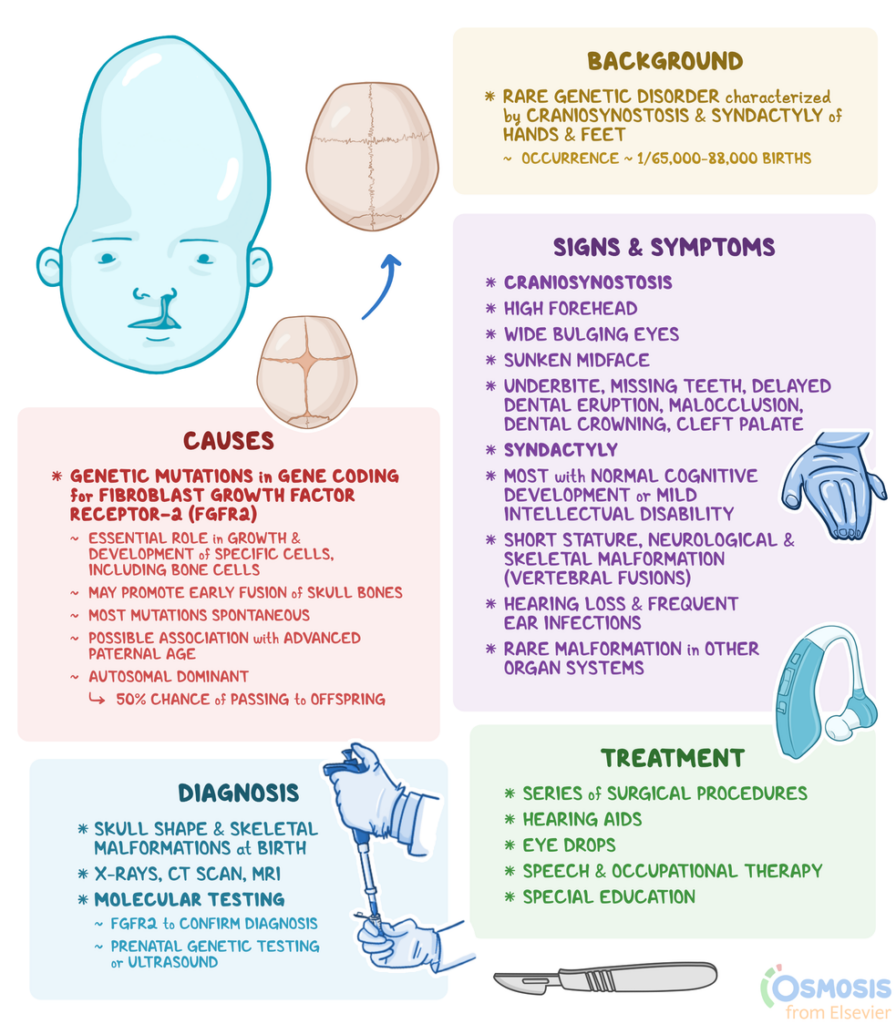
Apert Syndrome is a rare genetic disorder that affects the development of the skull, face, hands, and feet. It is a complex condition that is characterized by various clinical features, including craniosynostosis (premature fusion of the skull bones), distinctive facial characteristics, and hand and foot anomalies. This article aims to provide a comprehensive overview of Apert Syndrome, including its definition, epidemiology, clinical features, causes, diagnosis, treatment approaches, complications, emerging therapies, current research trends, and future directions and challenges.
Definition
Apert Syndrome, also known as acrocephalosyndactyly type I (ACS1), is a rare genetic condition that falls under the broader category of craniosynostosis syndromes. It was first described by the French physician Eugène Apert in 1906. The term “Apert Syndrome” is used to refer specifically to the combination of craniosynostosis, facial abnormalities, and hand and foot anomalies that characterize this condition.
Epidemiology
Apert Syndrome is a rare disorder, with a prevalence estimated to be approximately 1 in every 65,000 to 88,000 live births. It affects both males and females equally and is found in all ethnic groups around the world. The incidence of Apert Syndrome may vary slightly in different populations, but overall, it is a relatively uncommon condition.
Clinical Features
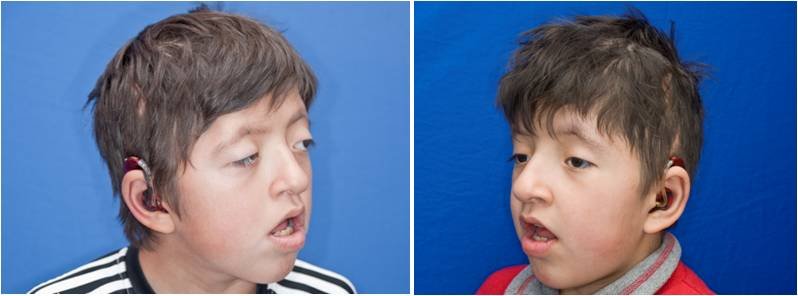
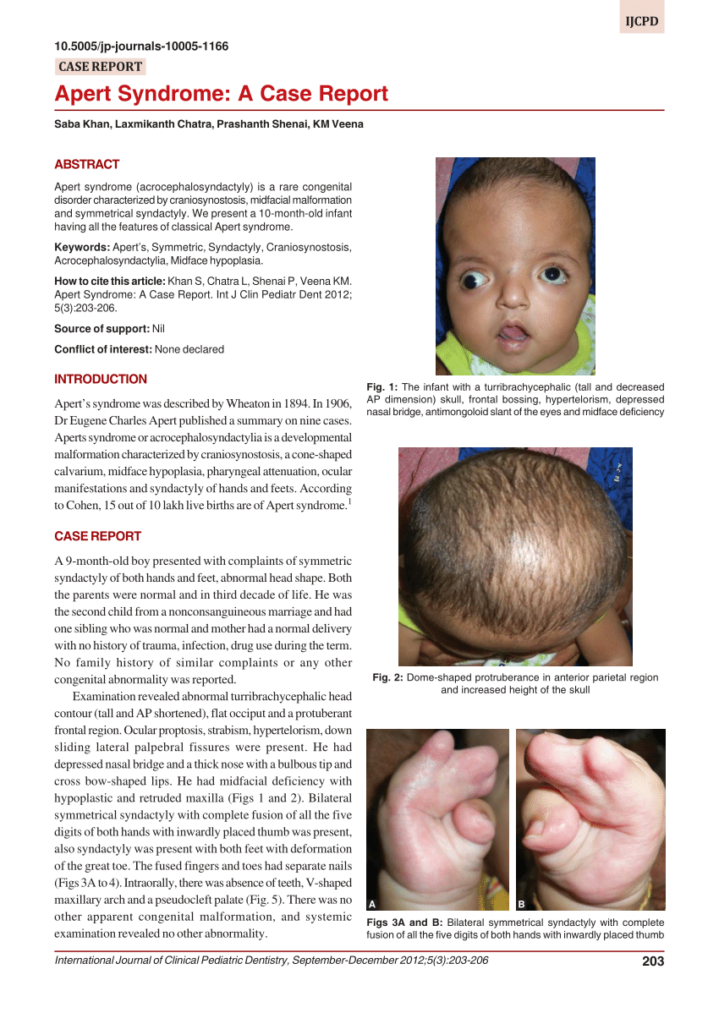
Apert Syndrome is characterized by a wide range of clinical features that primarily affect the craniofacial region, hands, and feet. Some of the most prominent features include craniosynostosis, which leads to an abnormal head shape, often referred to as “tower-shaped” or “cone-shaped.” The fusion of skull bones can cause increased intracranial pressure and potential neurological complications. Distinctive facial characteristics may include a high forehead, widely spaced eyes, a beaked nose, and an underdeveloped upper jaw.
Hand and foot abnormalities are also common in individuals with Apert Syndrome. The hands tend to have fused or webbed fingers, and the feet may have toes that are fused together or malformed. These physical manifestations can significantly impact the individual’s ability to manipulate objects and perform fine motor tasks.

Causes
Apert Syndrome is primarily caused by mutations in the fibroblast growth factor receptor 2 (FGFR2) gene. The genetic mutations responsible for Apert Syndrome are typically sporadic, meaning they occur randomly and are not inherited from either parent. However, in rare cases, the condition can be inherited in an autosomal dominant pattern, where one parent with the condition passes on the mutated gene to their child.
Diagnosis
The diagnosis of Apert Syndrome is typically made based on clinical presentation and physical examination findings. Medical professionals, such as geneticists, craniofacial surgeons, and orthodontists, play a crucial role in the evaluation and diagnosis of individuals with Apert Syndrome. Additional diagnostic techniques, such as imaging studies and genetic testing, may be utilized to confirm the diagnosis and evaluate the extent of the condition.
Genetic Basis
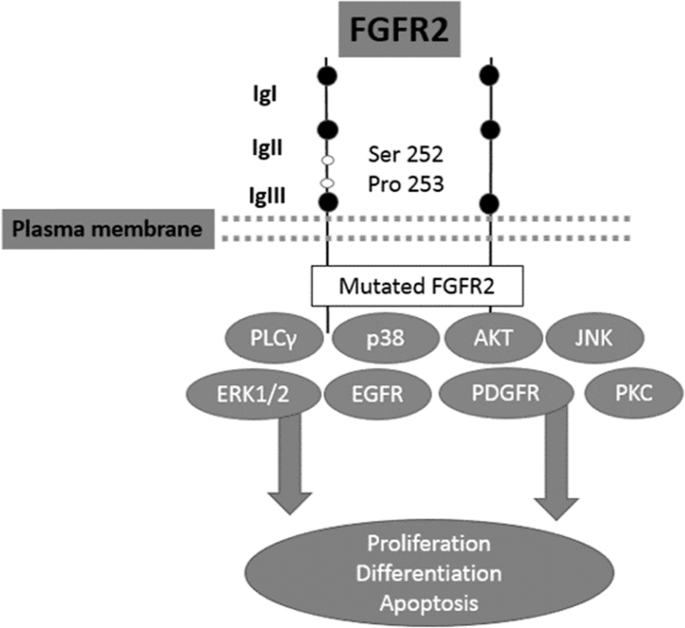
FGFR2 Gene Mutations Apert Syndrome is predominantly associated with mutations in the FGFR2 gene, located on chromosome 10. These mutations result in the production of an abnormal fibroblast growth factor receptor protein, which disrupts normal cell signaling and leads to abnormal craniofacial and limb development.
Inheritance Pattern Although most cases of Apert Syndrome are sporadic, approximately 25% of affected individuals have inherited the condition from an affected parent. In these cases, the syndrome follows an autosomal dominant pattern of inheritance, meaning that there is a 50% chance of passing on the mutated gene to each offspring.
Mutation Types There are several different types of mutations that can occur in the FGFR2 gene, leading to Apert Syndrome. The most common mutation is the missense mutation, where a single amino acid in the FGFR2 protein is changed. This single change can have far-reaching effects on craniofacial and limb development.
Molecular Mechanisms
FGFR Signaling Pathway The FGFR signaling pathway plays a critical role in the development and growth of various tissues and organs. Abnormalities in this pathway, caused by mutations in the FGFR2 gene, disrupt normal cell signaling and lead to the developmental abnormalities observed in Apert Syndrome.
Craniosynostosis Craniosynostosis, one of the primary clinical features of Apert Syndrome, occurs due to the premature fusion of the skull bones. The abnormal FGFR2 protein disrupts the normal growth and development of the skull, leading to the fusion of bones that should remain separate during early childhood.
Bone Growth The FGFR2 mutations in Apert Syndrome can also affect bone growth in other parts of the body, such as the hands and feet. The abnormal FGFR2 protein alters the normal signaling pathways involved in bone growth and development, resulting in the characteristic hand and foot anomalies seen in individuals with Apert Syndrome.
Developmental Abnormalities The molecular mechanisms underlying Apert Syndrome can also impact other aspects of development, such as the growth of facial features and the formation of other body structures. The abnormal FGFR2 protein alters the normal cellular processes involved in development, leading to the distinctive facial characteristics and other physical anomalies seen in individuals with Apert Syndrome.
Diagnostic Techniques
Physical Examination A thorough physical examination is an essential step in diagnosing Apert Syndrome. Medical professionals will evaluate various aspects, including the head shape, facial features, hand structure, foot structure, and overall growth and development. These findings, combined with a detailed medical history, can help guide the diagnostic process.
Imaging Studies Imaging studies, such as X-rays, computed tomography (CT) scans, and magnetic resonance imaging (MRI), provide detailed views of the skull, hands, and feet. These images can reveal the precise locations where the cranial bones are fused, the extent of abnormalities in the hands and feet, and any potential neurological complications related to the fusion of skull bones.
Genetic Testing Genetic testing, including DNA sequencing and mutation analysis, can confirm the diagnosis of Apert Syndrome. By analyzing the patient’s DNA, medical professionals can identify specific mutations in the FGFR2 gene, providing definitive evidence of the genetic basis of the condition.
Treatment Approaches
Surgery Surgical interventions are often required to address the craniofacial and limb abnormalities associated with Apert Syndrome. Cranial vault remodeling and facial reconstructive surgeries are performed to relieve intracranial pressure, reshape the skull, and improve facial aesthetics and function. Hand and foot surgeries aim to correct the fused or malformed digits and improve hand function.
Orthodontic Interventions Orthodontic interventions, such as palate expansion and orthognathic surgery, may be recommended to address dental and jaw abnormalities. These interventions aim to improve bite alignment, correct dental crowding, and enhance overall oral health.
Speech and Language Therapy Speech and language therapy may be beneficial for individuals with Apert Syndrome, particularly those with speech and language delays or difficulties. Therapists work with individuals to improve their communication skills, including articulation, language comprehension, and social communication.
Hearing and Vision Support Due to the potential impact of Apert Syndrome on hearing and vision, individuals may require support from audiologists and ophthalmologists. Regular hearing and vision evaluations are crucial to identify and address any potential issues, such as hearing loss or refractive errors, in a timely manner.
Complications and Impact on Quality of Life
Dental Problems The craniofacial anomalies associated with Apert Syndrome can predispose individuals to dental problems, such as malocclusion, dental crowding, and dental malformations. Regular dental evaluations, orthodontic interventions, and good oral hygiene practices are essential to prevent and manage these issues.
Respiratory Issues The fusion of skull bones in Apert Syndrome can lead to restricted airway passages and potentially affect respiratory function. This can result in breathing difficulties, sleep apnea, and increased susceptibility to respiratory infections. Close monitoring of respiratory function and appropriate interventions, such as nasal airway dilation and continuous positive airway pressure (CPAP) therapy, may be necessary.
Psychosocial Challenges Living with Apert Syndrome can present various psychosocial challenges for affected individuals and their families. The physical differences associated with the condition may lead to social stigma, bullying, and self-esteem issues. Providing psychological support, promoting inclusive environments, and raising awareness of Apert Syndrome can help address these challenges and improve the overall quality of life for those affected.
Emerging Therapies
Pharmacological Interventions Emerging research is exploring the potential of pharmacological interventions to target the underlying molecular mechanisms of Apert Syndrome. Various drugs, such as FGFR inhibitors and bone morphogenetic proteins, are being investigated for their potential to modulate the activity of the FGFR signaling pathway and promote more normal craniofacial and limb development.
Gene Therapy Gene therapy holds promise as a potential treatment approach for Apert Syndrome. The use of gene-editing technologies, such as CRISPR-Cas9, could potentially correct the FGFR2 gene mutations responsible for Apert Syndrome, allowing for more normal cell signaling and development. However, significant research and safety considerations need to be addressed before gene therapy becomes a viable option.
Tissue Engineering Tissue engineering approaches are also being explored as potential therapeutic strategies for Apert Syndrome. By combining biomaterials, stem cells, and growth factors, scientists aim to create new bone and facial tissues that can be implanted to restore normal craniofacial anatomy and function. This area of research holds tremendous potential for the future treatment of Apert Syndrome.
Current Research Trends
Gene-Environment Interactions Current research efforts are focused on understanding the intricate interactions between genetic factors and environmental influences in the development and progression of Apert Syndrome. Factors such as maternal nutrition, exposure to toxins, and other environmental stressors may modulate the effects of genetic mutations and contribute to the variable clinical presentations observed in individuals with Apert Syndrome.
Epigenetic Modifications Epigenetic modifications are heritable changes in gene expression that are not encoded in the DNA sequence itself but can be influenced by various environmental factors. Research is investigating how epigenetic modifications, such as DNA methylation and histone modifications, may play a role in the development and progression of Apert Syndrome.
Stem Cell Research Stem cell research holds promise for regenerative therapies in Apert Syndrome. Scientists are exploring the potential of using stem cells, such as induced pluripotent stem cells (iPSCs) and mesenchymal stem cells (MSCs), to generate new bone and facial tissues that can be used for transplantation and reconstruction. These approaches aim to restore normal anatomy and function, offering new hope for individuals with Apert Syndrome.
Future Directions and Challenges
Improved Diagnosis and Early Intervention Efforts are ongoing to improve the diagnosis of Apert Syndrome, particularly in the prenatal and neonatal stages. Early detection allows for timely interventions and comprehensive care planning. Enhancing awareness among healthcare professionals, developing standardized diagnostic criteria, and utilizing advanced imaging techniques can contribute to earlier diagnosis and more effective management strategies.
Long-term Management Strategies Managing Apert Syndrome requires a multidisciplinary approach involving various medical professionals, including craniofacial surgeons, orthodontists, speech and language therapists, geneticists, audiologists, and ophthalmologists. Coordinating long-term care, including regular follow-up appointments, genetic counseling, psychoemotional support, and addressing the evolving needs of individuals with Apert Syndrome, is crucial for optimizing outcomes and quality of life.
Addressing Psychoemotional Needs It is essential to recognize and address the psychoemotional needs of individuals with Apert Syndrome and their families. Providing psychological support, counseling, and promoting inclusive environments can play a significant role in helping individuals with Apert Syndrome thrive and lead fulfilling lives. Raising awareness and fostering a supportive community that embraces diversity and individual differences are key steps towards positive change.
Conclusion
Apert Syndrome is a rare genetic disorder that affects the development of the skull, face, hands, and feet. It is characterized by craniosynostosis, distinctive facial features, and hand and foot anomalies. Understanding the genetic basis, molecular mechanisms, diagnostic techniques, treatment approaches, complications, and emerging therapies associated with Apert Syndrome is crucial for improving patient outcomes and quality of life. Ongoing research efforts in gene-environment interactions, epigenetic modifications, and stem cell research hold promise for advancing our understanding and developing novel therapeutic strategies for individuals with this complex condition. With continued advancements in medical knowledge, improved diagnosis, early interventions, and holistic care approaches, individuals with Apert Syndrome can look forward to a brighter future.