Have you ever found yourself in a situation where a simple meal turns into an uncomfortable bout of heartburn? It’s a frustrating feeling, isn’t it? Acid reflux and GERD (Gastroesophageal Reflux Disease) can be more than just a temporary irritation; they can disrupt your daily life. One natural remedy that has gained popularity is apple cider vinegar. Let’s dig deeper into how apple cider vinegar might affect GERD and acid reflux.

Understanding Acid Reflux and GERD
Before we get into the specifics of apple cider vinegar, it’s essential to understand what acid reflux and GERD really are.
What is Acid Reflux?
Acid reflux occurs when stomach acid flows back into the esophagus, the tube that connects your throat to your stomach. You might experience symptoms like heartburn, a sour taste in your mouth, or difficulty swallowing. This backward flow is known as “reflux,” and it can be quite uncomfortable.
What is GERD?
GERD stands for Gastroesophageal Reflux Disease, which is a chronic form of acid reflux. If you find that you’re experiencing reflux symptoms more than twice a week, it’s possible you might be dealing with GERD. Unlike occasional acid reflux, GERD can lead to more severe health issues if left untreated.
Common Symptoms of Acid Reflux and GERD
Identifying the symptoms can be the first step towards managing them. Here’s a handy reference:
| Symptom | Description |
|---|---|
| Heartburn | A burning sensation in the chest or throat. |
| Regurgitation | A sour or bitter taste in the mouth as food or liquid comes back up. |
| Difficulty swallowing | Feeling like food is stuck in your throat. |
| Chronic cough | A persistent cough, especially at night. |
| Sore throat | Frequent sore throats or hoarseness. |
Who is Most Affected?
While anyone can experience acid reflux or GERD, certain groups seem more susceptible. Factors include being overweight, being pregnant, or even smoking. If you find yourself in these categories, it’s essential to be mindful of your lifestyle choices.
What is Apple Cider Vinegar?
Now that you understand the basics of acid reflux and GERD, let’s talk about apple cider vinegar (ACV). You may be wondering what all the fuss is about.
Nutritional Profile
Apple cider vinegar is made from fermented apple juice and has gained popularity as a health tonic.
| Nutritional Component | Description |
|---|---|
| Acetic Acid | The main active compound in ACV, believed to aid digestion. |
| Vitamins | Contains vitamins like B1, B2, and E, contributing to overall health. |
| Minerals | Includes potassium, magnesium, and calcium, which are essential for bodily functions. |
How is It Made?
Apple cider vinegar undergoes two fermentation processes. First, apples are crushed and mixed with yeast, which ferments the sugars into alcohol. Then bacteria are added, converting that alcohol into acetic acid. This is what gives ACV its distinctive tangy flavor and health benefits.
Different Types of Apple Cider Vinegar
You may come across different types of ACV in stores. The two main varieties are:
| Type | Description |
|---|---|
| Raw, Unfiltered | Contains the “mother” of vinegar, a colony of beneficial bacteria. |
| Processed | Typically clearer, but may lack some health benefits associated with the “mother.” |

The Science Behind ACV and GERD
Some people swear by apple cider vinegar as a remedy for their acid reflux symptoms. But is there scientific evidence to back up these claims?
The Role of Acetic Acid
Acetic acid, the primary component in apple cider vinegar, has various health benefits, including some digestive support. It is believed to enhance digestion and promote a balanced pH level in the stomach.
How might this help?
- Digestive Aid: Some anecdotal evidence suggests that consuming a small amount of ACV may help break down food more effectively and prevent it from sitting in your stomach too long.
- Increased Stomach Acidity: Interestingly, some individuals believe that low stomach acid contributes to acid reflux. By taking apple cider vinegar, you may be temporarily increasing the acidity in your stomach, helping improve digestion.
Research Evidence
While there is plenty of anecdotal evidence, peer-reviewed studies specifically examining the effects of ACV on GERD are limited. Some people have reported relief from their symptoms, but it’s wise to approach this remedy with caution.
How to Use Apple Cider Vinegar for GERD
If you’re considering incorporating apple cider vinegar into your routine as a potential remedy for GERD or acid reflux, knowing how to use it effectively is crucial.
Recommended Dosage
Typically, a common recommendation is to start with 1 to 2 teaspoons of raw, unfiltered apple cider vinegar diluted in a glass of water. You may start with a smaller amount to see how your body reacts.
Best Time to Take It
Many individuals find that taking apple cider vinegar before meals can be beneficial. This timing allows the vinegar to mix with your food and gastric juices, potentially aiding digestion.
Ways to Incorporate ACV into Your Diet
If you’re looking for ways to make apple cider vinegar more palatable, here are a few ideas:
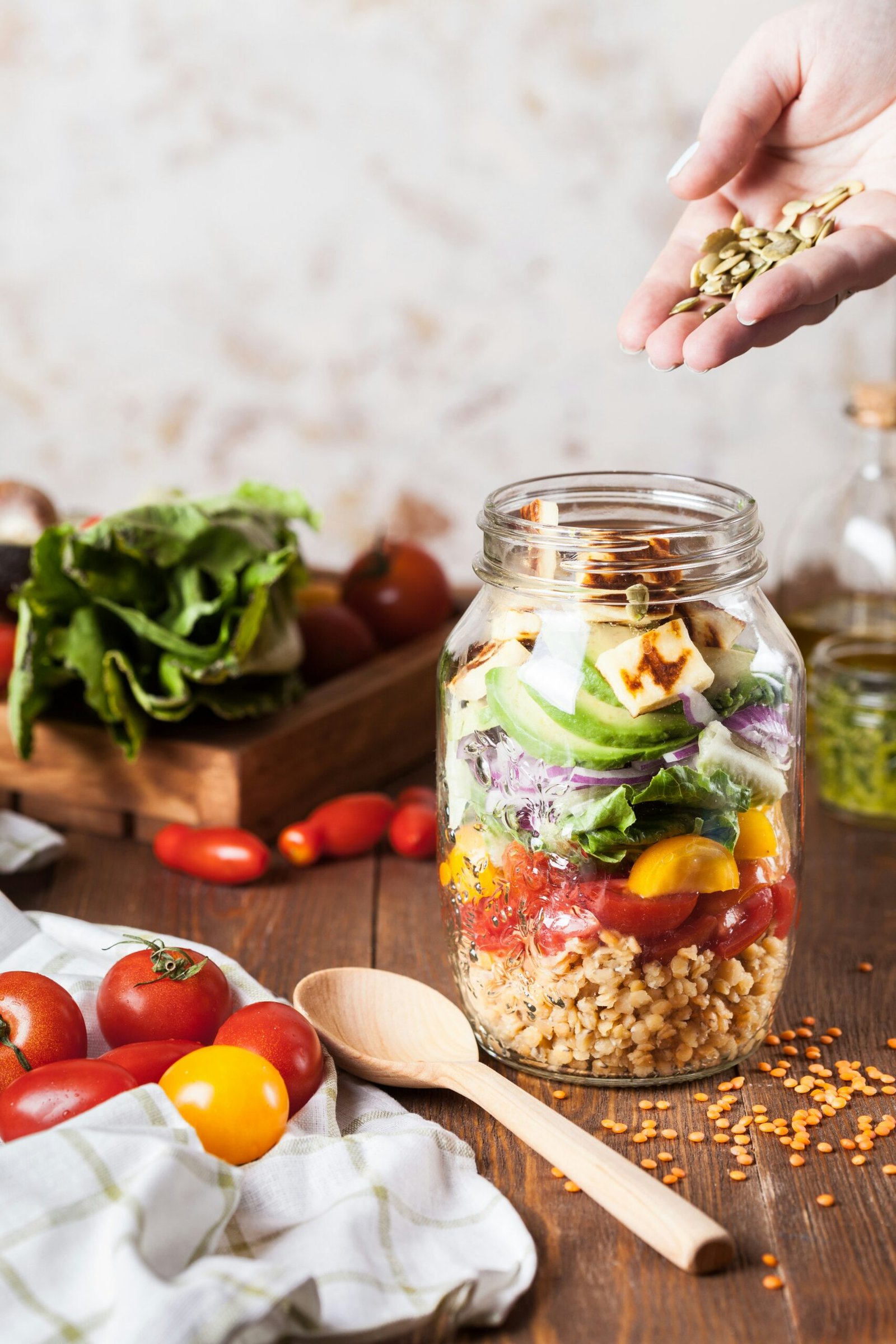
- Salad Dressing: Combine ACV with olive oil, mustard, and herbs for a delicious dressing.
- Diluted Beverage: Mix ACV with water, honey, or lemon juice to create a refreshing drink.
- Cooking Ingredient: Use it in marinades or as a flavor enhancer for various dishes.
Cautions and Considerations
While apple cider vinegar can be beneficial, it’s essential to recognize its potential risks.
- Tooth Enamel: The acidic nature of ACV can erode tooth enamel. If you use it regularly, consider drinking it through a straw and rinsing your mouth afterward.
- Digestive Upset: It might cause discomfort for some people. Monitor your body’s response when trying apple cider vinegar for the first time.
- Medication Interactions: If you’re taking medications, consult with a healthcare professional before adding ACV to your routine.
Other Natural Remedies for GERD
If you’re looking for alternative approaches in addition to or instead of apple cider vinegar, there are several other natural remedies available.
Ginger
Known for its anti-inflammatory properties, ginger can help soothe the digestive system. Incorporate fresh ginger into your meals or sip on ginger tea.
Aloe Vera
Aloe vera juice may help with inflammation in the esophagus. Make sure to choose products specifically labeled for internal use.
Baking Soda
A pinch of baking soda in water can neutralize stomach acid. However, this should be used sparingly and not as a long-term solution.
Herbal Tea
Certain herbal teas, such as chamomile, licorice root, and slippery elm, can help relieve symptoms associated with acid reflux.
Lifestyle Changes to Help Manage GERD
While remedies can provide temporary relief, making lifestyle adjustments is often vital in managing GERD effectively.
Weight Management
If you’re overweight, even a small amount of weight loss can help reduce pressure on the stomach, potentially alleviating symptoms.
Diet Changes
Understanding your triggers is essential. Common culprits include spicy foods, citrus, chocolate, and fatty meals. Keeping a food diary might be helpful.
Meal Portions
Eating smaller, more frequent meals instead of large meals can help reduce symptoms. This approach reduces the pressure on your stomach.
Elevate Your Head While Sleeping
Propping yourself up with extra pillows can discourage acid from rising while you sleep.
Stress Management
Stress doesn’t directly cause GERD, but it can exacerbate symptoms. Mindful practices like yoga or meditation might be beneficial.

When to Seek Professional Help
If apple cider vinegar and lifestyle changes aren’t providing the relief you seek, it’s essential to consult with a healthcare professional.
Signs You Should Seek Medical Advice
- Persistent symptoms that interfere with daily life
- Difficulty swallowing
- Unintentional weight loss
- Vomiting blood or dark, tarry stools
Being proactive is key to maintaining your digestive health.
Conclusion
Managing GERD and acid reflux doesn’t have to be a daunting challenge. With a bit of understanding and the right strategies—like incorporating apple cider vinegar, dietary adjustments, and lifestyle changes—you can take control of your symptoms. Remember, it’s always best to listen to your body and consult with a healthcare professional if you’re uncertain about any treatment or remedy. Your digestive health is worth the attention!