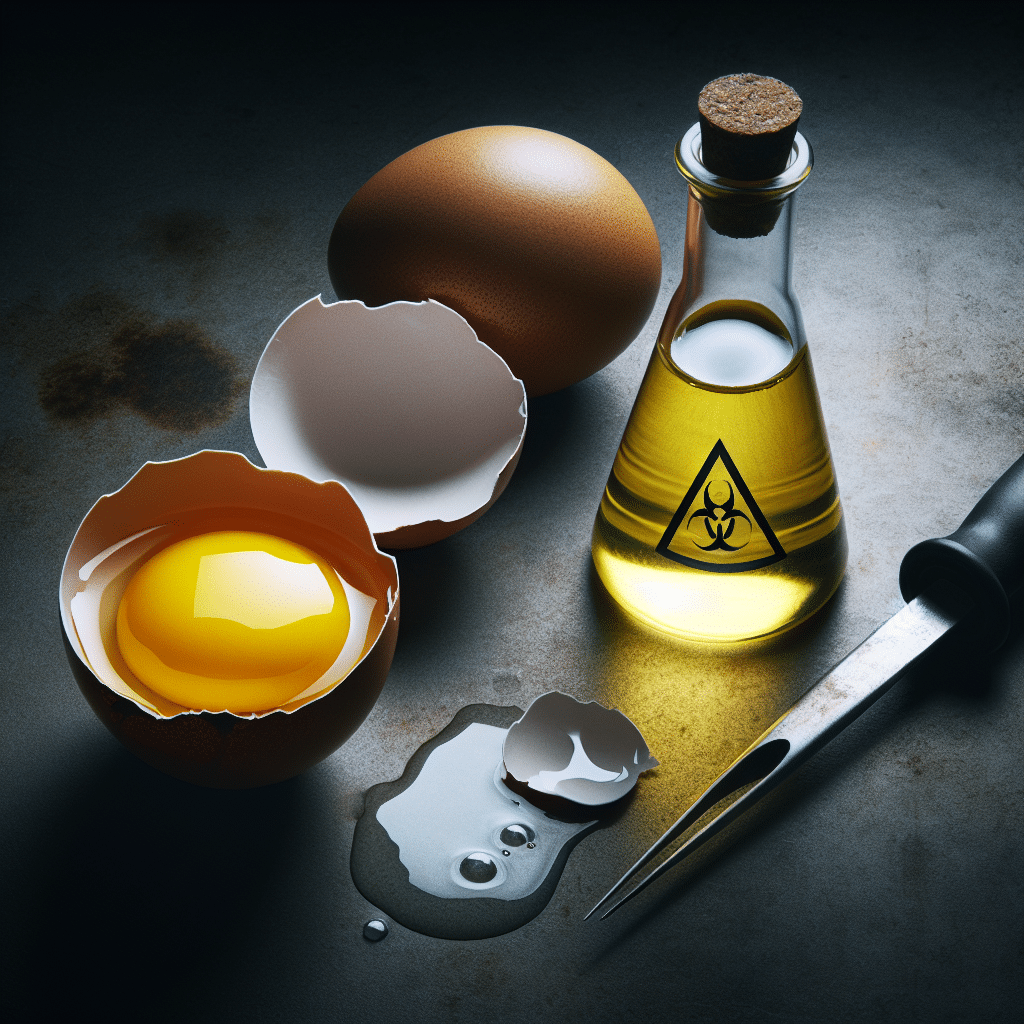
Did you know that eggs are a popular and versatile food that can be enjoyed in various forms? But have you ever wondered about their acidity level? In this article, we will explore the question: Are eggs highly acidic? Find out the surprising truth about eggs and their impact on your overall pH balance.
Understanding acidity levels
What is acidity?
Acidity is a measure of how acidic or basic a substance is. It is determined by the concentration of hydrogen ions (H+) present in a solution. When a substance has a high concentration of H+ ions, it is considered acidic. On the other hand, substances with a low concentration of H+ ions are considered basic or alkaline.
The pH scale
The pH scale is used to measure the acidity or alkalinity of a substance. It ranges from 0 to 14, with 0 being the most acidic, 7 being neutral, and 14 being the most alkaline. The pH of a substance is determined by the ratio of H+ ions to hydroxide ions (OH-) present in the solution.
Acidic, neutral, and alkaline substances
Acidic substances have a pH below 7, while alkaline substances have a pH above 7. Neutral substances have a pH of 7. Examples of acidic substances include lemon juice and vinegar, which have a pH of around 2. On the other hand, substances like baking soda and milk of magnesia are considered alkaline, with a pH of around 9 and 10, respectively. Understanding the pH of different substances is important for various applications, including cooking, health, and environmental studies.
Understanding pH and its importance
Defining pH
pH, or potential of hydrogen, is a measure of the acidity or alkalinity of a solution. It is an important property to understand since it can affect many aspects of our lives. The pH scale ranges from 0 to 14, with 7 being neutral. Values below 7 indicate acidity, while values above 7 indicate alkalinity. The optimal pH for different environments, such as our bodies, soil, and water, varies, and maintaining the appropriate pH is crucial for their proper functioning.
Role of pH in our bodies
pH plays a significant role in maintaining the balance and functioning of our bodies. Different organs and systems in our bodies require specific pH levels to function optimally. For example, the stomach has a highly acidic environment, with a pH of around 2, which aids in the digestion of food. Blood, on the other hand, has a slightly alkaline pH of around 7.4, which is necessary for proper oxygen transport and other metabolic processes. Imbalances in pH levels can lead to various health issues and disruptions in bodily functions.
pH balance and health
Maintaining the proper pH balance in our bodies is crucial for overall health and well-being. When the pH balance is disrupted, it can lead to various health problems. For instance, excessively acidic or alkaline conditions can affect enzyme activity, nutrient absorption, and cellular functions. Acidic pH levels in the body have been associated with conditions such as acidosis, while alkaline conditions can contribute to alkalosis. It is important to maintain a balanced pH by adopting a healthy diet, staying hydrated, and managing stress levels.

Measuring the acidity of eggs
The pH of eggs
Eggs, a staple in many dishes, have their own unique acidity levels. The acidity of an egg can vary depending on different components such as the shell, yolk, white, and even the by-products. To measure the acidity of eggs, a pH scale is used, which ranges from 0 to 14, with 0 being highly acidic and 14 being highly alkaline. By measuring the pH of eggs, we can gain insights into their characteristics and how they may interact with other ingredients or affect our health.
Factors affecting egg acidity
Several factors can affect the acidity of eggs. One such factor is the diet of the chicken laying the eggs. The diet composition can impact the pH levels within the chickens’ bodies, which in turn affects the eggs. Additionally, the age of the egg can influence its acidity, as older eggs tend to have a higher pH. Storage conditions and the presence of any external contaminants can also impact the acidity of eggs.
Methods to measure acidity
Several methods can be used to measure the acidity of eggs. One common method is using pH test strips or a pH meter. These tools can provide an accurate measurement of the pH level of the eggshell, yolk, or white. Another method is using chemical indicators or dyes that change color based on the pH of the solution. These indicators can help visually assess the acidity of eggs.
Are eggs acidic or alkaline?
Eggshell acidity
The eggshell, the outer protective layer of an egg, has a unique pH level. It is composed mainly of calcium carbonate, which gives the shell its strength. The pH of an eggshell is usually around 7 or slightly higher, making it slightly alkaline. This alkaline nature helps to protect the internal contents of the egg from potential bacterial contamination.
Egg yolk acidity
The egg yolk, the yellow part of the egg, has a pH level that is slightly acidic. The acidity is attributed to the presence of various compounds, including amino acids and fatty acids. The pH of the egg yolk can range from about 6 to 6.5, making it mildly acidic.
Egg white acidity
The egg white, also known as the albumen, has a higher pH level compared to the yolk. The egg white is predominantly made up of water and proteins, such as albumin. It has a pH level of around 8, which makes it alkaline. This alkaline nature can influence the behavior of proteins and affect cooking processes, such as the coagulation of egg whites.
Egg by-product acidity
Egg by-products, such as eggshells, membranes, or leftover liquid after separating the yolk from the white, can also have varying levels of acidity. These by-products may have a similar pH to the corresponding part of the egg. For example, eggshell membranes may have a slightly alkaline pH, similar to the eggshell.

Importance of egg acidity
The impact on nutritional value
The acidity of eggs can have implications for their nutritional value. For example, the slightly acidic pH of the yolk may influence the bioavailability of certain nutrients, such as iron. Acidic environments can enhance the solubility and absorption of iron, making it more accessible for our bodies to utilize. Understanding the acidity of eggs can help optimize their nutritional benefits.
Effects on cooking and baking
The acidity of eggs can significantly impact their behavior during cooking and baking. For instance, the coagulation of egg whites is influenced by their alkalinity, which contributes to the stability and structure of dishes like meringues and soufflés. In contrast, the acidic nature of the yolk can affect the emulsification properties in sauces and dressings. Properly understanding the acidity of eggs can enhance cooking techniques and lead to more successful culinary endeavors.
Egg freshness and acidity
The freshness of eggs can also affect their acidity. As eggs age, the pH level tends to increase, becoming more alkaline. This change in acidity can be an indicator of egg freshness. Fresh eggs typically have a lower pH, while older eggs have a higher pH. By monitoring the acidity of eggs, consumers can ensure they are using the freshest eggs possible and maintain the best quality in their culinary preparations.
Acidity and egg-related dishes
Eggs in everyday cooking
Eggs are incredibly versatile and are used in various everyday cooking applications. Whether they are fried, boiled, scrambled, or used in baked goods, eggs play an essential role in countless recipes. The acidity of eggs can influence the overall taste, texture, and success of these dishes. Understanding the acidity of eggs can help achieve desired culinary outcomes and ensure the best results in the kitchen.
Acidity and egg-based sauces
Many sauces and dressings, such as mayonnaise and hollandaise sauce, rely on the emulsification properties of egg yolks. The slight acidity of the yolk can aid in the formation and stability of these emulsions. The balance between acidity and other ingredients, such as oil and vinegar, is crucial for achieving the desired flavor and texture in these sauces. Proper understanding of the acidity of eggs is vital when preparing such dishes.
Egg preservation methods
The acidity of eggs can also impact their preservation and storage. Lower pH levels can contribute to a more acidic environment, which can help inhibit the growth of bacteria and prolong the shelf life of eggs. Various preservation methods, such as pickling, can create an acidic environment to maintain the freshness of eggs for longer periods. The acidity of eggs plays a role in determining the most suitable preservation techniques.

Acidity and egg allergies
Understanding egg allergies
Egg allergies are relatively common, particularly in children. It is important to differentiate between an egg allergy and an intolerance, as they are two distinct conditions. An egg allergy is an immune response triggered by proteins present in eggs, which can cause symptoms ranging from mild to severe. It is essential for individuals with an egg allergy to avoid consuming eggs or any products containing eggs to prevent allergic reactions.
Acidity and allergic reactions
While acidity itself does not cause allergic reactions, the acidity of certain foods can influence the stability and interaction of proteins present in eggs. Changes in pH levels can affect the structural integrity of proteins and potentially alter their allergenic properties. However, it is important to note that an egg allergy is primarily triggered by specific proteins, and the acidity of eggs is not the sole determining factor in allergic reactions.
Managing egg allergies
If you have been diagnosed with an egg allergy, it is crucial to effectively manage your condition. This involves avoiding consumption of eggs and carefully reading food labels for potential egg ingredients. It may also be necessary to inform restaurants or friends about your allergy to prevent cross-contamination. Consulting with a healthcare professional or allergist can provide further guidance on managing an egg allergy and ensuring your safety.
Factoring in the larger diet
Balancing acidity in overall diet
While it is essential to understand the acidity of eggs, it is also important to consider the larger diet and its overall effects on pH balance. Different foods can contribute to the overall acidity or alkalinity of the body. Consuming a well-balanced diet that includes a variety of fruits, vegetables, whole grains, and lean proteins can help maintain a healthy pH balance. It is advisable to consult with a healthcare professional or nutritionist for personalized dietary recommendations.
Eating eggs with alkaline foods
Pairing eggs with alkaline foods can play a role in balancing the overall acidity levels in a meal. Alkaline foods, such as leafy greens, citrus fruits, and certain root vegetables, can help counteract the acidity of eggs. Combining eggs with alkaline ingredients can create a more balanced and nutritious meal. Experimenting with different recipes that incorporate both eggs and alkaline foods can lead to exciting and flavorful culinary experiences.
Acidity-related considerations
While understanding the acidity of eggs is important, it is essential to approach dietary choices and health considerations holistically. pH balance in the body is influenced by various factors, including overall diet, lifestyle, and individual health conditions. Considerations such as hydration, stress management, exercise, and other contributing factors should also be taken into account when aiming for optimal health and pH balance.

Myths and misconceptions
Eggs causing acid reflux
One common myth is that eggs can cause acid reflux or heartburn. However, eggs are generally considered to be low in acidity and are unlikely to be a direct cause of acid reflux. However, individual sensitivities and allergies can differ, and some people may have specific reactions to eggs. If you experience symptoms of acid reflux after consuming eggs, it is advisable to consult with a healthcare professional to determine the underlying cause.
Eggs and urinary acidity
Another misconception is that eggs can increase urinary acidity. While the acidity of eggs may affect the overall pH of the body, it is unlikely to have a significant impact on urinary acidity. Urinary pH is mainly influenced by factors such as diet, hydration, and certain health conditions. It is important to consult with a healthcare professional for accurate information and guidance regarding urinary acidity and its relation to diet.
Eggs as a trigger for acidic conditions
Eggs are often mistakenly labeled as highly acidic and believed to contribute to acidic conditions in the body. However, the acidity of eggs is generally moderate and not considered highly acidic. It is important to understand that overall dietary choices, including the consumption of various acidic and alkaline foods, contribute to the body’s pH balance. Eggs, when consumed as part of a balanced diet, can be a nutritious and valuable addition without causing an overly acidic environment.
Conclusion
Summarizing egg acidity
Understanding the acidity levels of eggs is important for various reasons. Eggs have different pH levels in their different components, including the shell, yolk, white, and by-products. The acidity of eggs can impact their nutritional value, cooking characteristics, freshness, and preservation methods. While eggs are not highly acidic, they play a significant role in everyday cooking and can be enjoyed as part of a balanced diet.
Considerations for egg consumption
When consuming eggs, it is essential to consider personal health conditions and dietary balance. While the acidity levels of eggs are significant, overall pH balance in the body is influenced by various factors, including diet, lifestyle, and individual factors. Maintaining a well-balanced diet, incorporating a range of foods, and consulting with healthcare professionals can help optimize health and well-being when consuming eggs or any other food.