
Living with asthma can sometimes feel like a never-ending game of “avoid the triggers”. From dust mites to pollen, it can be a challenge to identify and steer clear of the common allergens that can set off an asthma attack. In this article, we will explore some of the most prevalent asthma triggers and provide you with practical tips on how to avoid them, so you can breathe easy and enjoy life to the fullest. Asthma is a chronic respiratory condition that affects millions of people worldwide. It is characterized by inflammation of the airways, leading to symptoms such as wheezing, coughing, shortness of breath, and chest tightness. While there are various factors that can trigger asthma symptoms, allergens are among the most common culprits. In this comprehensive article, we will explore the different types of common allergens and provide practical tips on how to identify and avoid them to better manage your asthma.
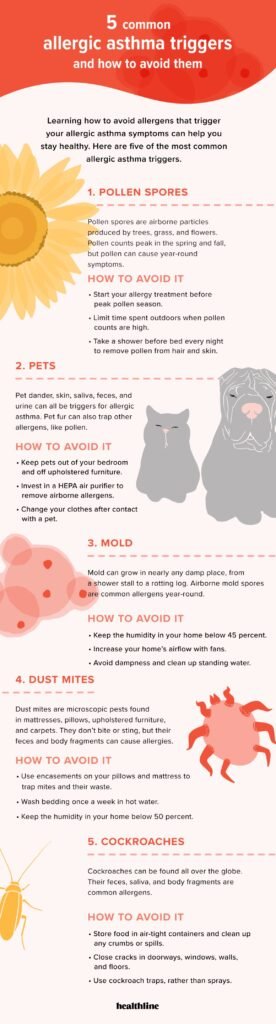
Common Allergens
Pollen
Pollen allergies, also known as hay fever or allergic rhinitis, can trigger asthma symptoms in susceptible individuals. Pollen is a fine powder produced by plants for reproductive purposes, and it is easily dispersed by the wind. Common sources of pollen include trees, grasses, and weeds.
Dust Mites
Dust mites are microscopic creatures that thrive in warm, humid environments. They feed on dead skin cells and can be found in mattresses, pillows, upholstery, and carpeting. Dust mite allergies can cause asthma symptoms to flare up, especially in individuals with sensitivities to their fecal matter and body parts.
Pet Dander
Pet dander refers to the tiny particles of skin, hair, or feathers shed by animals such as cats, dogs, birds, and rodents. When these allergens become airborne, they can trigger asthma symptoms in individuals with pet allergies.
Mold Spores
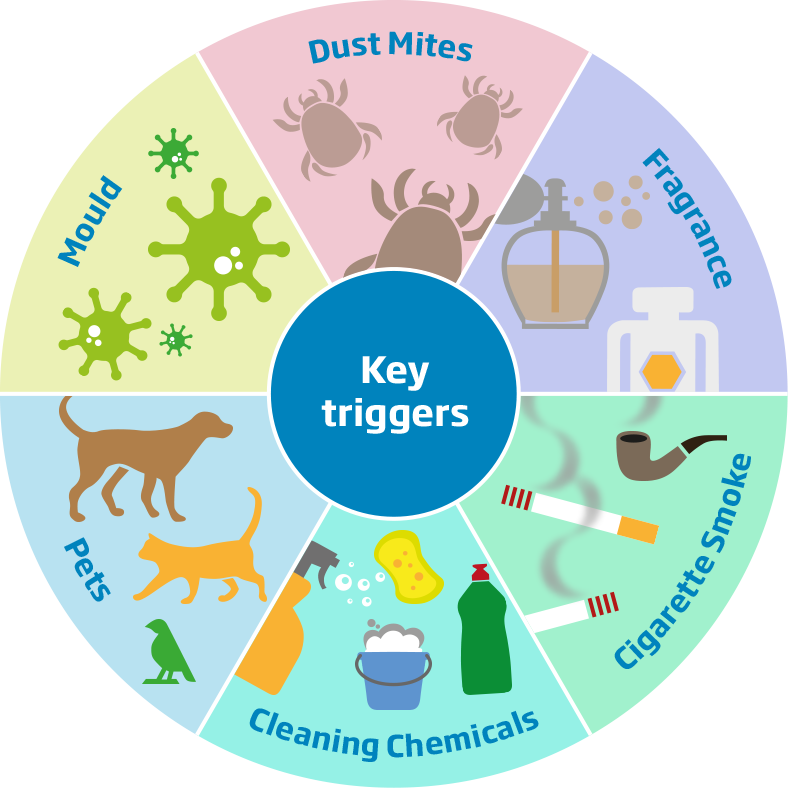
Mold spores are tiny reproductive cells produced by mold fungi. They are prevalent in humid environments, such as basements, bathrooms, and areas with water damage. Mold allergies are common and can exacerbate asthma symptoms.
Cockroaches
Cockroach allergens can trigger asthma attacks, especially in urban areas where cockroach infestations are more common. The saliva, feces, and bodies of cockroaches contain allergenic proteins that can cause allergic reactions and worsen asthma symptoms.
Identifying Allergens
To effectively manage your asthma, it is crucial to identify the specific allergens that trigger your symptoms. There are two primary methods for identifying allergens:
Allergen Testing
Allergen testing, conducted by allergists, involves exposing your skin to small amounts of common allergens and monitoring your body’s reaction. There are several types of allergen tests, including skin prick tests, blood tests, and allergen challenge tests. These tests can help pinpoint your specific sensitivities and guide your allergist’s recommendations for avoiding allergens.
Symptom Tracking
Paying close attention to your symptoms and tracking them over time can also provide valuable insights into potential triggers. Keep a diary of your symptoms, noting any environmental factors or activities that coincide with the onset of asthma symptoms. This information can help you and your healthcare provider identify patterns and determine which allergens may be exacerbating your condition.

Avoiding Allergens
Once you have identified the specific allergens that trigger your asthma symptoms, it is important to take steps to avoid or minimize exposure to them. Here are some practical measures you can implement:
Implementing Environmental Controls
To reduce exposure to allergens, consider implementing environmental controls in your home. For pollen allergies, keep windows closed during peak pollen seasons, use high-efficiency air filters, and consider using a HEPA (high-efficiency particulate air) filter in your bedroom. For dust mite allergies, encase your mattress and pillows with allergen-proof covers, and wash bedding in hot water regularly. Taking these steps can help create a healthier indoor environment.
Maintaining Cleanliness
Regular cleaning can significantly reduce allergens in your home. Vacuum carpets and upholstery frequently using a vacuum cleaner with a HEPA filter to capture allergens. Dust surfaces with a damp cloth to prevent allergens from becoming airborne. Additionally, strive to keep your home’s humidity level between 30-50% to inhibit mold growth.
Choosing Asthma-Friendly Pets
If pet dander triggers your asthma symptoms, consider choosing a pet that is less likely to aggravate your condition. Some breeds, such as certain types of dogs and cats, are considered hypoallergenic because they produce fewer allergenic proteins. Alternatively, you may consider other low-allergen pets, such as fish or reptiles, or opt for no pets at all.
Pollen
Understanding Pollen Allergies
Pollen allergies, also known as hay fever or allergic rhinitis, are caused by an immune response to airborne pollen particles. When pollen particles come into contact with the mucous membranes in your nose, eyes, and throat, your immune system may overreact, leading to symptoms such as sneezing, itching, nasal congestion, and watery eyes. These symptoms can also trigger or worsen asthma symptoms in individuals with pollen allergies.
Seasonal Variations
The severity of pollen allergies can vary depending on the time of year and the types of plants in your area. Tree pollen is most common in the spring, grass pollen in the summer, and weed pollen in the fall. However, individual sensitivities to specific pollen types may differ. Keeping track of local pollen forecasts can help you prepare for high pollen days and take appropriate precautions.
Identifying High Pollen Days
To avoid pollen exposure, it is important to identify days when pollen levels are high. Several websites and apps provide up-to-date information on local pollen counts. Additionally, local weather stations often include pollen forecasts in their reports. By being aware of high pollen days, you can plan outdoor activities accordingly and maximize your exposure to fresh air during periods of low pollen levels.
Avoiding Pollen Exposure
To minimize exposure to pollen, take these precautions:
- Stay indoors during peak pollen times, typically early morning and evening.
- Keep windows closed and use air conditioning, especially in your bedroom.
- Limit outdoor activities on windy days when pollen is more likely to be airborne.
- Rinse off and change your clothes after spending time outdoors.
- Consider using pollen-filtering nasal sprays or wearing a pollen mask when necessary.
By implementing these strategies, you can reduce your exposure to pollen and potentially alleviate asthma symptoms triggered by pollen allergies.

Dust Mites
Understanding Dust Mite Allergies
Dust mites are microscopic organisms that thrive in warm, humid environments. They are found in virtually every home and are a common trigger for asthma symptoms. Dust mite allergies occur when individuals are sensitive to the proteins found in their fecal matter and body parts. Symptoms of dust mite allergies can include sneezing, runny nose, itchy eyes, and coughing, which can worsen asthma symptoms.
Eliminating Dust Mites from the Bedroom
Since we spend a significant amount of time in our bedrooms, it is crucial to make this space as allergen-free as possible. To eliminate dust mites from your bedroom:
- Encase your mattress and pillows with allergen-proof covers to prevent dust mite allergens from infiltrating your bedding.
- Wash all bedding, including sheets, pillowcases, and blankets, in hot water once a week to kill any dust mites.
- Avoid using heavy curtains or blinds and opt for washable window coverings instead.
- Replace carpeting with hard flooring or choose low-pile carpets that can be regularly vacuumed and cleaned.
Using Dust Mite Proof Covers
Allergen-proof covers are specifically designed to create a barrier between you and dust mites. These covers have a tight weave that prevents dust mite allergens from passing through, ensuring a more allergen-free sleep environment. When selecting dust mite proof covers, look for those that are tested and certified as effective barriers against dust mites.
Regular Cleaning and Vacuuming
Regular cleaning can help reduce dust mite populations in your home. Here are some cleaning practices to incorporate into your routine:
- Vacuum carpets and upholstered furniture at least once a week using a vacuum cleaner with a HEPA filter.
- Dust surfaces with a damp cloth or microfiber cloth to trap dust instead of spreading it in the air.
- Avoid using feather dusters, as they can stir up dust rather than trapping it.
- Reduce clutter, as it can trap dust and make cleaning more challenging.
By implementing these measures, you can significantly reduce your exposure to dust mites and potentially alleviate asthma symptoms associated with dust mite allergies.
Pet Dander
Understanding Pet Dander Allergies
Pet dander refers to the small particles shed by animals, including cats, dogs, birds, and rodents. These particles can trigger allergic reactions in individuals with pet dander allergies. When an individual with asthma is exposed to pet dander, it can lead to symptoms such as coughing, wheezing, chest tightness, and shortness of breath.
Reducing Pet Dander in the Home
To reduce pet dander in your home, consider the following strategies:
- Create pet-free zones, such as bedrooms and other areas where you spend a significant amount of time.
- Use air purifiers with HEPA filters to trap pet allergens and improve air quality.
- Frequently vacuum upholstered furniture, rugs, and carpets to remove pet hair and dander.
- Wash bedding that pets have access to regularly in hot water.
- Consider replacing carpeting with hard flooring, which is easier to clean and less likely to trap pet allergens.
Creating Pet-Free Zones
While it can be challenging to completely eliminate pet dander from your home, creating pet-free zones can help mitigate exposure. By designating areas where your pet is not allowed, you can limit the amount of pet dander in spaces where you spend the most time, such as your bedroom or living room. Additionally, keeping pets out of your bedroom can provide you with a clean, allergen-free space for sleeping.
Regular Grooming and Cleaning
Regular grooming and cleaning of your pets can significantly reduce the amount of dander they shed. Consider the following practices:
- Brush your pet regularly to remove loose hair and dander.
- Bathe your pet frequently using hypoallergenic shampoos that are gentle on their skin.
- Consider seeking professional grooming services to ensure thorough cleaning and reduce dander.
- Clean pet bedding and any items that come into contact with your pet, such as toys and blankets, regularly.
By adopting these practices, you can minimize pet dander in your home and potentially reduce asthma symptoms triggered by pet allergies.
Mold Spores
Understanding Mold Allergies
Mold allergies occur when individuals are sensitive to the spores produced by mold fungi. Mold spores are small reproductive cells that are released into the air and can trigger allergic reactions. Common indoor molds include Aspergillus, Cladosporium, and Alternaria. Symptoms of mold allergies can include sneezing, nasal congestion, wheezing, and itchy eyes.
Identifying and Preventing Mold Growth
Identifying and addressing the source of mold growth is essential in managing mold allergies. Here are some measures you can take:
- Regularly inspect your home for signs of mold growth, such as visible mold, musty odors, or water damage.
- Address any water leaks or excessive moisture issues promptly to prevent mold growth.
- Ensure proper ventilation in bathrooms, kitchens, and other areas prone to high humidity.
- Clean mold-prone areas, such as bathrooms and basements, regularly to inhibit mold growth.
- Consider using mold inhibitors or mildew-resistant products in areas susceptible to mold growth.
Controlling Humidity
Mold thrives in high humidity environments, so controlling indoor humidity levels is crucial. Aim to keep your home’s humidity between 30-50%. Here are some strategies to achieve this:
- Use dehumidifiers in areas prone to high humidity, such as bathrooms and basements.
- Ventilate your home by opening windows and using exhaust fans to expel humid air.
- Fix any moisture problems, such as leaking pipes or roof leaks, promptly.
- Avoid overwatering indoor plants, as excess moisture can promote mold growth.
Regularly Cleaning and Ventilating
Regular cleaning and proper ventilation can help prevent mold growth and reduce your exposure to mold spores. Follow these practices:
- Clean bathrooms and other mold-prone areas with mold-killing products.
- Ventilate your home by opening windows and using exhaust fans to circulate fresh air.
- Use air purifiers with HEPA filters to trap mold spores and improve indoor air quality.
- Routinely clean air conditioning vents and filters to prevent the buildup of mold or other allergens.
By staying vigilant about mold prevention and taking these measures, you can reduce the likelihood of mold allergies triggering your asthma symptoms.
Cockroaches
Understanding Cockroach Allergies
Cockroach allergens are a common trigger for asthma symptoms, particularly in urban environments with high cockroach populations. The saliva, feces, and bodies of cockroaches contain allergenic proteins that can cause allergic reactions. Symptoms of cockroach allergies can include coughing, wheezing, nasal congestion, and skin rashes.
Eliminating Cockroaches
To eliminate cockroaches from your home, consider the following strategies:
- Keep your home clean and free of food debris that can attract cockroaches.
- Seal cracks and crevices where cockroaches can enter your home.
- Use cockroach baits or traps to capture and eliminate cockroaches.
- Consider professional pest control services for severe infestations or recurring problems.
Proper Food Storage and Waste Disposal
Cockroaches thrive on food scraps and waste, so proper food storage and waste disposal are essential in deterring these pests. Follow these practices to minimize the risk of cockroach infestations:
- Keep all food stored in sealed containers to prevent cockroaches from accessing it.
- Clean up spills and crumbs promptly to remove potential food sources.
- Maintain a clean and clutter-free kitchen to minimize hiding places for cockroaches.
- Dispose of garbage regularly and use tightly sealed trash cans to prevent cockroaches from feeding on waste.
Sealing Entry Points
Preventing cockroaches from entering your home is a crucial step in managing cockroach allergies. Seal any cracks or crevices that can serve as entry points for these pests. Pay close attention to areas such as doors, windows, vents, and pipes, as they are common entryways for cockroaches. By blocking their access, you can reduce the likelihood of cockroach allergens triggering asthma symptoms.
Allergen Testing
Allergen testing is an essential step in managing asthma triggered by allergens. These tests, performed by allergists, help identify the specific allergens to which you are sensitive. They can guide your allergist in developing an effective treatment and management plan. Here are the types of allergen tests commonly used:
Skin Prick Tests
Skin prick tests involve placing small amounts of allergens on your skin and then pricking or scratching the skin to allow the allergens to enter. If you are allergic to a particular substance, you will develop a small, itchy bump at the test site. Skin prick tests are quick and relatively painless and can detect a wide range of allergens.
Blood Tests
Blood tests measure the level of specific antibodies, known as immunoglobulin E (IgE), in your blood. IgE levels increase when you are allergic to a particular allergen. Blood tests, such as the radioallergosorbent test (RAST) or enzyme-linked immunosorbent assay (ELISA), can help identify allergens that do not produce reliable results with skin prick tests.
Allergen Challenge Tests
Allergen challenge tests involve exposing you to allergens in a controlled environment, such as an enclosed chamber or through inhalation. These tests are typically used when other tests have not yielded clear results or to confirm suspected allergies. Allergen challenge tests should only be performed under the supervision of a healthcare professional.
By undergoing allergen testing, you can gain valuable insights into your asthma triggers and make informed decisions regarding allergen avoidance and treatment options.
Consulting with Allergists
While self-management strategies can be effective in reducing exposure to allergens, consulting with allergists is crucial for comprehensive asthma management. Allergists are specialists trained in the diagnosis and treatment of allergies and asthma. They can provide personalized advice based on your specific allergens, symptoms, and medical history. Here are some benefits of consulting with allergists:
Seeking Professional Advice
Allergists can help you navigate the complex world of allergens and develop a customized management plan. They will take into consideration your specific triggers, lifestyle factors, and potential interactions between allergens and other conditions. By seeking professional advice, you can gain access to expert knowledge and experience to better manage your asthma.
Testing Allergic Reactions
If you suspect that you have allergies or asthma triggered by allergens, allergists can perform tests to confirm your suspicions. Through a combination of physical examinations, medical history reviews, and allergen testing, allergists can determine the exact allergens that are contributing to your symptoms.
Discussing Lifestyle and Living Situations
Asthma management is not limited to avoiding allergens alone. Allergists can provide guidance on managing other asthma triggers, such as exercise-induced asthma, cold air, and respiratory infections. They can also discuss lifestyle modifications, including diet, exercise plans, and smoking cessation, to further improve your asthma control.
By consulting with allergists, you can receive comprehensive care and support that extends beyond allergen avoidance. Remember, you don’t have to face asthma triggers alone – reach out to a healthcare professional for expert guidance.
In conclusion, identifying and avoiding common allergens is essential in managing asthma symptoms. By understanding the different types of allergens and implementing practical strategies to minimize exposure, you can significantly improve your quality of life and reduce the frequency and severity of asthma attacks. Remember to consult with allergists to receive personalized advice and treatments tailored to your specific triggers and needs. With the right knowledge and support, you can take control of your asthma and live a healthier, more symptom-free life.