
Asbestos, a commonly used material in the past, may pose serious health risks. In our article, “The Dangers of Asbestosis: Are You at Risk?”, we shed light on the harmful effects of this hazardous substance. Whether you’ve encountered asbestos directly or indirectly, understanding its dangers will empower you to protect your health and make informed decisions. Join us as we explore the risks associated with asbestosis and how you can safeguard yourself and your loved ones.
What is Asbestosis?
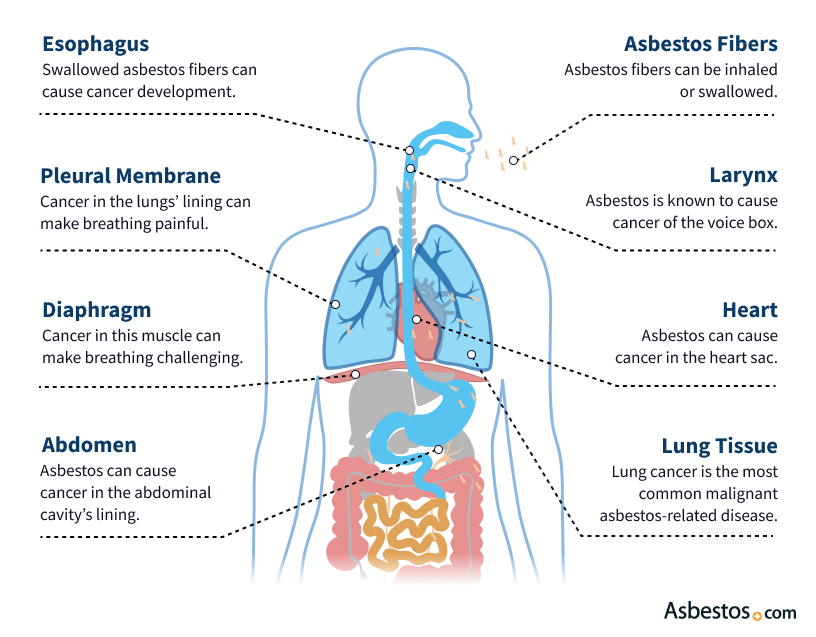
Asbestosis is a chronic lung disease that is caused by the inhalation of asbestos fibers. It is a serious condition that primarily affects the lungs, causing inflammation and scarring of the lung tissue. Over time, this scarring can make it increasingly difficult for you to breathe and can lead to severe respiratory problems. Asbestosis is often considered a progressive disease, meaning that the symptoms and complications tend to worsen over time if left untreated.
Definition
Asbestosis is defined as a lung disease that occurs as a result of prolonged exposure to asbestos fibers. When the fibers are inhaled, they can become trapped in the lungs, causing inflammation and scarring. Over time, this scarring can impair the function of the lungs, leading to symptoms such as shortness of breath, coughing, and chest tightness.
Causes
The primary cause of asbestosis is exposure to asbestos fibers. Asbestos is a naturally occurring mineral that was commonly used in various industries for its heat resistance and durability. Unfortunately, when asbestos-containing materials are disturbed, such as during construction or renovation work, the fibers can become airborne and easily inhaled. Prolonged exposure to these fibers can lead to the development of asbestosis.
Symptoms
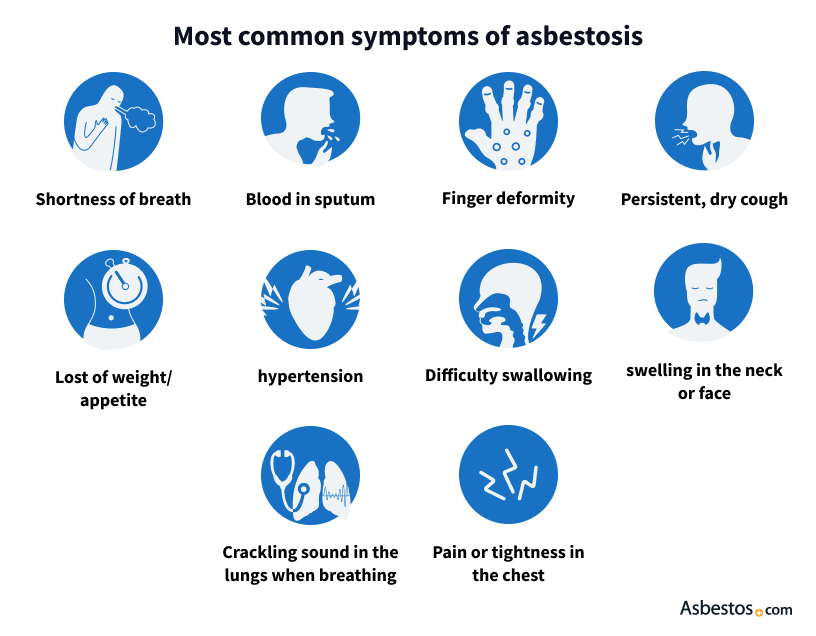
The symptoms of asbestosis can vary from person to person, but the most common ones include:
- Shortness of breath, especially during physical activity
- Persistent coughing
- Chest tightness or pain
- Loss of appetite
- Finger clubbing (enlargement and rounding of the fingertips)
- Fatigue
- Dry crackling sound in the lungs when breathing
If you are experiencing any of these symptoms and have a history of asbestos exposure, it is important to consult with a healthcare professional for an accurate diagnosis.
How Asbestosis Develops
Exposure to Asbestos
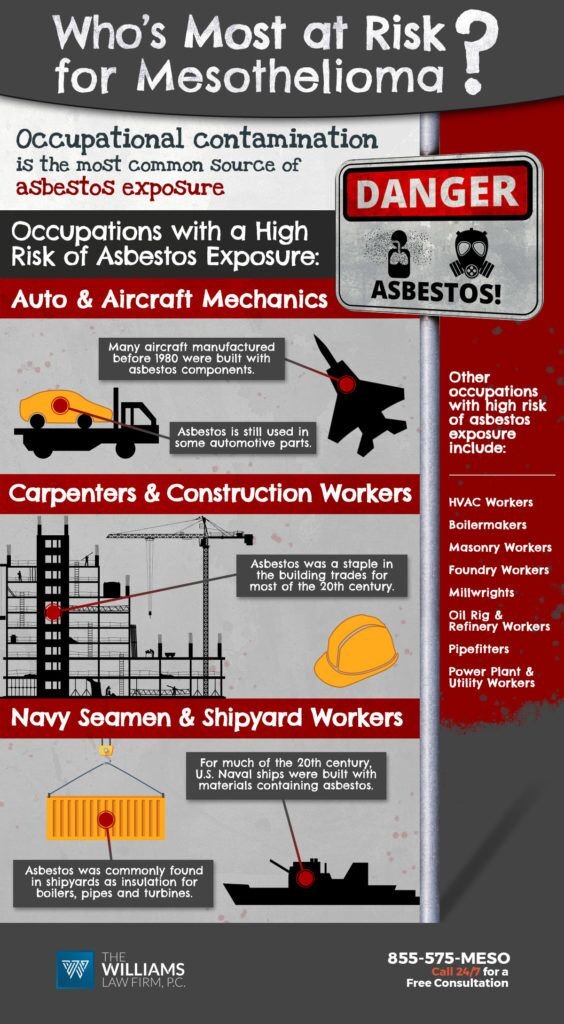
The development of asbestosis begins with prolonged exposure to asbestos fibers. This typically occurs in occupational settings where workers are regularly exposed to asbestos-containing materials. However, it is important to note that non-occupational exposure can also occur, such as living in close proximity to asbestos manufacturing facilities or from clothing contaminated with asbestos fibers.
Fibers in the Lungs
Once inhaled, asbestos fibers can become trapped in the lungs. The body’s natural defense mechanisms are unable to effectively remove these fibers, causing them to remain lodged in the lung tissue. Over time, the fibers can cause inflammation and scarring, leading to the development of asbestosis.
Formation of Scar Tissue
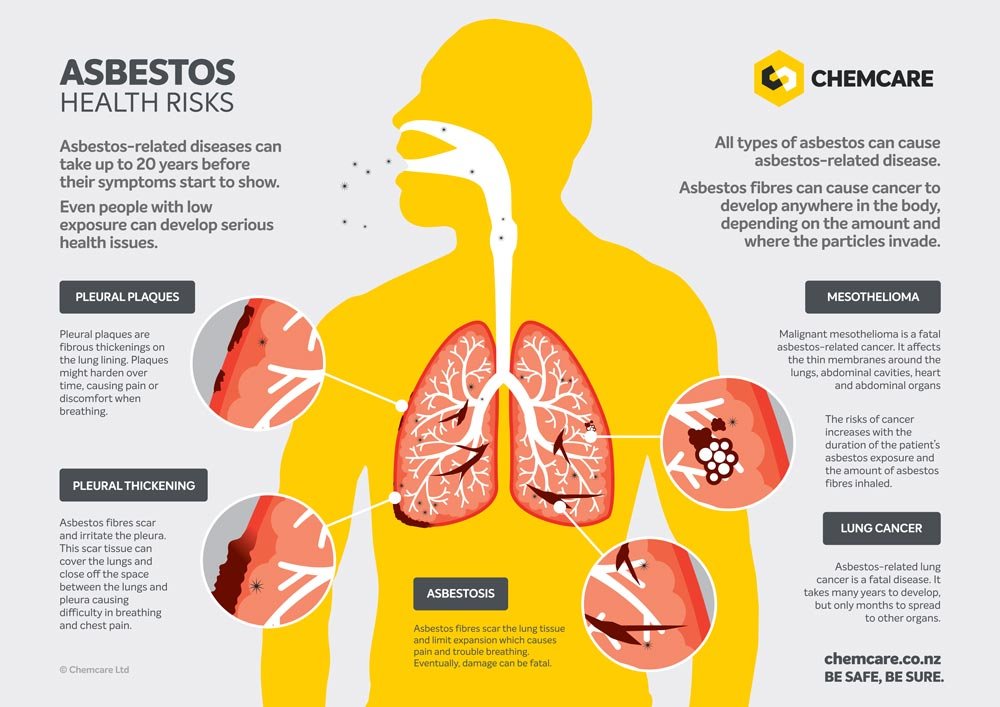
As the asbestos fibers trigger an inflammatory response, the body attempts to repair the damaged lung tissue by forming scar tissue. This scarring process, known as fibrosis, can impair the normal functioning of the lungs, making it increasingly difficult to breathe. The presence of scar tissue also increases the risk of developing other respiratory complications, such as lung cancer and pleural disease.
Recognizing the Symptoms
Early Warning Signs
In the early stages of asbestosis, the symptoms may be mild and easily mistaken for other respiratory conditions. It is important to be aware of the early warning signs, as early detection and treatment can significantly improve the outlook for individuals with asbestosis. If you have a history of asbestos exposure, be on the lookout for symptoms such as gradually worsening shortness of breath, persistent coughing, and chest tightness.
Progression of Symptoms
As the disease progresses, the symptoms of asbestosis may become more severe. You may experience increasing difficulty in performing everyday tasks that require physical exertion, such as climbing stairs or carrying heavy objects. In advanced stages of the disease, even simple activities like getting dressed or walking short distances can be exhausting. It is crucial to seek medical attention at the first sign of symptom progression to prevent further complications.
Health Risks and Complications
Increased Risk of Lung Cancer
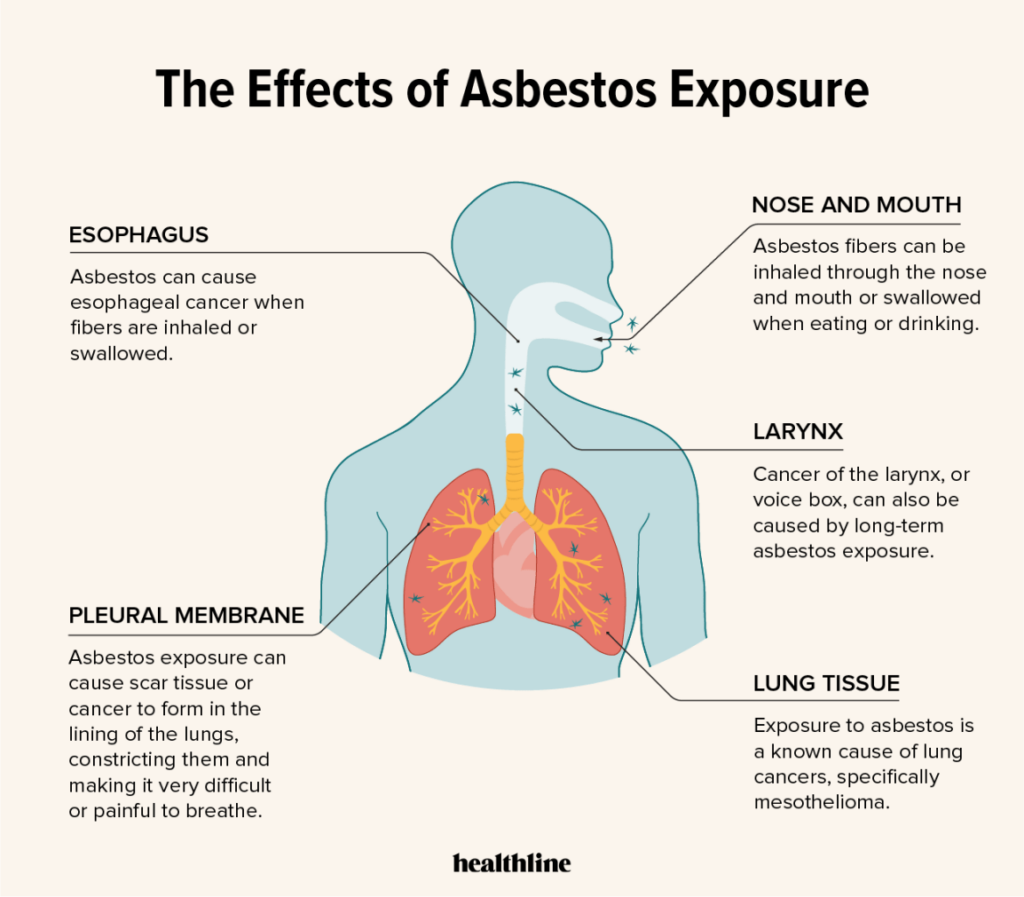
Individuals with asbestosis have a significantly higher risk of developing lung cancer compared to those without the disease. The presence of asbestos fibers in the lungs can cause genetic mutations and abnormalities in the lung cells, increasing the likelihood of cancerous growth. Therefore, it is crucial for individuals with asbestosis to undergo regular screenings for lung cancer to facilitate early detection and prompt treatment.
Mesothelioma and Asbestosis
Mesothelioma is a distinct and aggressive form of cancer that is closely linked to asbestos exposure. It primarily affects the lining of the lungs, heart, and abdomen. While asbestosis and mesothelioma are different diseases, individuals with asbestosis have an increased risk of developing mesothelioma. Regular medical check-ups and screenings are essential to detect the early signs of mesothelioma and initiate appropriate treatment.
Pleural Disease
Pleural disease refers to conditions that affect the pleura, the lining surrounding the lungs. Asbestosis can lead to the development of pleural disease, including pleural effusion (accumulation of fluid in the pleural space) and pleural plaques (localized areas of thickening in the pleura). These conditions can cause additional breathing difficulties and discomfort, further impacting your quality of life.
Diagnosis of Asbestosis
Medical History and Physical Examination
During the diagnostic process, your healthcare provider will begin by taking a detailed medical history, focusing on any known or suspected exposure to asbestos. They will also perform a physical examination to assess your lung function and look for any signs of respiratory distress. It is important to provide accurate information about your occupational and environmental history to assist in the diagnosis.
Chest X-rays and CT Scans
Imaging tests, such as chest X-rays and CT scans, are commonly used to evaluate the presence and extent of lung abnormalities associated with asbestosis. These tests can visualize the presence of asbestos fibers, the formation of scar tissue, and any other potential complications. A radiologist will carefully analyze the images to assist in the diagnosis and treatment planning.
Pulmonary Function Tests
Pulmonary function tests (PFTs) are essential in assessing the function and capacity of your lungs. These tests measure various parameters, including lung volumes, airflow rates, and gas exchange efficiency. By comparing your test results to established norms, your healthcare provider can evaluate the severity of your asbestosis and determine appropriate treatment interventions.
Treating Asbestosis
Avoiding Further Exposure
The first step in managing asbestosis is to prevent any further exposure to asbestos fibers. If you are still in an occupation or environment that puts you at risk, it is crucial to follow strict safety protocols and use proper protective equipment. If necessary, consider changing your occupation or seek guidance from occupational safety authorities to minimize the risk of ongoing exposure.
Medications and Inhalers
While there is no cure for asbestosis, medications and inhalers can help manage the symptoms and improve your quality of life. Your healthcare provider may prescribe bronchodilators to help open up the airways, corticosteroids to reduce inflammation, and expectorants to facilitate the clearance of mucus. These medications can help alleviate symptoms such as shortness of breath and coughing.
Lifestyle Changes
Adopting healthy lifestyle habits can also play a significant role in managing asbestosis. It is crucial to quit smoking if you are a smoker, as smoking can further damage your lungs and increase the risk of complications. Regular exercise, a balanced diet, and maintaining a healthy weight can also help improve overall lung function and reduce the strain on your respiratory system.
Legal Aspect and Compensation
Workplace Exposure and Legal Rights
If you developed asbestosis due to occupational exposure to asbestos fibers, it is essential to understand your legal rights. Many countries have laws and regulations in place to protect workers from the harmful effects of asbestos. Your employer may have a legal obligation to provide a safe working environment, implement proper safety measures, and offer compensation for any resulting health issues.
Filing a Lawsuit
In cases of severe asbestosis or other asbestos-related diseases, you may consider filing a lawsuit against the responsible parties, such as manufacturers or employers. An experienced asbestos attorney can guide you through the legal process, help gather evidence, and pursue compensation for medical expenses, lost wages, pain and suffering, and other related damages.
Compensation for Asbestosis
Receiving compensation for asbestosis can help alleviate the financial burdens associated with the disease, including medical bills, ongoing treatments, and loss of income. It is crucial to consult with a legal professional specializing in asbestos-related cases to determine the best course of action and ensure you receive rightful compensation for the harm caused.
Prevention and Risk Reduction
Occupational Safety Measures
Preventing asbestos exposure in occupational settings is crucial to reduce the incidence of asbestosis and other asbestos-related diseases. Employers should implement proper safety measures, including regular asbestos inspections, safe handling and disposal of asbestos-containing materials, and providing protective equipment. Regular employee training and awareness about asbestos hazards are also vital in minimizing the risk of exposure.
Regulations and Guidelines
Governmental agencies and health organizations have established regulations and guidelines regarding the use and handling of asbestos. These regulations aim to protect workers, the general public, and the environment from the harmful effects of asbestos exposure. It is essential for employers and individuals to stay informed about these regulations and follow them diligently to ensure proper asbestos management.
Awareness and Education
Raising awareness about the dangers of asbestos and educating the public about its risks is crucial in preventing asbestosis. Educational campaigns, seminars, and informational materials can help individuals understand the potential hazards of asbestos and take appropriate precautions. By fostering a culture of awareness and knowledge, we can work towards reducing the incidence of asbestosis and other asbestos-related diseases.
Support and Resources
Asbestosis Support Groups
Living with asbestosis can be challenging, both physically and emotionally. Joining a support group can provide a valuable source of comfort, information, and understanding. These groups typically consist of individuals who are experiencing similar challenges, allowing you to share experiences, seek advice, and gain support from others who truly understand what you are going through.
Counseling and Mental Health
Asbestosis can have a significant impact on your mental and emotional well-being. The struggles associated with the disease, such as adjusting to a new lifestyle, managing symptoms, and concerns about the future, can lead to feelings of anxiety, depression, or stress. Seeking counseling or therapy can help you navigate these challenges and provide strategies to cope with the emotional impact of asbestosis.
Finances and Insurance Coverage
Managing the financial aspects of asbestosis can be overwhelming, particularly considering the potential costs of medical treatments and ongoing care. It is crucial to explore your insurance coverage options and understand the benefits and limitations related to asbestosis. Financial advisors or insurance specialists may be able to provide guidance on managing expenses and accessing any available financial assistance.
Conclusion
Asbestosis is a serious lung disease that can significantly impact your health and well-being. Understanding the causes, symptoms, and complications associated with asbestosis is crucial in seeking timely medical attention and appropriate treatment. By adopting preventive measures, seeking legal support when necessary, and accessing appropriate resources and support, you can effectively manage asbestosis and improve your quality of life. Remember, you are not alone in this journey, and there are resources available to help you along the way.